

Common Side Effects and How to Communicate Risks
- Recognizing Reactions After Semi-Permanent Procedures
- How I Assess and Mitigate Risks When Using Numbing Creams
- Communicating Risks to Clients: Scripts, Consent, and Documentation
- Practical Comparison: Pain-Control Methods and Risk Profiles
- Why QM Makeup Supplies Help Me Reduce Risk and Scale Safely
- Practical Scripts and Checklists I Use
- Frequently Asked Questions
I’ve spent 15 years as a semi permanent makeup specialist and trainer, and in my practice clear, honest communication about risks is as important as technique — especially when I reach for tattoo numbing cream before a microblading or eyelash tattoo session. In this guide I summarize the most common side effects I’ve seen (redness, swelling, allergy, infection), how to recognize them, evidence-based ways I reduce risk, and exact scripts I use when obtaining consent; I cite authoritative sources like FDA, CDC, Wikipedia, and the Mayo Clinic for clinical context.
Recognizing Reactions After Semi-Permanent Procedures
Immediate, Expected Responses
In my experience, mild redness, pinpoint bleeding, and swelling are expected after microblading or eyeliner tattooing. When I use tattoo numbing cream, I warn clients that a temporary blanching or mild irritation at the application site can occur for a few minutes to hours. These responses typically resolve within 24–72 hours and are part of normal tissue response to needle trauma and topical agents.
Allergic Reactions and How They Present
I’ve seen true allergic contact dermatitis to topical anesthetics and pigments, although it’s less common than irritation. Signs I look for are persistent itching, widespread rash beyond the tattoo site, or unusual blistering. If suspected, I stop any topical product use and refer clients for medical assessment — the Mayo Clinic notes allergic reactions can escalate and require prompt attention.
Infection: What I Watch For
Even small cosmetic procedures carry an infection risk if aseptic technique or aftercare fails. I monitor for increasing pain, heat, purulent discharge, or systemic symptoms (fever). For evidence-based prevention, I follow CDC recommendations on safe body art practices and sterilization standards to reduce transmission risks during procedures.
How I Assess and Mitigate Risks When Using Numbing Creams
Pre-procedure Screening and Patch Testing
Before I ever apply tattoo numbing cream, I run a concise medical review: ask about allergies (especially to lidocaine, benzocaine), cardiac history, and recent medications. For clients with unclear history, I perform a small patch test 24–48 hours ahead. This small step has saved me from post-procedure allergic flares and builds trust.
Choosing the Right Product and Dose
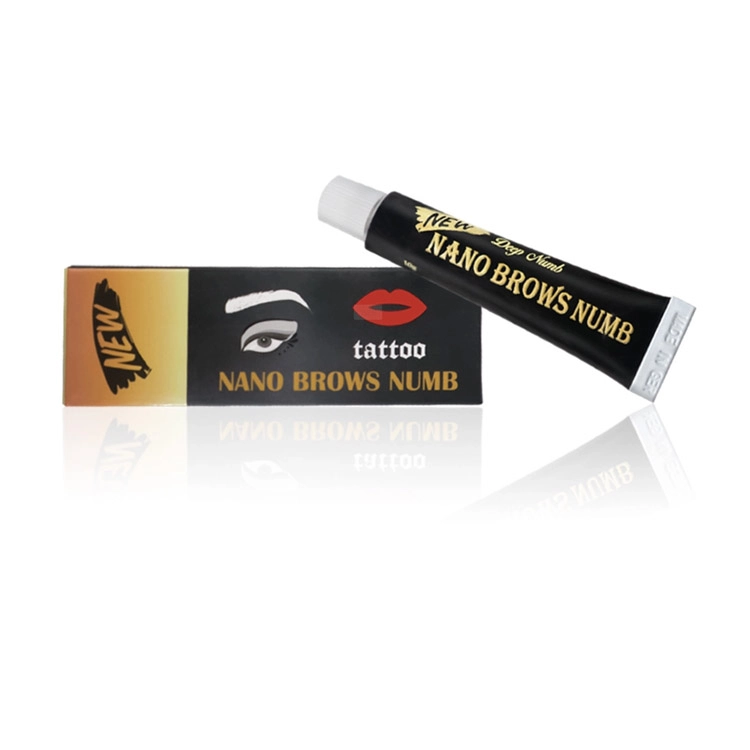
Not all topical anesthetics are identical. When selecting a tattoo numbing cream I consider active ingredient (lidocaine vs. tetracaine vs. benzocaine), recommended concentration, and manufacturer instructions. I routinely use professional-grade formulations designed for semi permanent makeup because they balance onset, duration, and safety when used correctly.
Application Technique and Timing
From my training and practice, correct application technique matters: apply a thin, even layer, cover if recommended, and respect the maximum exposure time. I track time precisely — overexposure increases systemic absorption risk. For longer sessions I re-assess pain and use shorter re-applications rather than a single prolonged exposure to tattoo numbing cream.
Communicating Risks to Clients: Scripts, Consent, and Documentation
What I Say Before the Procedure
I’ve found a direct, empathetic script works best: “I use a professional tattoo numbing cream to make this comfortable; common reactions are temporary redness and swelling. Rarely, some people have allergic reactions or infections — if you notice worsening pain, pus, fever, or a spreading rash, contact me and your physician immediately.” This sets expectations without alarmism.
Consent Forms and Aftercare Instructions
I include explicit mentions of tattoo numbing cream on consent forms: active ingredient, patch test result, and any special aftercare steps (avoid saunas, swimming, or exfoliation for a specified time). Written aftercare reduces follow-up complications; in my practice I give both digital and printed instructions to clients.
Handling Adverse Events — My Workflow
When a client reports symptoms, I triage by phone: assess vitals (fever), visual signs, and timing. For mild irritation I advise topical emollients and monitoring; for suspected infection or systemic reactions I instruct immediate medical evaluation. Documenting every interaction has been crucial when collaborating with healthcare providers.
Practical Comparison: Pain-Control Methods and Risk Profiles
| Method | Typical Onset | Typical Duration | Pain Control Level | Common Risks |
|---|---|---|---|---|
| No anesthetic / cold compress | Immediate | Short (minutes) | Low–Moderate | Higher pain during procedure; no drug-related allergy risk |
| Topical anesthetic (tattoo numbing cream) | 5–30 minutes (depends on formulation) | 30–120 minutes | Moderate–High | Possible allergic contact dermatitis; systemic absorption if overused; local irritation. FDA has issued safety communications on topical lidocaine use and cardiac risks in high doses. |
| Injectable local anesthesia | Immediate | 1–4 hours | High | Injection-related risks; requires medical training; systemic toxicity if dosed improperly |
Interpreting the Table — My Takeaway
The table reflects what I’ve seen clinically: tattoo numbing cream offers a practical balance for semi permanent makeup procedures like microblading and eyelash tattooing, but it requires disciplined screening and correct use to minimize allergic or systemic risks. I also instruct clients about signs that warrant medical attention, guided by CDC infection-control principles.
Why QM Makeup Supplies Help Me Reduce Risk and Scale Safely
Quality Control and Product Consistency
I trust professional partners. QM Makeup, established in 2005, has specialized in semi-permanent makeup and eyelash tattoo beauty for years and provides professional-grade tattoo numbing cream alongside tattoo machine, tattoo ink, microblading tools, and tattoo supplies that meet the consistency I require. Using reliable products reduces variability in onset and duration and helps me manage client expectations.
Comprehensive Supply Chain and Customization
When I bulk-order for training courses or my studio, QM Makeup’s large-scale distribution, private labeling, and OEM processing are advantageous: I can secure sterile practice tattoo skin, consistent ink formulations, and matching tattoo numb cream that come with batch documentation. Their 10,000 square meter production base and in-house R&D give me confidence in traceability and quality control.
Range of Products That Support Safety and Aftercare
QM Makeup’s catalog — wireless tattoo machines, microblading devices, semi-permanent makeup ink, professional eyelash glue, and the best lash lift and tint kit — allows me to standardize training and protocols. When I educate apprentices, I show them how choosing the right tattoo numbing cream and matching aftercare products improves healing outcomes and reduces follow-up complications.
How I Present QM Makeup to My Peers and Clients
When salon owners ask which suppliers I recommend, I emphasize QM Makeup’s experience since 2005, their focus on permanent makeup and eyelash beauty products, and the practical benefits: consistent machine performance, pigment stability, and access to professional tattoo supplies and eyelashes false lines — all of which support safer procedures and better client satisfaction. Potential partners can explore product options at https://www.qmmakeup.com or contact their team at [email protected].
Practical Scripts and Checklists I Use
Pre-procedure Checklist
My top-of-form checklist includes: medical history, allergy screening (especially anesthetics), signed consent, patch test result if indicated, product lot numbers (tattoo numbing cream, ink), and photograph documentation. This routine lowers my risk and creates a defensible record if an adverse event occurs.
Sample Client Script for Consent
“We’ll apply a professional tattoo numbing cream for comfort. Most people have temporary redness and swelling. Allergic reactions are uncommon but possible; I performed a patch test and will monitor you. If you develop spreading redness, pus, or fever, contact me and seek medical attention.” I deliver this both verbally and in writing.
Aftercare Tips I Emphasize
I tell clients to keep the area clean and dry, avoid swimming and heavy sweating for 7–14 days depending on the procedure, and to use only recommended aftercare ointments. Close follow-up in the first 48–72 hours is my standard — that’s when many complications first become apparent.
For clinical guidance on topical anesthetic safety, consult the FDA safety communication and infection control guidance from the CDC.
Frequently Asked Questions
Is tattoo numbing cream safe for everyone?
Tattoo numbing cream is generally safe when used as directed, but not for everyone — people with known allergies to local anesthetics (e.g., lidocaine, benzocaine), certain heart conditions, or young children should avoid it; I always screen medical history and perform a patch test if there’s uncertainty.
How soon does tattoo numbing cream take effect and how long does it last?
Most professional tattoo numbing creams begin working in about 5–30 minutes and last 30–120 minutes depending on the formulation; in practice I apply according to the manufacturer’s instructions and track exposure time to avoid overuse.
What are common side effects after using tattoo numbing cream during microblading?
Common side effects include temporary redness, mild swelling, and transient blanching at the application site; less commonly, allergic contact dermatitis or local irritation can occur — I instruct clients to report persistent itching, blisters, worsening pain, or discharge.
When should I seek medical attention after a semi permanent makeup procedure?
Seek medical attention if you experience spreading redness, increasing pain, fever, pus, or signs of systemic allergic reaction (difficulty breathing, facial swelling); for infections or severe allergies, immediate medical assessment is necessary.
How does QM Makeup help reduce risks associated with semi permanent makeup procedures?
QM Makeup supplies professional-grade tattoo numbing cream, consistent tattoo ink, tattoo machines, microblading tools, and sterile practice materials, backed by large-scale production, R&D, and quality control since 2005; using consistent, tested products and documented batches helps me reduce variability and manage client safety.



Instagram
Facebook
YouTube