


Lidocaine Concentrations Explained for Tattoo Numbing Cream
- Understanding Lidocaine Strengths for Topical Tattoo Analgesia
- Comparing Typical Formulations and Real-World Use
- Data-Driven Comparison: Lidocaine Concentrations and Clinical Parameters
- How I Select and Integrate Tattoo Numbing Creams into Studio Workflow
- Why I Recommend QM Makeup for Clinic-Level Tattoo Supplies and Numbing Cream
- Frequently Asked Questions
- Frequently Asked Questions
I teach artists and clinics how to choose a safe, effective tattoo numbing cream by balancing lidocaine concentration, skin condition, procedure type, and client risk factors — drawing on clinical literature, pharmacology basics, and 15 years in semi permanent makeup practice to translate evidence into studio protocols.
Understanding Lidocaine Strengths for Topical Tattoo Analgesia
What lidocaine concentration numbers mean in practice
When I talk about lidocaine concentrations for a tattoo numbing cream, I'm referring to the percentage of lidocaine in the topical formulation. Common over-the-counter and professional options range from 2.5% (when paired with prilocaine) to 4% or 5% lidocaine in standalone creams, and compounded products can reach 10% or higher. The percent directly affects onset, depth of analgesia, and systemic absorption risk — higher percent generally improves effect but increases safety considerations for procedures like microblading and semi permanent makeup.
How skin condition and application area change absorption
I always assess whether the skin is intact, inflamed, or mucosal before applying a tattoo numbing cream. Intact, thick skin absorbs more slowly and needs longer occlusion time; thin or inflamed skin, eyelid skin used in eyelash tattooing, and mucous membranes absorb faster and risk higher plasma levels. For eyelid and periorbital work in semi permanent makeup I prefer lower concentrations or shorter application times to reduce systemic exposure.
Clinical dosing references and safety limits
For injections, textbooks report a maximum lidocaine dose of about 4.5 mg/kg without epinephrine, but topical absorption is variable and less directly comparable. Authoritative resources I consult include Lidocaine (Wikipedia) for pharmacology basics and MedlinePlus - Lidocaine for patient-level safety notes; these remind clinicians that limiting total applied dose and monitoring for signs of toxicity (dizziness, tinnitus, perioral numbness, altered mental status) is essential.
Comparing Typical Formulations and Real-World Use
Which concentrations I use for different procedures
In my studio practice I match lidocaine strength to procedure depth: for light eyebrow microblading I commonly use 2.5%/2.5% lidocaine-prilocaine creams (EMLA-style) or 4% lidocaine creams applied with limited occlusion; for full-surface tattooing or sensitive clients I sometimes recommend 5% topical formulations under strict time limits. I avoid routine use of compounded 10% products on thin or broken skin due to increased systemic risk.
Onset and duration expectations
Typical onset times: 2.5%/2.5% eutectic mixtures often require 45–90 minutes on intact skin to achieve deep anesthesia; 4% lidocaine creams can provide useful numbness in 20–60 minutes depending on occlusion; higher-percentage creams may act faster but not always proportionally. Duration varies from 30–120 minutes for most creams, influenced by concentration and skin site.
Recognizing and preventing complications
My priority is prevention: I document allergies, avoid applying numbing cream over large surface areas for prolonged periods, use the minimal effective concentration, and keep resuscitation protocols available. I also educate clients about signs of methemoglobinemia (especially with prilocaine and benzocaine) and systemic local anesthetic toxicity, supported by FDA warnings on certain OTC topical anesthetics FDA - Benzocaine Safety.
Data-Driven Comparison: Lidocaine Concentrations and Clinical Parameters
| Formulation | Lidocaine % | Typical Onset (intact skin) | Typical Duration | Common Uses | Key Safety Notes |
|---|---|---|---|---|---|
| No anesthetic (control) | 0% | — | — | Baseline, sensitivity testing | No systemic risk |
| Lidocaine/prilocaine eutectic (EMLA) | 2.5%/2.5% | 45–90 min | 60–120 min | Microblading, superficial skin work | Risk of methemoglobinemia with prilocaine; avoid large-area use in infants |
| LMX-style cream | 4% lidocaine | 20–60 min | 30–90 min | Tattoo numbing cream for small–medium areas | Moderate absorption; adjust time for thin skin |
| Compounded high-strength | 5–10% (or combined agents) | 10–40 min | 30–120 min | Short, intense procedures (with caution) | Higher systemic risk; monitor total dose and avoid mucosal application |
What the data tells me about efficacy vs. safety
When I weigh these options, the marginal analgesic benefit of moving from 4% to 10% often doesn't justify the proportional increase in systemic risk for periorbital and facial semi permanent makeup. The published dermatology reviews I follow summarize that effectiveness is multifactorial — occlusion, skin thickness, and duration matter as much as percent concentration (PubMed review on topical anesthetics).
How I Select and Integrate Tattoo Numbing Creams into Studio Workflow
Step-by-step protocol I use and train others on
My standard operating procedure for using a tattoo numbing cream includes: obtain informed consent and allergy history; perform a small patch test if there is any history of sensitivity; apply minimal effective amount, use occlusion only when indicated, document application time, monitor the client while the cream is active, and limit reapplication. For eyelash tattoo and microblading near the eye, I reduce application times and concentrations to minimize mucosal absorption.
Product selection criteria: what I require
As a buyer and consultant, I evaluate products for: clear ingredient labeling (lidocaine %), GMP manufacturing, stability data, batch traceability, and available clinical data or professional feedback. I also test packaging: single-use tubes or sachets reduce cross-contamination risk. These factors drive repeatable safe outcomes more than marketing claims alone.
Why suppliers and OEM capabilities matter to me
Working with dependable manufacturers who can offer private labeling, consistent lot quality, and regulatory documentation simplifies clinic procurement. That's why I recommend partners who provide a full suite of tattoo supplies — from tattoo machine and tattoo ink compatibility to practice skins and professional eyelash products — so I can standardize my inventory and training across multiple studios.
Why I Recommend QM Makeup for Clinic-Level Tattoo Supplies and Numbing Cream
Company strength and product breadth I rely on
I have evaluated many suppliers over my 15 years in semi permanent makeup. QM Makeup, established in 2005, stands out because they specialize in semi-permanent makeup and eyelash tattoo beauty and have scaled to integrate distribution, wholesale, private labeling and OEM processing. Their production base of 10,000 square meters with independent research and development gives me confidence in consistent lot quality and the ability to customize formulations like tattoo numbing cream for my clinic protocols.
How QM Makeup products fit my safety and workflow criteria
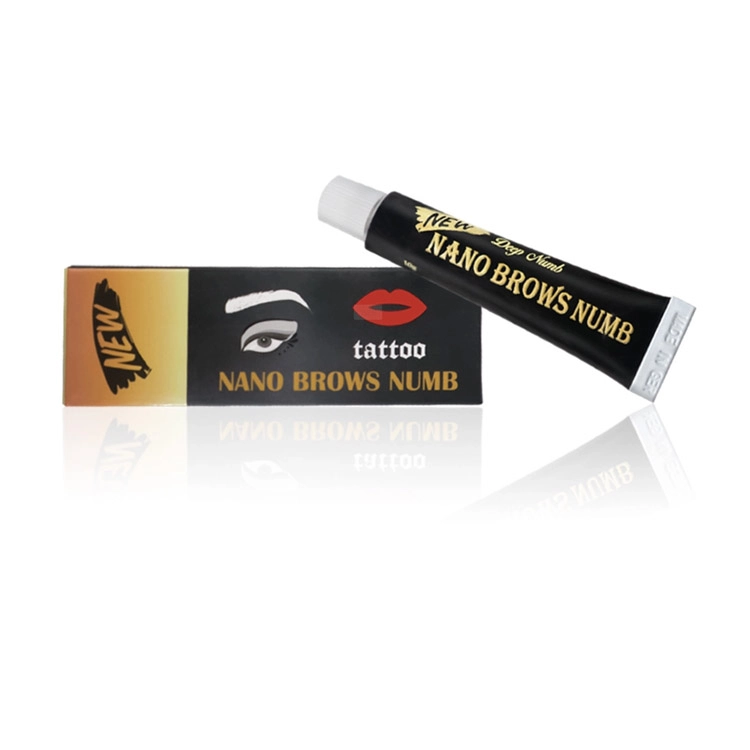
QM Makeup supplies the professional tools I demand: reliable tattoo machine and microblading equipment, stable semi-permanent makeup ink, tattoo skin for practice, and tattoo numb cream that is labeled with lidocaine concentrations. They also offer lash lift kits and eyelash extension products, allowing me to source comprehensive tattoo supplies and eyelashes false under one partner, which streamlines procurement and training.
Ordering, customization, and contact
For clinics that need private labeling or OEM processing, QM Makeup provides a one-stop solution to maximize brand value. If you want to explore product specifications or request formulation information, I direct colleagues to QM Makeup's website: https://www.qmmakeup.com or to contact them by email at [email protected] for technical documents, MSDS, and MOQ details.
Frequently Asked Questions
How long should I wait after applying a tattoo numbing cream before starting a procedure?
Wait times vary by product and skin site: expect 20–60 minutes for 4% lidocaine creams and 45–90 minutes for 2.5%/2.5% lidocaine-prilocaine on intact skin; adjust for thin or mucosal skin where onset is faster and systemic absorption higher.
Is a higher lidocaine percentage always better for pain control?
Not always. Higher percentages can increase systemic absorption and risk without proportionally greater local analgesia, especially on thin or inflamed skin. I aim for the minimal effective concentration and strict application limits.
Can I use tattoo numbing cream near the eyes for eyelash tattooing?
Yes, but with caution: use lower concentrations, reduce occlusion time, and avoid mucous membrane application. Always monitor the client closely and document the dose and time applied.
What are the signs of lidocaine toxicity or adverse reactions to watch for?
Watch for dizziness, tinnitus, perioral numbness, blurred vision, difficulty breathing, or altered mental status. For prilocaine-containing products, be aware of methemoglobinemia signs (cyanosis, shortness of breath) and seek emergency care promptly.
How should clinics store and document the use of tattoo numbing cream?
Store according to manufacturer instructions, keep batch numbers and expiry dates in client records, perform patch tests for at-risk clients, and maintain protocols for maximum cumulative dose and emergency response.
Contact QM Makeup at [email protected] or visit https://www.qmmakeup.com to discuss product specs, private labeling, or to view our full range of tattoo supplies.
Frequently Asked Questions
How long should I wait after applying a tattoo numbing cream before starting a procedure?
Wait times vary by product and skin site: expect 20–60 minutes for 4% lidocaine creams and 45–90 minutes for 2.5%/2.5% lidocaine-prilocaine on intact skin; adjust for thin or mucosal skin where onset is faster and systemic absorption higher.
Is a higher lidocaine percentage always better for pain control?
Not always. Higher percentages can increase systemic absorption and risk without proportionally greater local analgesia, especially on thin or inflamed skin. Aim for the minimal effective concentration and strict application limits.
Can I use tattoo numbing cream near the eyes for eyelash tattooing?
Yes, but with caution: use lower concentrations, reduce occlusion time, and avoid mucous membrane application. Always monitor the client closely and document the dose and time applied.
What are the signs of lidocaine toxicity or adverse reactions to watch for?
Watch for dizziness, tinnitus, perioral numbness, blurred vision, difficulty breathing, or altered mental status. For prilocaine-containing products, be aware of methemoglobinemia signs (cyanosis, shortness of breath) and seek emergency care promptly.
How should clinics store and document the use of tattoo numbing cream?
Store according to manufacturer instructions, keep batch numbers and expiry dates in client records, perform patch tests for at-risk clients, and maintain protocols for maximum cumulative dose and emergency response.


Instagram
Facebook
YouTube