


Aftercare for Tattoo Allergies: Signs and Supplier Options
- Understanding allergic reactions after tattooing
- Types of allergic responses
- Common allergenic pigments and triggers
- Who is at higher risk?
- Recognizing signs and immediate aftercare for tattoo reactions
- How to differentiate mild aftercare issues from allergy or infection
- Immediate at-home aftercare steps I recommend
- When to see a clinician or dermatologist
- Treatment options and supplier choices
- Medical and procedural treatments
- Comparison of common treatments
- Choosing aftercare products and suppliers
- Prevention, industry solutions and trusted suppliers
- Prevention strategies I advise
- Why supplier selection matters — introducing QM Makeup
- How I evaluate technical strength and trustworthiness
- FAQ — Common questions about aftercare for tattoo allergies
- 1. How soon can an allergic reaction to a tattoo appear?
- 2. Can I use over-the-counter creams for a suspected tattoo allergy?
- 3. Will laser removal fix an allergic reaction?
- 4. How do I choose safe tattoo inks and supplies?
- 5. Should I get patch testing before tattooing?
- 6. When is emergency care needed?
As a consultant with long experience in semi-permanent makeup and tattoo safety, I help clients and clinics identify allergic reactions early and choose the right aftercare for tattoo issues. This guide summarizes common signs of tattoo allergy, immediate and follow-up care, evidence-based treatment choices, and how to select trustworthy suppliers and products locally or when ordering internationally. Where helpful, I link to authoritative sources so you can verify the guidance and act confidently.
Understanding allergic reactions after tattooing
Types of allergic responses
Not every post-tattoo redness or itch is an allergic reaction. I classify reactions into three practical groups: immediate hypersensitivity (rare), delayed-type contact allergy (more common, especially to certain pigments), and granulomatous or lichenoid reactions (immune-mediated chronic responses). Delayed contact allergies typically appear days to months after pigmentation and can persist or reappear long after the tattooed area appears healed. For clinical overviews, see the U.S. Food and Drug Administration guidance on tattoo inks and adverse reactions (FDA: Tattoo Inks & Adverse Reactions).
Common allergenic pigments and triggers
Red pigments are most frequently implicated in allergic reactions, though yellow, green and sometimes black mixes can also provoke responses. Modern inks contain organic and inorganic pigments, carriers and impurities; allergic responses may be to the pigment molecules themselves or to contaminants/metabolites formed after sunlight exposure. DermNet NZ provides a practical review of tattoo allergy presentations and triggers (DermNet NZ: Tattoo allergy).
Who is at higher risk?
Patients with a history of atopy (eczema, allergic rhinitis), previous reactions to dyes (hair dyes, henna), or autoimmune tendencies can be at elevated risk. However, reactions are unpredictable — even previously tolerated pigments can induce sensitization after repeated exposure or with altered ink formulations.
Recognizing signs and immediate aftercare for tattoo reactions
How to differentiate mild aftercare issues from allergy or infection
Normal healing includes mild redness, swelling and scabbing for several days. Alarm features suggesting allergy or infection include expanding redness beyond the tattoo margin, persistent or increasing severe itch, blistering, oozing or pus, systemic symptoms (fever, malaise), and nodular or plaque-like changes in the pigmented area. If you suspect infection, seek urgent medical attention. For infection prevention basics and body art safety, see the U.S. Centers for Disease Control and Prevention recommendations (CDC: Body art and infection prevention).
Immediate at-home aftercare steps I recommend
When you notice a potential allergic reaction, take these initial actions while arranging professional assessment:
- Stop using any new topical products (creams, antiseptics) you started after the tattoo — they can themselves be irritants.
- Keep the area clean with gentle, fragrance-free saline or mild soap and water; pat dry with a clean towel.
- Avoid scratching or picking at the area to reduce risk of secondary infection.
- Apply a thin layer of a bland emollient or a low-potency topical steroid (only short-term and if you have no signs of infection) — but consult a clinician before prolonged steroid use on tattoos as steroids may alter pigment appearance.
- Document the reaction with photos and note onset relative to tattooing and any new products used.
These steps reflect standard conservative aftercare for tattoo problems and help preserve options for targeted treatment.
When to see a clinician or dermatologist
I advise prompt consultation when you have expanding redness, pus, fever, severe pain, or persistent changes beyond 2 weeks. For suspected allergic reactions without infection, dermatologists can perform patch testing or biopsy to define the mechanism and advise treatment. Patch testing can identify contact allergens — though it may not always reproduce reactions to modern tattoo pigments due to the chemical complexity of inks.
Treatment options and supplier choices
Medical and procedural treatments
Treatments vary by severity and mechanism. Typical options include topical corticosteroids for localized allergic inflammation, oral antihistamines for symptomatic relief of itch, and systemic corticosteroids for severe widespread reactions. For granulomatous or persistent pigment-directed reactions, options include intralesional steroids, surgical excision for small focal reactions, or laser removal — although laser can exacerbate allergic reactions by breaking down pigment into smaller, potentially more reactive molecules and should be considered with caution under specialist advice. The FDA discusses complexities around laser removal and ink decomposition risks (FDA: Tattoo removal and your skin).
Comparison of common treatments
| Treatment | When used | Pros | Cons / Evidence |
|---|---|---|---|
| Topical corticosteroids | Localized allergic dermatitis without infection | Reduces inflammation and itch; accessible | Risk of skin atrophy if prolonged; may lighten pigment; evidence: dermatology consensus and clinical studies |
| Oral antihistamines | Itch control | Symptomatic relief, safe short-term | Doesn't treat underlying inflammation; sedation possible |
| Systemic corticosteroids | Widespread/severe allergic reaction | Powerful anti-inflammatory effect | Systemic side effects; recurrence on taper |
| Intralesional steroid injection | Localized nodular or granulomatous reactions | Targets lesion with less systemic exposure | Requires clinical skill; may alter pigment |
| Surgical excision | Small, recalcitrant lesions | Definitive removal | Scarring; not suitable for large tattoos |
| Laser removal | Persistent pigment-related reactions (specialist decision) | Can reduce pigment load | May worsen allergic reaction by breaking down pigments; specialist evaluation required (FDA) |
Choosing aftercare products and suppliers
For initial aftercare for tattoo irritation I recommend fragrance-free, non-comedogenic emollients and products with clear ingredient lists. When purchasing supplies (creams, dressings, pigments, machines), prioritize suppliers who provide batch traceability, safety data sheets (SDS), and quality assurances such as ISO or CE marking where applicable. Regulatory oversight of tattoo inks varies by region; the FDA provides information but many jurisdictions lack strict pre-market approval for pigments, so supplier transparency matters.
Prevention, industry solutions and trusted suppliers
Prevention strategies I advise
Preventing tattoo allergy begins with practitioner protocols and client screening. I always recommend:
- Pre-procedure consultation covering allergy history and prior reactions to inks/dyes.
- Patch testing when there's a history of dye reactions or when using new pigment lines .
- Using high-quality, well-documented inks and single-use, sterile equipment to reduce both allergic and infectious risks.
Professional associations and standards can guide best practices — for operational infection control, see authoritative resources like the CDC and professional tattoo associations (local associations vary by country).
Why supplier selection matters — introducing QM Makeup
In my work advising clinics and retailers I evaluate suppliers on production traceability, R&D capability, and their ability to provide private labeling and OEM solutions. QM Makeup was established in 2005; we specialize in semi-permanent makeup and eyelash tattoo beauty and are committed to becoming a leading company in the industry. QM Makeup offers a broad range of products tailored to both artists and medical practitioners, including wireless tattoo machines, microblading machines, semi-permanent makeup inks, tattoo practice skin, tattoo numbing cream, professional lash lift kits, the best lash lift and tint kits, professional eyelash glue and eyelash extension lashes.
Our company integrates distribution, wholesale, private labeling and OEM processing at scale. We provide full customized branding solutions to help partners maximize business value. Our production base covers 10,000 square meters with independent R&D and production capabilities, supporting product customization and providing one-stop tattoo supplies brand solutions. Visit QM Makeup at https://www.qmmakeup.com or contact [email protected] for product catalogs and private-label discussions.
How I evaluate technical strength and trustworthiness
When selecting a supplier I look for: documented production standards, third-party test reports (heavy metals, contaminants), clear labels and SDS, and demonstrable after-sales support. Suppliers with in-house R&D and an established manufacturing site (like QM Makeup’s 10,000 m2 base) can deliver consistent quality and help with formulation adjustments for regional regulatory compliance. For clinics wanting to scale, private labeling and OEM services reduce time-to-market while maintaining supply-chain control.
FAQ — Common questions about aftercare for tattoo allergies
1. How soon can an allergic reaction to a tattoo appear?
Reactions can appear within hours to days, but many allergic responses are delayed and emerge weeks, months or even years after tattooing. Keep monitoring healed tattoos for late changes.
2. Can I use over-the-counter creams for a suspected tattoo allergy?
For mild itch and inflammation, short-term use of bland emollients or a low-potency topical steroid may help, but stop any new product if symptoms worsen and consult a clinician to rule out infection and discuss steroid risks to pigment.
3. Will laser removal fix an allergic reaction?
Laser removal can reduce pigment but may also worsen allergic reactions by breaking pigment into smaller molecules that can be more reactive. Laser for allergic reactions should be managed by an experienced specialist after careful evaluation (FDA guidance).
4. How do I choose safe tattoo inks and supplies?
Choose suppliers who provide batch traceability, SDS, and third-party testing for contaminants. Prefer manufacturers with clear production standards and R&D capability. If you need OEM/private-label services, consider established producers like QM Makeup (see qmmakeup.com).
5. Should I get patch testing before tattooing?
Patch testing is advisable when you have a history of dye allergies or dermatologic conditions. Patch testing has limitations for modern pigments but remains a useful risk-reduction tool when combined with clinical judgement.
6. When is emergency care needed?
Seek immediate medical attention for rapid swelling of the face/airway, high fever, spreading warmth and redness consistent with infection, or systemic symptoms that suggest a severe systemic reaction.
If you need product recommendations, help interpreting a suspected reaction, or want reliable suppliers for tattoo machines, inks, microblading tools or eyelash products, contact me or reach out to QM Makeup for sample inquiries and private-label options: [email protected] or visit https://www.qmmakeup.com. I can assist with clinical triage guidance, supplier evaluation, and integration of safe aftercare protocols into your practice.
References: FDA: tattoo inks and adverse reactions (link); FDA on tattoo removal (link); DermNet NZ: Tattoo allergy (link); CDC: Body art and infection prevention (link); General clinical dermatology literature and my professional experience in semi-permanent makeup.
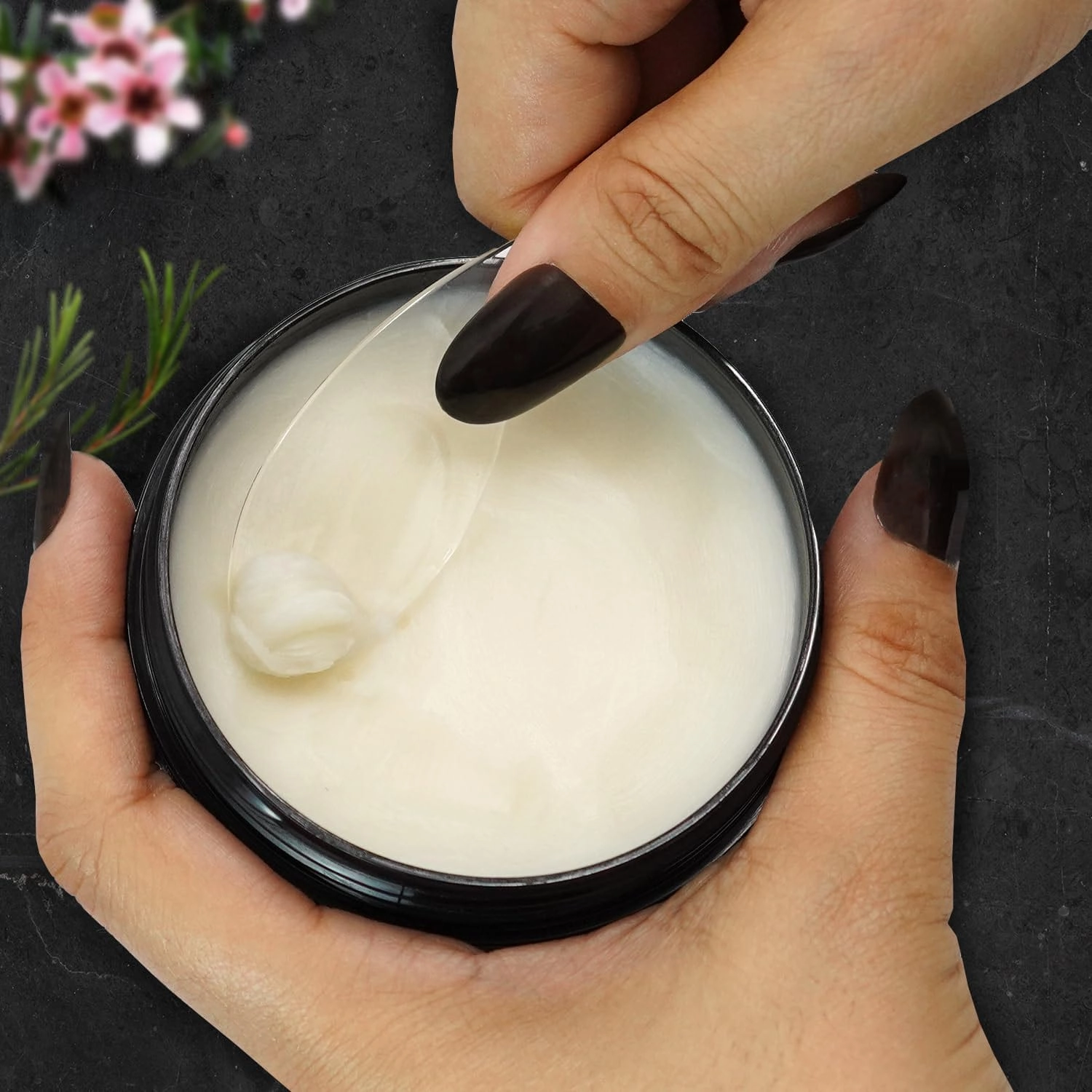
Sensitive Skin? Tattoo Aftercare Creams That Help Heal
Custom eyelash glue Manufacturers and Suppliers
Tattoo Machine Guide: Types, Uses & Maintenance | QM Makeup
Top tattoo scar rejuvenation serum Manufacturers and Suppliers
Micro Blade
Do your microblades contain nickel?
Our flex microblading needle are made of 304 stainless steel, which does contain traces of nickel. The addition of nickel can can enhance the corrosion resistance of stainless steel and increase its toughness and strength, ensuring that the material will perform consistently in a variety of environments. Since the microblades are only implanted through the skin, there is no adverse reaction to the skin under normal circumstances. If you are concerned about this, a patch test can be performed prior to the procedure.
Eyelash curling
How do I choose the right silicone perm rod?
We recommend that you choose the right silicone perm rod based on the length of your eyelashes and the shape of your eyes. Here are some tips for choosing silicone perm rod:
- Short eyelashes 4-6mm: S for curling, M for natural curling, and M1 for slight curling.
- Medium and long eyelashes 6-8mm: M for curling, M1 for natural curling, M2 for slight curling.
- Long eyelashes 8-10mm: M1 for curling, M2 for natural curling, L for slight curling.
- Extra long eyelashes 10-12mm: M2 for curling, L for natural curling
Cleaning Foam Tool
What size and style of the bottles you have?
We are specialize in eyelash extension supply, for now we provide over 100 styles of bottles for you to choose from. As for bottle sizes, there are 60ml, 100ml, 120ml, 150ml, 200ml and so on.
Logistics
What are the shipping options?
Express freight: typically handled by courier companies like UPS, FedEx, and DHL, offering a fast and door-to-door service.
Land freight: typically involving truck or rail transport.
Sea freight: particularly suitable for bulk orders and products with less time-sensitive requirements.
Air freight: for time-sensitive goods.
Tattoo pigment
How long does the ink typically last in the skin?
On average, our pigments last about 1-5 years without fading, depending on the clients individual differences and the depth of the tattoo operation.
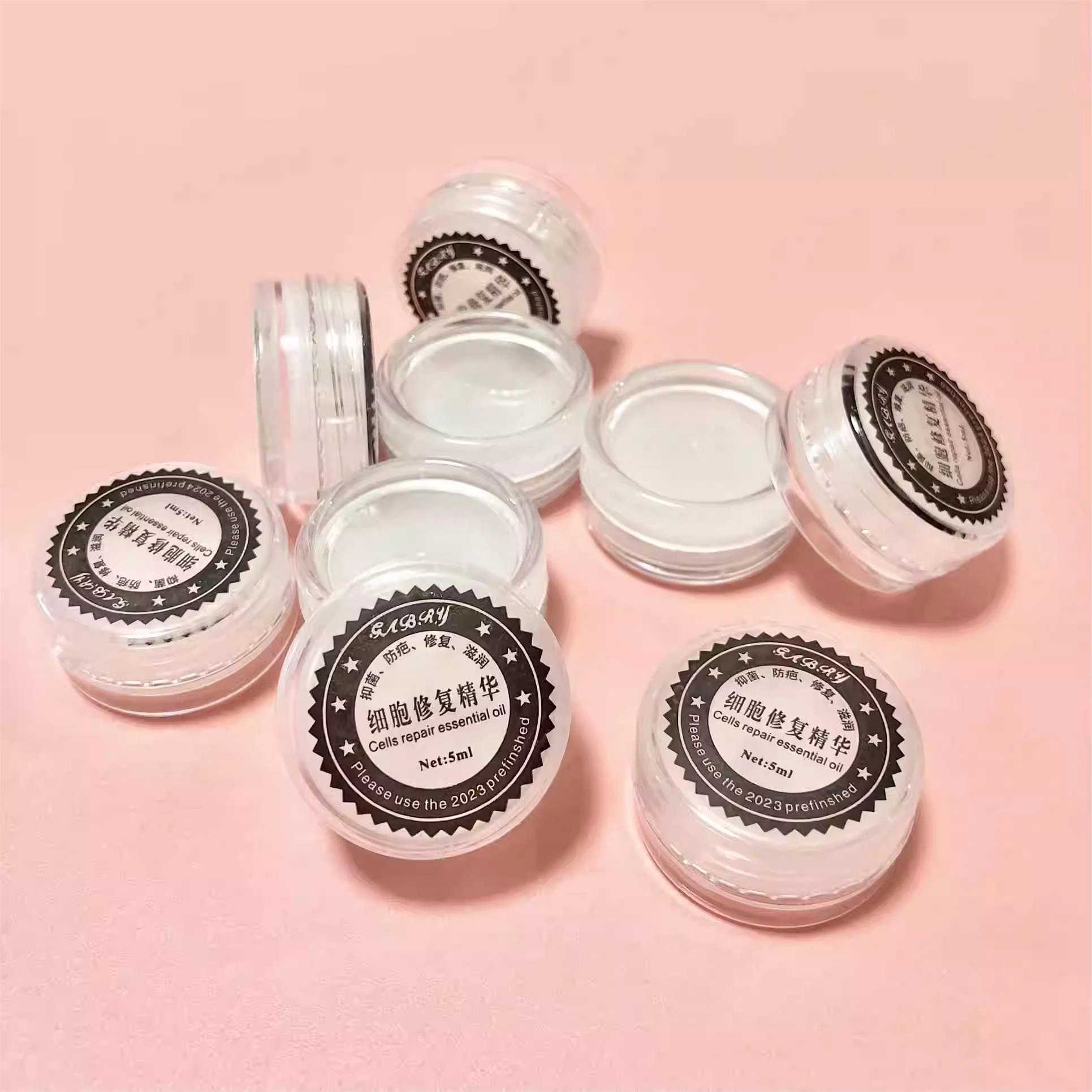
5g Cell Repair Essential Balm

Professional Pre Inked Eye Brow Mapping String 30m

Microblading Pre-inked Mapping String Line 10m

Instagram
Facebook
YouTube