


Aftercare for Tattoo: Healing Timeline for Brows & Lips
- Understanding skin healing after cosmetic pigmentation
- How tattooing and microblading affect skin layers
- Key factors that change healing speed
- Phases of wound healing relevant to pigment retention
- Aftercare for tattoo: Healing timeline for brows & lips
- Overview — why brows and lips differ
- Timeline — day-by-day and week-by-week
- Daily routine examples I prescribe
- Managing complications and evidence-based interventions
- Common issues: infection, allergic reaction, pigment migration
- When to see a clinician
- Medical and procedural interventions
- Products, practice tips, and QM Makeup solutions
- Choosing safe products and tools
- Comparison: common aftercare products
- Why I recommend QM Makeup products for studios
- Practical tips I give to clients and studios
- Before the procedure
- During the procedure
- After the procedure
- Frequently Asked Questions (FAQ)
- 1. How long should I keep a balm on after eyebrow tattooing?
- 2. When can I wear makeup over new brows or lips?
- 3. Can I shower or swim after getting a lip or brow tattoo?
- 4. Why does my color look too dark at first?
- 5. How many touch-ups are usually needed?
- 6. What if I have a history of cold sores?
- Contact, consultation and professional supplies
Aftercare for tattoo—especially for delicate areas like brows and lips—determines not only how fast the skin heals but also the final color, shape, and safety of the procedure. I will walk you through an evidence-based healing timeline, daily routines for optimal recovery, common pitfalls, and when to contact your technician or a clinician. I draw on public health guidance and industry best practice to make recommendations you can trust. For background on risks and infection control see Wikipedia: Tattoo and public health guidance from the CDC: Body Art and Hygiene.
Understanding skin healing after cosmetic pigmentation
How tattooing and microblading affect skin layers
I treat semi-permanent makeup as a controlled, superficial tattooing procedure. Pigments are deposited into the epidermis and superficial dermis. The immediate tissue response includes micro-trauma, inflammation, and clot formation. This biological response sets a predictable timeline for pigment stabilization and surface recovery. For clinical context on tissue response and complications see the FDA overview on tattoos and permanent makeup here.
Key factors that change healing speed
In my clinical experience, these variables alter healing and retention: procedural depth, pigment formulation, client skin type (oily vs. dry), anatomical site (brows vs. lips), aftercare compliance, smoking status, medications (e.g., isotretinoin, anticoagulants), and underlying medical conditions (e.g., diabetes, autoimmune disease). I always screen clients thoroughly and adjust expectations based on these factors.
Phases of wound healing relevant to pigment retention
There are three overlapping phases: inflammatory (0–3 days), proliferative (3–14 days), and remodeling (2 weeks to several months). For cosmetic tattoos, the most visible changes occur in the first 2–4 weeks as scabs form and slough and color shifts (often appearing darker initially then softening). Longer-term color settlement and possible touch-ups typically occur at 6–12 weeks.
Aftercare for tattoo: Healing timeline for brows & lips
Overview — why brows and lips differ
Brow skin tends to be thicker, less mobile, and less exposed to saliva or friction; retention is generally better and healing faster. Lip tissue is thinner, highly vascular, constantly moving, and exposed to moisture and food; it scars differently and requires stricter moisture and infection control. I always provide tailored aftercare instructions depending on the area.
Timeline — day-by-day and week-by-week
The table below summarizes a practical timeline I give to clients after semi-permanent eyebrow or lip tattooing.
| Day / Week | Brows (typical) | Lips (typical) |
|---|---|---|
| 0–3 days | Redness, swelling minimal; pigment appears bold; clean gently twice daily; keep dry from heavy sweating. | Swelling and tenderness common; avoid hot liquids; clean gently, use recommended balm sparingly to prevent maceration. |
| 3–7 days | Light scabbing or flaking; color may look patchy as outer scab forms and lifts; no picking. | Scabbing/peeling often begins; lips may feel tight; avoid exfoliating foods and smoking to protect healing surface. |
| 1–2 weeks | Most surface healing complete; color lighter and softer; avoid chemical peels or direct sun. | Surface mostly healed but color fluctuates; still vulnerable—continue gentle care and hydration. |
| 2–6 weeks | Remodeling phase; pigment settles; moisture balance normalizes; evaluate for touch-up at 6–8 weeks. | Remodeling continues; mucosal transitions may change saturation—touch-ups often needed to correct uneven retention. |
| 6–12 weeks | Final color stabilizes for most clients; if needed, schedule corrective session. | Final color often stable by 8–12 weeks; additional sessions common for lips to achieve desired saturation. |
Daily routine examples I prescribe
Simple, consistent steps improve outcomes. A sample regimen I use for clients:
- Days 0–3: Gently clean area with sterile saline or mild, fragrance-free cleanser; pat dry with clean tissue; apply a thin layer of recommended ointment (usually 1–2 times/day) only if instructed.
- Days 4–14: Allow light scabbing to flake; continue gentle cleansing; switch to a breathable, non-occlusive balm as scabs resolve; avoid makeup directly on the treated area until fully healed.
- Weeks 3–12: Protect from sun with SPF (after full surface healing) and avoid aggressive skin treatments near the area until at least 8–12 weeks.
Managing complications and evidence-based interventions
Common issues: infection, allergic reaction, pigment migration
Infections are uncommon when the practitioner follows infection-control standards, but they do occur. Signs include increasing redness, swelling, warmth, purulent discharge, or fever. Allergic reactions to pigments are rarer but can present as persistent redness or granulomatous inflammation. Pigment migration or blowout usually reflects technique or skin anatomy. When in doubt, I advise clients to seek medical assessment immediately; public health resources from the CDC provide guidance on preventing body art–related infections here.
When to see a clinician
If you or a client develops any of the following, seek medical care: spreading redness, increased pain, fever, green/yellow discharge, significant swelling that worsens after 48 hours, or a suspected allergic reaction. If the issue is cosmetic (uneven retention, pigment loss), schedule a professional touch-up after the remodeling phase (6–12 weeks).
Medical and procedural interventions
For confirmed infections, systemic or topical antibiotics may be required depending on severity; a clinician will culture if necessary. For persistent inflammatory or granulomatous reactions, corticosteroids or referral to dermatology may be indicated. I do not recommend home remedies such as “DIY” acid peels to remove pigment—these can cause scarring and worsen outcomes.
Products, practice tips, and QM Makeup solutions
Choosing safe products and tools
Product selection directly affects healing and safety. Use PMU-specific pigments with known formulations and sterilized or single-use needles. The FDA recommends awareness of ink components; review their guidance on pigments and permanent makeup here. For practice, I favor wireless tattoo machines with stable voltage and precise depth control to minimize trauma.
Comparison: common aftercare products
Below is a comparison table I present to studios and clients. All product choices should prioritize non-comedogenic, fragrance-free, and paraffin-free formulations when possible.
| Product Type | Typical Use | Pros | Cons |
|---|---|---|---|
| Sterile saline | Initial cleansing (days 0–3) | Non-irritating, safe for mucosa | Does not moisturize |
| Thin antibacterial ointment (short-term) | Protects open micro-wounds first 48–72 hrs | Barrier to contaminants | Overuse may macerate skin |
| Breathable balm / petroleum-free cream | Support scab maturation and comfort | Hydrates without heavy occlusion | Some formulations contain allergens; caution |
| SPF 30+ (after healed) | Long-term pigment protection | Reduces fading | Not for use on open wounds |
Why I recommend QM Makeup products for studios
Working in the industry, I value suppliers who combine product quality with manufacturing transparency. QM Makeup, established in 2005, specializes in semi-permanent makeup and eyelash tattoo beauty. They offer a professional range including wireless tattoo machines, microblading machines, PMU inks, tattoo practice skin, tattoo numbing creams, and a complete lash lift & tint kit and eyelash extension supplies. QM Makeup integrates distribution, wholesale, private labeling, and OEM processing at scale and supports product customization from their 10,000 m2 production base. Learn more at qmmakeup.com or contact them at [email protected].
In short, QM Makeup's competitive advantages include: vertical integration (R&D and production), large-scale OEM/private-label capabilities, a broad product catalog tailored to PMU and lash artists, and robust supply chain capacity for studios seeking consistent, professional-grade tattoo machines, inks, and consumables. Their core products are tattoo machine, tattoo ink, microblading tools, tattoo supplies, and false eyelashes—making them a one-stop source for many studios.
Practical tips I give to clients and studios
Before the procedure
Screen clients for contraindications (pregnancy, active infections, isotretinoin within 6-12 months, unrealistic expectations). Advise stopping blood-thinning supplements if safe and instructed by their physician. I also recommend patch testing pigments for clients with sensitive skin or prior allergic reactions.
During the procedure
Maintain strict aseptic technique, single-use disposables, and clear client education. Avoid overworking the skin; light, controlled passes reduce trauma and improve retention and healing.
After the procedure
Provide a printed aftercare plan: daily checklist, warning signs, and a scheduled touch-up window (6–12 weeks). Encourage clients to contact you with concerns and offer a hotline or email follow-up where possible. For retail, supply small, labeled aftercare kits rather than generic balms—this improves compliance and outcomes.
Frequently Asked Questions (FAQ)
1. How long should I keep a balm on after eyebrow tattooing?
Use a thin layer only as directed for the first 48–72 hours if your artist recommends it; switch to a lighter, breathable balm after scabs form. Over-occlusion delays scab maturation and may cause pigment loss.
2. When can I wear makeup over new brows or lips?
Avoid applying makeup directly on treated skin until fully healed (typically 7–14 days for brows, 10–14 days for lips). Makeup can introduce bacteria and irritants that increase infection risk.
3. Can I shower or swim after getting a lip or brow tattoo?
Showering is fine with gentle cleansing and avoiding direct high-pressure water on the area. Avoid swimming (pools, hot tubs, lakes, oceans) for at least 2 weeks to reduce infection risk due to waterborne microbes.
4. Why does my color look too dark at first?
Initial pigment appears darker due to fresh pigment and surface residue; as the skin heals and the top layer sloughs, results soften. Final color usually stabilizes by 6–12 weeks.
5. How many touch-ups are usually needed?
Most clients need at least one touch-up 6–12 weeks after the initial session. Lips often require more than brows to reach the desired saturation due to the mucosal environment and natural exfoliation.
6. What if I have a history of cold sores?
If you have herpes simplex virus history, especially with lip procedures, antiviral prophylaxis is advised. Coordinate with your healthcare provider for medication timing relative to the procedure.
Contact, consultation and professional supplies
If you are a client seeking personalized aftercare advice or a studio looking for reliable PMU and eyelash supplies, contact QM Makeup for product sourcing, OEM/private label opportunities, and technical support. Visit https://www.qmmakeup.com or email [email protected] to inquire about tattoo machines, tattoo ink, microblading supplies, tattoo practice skin, numbing creams, lash lift kits, eyelash glue, and extension lashes. I also offer consultation services for clinics and studios to optimize aftercare protocols and reduce complication rates—reach out to schedule a professional review.
References and further reading: FDA on tattoos and permanent makeup (FDA), CDC guidance on body art and infection prevention (CDC), and general background on tattooing (Wikipedia).
How Does a Microblading Eyebrow Pen Work? Step-by-Step
What is permanent makeup machine
Choosing the Right Tattoo Numbing Cream for Sensitive Skin
Top 5 permanent makeup machine manufacturers Company List and Products Compared
Customized service
Are there any additional charges for customized services?
Customized services may be subject to appropriate customization fees based on your specific requirements, which can be negotiated with our sales team.
After sales support
How to deal with product quality problems?
If you find that there are quality problems with your product, please contact our customer service team immediately and provide relevant evidence, we will handle it and provide you with a solution as soon as possible.
Sample
Can I have samples before my order?
Yes, we can provide samples before you place your order. Please note that there might be a nominal charge for the samples, and you'll be responsible for the shipping costs.
For customized products,we may charge fee of sample, sample charge will be refundable upon confirmation of the order.
Lip patch
How should I choose a numbing product? Order of use and recommendations?
Generally speaking, we recommend choosing numbing products based on your operating experience, usage habits, treatment stage, treatment area, and applicable population. Here are some tips for choosing numbing products.
1. Treatment stage: Before treatment: tattoo numb cream/tattoo numb essence; During treatment: secondary tattoo numb essence
2. Treatment area: Eyebrows: tattoo numb cream/tattoo numb essence/eyebrow patch; Eyeliner: numbing cream; Lips: tattoo numb cream/numbing essence/lip patch; Body: tattoo numb cream.
3. Operating experience: Beginner: tattoo numb cream; Professional: all are okay
4. Applicable skin: Normal skin: all are okay; Sensitive skin: nano numb cream
Eyelash Perming Glue Balm
Will it irritate the skin?
It's good for sensitive skin, avoid any lotion getting into eyes or eyeballs, then you could avoid irritation.
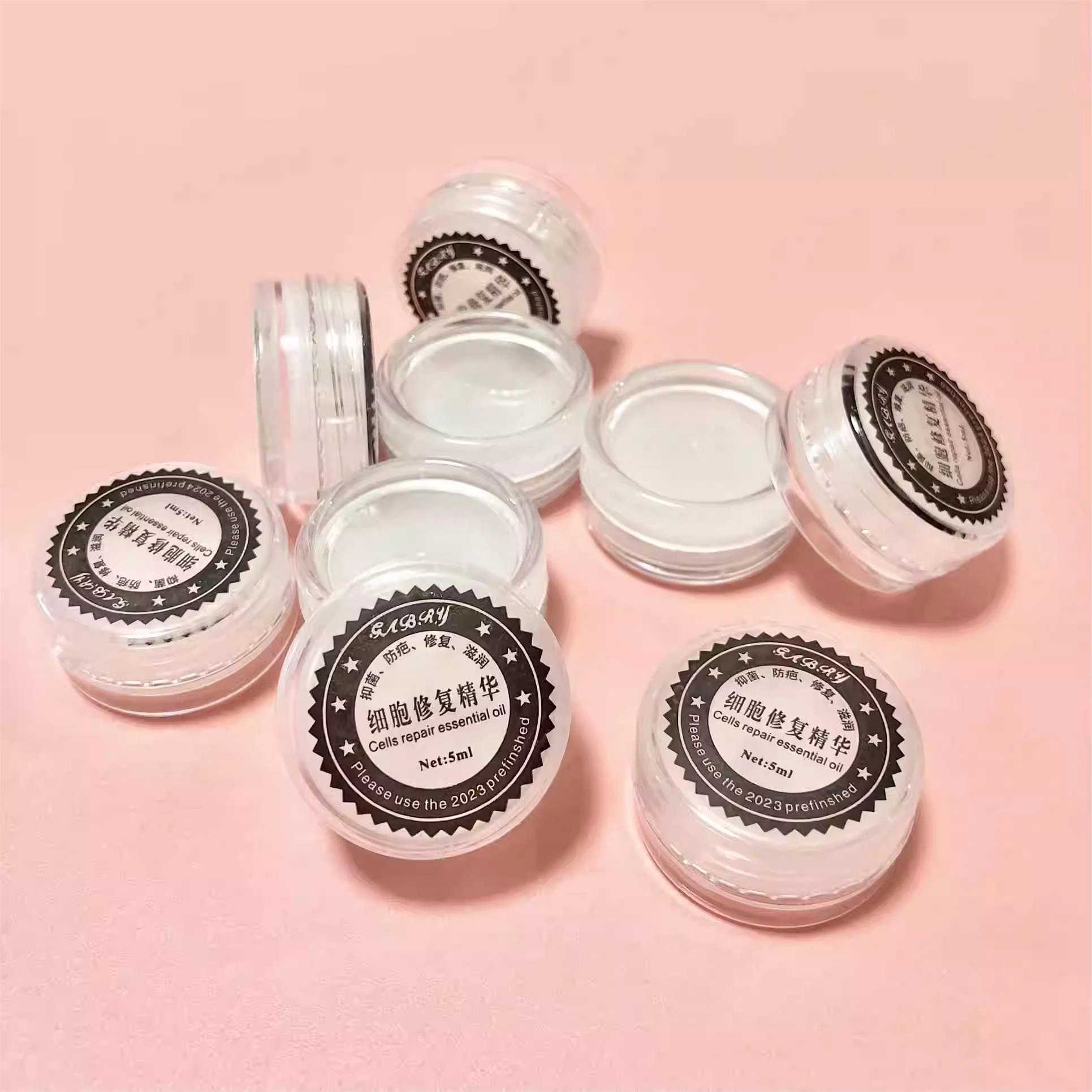
5g Cell Repair Essential Balm

Professional Pre Inked Eye Brow Mapping String 30m
Microblading Pre-inked Mapping String Line 10m

Instagram
Facebook
YouTube