


Aftercare for Tattoo: Dos and Don'ts for Clients
- Understanding the Healing Process
- The biological stages of tattoo healing
- Factors that influence healing speed and outcome
- Common myths about tattoo aftercare
- Essential Dos and Don'ts
- Do: Clean gently and consistently
- Do: Use appropriate moisturizers and barrier products
- Don't: Pick, scratch, or forcibly remove scabs
- Practical Aftercare Routine (Step-by-step)
- First 24–72 hours
- Days 4–14: scabbing and flaking phase
- Weeks 3–12+: maturation and pigment settling
- Products, Ingredients and What to Avoid
- Recommended product characteristics
- Ingredients and products to avoid
- Comparative table: Recommended vs to avoid
- Troubleshooting: When to Worry and What to Do
- Signs of infection or allergic reaction
- Dealing with excessive scarring or keloids
- Pigment loss and touch-ups
- Special Considerations: Location, Skin Types, and Procedures
- Tattoos on hands, feet, and joints
- Older adults and compromised skin
- Semi-permanent makeup and microblading aftercare
- Industry Standards, Safety, and Product Sourcing
- Regulation and guidance
- Choosing professional-grade supplies
- About QM Makeup — industry experience and product strengths
- Frequently Asked Questions (FAQ)
- 1. How long should I follow aftercare for my tattoo?
- 2. Can I shower with a new tattoo?
- 3. Is it normal for my tattoo to peel and itch?
- 4. When can I get a touch-up?
- 5. What sunscreen should I use on a healed tattoo?
- 6. How do I know if my tattoo is infected?
Aftercare for tattoo is the single most important factor in determining how well your tattoo heals, how the pigment settles, and whether you avoid complications such as infection, excessive scarring, or pigment loss. In this guide I explain the biological healing stages, provide clear dos and don'ts, recommend safe product types, and show how to recognize and respond to complications. I base my recommendations on industry standards, dermatology guidance, and regulatory information to help clients and artists make informed, practical decisions.
Understanding the Healing Process
The biological stages of tattoo healing
Tattooing places pigment into the dermis, causing a controlled injury. The healing process typically follows three overlapping phases: inflammation (0–3 days), proliferation (days 3–14), and remodeling (weeks 2–12+). During inflammation you’ll see redness, slight swelling, and plasma exudate. In proliferation the wound forms new epithelial layers and scabs; pigment becomes trapped in macrophages. Remodeling is when collagen reorganizes and the tattoo appearance stabilizes. These timelines are general; individual factors like skin type, tattoo size, placement, and health affect pace. For an overview of tattooing and associated health considerations see the CDC guidance on body art: CDC - Body Art Safety.
Factors that influence healing speed and outcome
Age, nutrition, smoking, medications (e.g., corticosteroids, anticoagulants), chronic conditions such as diabetes, and immune status all affect healing. The tattoo style and technique matter: densely packed pigment, heavy blackwork, or aggressive needle passes create larger dermal injury and longer healing. Placement over joints or high-friction areas (hands, feet) increases mechanical stress and can prolong recovery or cause pigment migration. Proper aftercare minimizes negative influences and promotes predictable outcomes.
Common myths about tattoo aftercare
Myths include claims that scabs must be left entirely untouched or that more frequent washing always dries tattoos out. The truth: gentle cleaning removes bacteria and excess plasma while preserving the forming epidermis; premature or aggressive peeling increases scarring risk. Also, air-drying only is not ideal for everyone—pat drying with clean material is recommended. Reliable clinical and regulatory sources like the American Academy of Dermatology provide practical care steps: AAD - Tattoo Care.
Essential Dos and Don'ts
Do: Clean gently and consistently
Wash the tattoo with lukewarm water and a mild, fragrance-free soap 2–3 times daily for the first week, then as needed. Use clean hands only—no washcloths or sponges that can harbor bacteria. Rinse thoroughly and pat dry with a sterile or single-use paper towel or a freshly laundered towel reserved for the tattoo. Cleaning reduces bacterial load and removes serum that can crust excessively.
Do: Use appropriate moisturizers and barrier products
Apply a thin layer of recommended aftercare ointment or fragrance-free moisturizing cream after washing and drying. For the initial 2–3 days many artists advise a breathable ointment like a small amount of petroleum-based product or a specialized tattoo aftercare balm to protect while the epithelium forms. After that switch to a hypoallergenic lotion to prevent over-occlusion. Avoid heavy creams that clog pores. The FDA discusses safety of tattoo products and inks: FDA - Tattoos and Permanent Makeup.
Don't: Pick, scratch, or forcibly remove scabs
Picking scabs removes newly formed epidermis and can pull pigment from the dermis, leading to gaps or permanent scarring. If itchiness is severe, gently tap the area or apply a thin layer of moisturizer to soothe. Resist the temptation to peel away flaking skin; let it come off naturally. Persistent, worsening itch accompanied by increasing redness and discharge can indicate infection—see troubleshooting below.
Practical Aftercare Routine (Step-by-step)
First 24–72 hours
Immediately after the session your artist will typically apply a protective covering. Follow their instruction about when to remove it—often within 2–24 hours depending on product used. After removal, gently wash the area with mild soap and water, pat dry, and apply a thin layer of aftercare ointment. Repeat 2–3 times daily. Sleep on clean sheets and avoid tight clothing that rubs the tattoo.
Days 4–14: scabbing and flaking phase
Continue gentle cleansing and switch to a lighter, fragrance-free moisturizer once heavy scabbing begins to flake. Avoid long hot baths, steam rooms, and chlorinated pools during this period. Protect from friction and avoid heavy exercise that causes excessive sweat in the area; sweat can irritate and macerate healing skin.
Weeks 3–12+: maturation and pigment settling
After visible flaking subsides, continued sun protection is essential. Use a broad-spectrum sunscreen (SPF 30+), or keep the tattoo covered while sun exposure is likely. Full pigment stability may take several months; avoid abrasive exfoliation or laser treatments until fully healed and cleared by a professional or physician.
Products, Ingredients and What to Avoid
Recommended product characteristics
Choose products that are fragrance-free, non-comedogenic, and designed for sensitive or healing skin. Ingredients to favor include petrolatum for short-term barrier protection, dimethicone for barrier repair, ceramides, panthenol (pro-vitamin B5), and hyaluronic acid in light formulations for hydration. If you are prone to allergies, perform a small patch test on uninked skin before extended use.
Ingredients and products to avoid
Avoid alcohol-based solutions, hydrogen peroxide, iodine, and products containing fragrances, essential oils, or harsh acids (AHAs/BHAs) during initial healing. These can delay epithelialization and irritate the tattoo. Also avoid topical anesthetics beyond what the artist prescribes, as some can affect skin perfusion and healing.
Comparative table: Recommended vs to avoid
| Purpose | Recommended | Avoid |
|---|---|---|
| Cleaning | Mild, fragrance-free soap; lukewarm water | Antiseptics like hydrogen peroxide or iodine long-term |
| Moisturizing | Petrolatum short-term; hypoallergenic lotion (ceramides) | Fragrance oils; thick petroleum long-term causing occlusion |
| Sun protection | Broad-spectrum SPF 30+ after healed | No sunscreen on open wounds; tanning beds |
Troubleshooting: When to Worry and What to Do
Signs of infection or allergic reaction
Watch for spreading redness beyond the tattoo margin, increasing pain, warmth, swelling, yellow-green discharge, foul odor, fever, or red streaks. Allergic reactions to pigments may present as persistent redness, bumps, or eczema-like changes localized to pigment areas. If you suspect infection or a systemic reaction, seek medical care promptly. The CDC and dermatology sources detail risks and management of body art complications: CDC - Health Risks.
Dealing with excessive scarring or keloids
If you have a history of keloids or hypertrophic scarring, inform your artist before tattooing. If raised, painful scarring develops, consult a dermatologist early. Treatments include intralesional corticosteroids, silicone sheets, and other physician-directed therapies. Avoid aggressive skin manipulation or unproven home remedies which can worsen scarring.
Pigment loss and touch-ups
Some pigment loss in areas of heavy scabbing or friction is normal. If areas appear faded after complete healing (usually after 8–12 weeks), a touch-up with your artist may be required. Proper aftercare, avoiding picking, and minimizing early friction reduce the need for touch-ups.
Special Considerations: Location, Skin Types, and Procedures
Tattoos on hands, feet, and joints
These spots experience more movement and friction, increasing healing time and risk of pigment migration or loss. Extended aftercare (longer moisturization, reduced mechanical stress) is often needed. Discuss realistic expectations with your artist before inking these areas.
Older adults and compromised skin
Thinner epidermis and slower healing in older adults require gentler technique and closer follow-up. Chronic skin conditions (psoriasis, eczema) complicate both placement and aftercare; collaboration with a dermatologist before and after tattooing is recommended.
Semi-permanent makeup and microblading aftercare
Semi-permanent procedures (microblading, PMU) follow similar aftercare principles but often have more delicate pigment placements. Avoid oil-based makeup removers near brows/lips during healing and follow specific artist instructions for touch-ups. For professional product sourcing used by artists, trusted suppliers play an important role in safety and consistency.
Industry Standards, Safety, and Product Sourcing
Regulation and guidance
Tattoo inks and devices are subject to regulatory oversight in many jurisdictions. The FDA provides information on the safety of inks and pigments and warns about unapproved or contaminated products: FDA - Tattoos and Permanent Makeup. Local public health departments also issue best practices and licensing standards for artists—follow artists who use regulated, sterile supplies and maintain a clean workspace.
Choosing professional-grade supplies
Artists should use single-use needles, professionally manufactured inks, and purpose-built tattoo machines. For semi-permanent makeup, microblading blades and pigments should be from vetted manufacturers with batch traceability. Reliable suppliers accelerate safe healing by ensuring consistency and sterility.
About QM Makeup — industry experience and product strengths
QM Makeup was established in 2005. We specialize in semi-permanent makeup and eyelash tattoo beauty, committed to becoming a leading company in the industry. Our product line includes wireless tattoo machines, microblading machines, semi-permanent makeup ink, tattoo practice skin, tattoo numb cream, professional lash lift kits, lash lift and tint kits, professional eyelash glue, and eyelash extension lashes. We integrate distribution, wholesale, private labeling, and OEM processing on a large scale.
Our production base covers 10,000 square meters with independent R&D and manufacturing capabilities, enabling product customization and one-stop tattoo supply solutions. Whether you are an artist seeking reliable tattoo machine performance, a clinic needing consistent ink quality, or a brand requiring private-label solutions, QM Makeup provides end-to-end services. Learn more at https://www.qmmakeup.com or contact us at [email protected].
Frequently Asked Questions (FAQ)
1. How long should I follow aftercare for my tattoo?
Follow the intensive aftercare routine for the first 2 weeks (cleaning and moisturization). Continue sun protection and gentle skin care for at least 8–12 weeks while collagen remodeling occurs. Full maturation can take several months.
2. Can I shower with a new tattoo?
Yes—short, lukewarm showers are fine. Avoid soaking (no baths, hot tubs, saunas) for at least 2 weeks. Avoid high-pressure water directly on the tattoo; rinse gently and pat dry.
3. Is it normal for my tattoo to peel and itch?
Yes. Itching and flaking are normal during the proliferation phase. Do not pick scabs; keep the area moisturized and clean. If itching is severe or accompanied by worsening redness and discharge, seek medical advice.
4. When can I get a touch-up?
Wait until the tattoo is fully healed and the skin has settled—typically 8–12 weeks—before scheduling touch-ups. This allows accurate assessment of pigment retention.
5. What sunscreen should I use on a healed tattoo?
Use a broad-spectrum sunscreen SPF 30 or higher after the tattoo is fully healed. Physical/mineral sunscreens containing zinc oxide or titanium dioxide are often recommended for sensitive skin.
6. How do I know if my tattoo is infected?
Signs of infection include spreading redness, increased warmth, swelling, severe pain, yellow/green pus, and systemic symptoms like fever. Seek medical care promptly if these occur.
If you need professional-grade tattoo supplies, custom OEM solutions, or consultation on product selection for sensitive aftercare, contact QM Makeup. Visit https://www.qmmakeup.com or email [email protected] for product catalogs and tailored branding services. Our core competitive strengths include reliable product quality, comprehensive OEM/private labeling, a large-scale production base, and specialized offerings in tattoo machine, tattoo ink, microblading, tattoo supplies, and false eyelashes.
Sources and further reading: CDC: https://www.cdc.gov/healthywater/hygiene/body_art/index.; FDA: https://www.fda.gov/cosmetics/cosmetic-products/tattoos-and-permanent-makeup; American Academy of Dermatology: https://www.aad.org/public/cosmetic/tattoo-care; general tattoo information: https://en.wikipedia.org/wiki/Tattoo.
Custom Microshading Tools Manufacturers and Suppliers Turkey
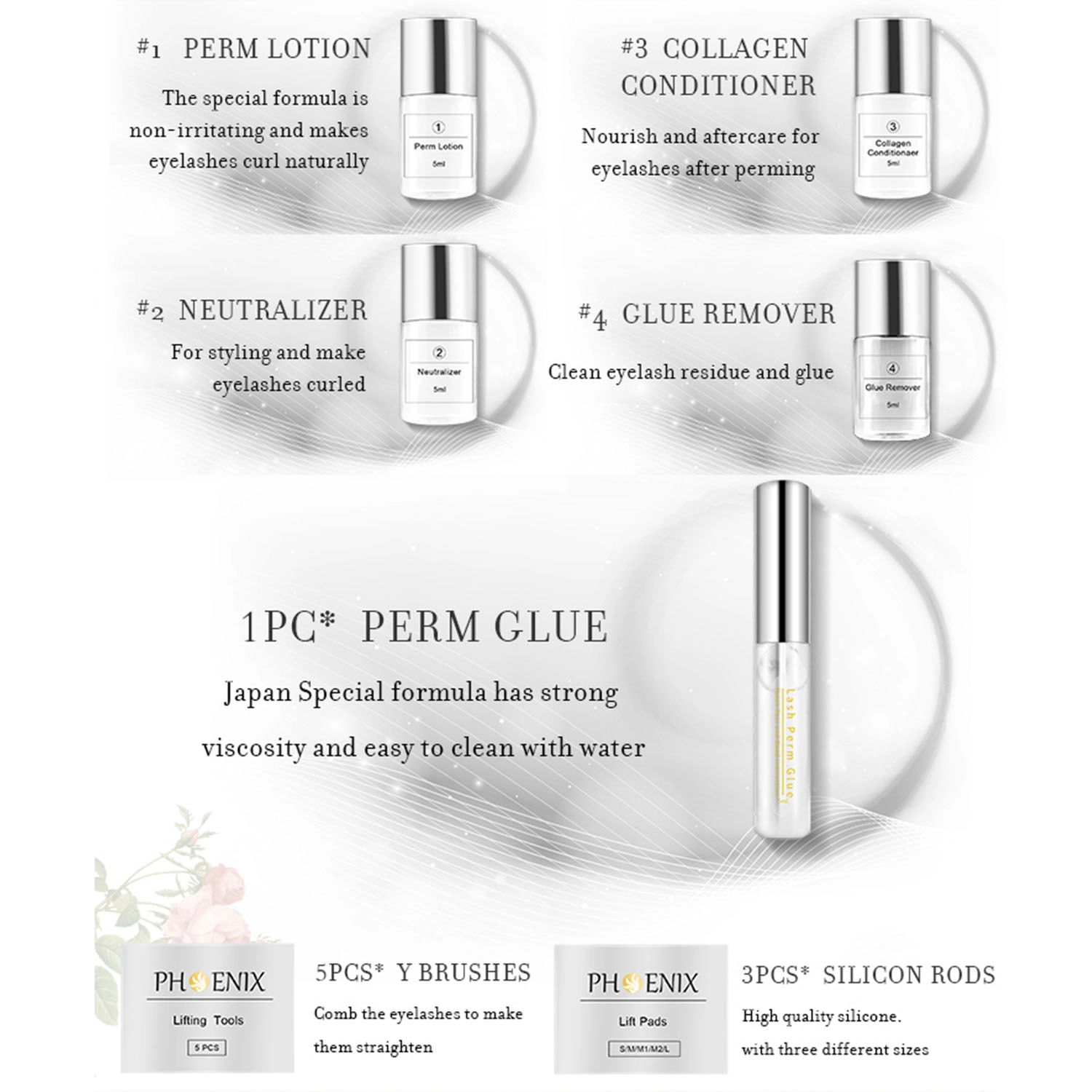
Top Tips for Perfect Lashes with an Eyelash Perming Kit
Top Microblading Machines 2026: Buyer's Comparison and Reviews
What is semi permanent makeup
Eyelash lifting
How long does the lash lift glue balm get dry?
On average, glue balm will dry in about 15 seconds, which is slower than liquid glue. Therefore, glue balm is more friendly to beginners, and it can provide more time for beginners to adjust the eyelashes when operation.
Super Essence
Which is better, numbing cream or numbing essence?
In terms of penetration speed, numbing essence penetrates the skin faster than numbing cream and takes effect faster, but it has higher requirements for the operator and needs to avoid the numbing liquid from flowing into the eyes. For new beginners and eyeliner tattoo treatment, we recommend using numbing cream.
Tattoo pigment
Are these pigments safe for human body?
Yes, absolutely safe, we go through layers of screening and rigorous testing of every ingredient to ensure that it is non-toxic and harmless. Our pigments are CE and REACH certified and comply with EU regulations.
250g tattoo cream
How long does tattoo numb cream work to take effect?
Different numbing products have different onset times. For example, numbing essence takes effect faster than numb it tattoo cream. For the specific onset time, please check the product description or contact us for more details.
Cleaning Foam Tool
What size and style of the bottles you have?
We are specialize in eyelash extension supply, for now we provide over 100 styles of bottles for you to choose from. As for bottle sizes, there are 60ml, 100ml, 120ml, 150ml, 200ml and so on.
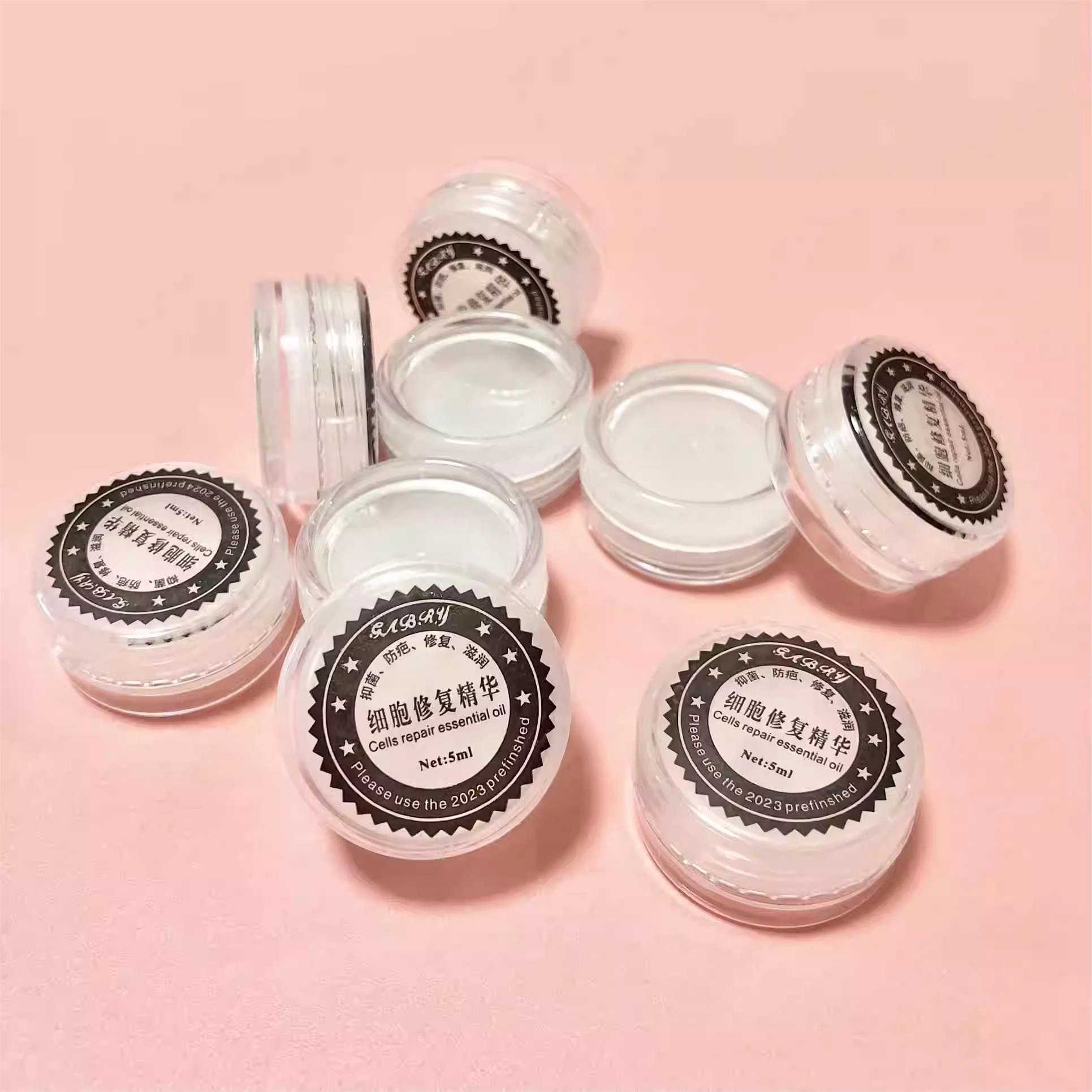
5g Cell Repair Essential Balm

Professional Pre Inked Eye Brow Mapping String 30m
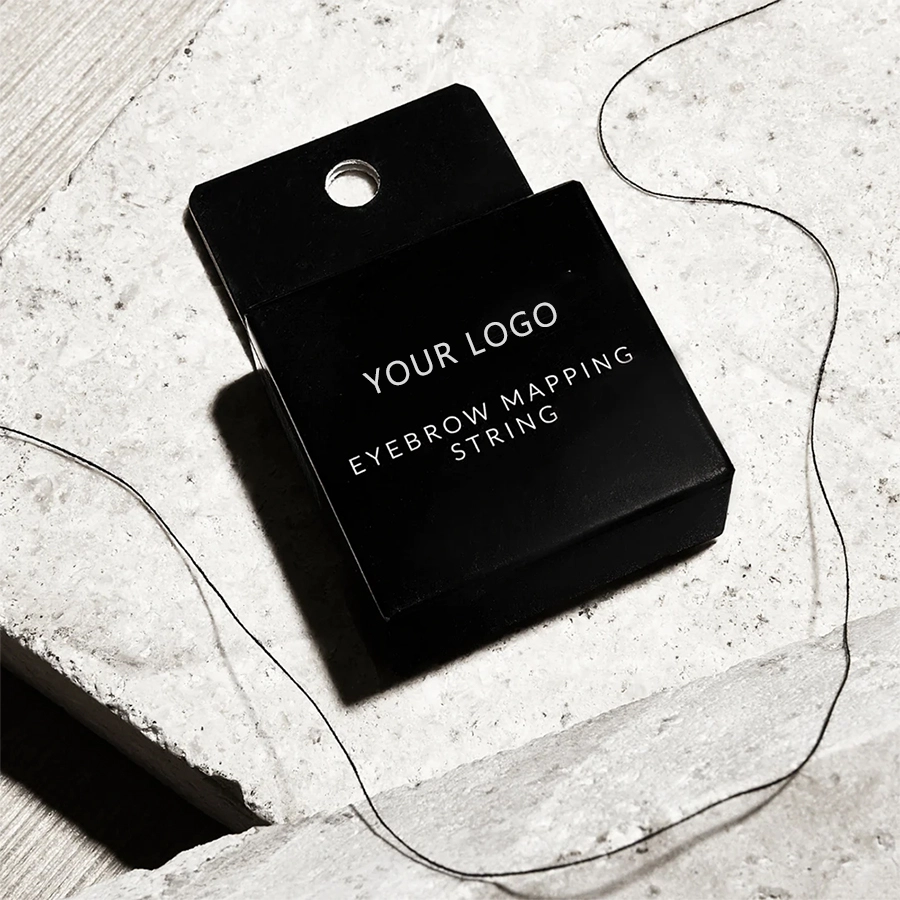
Microblading Pre-inked Mapping String Line 10m
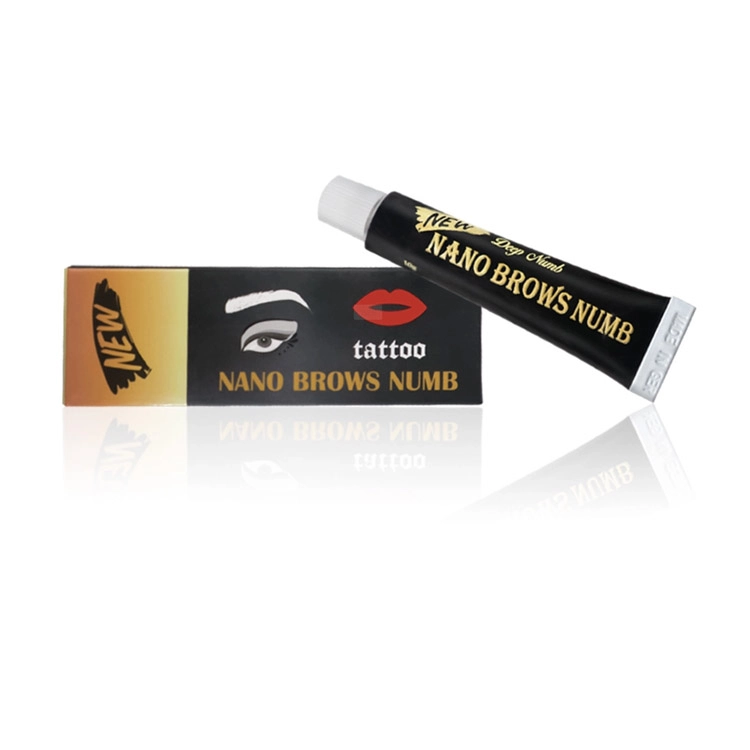

Instagram
Facebook
YouTube