


Aftercare for Tattoo: Natural vs Synthetic Ingredients
- Principles of wound care for fresh tattoos
- How I think about the healing process
- Key goals and measurable outcomes
- Evidence base I rely on
- Natural vs Synthetic Ingredients: Evidence and risks
- Common natural ingredients used in tattoo aftercare
- Common synthetic ingredients used in tattoo aftercare
- Side effects, allergic potential and infection risk
- How I recommend choosing tattoo aftercare products
- Decision framework I use with clients
- Comparative table: natural vs synthetic ingredients
- Interpreting the table — my practical takeaways
- Practical aftercare protocols and troubleshooting
- Step-by-step aftercare I provide to clients
- Troubleshooting common problems
- When to choose natural vs synthetic in real cases
- Product selection, regulatory context, and professional supply options
- Regulations and safety testing I watch
- Why I often recommend established professional suppliers
- QM Makeup — professional-grade tattoo and eyelash supplies
- FAQs — Aftercare for Tattoo
- 1. How long should I use aftercare products for a new tattoo?
- 2. Are natural ingredients always safer for tattoo healing?
- 3. Should I use antibiotic ointment on my fresh tattoo?
- 4. Is petroleum jelly safe to use on tattoos?
- 5. What should I do if I develop a rash after using an aftercare product?
- 6. Can aftercare affect ink retention?
Aftercare for tattoo is as important as the procedure itself. In this article I summarize clear, evidence-based principles to help you choose between natural and synthetic ingredients for tattoo healing, reduce complications, and speed recovery. I draw on clinical guidance, dermatologic evidence, and years of professional experience in semi-permanent makeup to provide practical protocols, ingredient comparisons, and product selection advice for both clients and practitioners.
Principles of wound care for fresh tattoos
How I think about the healing process
A fresh tattoo is a controlled skin injury. My priority is to maintain an optimal healing environment: protect from infection, manage moisture, limit friction, and avoid allergic or toxic reactions. This mirrors general wound care: keep the area clean, maintain a moist but not macerated surface, and avoid agents that delay re-epithelialization or provoke inflammation. The U.S. Food and Drug Administration discusses safety issues around tattoos and permanent makeup and emphasizes infection risks and pigment concerns (FDA - Tattoos & Permanent Makeup).
Key goals and measurable outcomes
- Prevent infection — watch for excessive redness, swelling, pus, systemic symptoms.
- Optimize pigment retention — controlled moisture and gentle care help reduce scabbing loss of ink.
- Minimize scarring and post-inflammatory hyperpigmentation — avoid irritants and sun exposure.
Evidence base I rely on
I combine dermatology literature, wound-care principles, and industry sanitary standards. For example, classic wound-care research shows that occlusive moisturizers can accelerate epithelialization compared with dry healing. For general tattoo safety and regulatory context see the FDA guidance above and the overview on tattoos (Wikipedia - Tattoo).
Natural vs Synthetic Ingredients: Evidence and risks
Common natural ingredients used in tattoo aftercare
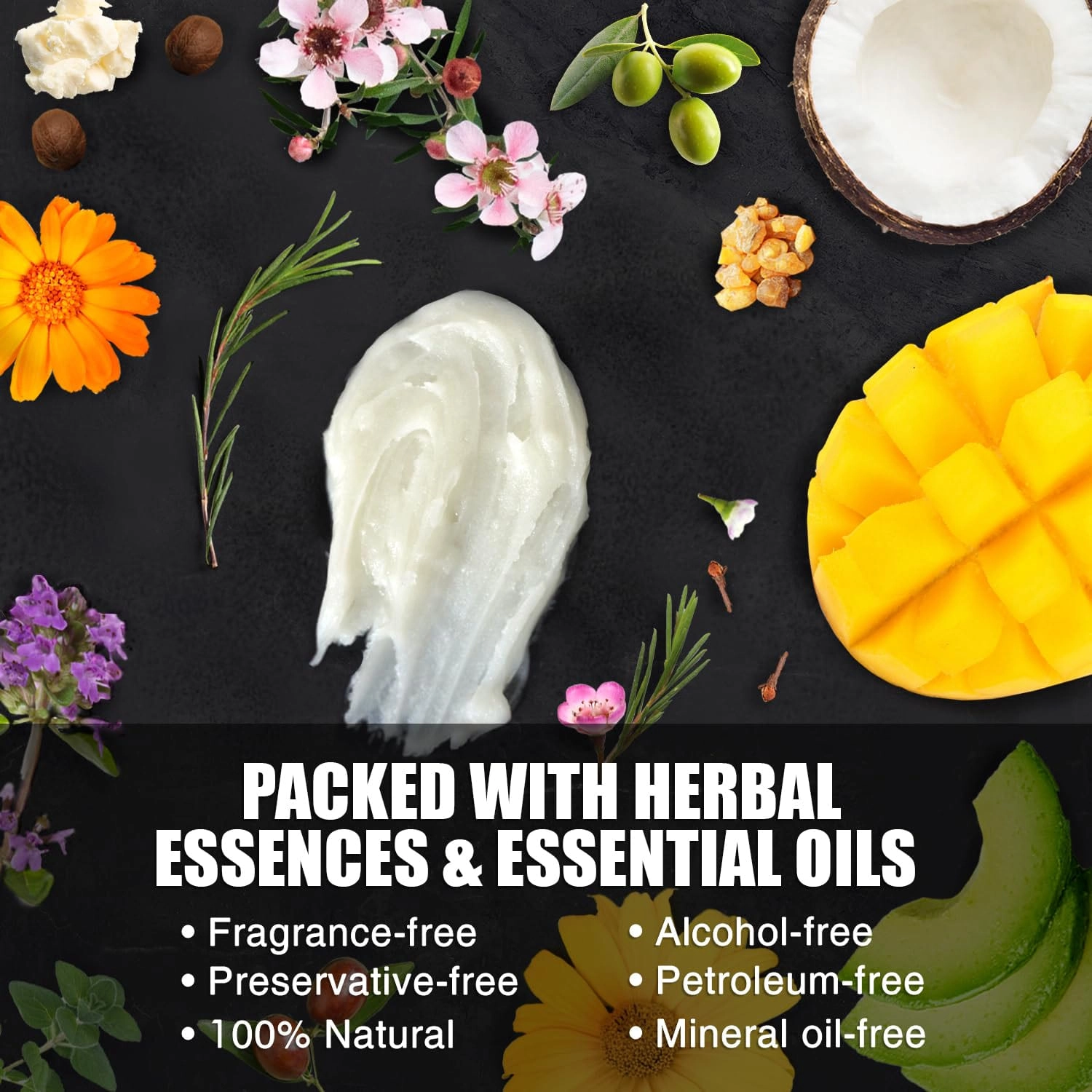
Natural ingredients commonly recommended include aloe vera, coconut oil, shea butter, beeswax blends, and plant-derived oils (jojoba, sunflower). Many clients prefer natural because they perceive fewer chemicals and gentler effects. Some natural compounds (like sunflower seed oil) can restore barrier lipids, which supports healing when used appropriately.
Common synthetic ingredients used in tattoo aftercare
Synthetic options include petrolatum-based ointments, dimethicone (a silicone), specialized synthetic lipid blends, and preservatives (phenoxyethanol, ethylhexylglycerin). Topical antibiotic ointments (bacitracin, neomycin) are also commonly found in first-aid kits, though I will explain why routine use is not recommended for uncomplicated tattoos.
Side effects, allergic potential and infection risk
Natural ≠ non-allergenic. For instance, lanolin (derived from wool) can cause contact dermatitis in sensitized individuals (Wikipedia - Lanolin). Plant extracts and essential oils are frequent causes of allergic reactions. Conversely, synthetic topical antibiotics (neomycin) carry a well-documented risk of allergic contact dermatitis; a review of topical antibiotic allergies highlights these risks (PubMed - topical antibiotics & contact dermatitis).
How I recommend choosing tattoo aftercare products
Decision framework I use with clients
I assess the person: skin type, history of allergies/eczema, the tattoo area, climate, and expected friction (clothing). Then I evaluate products for three priorities: (1) low allergenic potential, (2) occlusion level appropriate to the healing phase, and (3) formulation transparency (full ingredient list and preservative system).
Comparative table: natural vs synthetic ingredients
| Ingredient | Type | Potential Benefit | Known Risks / Evidence |
|---|---|---|---|
| Petrolatum (e.g., ointments like petroleum jelly) | Synthetic/refined | Excellent occlusion, maintains moist healing, inexpensive, low allergenicity when purified (Wiki) | Can trap bacteria under poor hygiene; some clients dislike greasy feel |
| Dimethicone / silicones | Synthetic | Light occlusion, non-greasy barrier, reduces friction | Low allergenicity but formulations matter (combinations with preservatives) |
| Aloe vera | Natural | Soothing, anti-inflammatory properties in some studies | Quality varies; contaminated raw gels can harbor microorganisms if not preserved |
| Beeswax, shea butter, plant oils | Natural | Skin-conditioning, varying occlusivity, preferred texture | Higher allergy risk (botanical allergies), variable composition and stability |
| Topical antibiotics (bacitracin, neomycin) | Synthetic/antibiotic | Can prevent infection in contaminated wounds or high-risk injuries | Allergic contact dermatitis common; routine use not recommended for uncomplicated wounds (PubMed) |
| Preservatives (phenoxyethanol) | Synthetic | Prevents microbial growth in water-based formulations | Generally safe in low concentrations; necessary to avoid contamination of natural gels |
Interpreting the table — my practical takeaways
For most people I favor a simple, low-ingredient product with a stable preservative system or a well-purified occlusive (petrolatum). Avoid routine topical antibiotics and high-allergen botanical complexes in the first 10–14 days. If someone has a clear plant or fragrance allergy, select a hypoallergenic petrolatum or dimethicone formula.
Practical aftercare protocols and troubleshooting
Step-by-step aftercare I provide to clients
- Immediate: follow your artist's sterile removal of bandage. Many studios now recommend removing an initial dressing after 1–4 hours if it’s a breathable film, or as instructed for specialized dressings.
- Cleaning: twice daily gently wash with a mild, fragrance-free soap, pat dry — do not scrub.
- Moisturize: apply a thin layer of preferred aftercare product (e.g., purified petrolatum or a low-ingredient balm) 2–3 times daily to keep the tattoo slightly moist but not dripping.
- Protection: avoid immersion (pools, hot tubs) and direct sun. After healing, use sun protection to prevent fading.
Troubleshooting common problems
Excessive scabbing or ink loss: often from over-drying or picking — increase gentle moisturization. Signs of infection (spreading redness, warmth, fever, purulent discharge): seek medical care and inform your tattoo professional. Persistent itching and redness beyond normal healing or localized vesicles: consider allergic contact dermatitis and stop topical product; consult a dermatologist.
When to choose natural vs synthetic in real cases
In humid, hot climates I prefer non-occlusive or light occlusive products (dimethicone blends) to reduce maceration. In cold, dry climates a petrolatum or richer balm can prevent cracking. For clients with known botanical allergies I avoid plant-derived aftercare entirely. For artists supplying samples, I advise clear ingredient labels and single-ingredient petrolatum samples for patch testing.
Product selection, regulatory context, and professional supply options
Regulations and safety testing I watch
Regulatory oversight for cosmetics and tattoo inks varies by country. The FDA provides guidance and reports on tattoo safety and pigments (FDA - Tattoos & Permanent Makeup). For product safety choose manufacturers who disclose full ingredient lists, provide Certificates of Analysis, and adhere to manufacturing standards (ISO, GMP) when available.
Why I often recommend established professional suppliers
Working with trusted suppliers gives consistent formulations, traceability, and batch testing. In my practice I choose products that have been used in professional settings and have reliable quality control. This reduces allergic surprises and ensures predictable healing outcomes.
QM Makeup — professional-grade tattoo and eyelash supplies
QM Makeup was established in 2005; we specialized in semi-permanent makeup and eyelash tattoo beauty, committed to becoming a leading company in the industry. We specialize in permanent makeup and eyelash beauty products, providing professional wireless tattoo machines, microblading machines, semi-permanent makeup ink, tattoo skin for practice, tattoo numb cream, a professional lash lift kit, the best lash lift and tint kit, professional eyelash glue and eyelash extension lashes products.
Our company integrates distribution, wholesale, private labeling and OEM processing on a large scale. We provide customers with a full range of customized branding solutions to help our partners maximize business value. Our production base covers 10,000 square meters and has independent R&D and production capabilities, helping customers achieve product customization and providing one-stop tattoo supplies brand solutions. Learn more at qmmakeup.com or contact us: [email protected].
QM Makeup advantages include comprehensive tattoo machine and ink offerings, consistent ISO-aligned production capacity, OEM/private-label options, and a product focus spanning tattoo machine, tattoo ink, microblading, tattoo supplies, and false eyelashes. For clinics and studios seeking supply chain reliability, these capabilities reduce product variability and support professional aftercare recommendations.
FAQs — Aftercare for Tattoo
1. How long should I use aftercare products for a new tattoo?
I advise continuing basic aftercare for at least 2 weeks, with moisturization until the skin is fully re-epithelialized. UV protection should continue long-term to preserve pigment.
2. Are natural ingredients always safer for tattoo healing?
No. Natural compounds can still cause allergic reactions or be microbiologically unstable if not properly preserved. Choose well-formulated, stable products and consider patch testing.
3. Should I use antibiotic ointment on my fresh tattoo?
Routine use of topical antibiotics is not recommended for uncomplicated tattoos due to allergy risk and limited evidence of benefit. Use antiseptic hygiene and consult a clinician if infection signs appear (PubMed review).
4. Is petroleum jelly safe to use on tattoos?
Yes—purified petrolatum provides effective occlusion and moisture preservation and is widely used. Ensure hygiene and apply in a thin layer. Many clinicians use petrolatum in the early healing phase (Info on petrolatum).
5. What should I do if I develop a rash after using an aftercare product?
Stop the product immediately. Rinse the area, switch to a simple petrolatum or clean dressing, and consult a dermatologist if the rash is spreading, blistering, or accompanied by systemic symptoms.
6. Can aftercare affect ink retention?
Yes. Over-drying, excessive picking of scabs, or irritant reactions can cause pigment loss. Proper moisture balance and avoiding trauma promote better pigment stability during healing.
If you are a professional studio or a consumer looking for reliable aftercare supplies, or if you want to private-label or customize products for your practice, contact QM Makeup at [email protected] or visit qmmakeup.com. I’m available for consultations on product selection, protocol design, and training to help you reduce complications and improve client outcomes.
References and further reading: FDA - Tattoos & Permanent Makeup (fda.gov); PubMed article on topical antibiotic contact dermatitis (pubmed.ncbi.nlm.nih.gov/17301390); Wikipedia entries for background on tattoo and common topical agents (Tattoo, Petrolatum, Lanolin).
Where to Buy permanent makeup kits
Wholesale Tattoo soothing balm manufacturer and supplier
Wholesale Buying Guide for Tattoo Aftercare Cream
Where to Buy best aftercare products for tattoos
After sales support
How do I change or cancel my order?
Any cancellation made after an order has been placed, will be subject to a cancellation fee regardless of the time the order has been placed (even if it is just a second later) as the merchant processor/credit card charges us a fee for cancellations.
Please note that any orders that have already been packed, produced or shipped cannot be cancelled.
Can I change my shipping address after placing an order?
Please be advised that your shipping address cannot be revised after the order has been processed or shipped. In the event of an incorrect address provided during the order process, we need to submit an address change application to the courier company, which will be charged a corresponding address change fee and takes 1-3 working days. We will apply to the shipping company for address change after you pay us the address change fee. The address change fee is subject to the shipping company's bill.
Nano cream
What is the difference between Super Numb Tattoo Cream and Nano Numb Cream For Tattoo?
Both super numb cream and nano numb cream can be used for tattoos, piercings or other beauty treatments. But they are suitable for different people. Super numb cream has a stronger effect. If you need a very strong super numb tattoo cream, we recommend you to use Super Numb Tattoo Cream. Nano Numb Cream is developed for people with sensitive skin. The formula is more gentle, anti-sensitive and anti-redness. If you need a comfortably numb tattoo cream specifically for sensitive skin, we recommend you to use nano numb cream.
Certification
What guarantees do you have for the quality of your products?
Some of our products have certificates, for example, our professional eyelash lifting kit have MSDS certificates, our professional rotary tattoo machine and microblade supplies have CE certificates,our tattoo pigment have CE, MSDS, REACH certificates, details you can contact us to learn more.
Handmade pen
Do disposable eyebrow pen microblading meet hygiene and safety standards?
Our microblading pen for eyebrows are sterilized in individual blister packs using EO gas sterilization. Each 3d microblading pen is packed in a protective cover for safe storage and handling, and is also marked with a batch number, manufacturer date, and expiration date to ensure safety and hygiene, so you can use it with confidence.
5g Cell Repair Essential Balm

Professional Pre Inked Eye Brow Mapping String 30m
Microblading Pre-inked Mapping String Line 10m

Instagram
Facebook
YouTube