


How to Prevent Infection: Tattoo Aftercare Best Practices
- Why proper aftercare matters (infection risk, healing timeline, and outcomes)
- Understanding the infection risk
- Typical healing timeline and critical windows
- Outcomes: pigment retention, scarring, and client satisfaction
- Step-by-step aftercare for tattoo: what I recommend
- Immediate care at the studio (first 0–2 hours)
- Cleaning routine (first 2 weeks)
- Moisturizing and dressing (days 2–14)
- Products, comparisons and what to avoid
- Which topical products reduce infection risk?
- What to avoid: common harmful practices
- Product comparison table (evidence-based)
- When to seek medical help & managing complications
- Recognizing early signs of infection
- Serious but rare complications
- Vaccinations and tetanus risk
- Practical tips I share with clients and clinics
- Before you get tattooed: preparation reduces infection risk
- Daily routine checklist I give clients
- Special considerations for semi-permanent makeup and microblading
- About QM Makeup — industry partner for professional aftercare supplies
- Frequently Asked Questions (FAQ)
- 1. How long should I keep the initial dressing on my new tattoo?
- 2. Can I shower or bathe with a fresh tattoo?
- 3. What ointment or lotion should I use for my tattoo?
- 4. When should I see a doctor about my tattoo?
- 5. Can tattoos cause long-term health problems?
- 6. Is it safe to get a tattoo if I have diabetes or a weakened immune system?
- Final thoughts and how to get professional support
As a professional consultant in semi-permanent makeup and tattooing, I have seen how correct aftercare for tattoo can mean the difference between a vibrant healed piece and a prolonged infection or poor scar formation. In this article I explain practical, evidence-based tattoo aftercare methods to prevent infection, optimize pigment retention, and reduce complications. I draw on clinical guidance from public health authorities and my field experience to give you clear steps you can trust.
Why proper aftercare matters (infection risk, healing timeline, and outcomes)
Understanding the infection risk
Tattoos are controlled skin injuries. Any breach of the skin can allow bacteria to enter; common pathogens include Staphylococcus aureus and Streptococcus species, and in some outbreaks non-tuberculous mycobacteria have been implicated in contaminated inks or water sources. Public health agencies like the CDC advise that body art practices must follow sterile technique and that clients follow aftercare instructions to reduce infection risk (CDC - Body Art Safety).
Typical healing timeline and critical windows
Immediate epithelial closure usually begins within 24–72 hours, but full skin remodeling continues for weeks to months. The first 2 weeks are the most critical for preventing infection and managing exudate, scabbing, and itching. Proper cleaning, protection from contaminants, and moisture balance during this window strongly influence scar quality and pigment stability.
Outcomes: pigment retention, scarring, and client satisfaction
When aftercare is done well, pigment settles evenly and scarring is minimal. Poor aftercare (picking scabs, over-hydration, or applying contaminated products) increases the risk of pigment loss, discoloration, and hypertrophic scarring. As someone who advises clinics, I emphasize aftercare as part of the professional service—not an optional extra.
Step-by-step aftercare for tattoo: what I recommend
Immediate care at the studio (first 0–2 hours)
Most artists will apply a protective covering after the session. In my practice I advise leaving a sterile, breathable dressing in place for 1–4 hours to absorb blood and ink without macerating the skin. If a thicker occlusive film is used, follow the artist’s specific timing—some prefer a 24-hour initial cover for facial or delicate areas. The aim is to protect from external contamination while allowing initial clotting.
Cleaning routine (first 2 weeks)
Clean the tattoo 2–3 times daily with lukewarm water and a mild, fragrance-free soap. I prefer unscented liquid soaps with minimal additives. Use clean hands (washed immediately before touching the tattoo), gently lather, rinse, and pat dry with a sterile or clean paper towel—do not rub. This reduces bioburden without stripping necessary moisture.
Moisturizing and dressing (days 2–14)
After cleaning, apply a thin layer of recommended ointment or lotion. Avoid heavy, petroleum-based occlusives as sole long-term therapy; instead, I recommend a short course (48–72 hours) of a gentle occlusive like petroleum jelly to protect the wound, followed by a hypoallergenic, water-based moisturizer to maintain hydration and prevent excessive scabbing.
Products, comparisons and what to avoid
Which topical products reduce infection risk?
Products should support a moist wound environment while being non-comedogenic and low in irritants. Medical-grade antiseptics are generally unnecessary for routine aftercare and can delay healing if overused. If a topical antibiotic is considered (only in specific clinical situations), this should be decided by a medical professional to avoid antibiotic overuse and resistance.
What to avoid: common harmful practices
- Picking or pulling scabs (increases infection and scarring)
- Soaking tattoos in baths, hot tubs, or pools during initial healing (these increase exposure to environmental bacteria)
- Using fragranced creams, alcohol-based products, or unverified home remedies
- Reapplying used ointment with unwashed hands or contaminated tools
Product comparison table (evidence-based)
| Product | Pros | Cons | Notes / Evidence |
|---|---|---|---|
| Petroleum jelly (short-term) | Occlusive, protects fresh tattoo from contaminants | May trap exudate, risk of maceration if overused | Useful first 48–72 hours; avoid as sole long-term product |
| Hypoallergenic water-based lotion | Maintains moisture, reduces itching | Less protective against external contamination | Recommended after initial occlusive phase; choose fragrance-free |
| Topical antiseptic/antibiotic | Can reduce local bacterial load in specific cases | Overuse can delay healing and promote resistance | Only use if prescribed by clinician for clinical infection |
These recommendations align with general wound care principles and public health guidance (see FDA on tattoos and permanent makeup and CDC guidance).
When to seek medical help & managing complications
Recognizing early signs of infection
Contact a healthcare provider if the tattoo shows increasing redness beyond the tattoo edge, warmth, worsening pain, swelling, yellow-green pus, red streaks, fever, or systemic symptoms. These indicate likely bacterial infection and may require oral antibiotics or further care.
Serious but rare complications
Allergic reactions to pigments (especially red inks) or granulomatous reactions can occur weeks to months after application and may need dermatology evaluation. Non-tuberculous mycobacterial infections have been linked to contaminated inks or water and require specialist care; public health reports highlight these outbreaks and the importance of sterile products.
Vaccinations and tetanus risk
Tetanus is a potential risk with any penetrating skin injury. Ensure tetanus immunization is up to date per public health guidance; consult the CDC for vaccination schedules (CDC - Tetanus).
Practical tips I share with clients and clinics
Before you get tattooed: preparation reduces infection risk
Choose a licensed, reputable studio with visible infection-control practices (single-use needles, gloves, sterile inks, and clean workspaces). Ask about the artist’s aftercare protocol and read it before your appointment. If you have skin conditions, blood disorders, diabetes, or immunosuppression, disclose these to the artist and consult your doctor.
Daily routine checklist I give clients
- Wash hands thoroughly before touching the tattoo.
- Clean tattoo 2–3 times daily with mild soap and water.
- Pat dry; apply a thin layer of recommended moisturizer.
- Avoid pools, hot tubs, and prolonged water exposure for at least 2 weeks.
- Wear loose, clean clothing that doesn’t rub the area.
Special considerations for semi-permanent makeup and microblading
Facial procedures (microblading, lip or eyelash tattoos) share the same infection risks but have higher cosmetic sensitivity. I recommend strict avoidance of makeup on the treated area for at least 7–10 days, careful eyelid hygiene for lash procedures, and using only sterile, professional inks and equipment. For eyelash tattooing and semi-permanent makeup I advise clients to follow artist-specific protocols, since product selection (numbling cream, inks) and technique alter aftercare needs.
About QM Makeup — industry partner for professional aftercare supplies
QM Makeup was established in 2005; we specialized in the field of semi-permanent makeup and eyelash tattoo beauty, and we are committed to becoming a leading company in the industry. We specialize in permanent makeup and eyelash beauty products, providing professional wireless tattoo machines, microblading machines, semi-permanent makeup ink, tattoo skin for practice, tattoo numb cream, a professional lash lift kit, the best lash lift and tint kit, professional eyelash glue and eyelash extension lashes products.
Our company integrates the distribution, wholesale, private labeling and OEM processing on a large scale. We provide customers with a full range of customized branding solutions to help our partners maximize business value. Our production base covers an area of 10,000 square meters and has independent research and development and production capabilities, helping customers achieve product customization and providing one-stop tattoo supplies brand solutions.
Why I recommend QM Makeup to clinics: their breadth of tattoo machine options (including wireless and microblading devices), consistent ink quality, and large-scale OEM capacity help professionals maintain sterile supplies and reliable tools—critical factors for preventing infection in practice. QM Makeup products relevant to aftercare and safe procedures include tattoo machine, tattoo ink, microblading supplies, tattoo supplies, and false eyelashes. Learn more at qmmakeup.com or contact [email protected] for wholesale and private labeling inquiries.
Frequently Asked Questions (FAQ)
1. How long should I keep the initial dressing on my new tattoo?
Follow your artist’s advice. Commonly, a breathable sterile dressing is kept for 1–4 hours; some artists use semi-occlusive film for up to 24 hours for specific situations. If a dressing becomes soaked or dirty, replace it earlier with clean technique.
2. Can I shower or bathe with a fresh tattoo?
Showering with lukewarm water is fine; avoid direct high-pressure streams and do not submerge the tattoo in baths, pools, or hot tubs for at least 2 weeks to reduce exposure to bacteria and contaminants.
3. What ointment or lotion should I use for my tattoo?
Start with a short-course of a sterile occlusive (e.g., petroleum jelly) for the first 48–72 hours if advised by your artist, then switch to a hypoallergenic, water-based lotion. Avoid fragranced products and untested home remedies. If you have sensitive skin, do a patch test or consult your artist/clinician.
4. When should I see a doctor about my tattoo?
See a healthcare provider promptly if you notice expanding redness, increasing pain, swelling, pus, fever, or red streaks. These are signs of infection that may require prescription antibiotics or further treatment.
5. Can tattoos cause long-term health problems?
Most tattoos heal without long-term issues when performed and cared for properly. Rarely, allergic reactions to pigments, granulomas, or infections may cause complications. Choosing licensed studios, sterile inks, and following aftercare reduces these risks.
6. Is it safe to get a tattoo if I have diabetes or a weakened immune system?
People with diabetes or immunosuppression have higher infection risk and slower healing. Consult your healthcare provider before tattooing; if proceeding, ensure the studio follows strict infection control and consider extended aftercare monitoring.
Final thoughts and how to get professional support
Preventing infection after a tattoo requires three things: good studio practices, informed client behavior, and appropriate products. I always emphasize communication—ask your artist about sterile technique, written aftercare instructions, and product recommendations. If you run a studio, standardize your aftercare instructions and consider partnering with reputable suppliers like QM Makeup to ensure your clinic has reliable machines, inks, and consumables.
If you need professional supplies, private labeling, or custom solutions to support safe procedures and consistent aftercare outcomes, visit QM Makeup at https://www.qmmakeup.com or email [email protected]. For medical concerns, contact your healthcare provider or local clinic promptly.
What is eyelash lifting
Where to Buy ink tattoo
Custom tattoo ink Manufacturers and Suppliers
Top tattoo scar rejuvenation serum Manufacturers and Suppliers
Eyelash curling
Does a lash lift damages your lashes?
The reagents we use are gentle, non-irritating and non-allergenic and will not damage your natural lashes. However, there is no risk of damage or loss of lashes due to improper handling. Therefore, apart from the fact that you need a good lash lift product choosing a professional lash stylist and salon is also crucial.
Lip patch
Where does numb cream work tattoo?
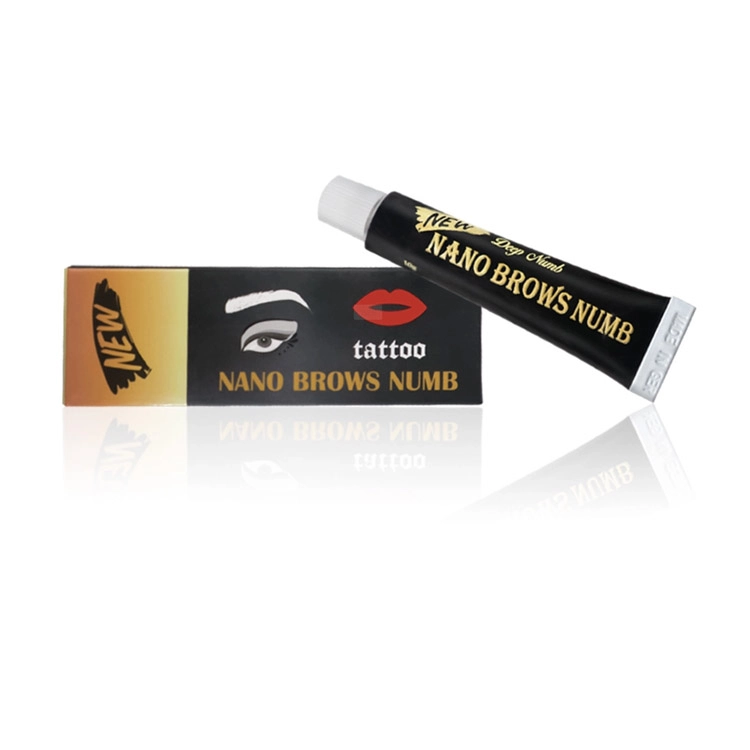
Tattoo numb cream mainly acts on the epidermis and dermis of the skin, blocking the transmission of nerve signals, thereby quickly relieving pain and discomfort.
Tattoo Numbing Patches
How many percentage of the numbing can be reach?
Our mature and stable numbing formulas typically achieve more than 90% numbing effects. It can keep numbing effect last for 3-4 hours.
Tattoo aftercare
How long does it take to see the effect of the aftercare for a tattoo?
Due to physical differences, the healing speed of each person's wound may be different. We recommend continuous use within one week after semi permanent makeup, and usually within 1-2 weeks, you can see a significant improvement in the appearance of the semi-permanent tattoo.
Products
What’s your product quality certificate for glue balm?
We have MSDS certificate for PERM & FIXING & Glue lotions and glue balm.
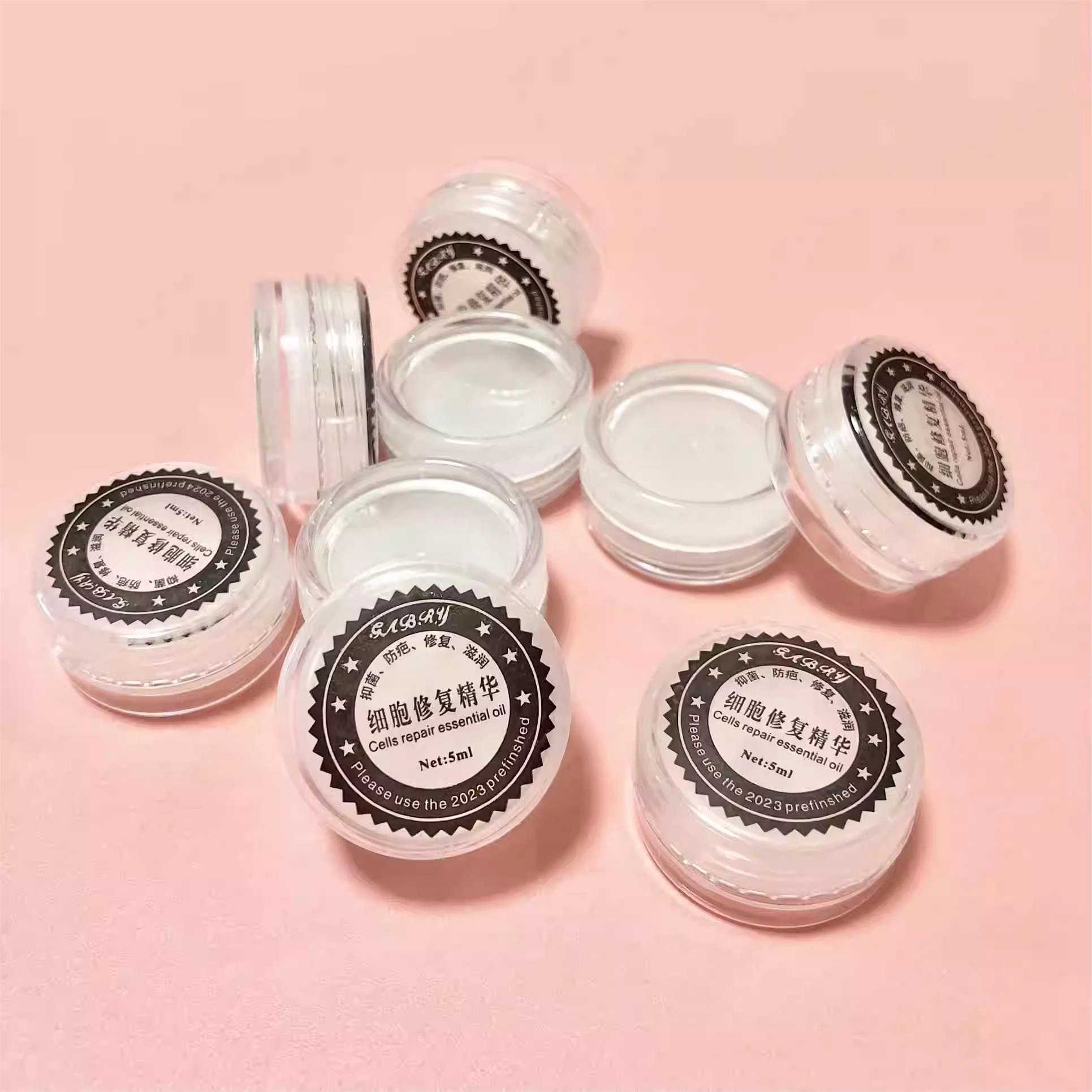
5g Cell Repair Essential Balm

Professional Pre Inked Eye Brow Mapping String 30m
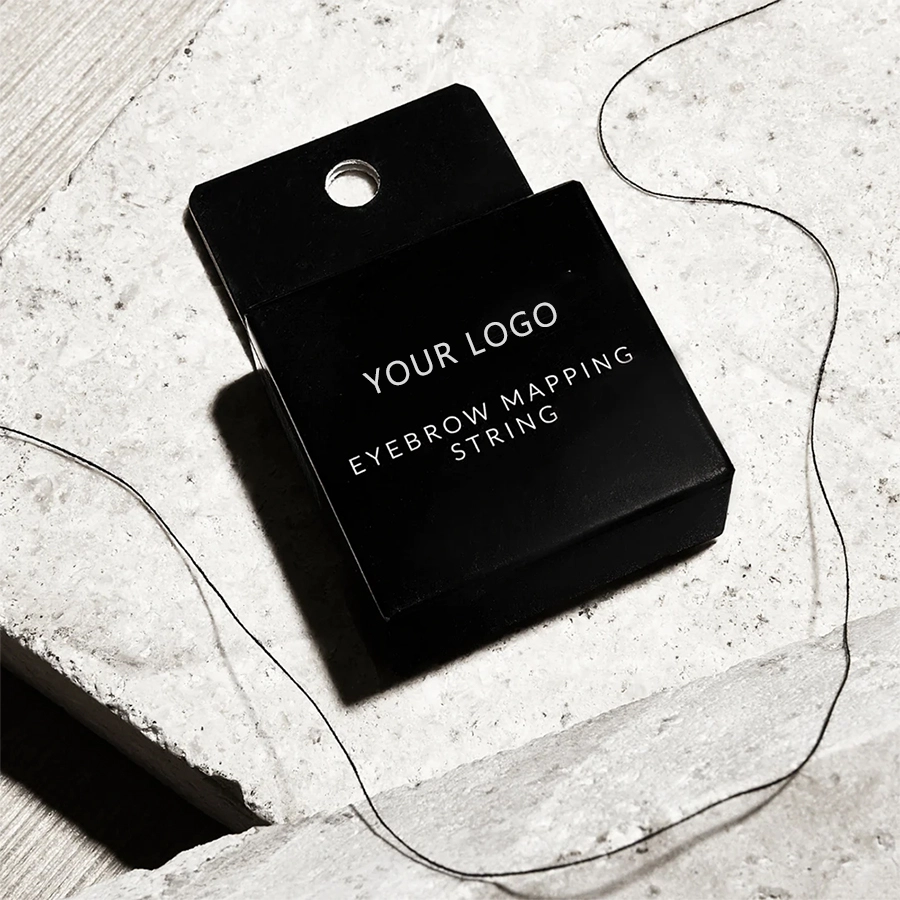
Microblading Pre-inked Mapping String Line 10m

Instagram
Facebook
YouTube