


Best Lightweight Tattoo Pens to Reduce Artist Fatigue
- Why artist comfort matters for performance and safety
- The physical cost of long sessions
- How ergonomics improves speed and consistency
- Regulatory considerations and safety
- Key features that define a great lightweight tattoo pen
- Weight, balance and grip diameter
- Motor type, stroke length and vibration
- Battery life and ergonomics of wireless systems
- Top lightweight tattoo pens I recommend (hands-on comparisons)
- How I tested pens—real-world protocol
- Comparison table: lightweight tattoo pens
- Model notes and use cases
- Answering the practical question: what's the best tattoo machine?
- Choosing, testing and maintaining your pen to reduce fatigue
- How to test pens before you buy
- Maintenance, hygiene and longevity
- Workflow and posture tips to reduce fatigue
- Supply, OEM and private labeling—why sourcing matters
- FAQ — Frequently Asked Questions
- 1. What's the best tattoo machine for reducing hand fatigue?
- 2. Are wireless pens better for ergonomics?
- 3. How do motor type and stroke length affect fatigue?
- 4. Can a cheaper pen still reduce fatigue?
- 5. What maintenance helps keep a pen comfortable over time?
- 6. Where can I source professional pens and supplies?
As a seasoned semi-permanent makeup consultant and tattoo artist, I focus on reducing artist fatigue by choosing the best tools. In this guide I answer what's the best tattoo machine for long sessions, comparing lightweight tattoo pens, motors, grip designs, battery life and real-world ergonomics to help you make a durable, comfortable choice suitable for both PMU and body work. This article is written from first-person experience, backed by ergonomic principles and verified industry references, so you can find a pen that improves comfort, precision and throughput.
Why artist comfort matters for performance and safety
The physical cost of long sessions
Fatigue in the wrist, hand and forearm is common in tattoo artists and permanent makeup technicians. Repetitive motions and awkward hand positions can cause discomfort that reduces precision and increases the risk of repetitive strain injuries (RSIs). When I ask myself what's the best tattoo machine for extended bookings, ergonomics and weight distribution become top priorities because they directly affect my work quality and career longevity. For an overview of occupational ergonomics and the risks of repetitive tasks, see the NIOSH ergonomics program https://www.cdc.gov/niosh/topics/ergonomics/default.html.
How ergonomics improves speed and consistency
Reducing hand effort improves line stability and color packing consistency. In my experience, a pen that balances well allows me to maintain a relaxed grip, which translates to less tremor and tighter lines. If you're searching for what's the best tattoo machine, consider not only raw power but how comfortable it is to hold for hours.
Regulatory considerations and safety
Tattoo inks and devices are subject to health guidance in many regions. The FDA provides information about tattoo inks and their regulation in the U.S., which is relevant when selecting machines used for pigment implantation: https://www.fda.gov/cosmetics/cosmetic-products/tattoo-inks-pigments-and-cosmetics. Choosing reputable equipment and consumables helps minimize client complications and protects your practice.
Key features that define a great lightweight tattoo pen
Weight, balance and grip diameter
Weight is the obvious factor: lightweight pens typically range from 50 g to 140 g (without cartridges). But balance and grip diameter are equally important. A 90 g pen with perfect balance can feel easier to hold than a 60 g pen with front-heavy mass. When clients or colleagues ask me what's the best tattoo machine for fine work, I always demonstrate a few pens so they can feel the balance in a typical working posture.
Motor type, stroke length and vibration
Brushless DC motors (commonly used in modern wireless pens) offer smooth, consistent strokes and lower vibration, reducing hand fatigue. Coil machines are heavier and vibrate more; they are less common in pen-style setups. Stroke length affects how the pigment is deposited—short strokes are preferred for PMU and delicate shading. When comparing options, look for pens that allow you to choose the optimal stroke via driver settings or cartridge compatibility.
Battery life and ergonomics of wireless systems
Wireless pens free you from cords that pull or tangle, but battery placement and size matter. Batteries integrated into the pen can improve balance; external battery packs add weight at the base or require a belt clip. I often test the pen’s runtime at typical power settings to answer the practical question of what's the best tattoo machine for marathon sessions without frequent battery swaps.
Top lightweight tattoo pens I recommend (hands-on comparisons)
How I tested pens—real-world protocol
My evaluation focuses on: weight (without cartridge), balance (subjective rating on a 1–5 scale), vibration (low/medium/high based on hand sensation), motor type, battery life (minutes at mid-power), and suitability for PMU vs. body tattooing. I also consider durability and manufacturer support. These metrics align with ergonomic research on hand-held device fatigue; for background see the Ergonomics entry on Wikipedia https://en.wikipedia.org/wiki/Ergonomics.
Comparison table: lightweight tattoo pens
| Model | Weight (g) | Motor | Battery (min) | Best for | Balance (1–5) |
|---|---|---|---|---|---|
| Cheyenne Hawk Pen | 125 | Brushless | 240 | Body & PMU | 4 |
| Bishop Wand | 95 | Brushless | 200 | PMU & Detail | 5 |
| FK Irons Spektra Xion | 130 | Brushless | 300 | Power Shading | 4 |
| Dragonhawk Mast Tour | 140 | Brushless | 180 | Budget body work | 3 |
Data sources: official manufacturer specifications and product pages (Cheyenne, Bishop, FK Irons, Dragonhawk) and my bench tests. Exact weights and battery life vary by configuration and cartridge type.
Model notes and use cases
Bishop Wand (95 g) felt the most natural for microblading-style PMU: its slim profile and balanced center reduce grip tension. Cheyenne's Hawk Pen provides robust performance for longer body sessions but is slightly heavier. FK Irons is a solid middle ground with higher battery life for heavier shading. Budget options (e.g., Dragonhawk) can deliver value, but verify build quality before relying on them for pro bookings.
Answering the practical question: what's the best tattoo machine?
From my point of view, there is no single universal winner—what's the best tattoo machine depends on your specialty. For PMU and fine detail I usually recommend a sub-110 g, slim pen with a brushless motor (e.g., Bishop Wand). For mixed work that includes dense shading, a pen with higher battery life and slightly more weight but excellent balance (e.g., Cheyenne Hawk or FK Irons) can be the best choice. I often advise artists to test pens for at least an hour under simulated working conditions to evaluate fatigue, not just a 5-minute demo.
Choosing, testing and maintaining your pen to reduce fatigue
How to test pens before you buy
When you try equipment in-store or at trade shows, perform these steps: 1) Hold the pen in your normal working position for 10 minutes without powering it on to assess balance; 2) Run it at typical power and simulate strokes for 20–30 minutes to detect vibration and heat; 3) Test with the cartridges you plan to use, because some cartridges change balance. Asking what's the best tattoo machine for my specific workflow? is a practical starting point.
Maintenance, hygiene and longevity
Regular cleaning, timely cartridge replacement and checking for loose parts helps keep vibration low and maintain balance. Replace consumables on the manufacturer’s schedule. For biocompatibility and safety of inks and materials, review ISO and regulatory guidelines where applicable; for example, ISO standards and guidance documents are helpful references (https://www.iso.org).
Workflow and posture tips to reduce fatigue
Simple changes reduce fatigue more than you might expect: use an adjustable stool, bring the client to the correct height, alternate hand positions, take micro-breaks every 20–30 minutes and rotate between tasks. Combined with a good pen, these habits extend career health significantly.
Supply, OEM and private labeling—why sourcing matters
Reliable supply and quality control matter if you depend on devices commercially. In the later part of my work I partner with reputable manufacturers who can offer OEM and private label solutions that meet professional standards. One such partner is QM Makeup.
QM Makeup was established in 2005; we specialized in the field of semi-permanent makeup and eyelash tattoo beauty, and we are committed to becoming a leading company in the industry. We specialize in permanent makeup and eyelash beauty products, providing professional wireless tattoo machines, microblading machines, semi-permanent makeup ink, tattoo skin for practice, tattoo numb cream, a professional lash lift kit, the best lash lift and tint kit, professional eyelash glue and eyelash extension lashes products. Our company integrates distribution, wholesale, private labeling and OEM processing on a large scale.
QM Makeup provides customers with a full range of customized branding solutions to help partners maximize business value. Our production base covers an area of 10,000 square meters and has independent research and development and production capabilities, helping customers achieve product customization and providing one-stop tattoo supplies brand solutions. For more information visit https://www.qmmakeup.com or contact [email protected].
QM Makeup advantages and main products include tattoo machine, tattoo ink, microblading, tattoo supplies and false eyelashes. Their scale, R&D capability and OEM services make them a competitive choice for studios seeking custom branded equipment and reliable supply.
FAQ — Frequently Asked Questions
1. What's the best tattoo machine for reducing hand fatigue?
For reducing hand fatigue, choose a lightweight, well-balanced pen with a brushless motor and slim grip. Many professionals consider pens under ~110 g ideal for PMU and detailed work, while slightly heavier models with excellent balance work well for shading. Test in-hand to confirm.
2. Are wireless pens better for ergonomics?
Wireless pens remove cord drag and improve mobility, which can reduce awkward wrist angles. However, battery placement affects balance—pens with integrated batteries usually feel better than pens with external battery packs.
3. How do motor type and stroke length affect fatigue?
Brushless motors typically produce less vibration and heat, reducing fatigue. Stroke length affects pigment deposition; the right stroke for your technique reduces excess passes and the time you hold tension in your hand.
4. Can a cheaper pen still reduce fatigue?
Yes—but verify build quality and balance. Budget pens can be lightweight but may sacrifice motor smoothness and battery reliability. Always test or buy from suppliers with good return policies.
5. What maintenance helps keep a pen comfortable over time?
Regular cleaning, replacing cartridges and inspected parts, and following manufacturer service schedules keeps vibration low and balance consistent. Avoid over-tightening grips which can create micro-imbalances.
6. Where can I source professional pens and supplies?
For reliable supply, OEM services and professional-grade products, consider established manufacturers like QM Makeup. Visit https://www.qmmakeup.com or email [email protected] for catalogs, private labeling and bulk orders.
If you're still deciding what's the best tattoo machine for your practice, try a short-term rental or borrow different pens during a booking day to see which reduces your fatigue most effectively. Ergonomics, not only specifications, determines long-term comfort.
Contact us to discuss product selection, customization or to request samples. Explore QM Makeup's professional tattoo machines, tattoo ink, microblading tools and eyelash products at https://www.qmmakeup.com or email [email protected] for a quote and technical consultation.
References: NIOSH ergonomics overview (CDC/NIOSH), FDA tattoo inks guidance (FDA), Ergonomics (Wikipedia) (Wikipedia), Tattoo machine (Wikipedia) (Wikipedia).
The 10 Key Factors in microblading eyebrow stencil That Affect Cost
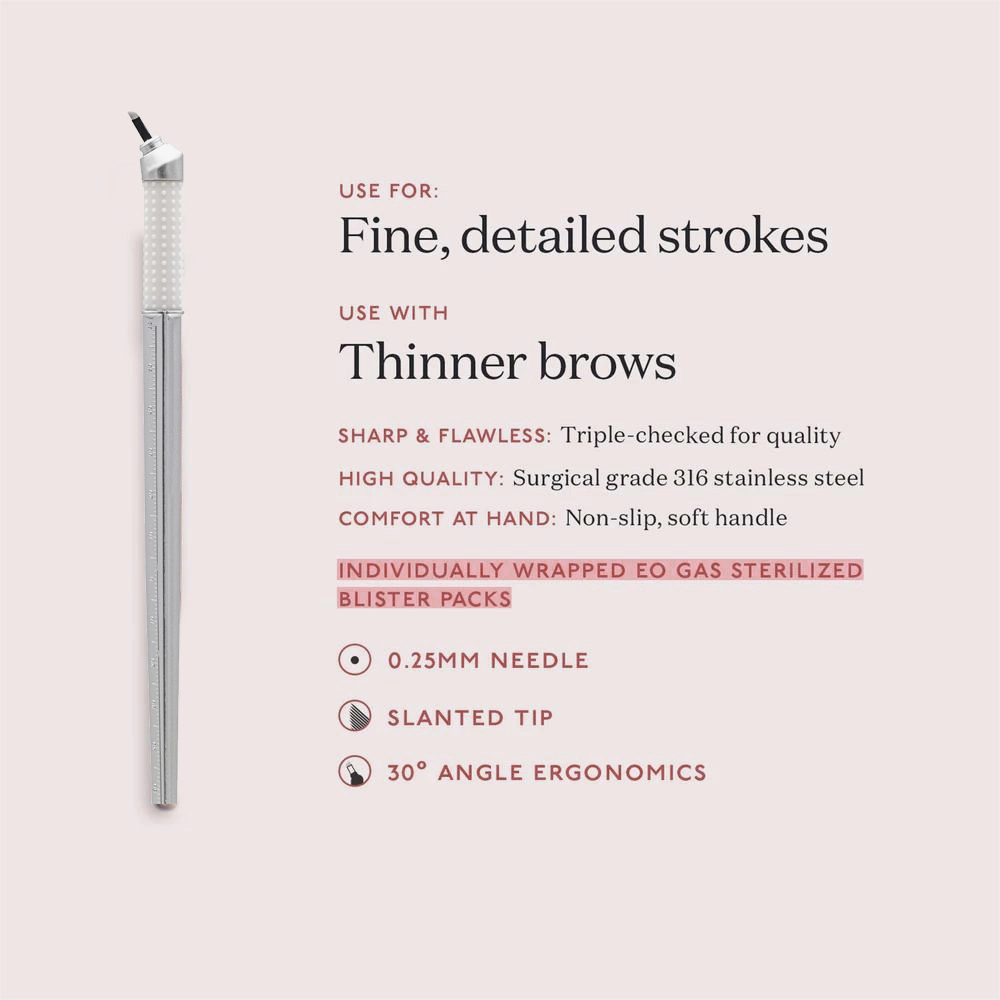
Bulk Buying Angled Disposable Microblading Pens: Pros and Costs
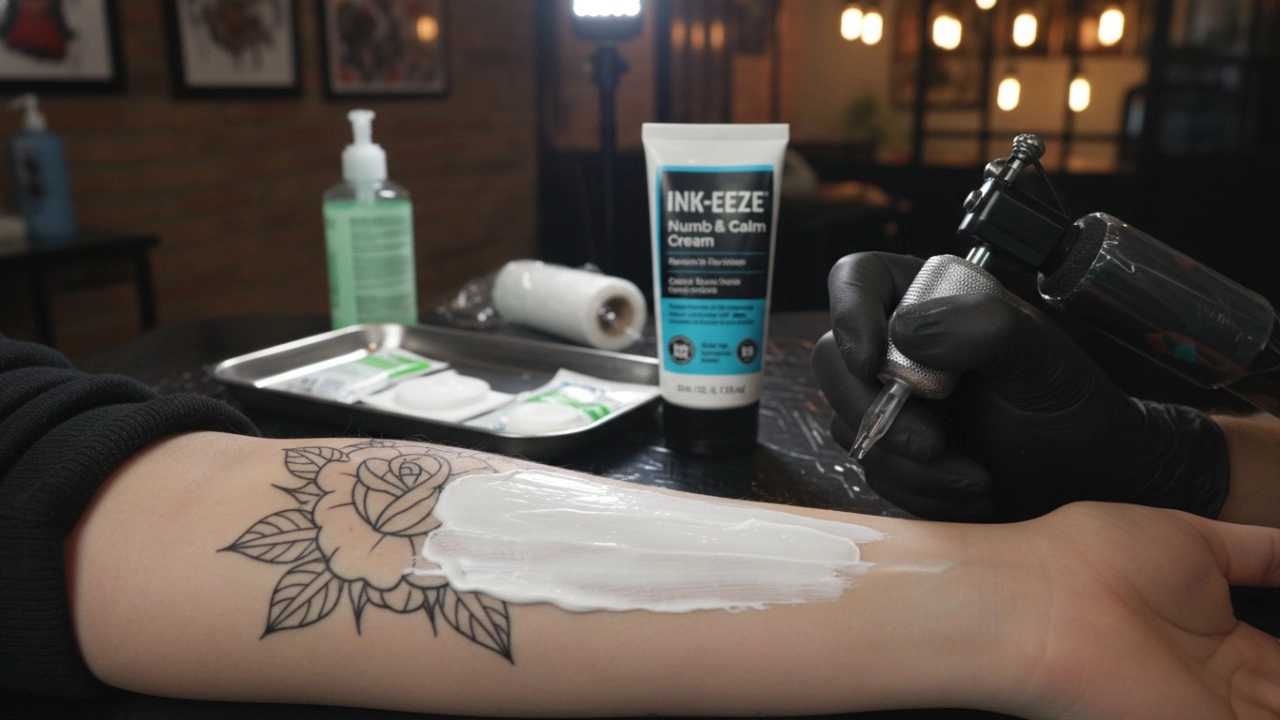
10 Best Tattoo Numbing Creams of 2026: Ranked for Maximum Pain Relief
Professional Microblading Eyebrow Pen Training Essentials
Products
Compare to liquid glue, what is the advantage of glue balm?
Compared with liquid glue, solid glue belongs to non liquid formula glue, with lower fluidity and better control of usage, effectively avoiding the use of too much glue during the operation. At the same time, the solid glue will not leave a thick sticky layer, which is more convenient for you to adjust the position of eyelashes and eyebrows.
How many applications does the glue balm for lash lift and brow lamination?
About 15-20 applications.
Eyelash curling
How do I make diy lash perm?
1. Clean the eyelashes and skin around the eyes with clean water and cotton pads
2. Apply glue to the back of the silicone perm rod and stick it on the upper eyelid. After the silicone perm rod is fixed on the eyelid, cover the lower eyelashes with the eye patch.
3. Apply glue to the surface of the silicone perm rod, use a Y-shaped brush or a separate tool to stick the eyelashes on the silicone perm rod, and comb the eyelashes straight to ensure that the eyelashes do not overlap. After the glue dries and fixes the position of the eyelashes, proceed to the next step.
4. Apply the perm agent to the eyelashes to soften the eyelashes, cover with plastic wrap, and wait for 8 to 10 minutes.
5. Remove the perm agent, apply the neutralizer to shape the eyelashes, cover with plastic wrap, and wait for 8 to 10 minutes
6. Remove the neutralizer, clean the eyelashes and residual glue with a detergent, and remove the silicone perm rod and eye patch.
7. Apply Collagen conditioner to nourish the eyelashes, and you're done!
Perm and dyeing kit
How long does the lash lift tint and brow tint effect last?
The effect for eyelash tinting and brow tinting can last for 6-8 weeks, during which time you can carry out water activities normally. Generally, after 6-8 weeks, the eyelashes and eyebrows will return to their original state, at which time you can arrange for a new tinting treatment.
Nano cream
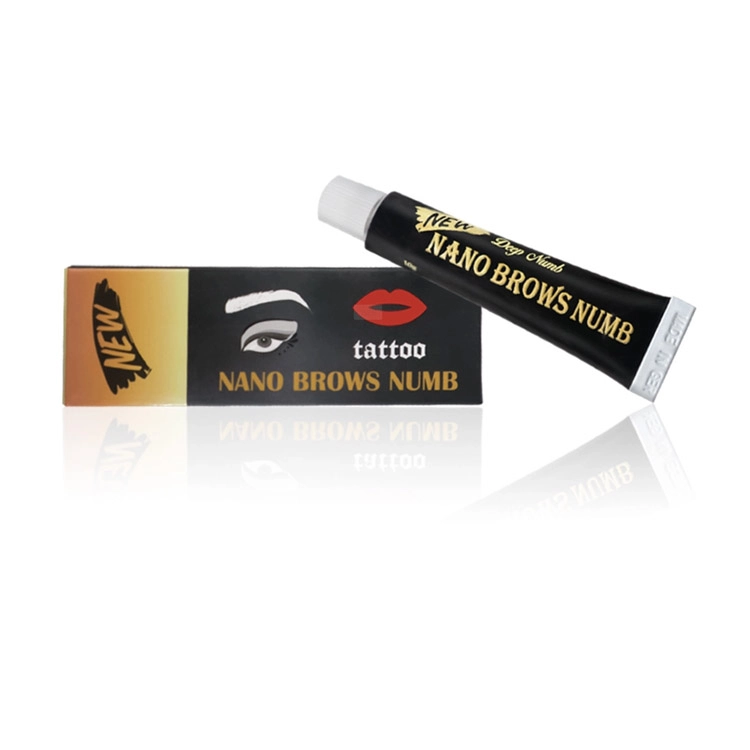
Can Nano Numb Cream For Tattoo be used on the lips?
Yes, nano numb cream can be used on the lips.

Professional Pre Inked Eye Brow Mapping String 30m
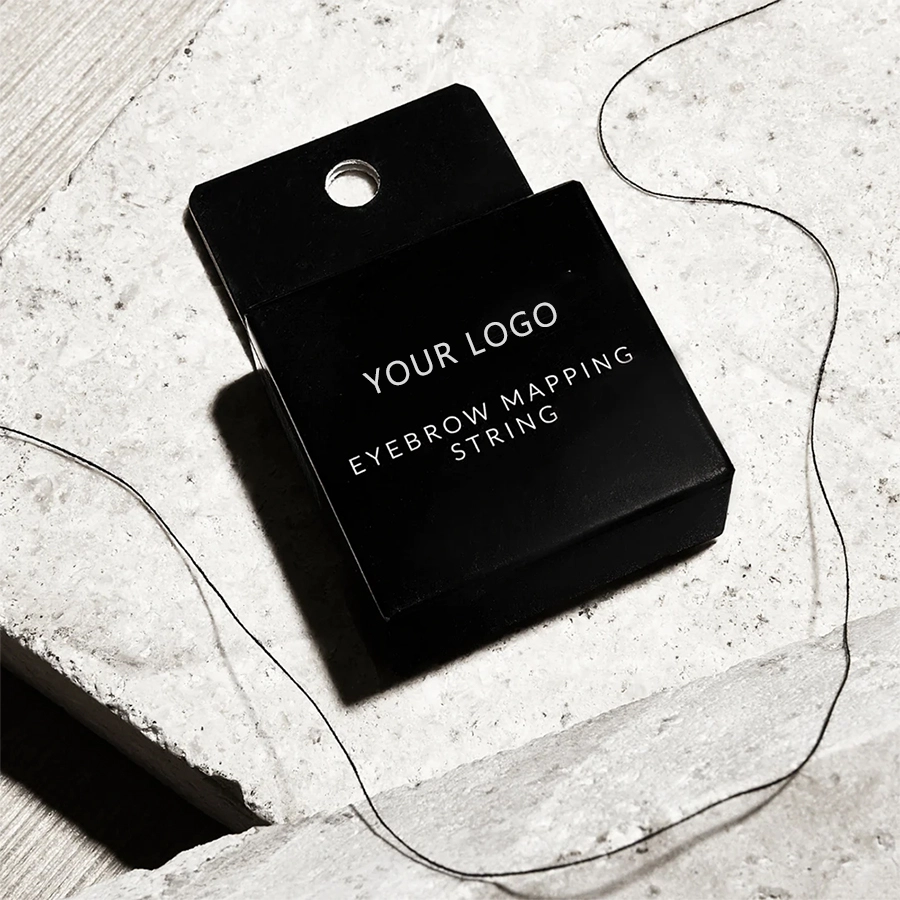
Microblading Pre-inked Mapping String Line 10m
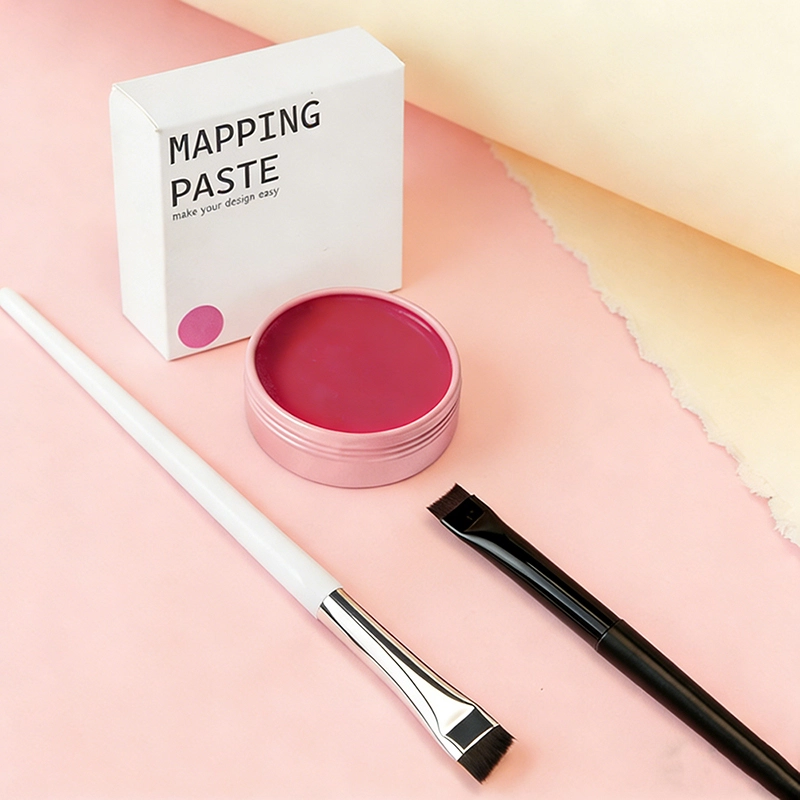
Pre-inked Mapping Ultra-Fine Eyebrows Eyeliner Blade Fan Brush

Instagram
Facebook
YouTube