


Best Rotary Machines for Microblading and PMU Artists
- Why rotary pen machines have become the standard in PMU
- Mechanics and benefits for PMU
- Clinical advantages for microblading and shallow PMU work
- Noise, ergonomics and client experience
- How I evaluate what's the best tattoo machine for PMU artists
- Key technical criteria
- Workflow, ergonomics and training fit
- Budget categories and long-term value
- Top rotary machines I recommend (with side-by-side comparison)
- High Quality picks — why clinics choose them
- Mid-range choices — the balance of value and performance
- Budget & travel options — when to accept trade-offs
- Maintenance, safety, and regulatory considerations
- Sterilization, cartridges and cross-contamination prevention
- Ink safety and testing
- Training, standards and liability
- Practical tips for testing machines before purchase
- Hands-on testing checklist
- What warranty and service to look for
- Documenting performance for clinic adoption
- QM Makeup: supplier capabilities and how we support PMU professionals
- Summary: choosing the right rotary machine for your PMU practice
- FAQ — Common questions from PMU and microblading artists
- 1. What's the difference between rotary and coil machines for PMU?
- 2. Do I need a wireless machine for PMU?
- 3. How often should I service or replace my rotary pen?
- 4. Are cartridge systems safe and disposable?
- 5. How do I decide between a High Quality or mid-range machine?
- 6. Where can I find trusted inks and supplies?
I’ve worked with permanent makeup and microblading artists across clinics and training centers for years, and one question I hear constantly is, what's the best tattoo machine for precise, consistent PMU work? In this guide I summarize the practical differences between rotary pen machines, the selection criteria I use when advising artists, side-by-side recommendations for High Quality, mid-range and budget options, and the safety & regulatory considerations every artist must know before investing. I also explain how to maintain and troubleshoot machines in daily practice to maximize uptime and results.
Why rotary pen machines have become the standard in PMU
Mechanics and benefits for PMU
Rotary pen machines use a motor to drive a linear reciprocating motion. Compared to traditional coil machines, rotary pens are lighter, produce less vibration and allow cartridge needle compatibility that supports single-use sterile systems. For delicate procedures like microblading, ombré brows and lip shading, that lower vibration and refined control translate to smoother strokes, less tissue trauma and more predictable pigment implantation. For a technical overview of tattoo machines, see Wikipedia: Tattoo machine.
Clinical advantages for microblading and shallow PMU work
Microblading and PMU require consistent depth control: too deep and pigment migrates, too shallow and retention is poor. Rotary pens with an appropriate stroke length and adjustable speed help maintain a reproducible depth, especially when combined with cartridge systems and needle configurations designed for PMU. Many professional bodies emphasize technique and device safety; for industry guidance and training standards refer to the Society of Permanent Cosmetic Professionals (SPCP).
Noise, ergonomics and client experience
Rotary pens are generally quieter and more ergonomic which improves client comfort and reduces operator fatigue during long sessions. For mobile artists or boutique clinics, the combination of reduced sound and lightweight design is often the tipping point when choosing a machine.
How I evaluate what's the best tattoo machine for PMU artists
Key technical criteria
When I test or recommend a machine I score it on several technical axes: torque (ability to keep needle driving under load), stroke length (affects pigment deposition style), speed variability and control, compatibility with PMU cartridges, wireless/battery options, weight and balance, and build quality. For PMU, I prioritize consistent torque at low to medium speeds, cartridge system hygiene, and a pen geometry that suits precision work.
Workflow, ergonomics and training fit
Ergonomics are not a luxury; they influence accuracy. I consider the machine’s grip diameter, balance point (how it sits in your hand), and whether the controls are intuitive. I also look at whether the device integrates into your existing workflow—power supply or battery charger compatibility, foot switch support, and whether it accepts the cartridges and needles you already trust.
Budget categories and long-term value
Budget is real for every artist. I group machines into three categories: High Quality (high build, established warranty, service network), mid-range (good balance of performance and cost), and budget (entry-level or backup). Long-term value depends on durability, warranty, parts availability, and whether the manufacturer supports cartridge and service supply lines.
Top rotary machines I recommend (with side-by-side comparison)
Below I list machines I commonly recommend to PMU and microblading artists, grouped by price tier. This list is based on performance in clinic use, brand support and user feedback. Exact model availability and specs change over time; always verify specs with the manufacturer before purchase.
| Model / Tier | Performance Strengths | Best for | Hygiene / Cartridge | Price Category |
|---|---|---|---|---|
| High Quality: Cheyenne-style / FK Irons / Nouveau Contour | High torque, consistent motor, strong service & parts network | Clinics, trainers, heavy daily use | Cartridge-compatible, reputable sterilization practice | High |
| Mid-range: Mast Pen / Mast Tour / Proven PMU pens | Balanced power, lightweight, good battery life | Independent artists, mixed daily use | Mostly cartridge systems; some proprietary cartridges | Medium |
| Budget: Dragonhawk-style / entry-level wireless pens | Affordable, decent for beginners, wider variability | Beginners, backup device or travel kit | Cartridge options vary; verify single-use availability | Low |
Note: I avoid naming single “best” model because the ideal pick depends on technique (feathering, shading, hair-stroke), personal grip, and the clinic business model. When trainees ask me what's the best tattoo machine for starting out? I ask about their budget, training path and client volume before making a targeted recommendation.
High Quality picks — why clinics choose them
High Quality rotary pens are chosen for reliable torque and manufacturer support. They typically have certified warranties, robust motors, and established supply chains for replacement parts and cartridges. For clinics offering advanced PMU services, this reduces downtime and ensures consistent client outcomes.
Mid-range choices — the balance of value and performance
Mid-range pens are my go-to recommendation for many independent artists. They deliver strong performance without the High Quality price tag, and many brands now offer wireless versions with professional battery packs—useful for training events or pop-ups.
Budget & travel options — when to accept trade-offs
Budget pens are reasonable for learning or as a travel backup, but I caution that variability in manufacturing can lead to inconsistent stroke behavior. If you choose an economical unit, test it thoroughly on practice skin and have a trusted spare for client bookings.
Maintenance, safety, and regulatory considerations
Sterilization, cartridges and cross-contamination prevention
Single-use, sealed cartridge systems are the industry standard for minimizing cross-contamination. Cartridge systems keep the needle and needle bar within a disposable unit that installs into the pen. Between clients, follow local infection control regulations and manufacturer instructions for cleaning external surfaces and replacing cartridges. For official guidance on preventing infections and safe practices, review the FDA’s consumer information on tattoos and permanent makeup here: FDA: Tattoos and Piercings.
Ink safety and testing
Pigment chemistry matters. Inks formulated for PMU should be designed for predictable fading and biocompatibility. The FDA monitors pigments and has issued consumer advisories regarding tattoo inks; stay current with regulatory updates and select pigments from reputable suppliers. Manufacturers often provide batch certificates for inks; retain those records for traceability.
Training, standards and liability
Device choice does not replace proper training. Many professional associations offer best practices and liability-reduction guidance; for example, the SPCP provides resources on training standards and client safety. Keep clear client records, informed consent forms, and aftercare instructions to reduce complications and regulatory issues.
Practical tips for testing machines before purchase
Hands-on testing checklist
- Test weight and grip for 10-20 minutes to check for operator fatigue.
- Run the machine at working speeds and listen for changes in sound or vibration.
- Test with the cartridge and needle configurations you plan to use clinically.
- Assess battery life in wireless models under moderate workload.
What warranty and service to look for
Prefer models with at least a 1-year warranty and accessible service centers. Consider whether the brand sells replacement parts and batteries and whether there is an authorized service network in your region.
Documenting performance for clinic adoption
When purchasing for a clinic, run standardized test protocols (on practice skin) and document pigment retention and client feedback over several months. This helps justify the purchase and sets expectations for staff training.
QM Makeup: supplier capabilities and how we support PMU professionals
QM Makeup was established in 2005; we specialized in the field of semi-permanent makeup and eyelash tattoo beauty, and we are committed to becoming a leading company in the industry. We specialize in permanent makeup and eyelash beauty products, providing professional wireless tattoo machines, microblading machines, semi-permanent makeup ink, tattoo skin for practice, tattoo numb cream, a professional lash lift kit, the best lash lift and tint kit, professional eyelash glue and eyelash extension lashes products.
Our company integrates distribution, wholesale, private labeling and OEM processing on a large scale. We provide customers with a full range of customized branding solutions to help our partners maximize business value. Our production base covers an area of 10,000 square meters and has independent research and development and production capabilities, helping customers achieve product customization and providing one-stop tattoo supplies brand solutions.
Why I recommend QM Makeup to clinics and artists I consult with:
- Comprehensive product range: tattoo machine, tattoo ink, microblading supplies, tattoo supplies, eyelashes false — you can source an entire kit from one partner.
- Manufacturing strength: independent R&D and a 10,000 m2 production base enable customization and private label solutions with reliable lead times.
- Distribution and support: large-scale wholesale, OEM and private labeling that helps clinics scale their branded product offerings.
Visit QM Makeup: https://www.qmmakeup.com or contact sales at [email protected] for product catalogs, white-label options and bulk pricing.
Summary: choosing the right rotary machine for your PMU practice
To answer the question what's the best tattoo machine for microblading and PMU: there is no single universal answer. The best choice is the machine that matches your technique, workflow, ergonomics and business model. Prioritize torque consistency, cartridge hygiene, ergonomic comfort, manufacturer support and proven pigment supply chains. Test machines in-hand, document performance, and choose a reliable supplier—such as QM Makeup—for inks, consumables and OEM support if you plan to scale or brand your products.
FAQ — Common questions from PMU and microblading artists
1. What's the difference between rotary and coil machines for PMU?
Rotary pens use a motor and are quieter, lighter and produce less vibration than coil machines, making them better suited for delicate PMU work. Coil machines are still used by some traditional tattoo artists but are less common in modern PMU practice. For a basic technical overview, see Wikipedia: Tattoo machine.
2. Do I need a wireless machine for PMU?
Wireless (battery-powered) pens are convenient for mobility, training, and pop-ups. Choose a battery with professional capacity and quick-swap capability. Wired units can offer slightly longer continuous use without swapping batteries and are typically simpler to service.
3. How often should I service or replace my rotary pen?
Service intervals depend on usage. For daily clinic use, schedule a basic inspection every 3-6 months and full service per manufacturer guidance. Replace consumables (cartridges, O-rings, batteries) as recommended and keep a spare device for client bookings.
4. Are cartridge systems safe and disposable?
Yes—single-use, sealed cartridges are designed to reduce cross-contamination. Always follow manufacturer installation steps and dispose of cartridges as regulated biohazard waste. Clean external device surfaces per instructions between clients.
5. How do I decide between a High Quality or mid-range machine?
If you run a high-volume clinic or offer advanced procedures, invest in High Quality machines with strong service networks. For independent artists balancing budget and performance, a quality mid-range pen often provides the best long-term value.
6. Where can I find trusted inks and supplies?
Work with reputable suppliers that provide batch certificates and clear pigment ingredient information. QM Makeup offers a broad range of PMU inks, practice skins, and complete supply kits and supports private labeling if you want to build a branded product line. Contact [email protected] or visit https://www.qmmakeup.com.
If you want personal advice based on your technique, clinic setup and budget, I’d be glad to help evaluate your options and recommend machines and supplies tailored to your needs. Contact QM Makeup for product catalogs, demo requests and OEM/private label information at [email protected] or visit https://www.qmmakeup.com.
What is tattoo numb cream
Tips for Wholesale false eyelashes
Best numb cream for tattoo manufacturers and supplier brands
The B2B Buyer’s Guide to Permanent Makeup Supplies
Perm and dyeing kit
How do I make eyelash lift and tint at the same time?
1. Clean the eyelashes and skin around the eyes with clean water and cotton pads.
2. Apply glue to the back of the silicone perm rod and stick it on the upper eyelid. After the silicone perm rod is fixed on the eyelid, cover the lower eyelashes with the eye patch.
3. Apply glue to the surface of the silicone perm rod, use a Y-shaped brush or a separate tool to stick the eyelashes on the silicone perm rod, and comb the eyelashes straight to ensure that the eyelashes do not overlap. After the glue dries and fixes the position of the eyelashes, proceed to the next step.
4. Apply the perm agent to the eyelashes to soften the eyelashes, cover with plastic wrap, and wait for 8 to 10 minutes.
5. Remove the perm agent, apply the neutralizer to shape the eyelashes, cover with plastic wrap, and wait for 8 to 10 minutes
6. Mix dye and developer in a 1:1 ratio.
7. Remove the neutralizer, use a small brush to apply dye evenly on eyelashes, wait for the appropriate time (usually 10-15 minutes) to allow the dye to fully color.
8. Clean the eyelashes and residual glue with a detergent, and remove the silicone perm rod and eye patch.
9. Apply Collagen conditioner to nourish the eyelashes, and you're done!
Golden ratio ruler
What is the MOQ to make private label for golden ratio ruler?
Our MOQ for private label golden ratio ruler is 100pcs/design. You can contact us to learn more details.
About us
Does your factory accommodate visits from customers?
Yes, we are located in Baiyun District, Guangzhou. We welcome your visit, please do make an appointment with our customer service in advance.
Sample
Can I have samples before my order?
Yes, we can provide samples before you place your order. Please note that there might be a nominal charge for the samples, and you'll be responsible for the shipping costs.
For customized products,we may charge fee of sample, sample charge will be refundable upon confirmation of the order.
Eyelash lifting
If I apply perming lotion after using glue balm, will it cause the eyelashes to fall off the silicone perm rod?
Our glue balm have two formulas, regular formula and anti-falling formula. If you are used to using plastic wrap or covering strips during lash lifting, you can choose one of them; if you don’t use them during lash lifting, we recommend that you choose the anti-falling formula to ensure that after you use the perming lotion, the liquid in the perming lotion will not dissolve the glue balm, thus achieving the anti-falling effect.

Professional Pre Inked Eye Brow Mapping String 30m
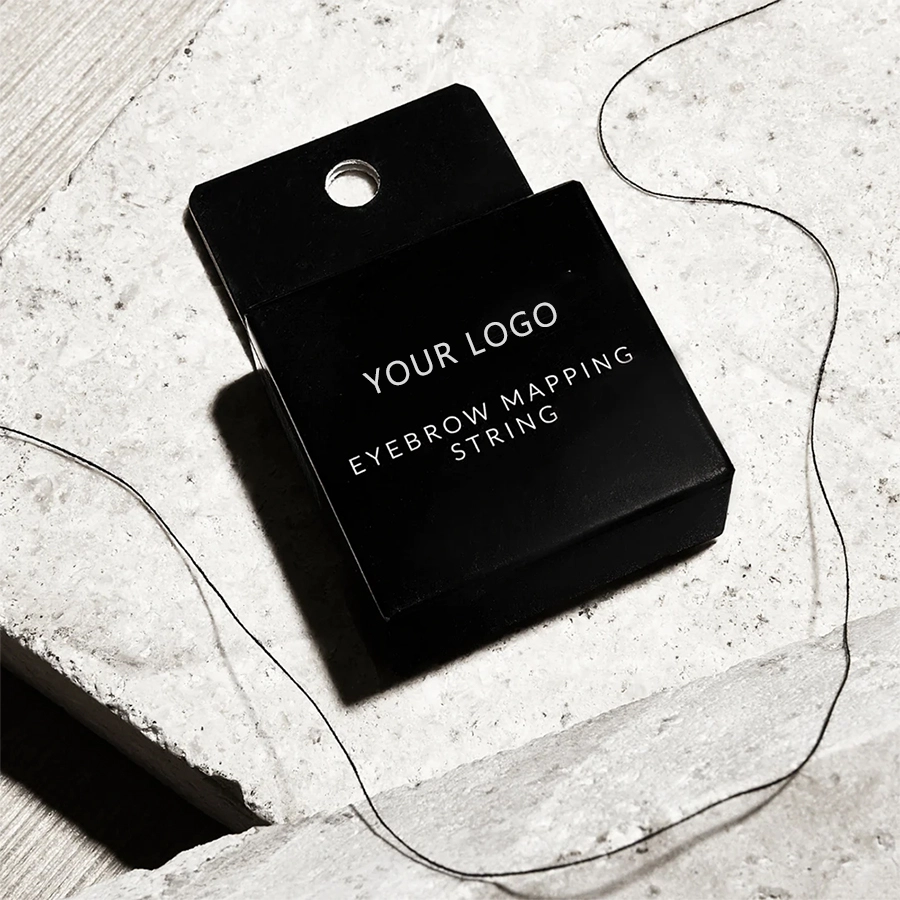
Microblading Pre-inked Mapping String Line 10m
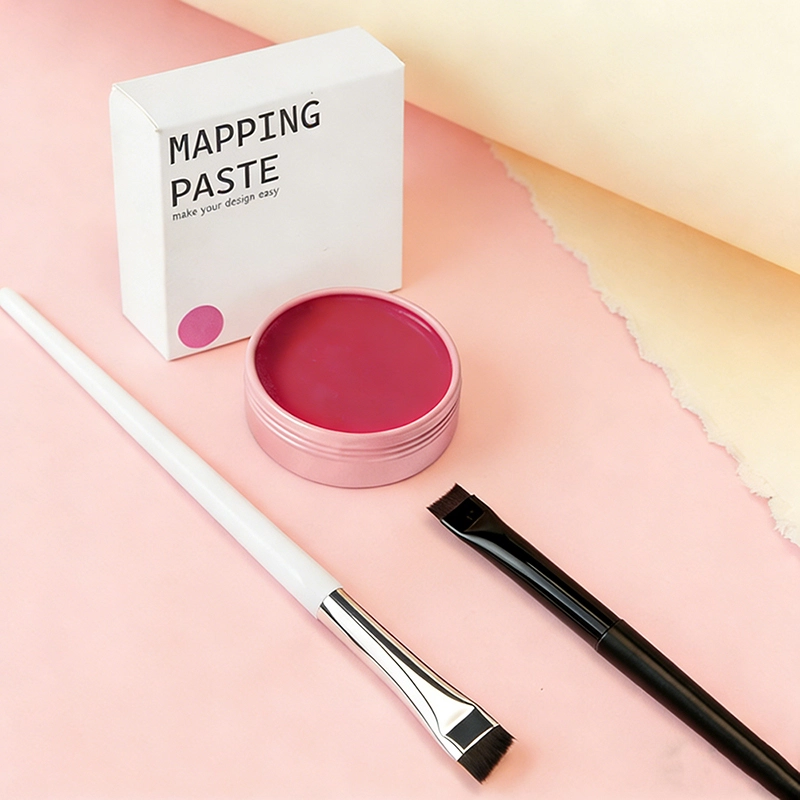
Pre-inked Mapping Ultra-Fine Eyebrows Eyeliner Blade Fan Brush

Instagram
Facebook
YouTube