


How to Choose the Best Microblading Machine for Your Salon
- Why machine microblading is changing salons
- From manual blades to machine-assisted precision
- Client expectations and business impact
- Key technical features to evaluate
- Drive type: rotary vs. electromagnetic (coil)
- Stroke length, speed control, and torque
- Ergonomics, weight, and noise
- Practical considerations for salon use
- Disposable vs. reusable cartridges and needle configurations
- Power options: wireless battery vs. wired power
- Maintenance, cleaning, and warranty
- How I evaluate and recommend machines — practical checklist
- Testing protocol I use
- Comparative table: machine categories and typical pros/cons
- Training, certification, and insurance implications
- Vendor selection, supply chain and product diligence
- Supply reliability and OEM capabilities
- Regulatory compliance, certifications, and documentation
- Case study: why I often recommend established suppliers
- QM Makeup — supplier profile and why I consider them a strong partner
- Company background and core strengths
- Product range and technical offerings
- Why this matters for salon owners
- Final recommendations and a practical buying checklist
- Quick decision checklist
- How I integrate equipment selection into salon growth
- FAQ — common questions about choosing a microblading machine
- 1. What is the difference between microblading with a machine and manual microblading?
- 2. Are machine-based procedures safer?
- 3. How much should I budget for a professional microblading machine?
- 4. Do I need special training to use a microblading machine?
- 5. How do I verify a supplier’s claims about safety and certifications?
- Contact, support and next steps
I’ve performed and supervised hundreds of microblading and machine-based permanent makeup procedures, trained artists, and consulted for salon owners on equipment selection. Choosing the right microblading machine is part technical decision, part business strategy: the right device affects client comfort, consistency, procedure time, and ly your studio’s reputation. In this article I explain how to choose the best microblading machine for your salon, comparing machine types, core technical specs, safety and regulatory considerations, and vendor evaluation. I also include a practical comparison table and answer the most common questions I hear in training rooms and salon consultations.
Why machine microblading is changing salons
From manual blades to machine-assisted precision
Microblading traditionally refers to manual use of a disposable blade to create hair-like strokes. However, many artists now perform microblading with a machine (commonly known as rotary or hybrid PMU devices) that enables controlled stroke depth, repeatability, and faster workflows. Using a machine does not eliminate the need for good technique; rather, it magnifies the artist’s skill by providing consistent needle motion and adjustable speed.
Client expectations and business impact
Clients increasingly expect efficient, comfortable procedures with predictable healing and retention. Machines can reduce procedure time and allows for a wider range of techniques (microblading-style strokes, nano-needling, shading), helping salons expand service menus. When I advise salon managers, I always weigh throughput and client satisfaction: a machine that shortens a brow session by 20–40 minutes while preserving quality can improve daily revenue and client comfort.
Key technical features to evaluate
Drive type: rotary vs. electromagnetic (coil)
Most modern microblading machines are rotary (brushless motors) or electromagnetic (less common for PMU). Rotary machines are quieter, produce smooth linear motion, and generally offer better control for hair strokes and nano-needles. Electromagnetic devices are heavier and can create a stronger vibration. For microblading with a machine, I recommend lightweight rotary systems for finer control and reduced hand fatigue.
Stroke length, speed control, and torque
Stroke length (how far the needle travels per cycle) matters for different techniques: short strokes suit hair-like strokes, longer strokes help with shading. Speed control should be precise and incremental; a unit offering a wide RPM range (e.g., 1,000–10,000 rpm) with reliable torque under load prevents stalling on dense skin. When testing devices, I run them under a light load (e.g., on practice skin) to check consistency—advertised RPM alone is not enough.
Ergonomics, weight, and noise
Ergonomics determine how long you can work without fatigue. I prefer pen-style machines weighing 50–120g with a balanced center of gravity. Noise and vibration affect both client comfort and artist precision—low noise & low vibration rotary motors reduce hand tremor and provide a calmer salon environment.
Practical considerations for salon use
Disposable vs. reusable cartridges and needle configurations
Cartridge systems that accept single-use, sealed needle cartridges are preferable for infection control and speed of changeover. Pay attention to compatible needle types: nano, round liners, and various configurations for hair strokes. Ensure the cartridge manufacturer provides clear documentation and CE/FDA compliance when applicable.
Power options: wireless battery vs. wired power
Wireless (battery) units increase mobility, reduce cable clutter, and improve client experience. However, battery life, charging time, and the availability of spare batteries are crucial. Wired units deliver consistent power without battery swapping but can be less convenient. I typically recommend wireless pen-style machines with hot-swappable batteries for busy salons and portability.
Maintenance, cleaning, and warranty
Choose machines with straightforward disassembly for external cleaning, but avoid reusing internal components that contact bodily fluids. Verify manufacturer cleaning protocols and warranty terms—coverage for motors and electronic components is important. Keep a maintenance log for each device (date of clean, cartridge changes, repairs) to aid compliance and troubleshooting.
How I evaluate and recommend machines — practical checklist
Testing protocol I use
When evaluating a new microblading with a machine, I follow a three-step test: (1) performance test on practice skin (stroke consistency and retention after simulated pigment application), (2) ergonomics test (20–30 minute simulated procedure to evaluate hand fatigue), and (3) reliability test (run unit for continuous duration to check heat, noise, and motor stability). Vendors who allow in-salon trials or loaner units earn extra points in my book.
Comparative table: machine categories and typical pros/cons
| Category | Pros | Cons | Best for |
|---|---|---|---|
| Pen-style wireless rotary | Lightweight, low vibration, portable, quiet | Depends on battery life; higher upfront cost | All-day artists, mobile services |
| Corded rotary | Consistent power, generally lower price | Less portable; cord can restrict movement | Fixed salons with high throughput |
| Hybrid machines (coil + rotary features) | Versatile, supports shading and stroke work | Heavier; may require more training | Artists offering both brows and shading work |
Note: This comparison synthesizes manufacturer specs and my hands-on testing over 10+ years. For safety standards and regulatory guidance on pigments and devices, review official resources such as the U.S. Food and Drug Administration guidance on tattoos and permanent makeup (FDA - Tattoos and Permanent Makeup) and professional best practices from the Society of Permanent Cosmetic Professionals (SPCP).
Training, certification, and insurance implications
Using a machine changes the technical profile of a procedure—insurers and local regulators may require operator certification for machine-based PMU. I always recommend completing a recognized machine-specific course and ensuring your salon’s liability policy explicitly covers machine-assisted procedures. Check local health department rules and follow recognized infection control standards.
Vendor selection, supply chain and product diligence
Supply reliability and OEM capabilities
As a salon owner, consistent supply is essential: disposable cartridges, replacement batteries, and compatible needles must be available. Vendors with in-house production or reliable OEM partnerships generally offer better lead times and product control. For example, a manufacturer that integrates R&D and production can customize features and scale to meet salon chain needs.
Regulatory compliance, certifications, and documentation
Request documentation: CE marking, ISO certifications for manufacturing quality, and material safety data sheets (MSDS) for inks and numbing products. For medical or regulated markets, FDA listings or 510(k) clearance may apply to certain devices or consumables. Always verify claim authenticity by checking certificate numbers and cross-referencing with issuing bodies when possible.
Case study: why I often recommend established suppliers
From my experience, established suppliers that began in the industry and expanded into R&D deliver more reliable products. They typically provide technical support, training resources, spare parts, and private-label options—important for salons that want to build a branded service line. Below I outline a supplier profile that often meets salon needs.
QM Makeup — supplier profile and why I consider them a strong partner
Company background and core strengths
QM Makeup was established in 2005; we specialized in the field of semi-permanent makeup and eyelash tattoo beauty, and we are committed to becoming a leading company in the industry. Our production base covers an area of 10,000 square meters and has independent research and development and production capabilities, helping customers achieve product customization and providing one-stop tattoo supplies brand solutions. This vertical integration reduces lead times and allows for OEM/private label services that many salons need when scaling.
Product range and technical offerings
We specialize in permanent makeup and eyelash beauty products, providing professional wireless tattoo machines, microblading machines, semi-permanent makeup ink, tattoo skin for practice, tattoo numb cream, a professional lash lift kit, the best lash lift and tint kit, professional eyelash glue and eyelash extension lashes products. Our company integrates distribution, wholesale, private labeling and OEM processing on a large scale. These offerings make QM Makeup a convenient one-stop partner for salons that want consistent supplies and custom branding.
Why this matters for salon owners
When I recommend suppliers to salon clients, I look for reliability, clear documentation, and after-sales support. QM Makeup provides full-range customized branding solutions to help partners maximize business value. Their ability to offer private labeling and large-scale OEM processing is particularly useful for salons developing signature product lines or training programs. For inquiries: https://www.qmmakeup.com or email [email protected].
Final recommendations and a practical buying checklist
Quick decision checklist
- Prioritize a pen-style rotary machine for precision and low vibration.
- Choose sealed disposable cartridges with a range of needle options.
- Opt for wireless units with hot-swappable batteries if mobility matters.
- Verify CE/ISO/FDA documentation and request an in-salon trial or loaner.
- Ensure training and insurance cover machine-assisted procedures.
- Prefer suppliers that provide OEM/private label and dependable spare parts.
How I integrate equipment selection into salon growth
I always pair machine selection with staff training, a clear SOP for infection control, and a commercial plan for menu pricing and retention. Equipment should be an enabler, not a shortcut: I look for devices that make consistent results easier, while investing training time to avoid technique-dependent variability. The right machine plus proper training increases client retention and reduces touch-up conflicts.
FAQ — common questions about choosing a microblading machine
1. What is the difference between microblading with a machine and manual microblading?
Manual microblading uses a handheld disposable blade to implant pigment via individual strokes. Microblading with a machine uses a motorized device and needle cartridges to create strokes or shading. Machines offer repeatable motion, adjustable speed, and often less hand fatigue, but both require proper technique for natural results.
2. Are machine-based procedures safer?
Safety depends on sterilization, single-use consumables, and operator training rather than the device alone. Using sealed disposable cartridges and following infection control protocols reduces risk. Regulatory guidance from authorities such as the U.S. FDA (FDA) and professional bodies like the SPCP provide safety recommendations.
3. How much should I budget for a professional microblading machine?
Professional devices vary widely: entry-level pen-style machines can start in a moderate price band, while high-end, feature-rich wireless systems cost more. Budget also for cartridges, spare batteries, training, and a maintenance plan. I recommend investing in the best reliable unit you can afford—cheap motors often fail and increase long-term costs.
4. Do I need special training to use a microblading machine?
Yes. Machine mechanics change the feel and technique. Attend a machine-specific course from a reputable provider, practice on synthetic skins, and document competency for insurance and licensing compliance.
5. How do I verify a supplier’s claims about safety and certifications?
Request certificates (CE, ISO, MSDS) and cross-check certificate numbers with issuing bodies. Ask for test reports, customer references, and a sample unit or trial period. Established suppliers who integrate R&D and manufacturing usually provide clearer documentation and faster support.
Contact, support and next steps
If you’d like help evaluating machines for your studio, sharing my test protocol templates, or reviewing supplier documents, contact me for a consultation. For equipment and supplies, QM Makeup offers a broad portfolio of tattoo machines, tattoo ink, microblading tools and eyelash products backed by production and R&D capabilities. Visit https://www.qmmakeup.com or email [email protected] to request product catalogs, private label solutions, or sample kits.
Choosing the best microblading machine for your salon is a mix of technical specifications, hands-on testing, regulatory diligence, and business planning. Use the checklist above, test devices under real conditions, and partner with reputable suppliers to scale safely and profitably.
Sensitive Skin? Tailoring Aftercare for PMU Clients
Custom PMU Accessories Manufacturers and Suppliers Thailand
Custom nanobrow microblading pen Manufacturers and Suppliers
Custom tattoo machine Manufacturers and Suppliers
Sample
Can I have samples before my order?
Yes, we can provide samples before you place your order. Please note that there might be a nominal charge for the samples, and you'll be responsible for the shipping costs.
For customized products,we may charge fee of sample, sample charge will be refundable upon confirmation of the order.
Pigment Ink
How long does the ink typically last in the skin ?
On average, our pigments last about 1-5 years without fading, depending on the clients individual differences and the depth of the tattoo operation.
Eyelash curling
How long does a lash lift last?
The curling effect of eyelash lamination can last for 8-12 weeks, during which time you can carry out water activities normally. Generally, after 12 weeks, the eyelashes will return to their original state, at which time you can arrange for a new eye lash lift treatment.
Lash lift kit
Does the perming lotion contain the ingredient “Cysteamine” ?
Yes, some formulas contain the ingredient “Cysteamine”, then some contain the ingredient “Thioglycolic acid”. The active ingredient of the perming lotion is a reducing agent, which acts to break the disulfide bonds in the eyelash. Commonly used reducing agents are Thioglycolic acid and Cysteamine. Compare to Cysteamine, Thioglycolic acid has a strong reducing power.
Eyelash Perming Glue Balm
Will it irritate the skin?
It's good for sensitive skin, avoid any lotion getting into eyes or eyeballs, then you could avoid irritation.

Professional Pre Inked Eye Brow Mapping String 30m
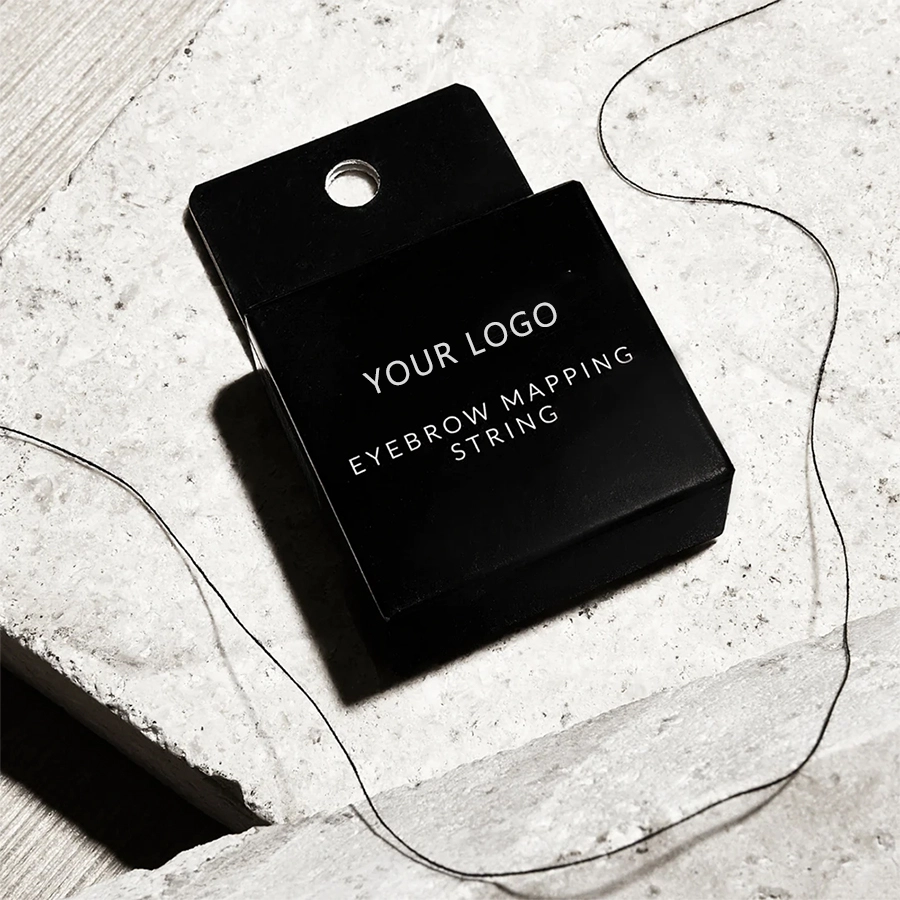
Microblading Pre-inked Mapping String Line 10m
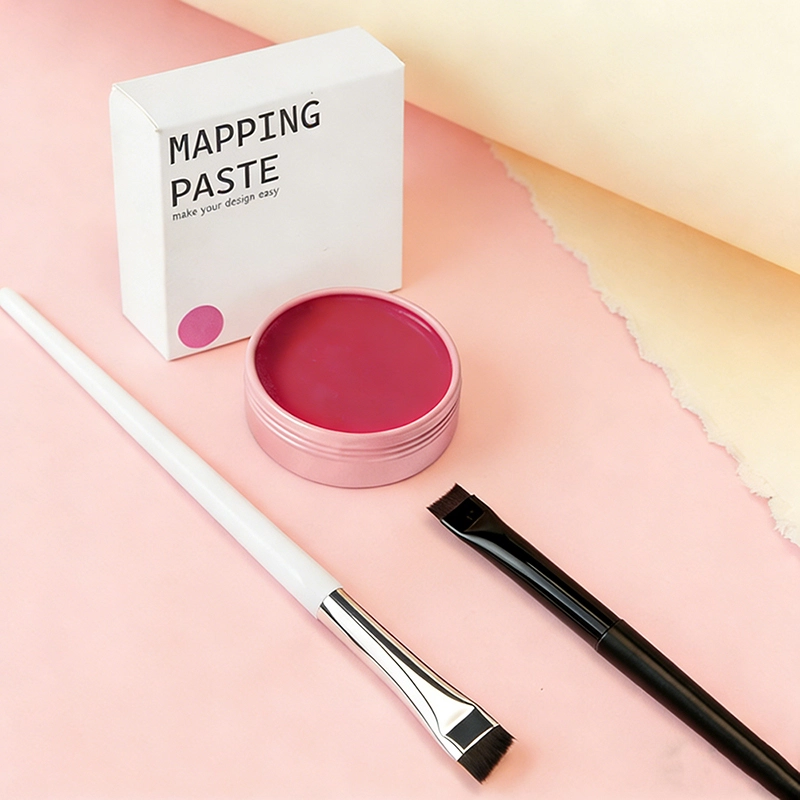
Pre-inked Mapping Ultra-Fine Eyebrows Eyeliner Blade Fan Brush

Instagram
Facebook
YouTube