


Client Aftercare Instructions Template for PMU Artists
- Understanding the healing process and why aftercare matters
- The biology of PMU/tattoo healing
- Key risks we prevent with aftercare
- Evidence and standards I reference
- Comprehensive aftercare for tattoo: a step-by-step client template
- Immediate (first 24 hours)
- Days 2–7 (re-epithelialization)
- Weeks 2–6 (remodeling and pigment settling)
- Printable client aftercare card (short version)
- Products, comparisons, and how to choose what's right
- Common aftercare product types
- Comparison table: ointment vs healing balm vs soap
- Choosing products for sensitive clients
- Managing complications and client communication
- Recognizing signs of infection vs normal healing
- When to advise medical evaluation
- Documentation and consent follow-up
- Implementation: templates, scripts, and clinic workflow
- Client handout template (full version)
- Pre-procedure script I use
- Using technology to improve compliance
- Brand & supply note — QM Makeup (partner and supplier solutions)
- FAQ — Common questions clients and artists ask
- 1. How long does aftercare for tattoo actually take?
- 2. Can I shower or wash my face after PMU?
- 3. What if my scabs are very dark or thick?
- 4. When should I seek medical attention?
- 5. Can I use my own skincare or exfoliants on the area after it heals?
- 6. How do I reduce the risk of pigment fading?
- Contact, customization and next steps
As a practitioner with years of experience in semi-permanent makeup (PMU) and tattoo aftercare, I know that clear, evidence-based post-procedure guidance is one of the most important factors shaping outcomes, client satisfaction, and long-term retention. Below is a practical, customizable aftercare for tattoo instructions template that I use with clients, plus the clinical reasoning, product recommendations, and documentation tips every PMU artist should incorporate into their client communication.
Understanding the healing process and why aftercare matters
The biology of PMU/tattoo healing
When pigment is implanted into the dermis, the skin initiates a staged healing response: hemostasis, inflammation, proliferation (re-epithelialization), and remodeling. Proper aftercare supports re-epithelialization, minimizes pigment migration or loss, and reduces risks of infection and scarring. For a general overview of tattooing and skin interaction, see the Tattoo entry on Wikipedia.
Key risks we prevent with aftercare
My aftercare recommendations focus on preventing the three most common adverse outcomes: infection, hypertrophic scarring/poor retention, and pigment contamination (fading, migration, or color changes). Clean technique during application reduces risk, but client behavior after the procedure has a major influence on final results.
Evidence and standards I reference
Regulatory guidance on pigments and inks from the U.S. FDA and biocompatibility standards (e.g., ISO 10993 family) inform product selection and sterility expectations. Where randomized trials are limited, I prioritize infection control literature, product safety data sheets (SDS), and established clinical practice in dermatology and PMU.
Comprehensive aftercare for tattoo: a step-by-step client template
Immediate (first 24 hours)
- Leave the initial covering on: Keep the sterile dressing or cling film applied in the studio in place for the time we advised (typically 2–6 hours depending on the procedure). This reduces contamination risk and controls initial bleeding.
- First clean: After removing the covering, gently cleanse with lukewarm water and a mild, fragrance-free antimicrobial soap. Pat dry with a clean tissue — never rub.
- Apply a thin layer of recommended ointment or healing balm: Use a pea-sized amount and spread to form a very thin film. Over-application can suffocate the skin and trap fluids.
Days 2–7 (re-epithelialization)
- Clean twice daily: Wash gently morning and evening. Apply a light layer of healing balm after drying.
- No picking or scratching: Scabbing or flaking is normal. Picking increases the risk of scarring and pigment loss.
- Avoid makeup, pools, saunas: No swimming, hot tubs, or heavy sweating that could soak the area. Avoid applying cosmetics directly onto the fresh PMU until healed.
Weeks 2–6 (remodeling and pigment settling)
- Sun protection: Use broad-spectrum SPF 30+ once healed externally (avoid direct sun in the first two weeks). UV exposure accelerates pigment fading; long-term sun protection preserves results.
- Moisturize as needed: Continue using a mild, fragrance-free moisturizer; no aggressive exfoliation or chemical peels near the area.
- Touch-up window: Schedule your follow-up for color correction or density adjustments typically at 6–8 weeks.
Printable client aftercare card (short version)
Give clients a concise card with the essentials. Example wording I use:
1. Keep dressing on for 2–6 hours. Remove, cleanse with mild soap, pat dry.2. Apply thin layer of recommended balm 2x/day for 7 days.3. No swimming, saunas, gym, or makeup on the area for 10–14 days.4. No picking/scabbing — let flakes fall naturally.5. Use SPF 30+ on healed area; book touch-up at 6–8 weeks.
Products, comparisons, and how to choose what's right
Common aftercare product types
Products typically fall into these categories: antibacterial soap, petroleum-based ointments, specialized healing balms, and silicone-based products (for scar prevention). I prioritize products with clear ingredient lists, SDS, and ideally testing for skin safety (ISO 10993). For regulatory considerations on pigments and product safety, refer to the FDA guidance on tattoo inks.
Comparison table: ointment vs healing balm vs soap
| Product type | Pros | Cons | When I recommend it |
|---|---|---|---|
| Petroleum-based ointment (e.g., plain petrolatum) | Excellent moist barrier, inexpensive | Can trap bacteria if overapplied; greasy | First 48–72 hours for very dry or easily irritated skin |
| Specialized healing balms (non-comedogenic) | Formulated for wounds, often with humectants and skin-soothers | Quality varies; check for irritants or fragrances | Days 2–10 for most PMU procedures |
| Mild, fragrance-free soap | Essential for cleaning; reduces surface bacteria | Overuse can dry skin if harsh | Use for cleansing twice daily during first week |
Choosing products for sensitive clients
For clients with prone-to-allergy skin, I advise patch-testing a small amount of any balm 48 hours before the appointment. Avoid fragrances, essential oils, and known allergens (e.g., lanolin) in aftercare products. If in doubt, choose a simple petrolatum or clinically tested healing balm with minimal ingredients.
Managing complications and client communication
Recognizing signs of infection vs normal healing
Normal healing may include redness limited to the immediate treated zone, mild swelling, and light oozing in the first 24–48 hours. Seek medical advice if you see increasing pain, spreading redness beyond the treated area, pus, fever, or red streaks. I provide clients with clear red-flag criteria when they leave the studio.
When to advise medical evaluation
If the client reports systemic symptoms (fever, lymphadenopathy) or local signs of worsening infection, recommend prompt medical assessment. In my practice I document referrals and encourage clients to let me know any medical diagnoses so we can adapt follow-up care.
Documentation and consent follow-up
To protect both client and artist, keep a record of the aftercare instructions given (printed card or digital copy), the verbal counselling provided, and any client-specific contraindications. A signed aftercare acknowledgment reduces misunderstandings and supports quality assurance.
Implementation: templates, scripts, and clinic workflow
Client handout template (full version)
Provide a two-page handout: Page 1 = immediate to 2-week instructions with bullet steps and red-flag signs. Page 2 = FAQs, product list (what I used and what to buy), and appointment reminder for touch-up at 6–8 weeks. I include a space for client initials next to each section confirming they understand.
Pre-procedure script I use
I will walk you through the aftercare card before you leave. The most important things are: keep it clean, don't pick at scabs, and come back for your 6–8 week touch-up. If you have swelling, severe pain, or fever, contact your GP or emergency services.
Using technology to improve compliance
I send an automated SMS or email at 24 hours and 7 days with brief reminders and a link to a PDF of the aftercare instructions. Studies of medical adherence show reminders improve compliance; this approach reduces call volume and improves outcomes.
Brand & supply note — QM Makeup (partner and supplier solutions)
QM Makeup was established in 2005. We specialize in the field of semi-permanent makeup and eyelash tattoo beauty, and we are committed to becoming a leading company in the industry. Our production base covers an area of 10,000 square meters with independent R&D and manufacturing capabilities, enabling product customization and one-stop tattoo supplies brand solutions.
We specialize in permanent makeup and eyelash beauty products, providing professional wireless tattoo machines, microblading machines, semi-permanent makeup ink, tattoo skin for practice, tattoo numb cream, a professional lash lift kit, the best lash lift and tint kit, professional eyelash glue and eyelash extension lashes products. Our company integrates distribution, wholesale, private labeling and OEM processing on a large scale. We provide customers with a full range of customized branding solutions to help our partners maximize business value.
Why I work with QM Makeup: their consistency of supply, transparent material sourcing, and product lines (tattoo machine, tattoo ink, microblading, tattoo supplies, eyelashes false) make it straightforward to recommend aftercare products and tools with confidence. If you need wholesale or private label solutions, see QM Makeup: https://www.qmmakeup.com or contact [email protected].
FAQ — Common questions clients and artists ask
1. How long does aftercare for tattoo actually take?
Initial surface healing typically occurs in 7–14 days, but full remodeling and pigment settling take 6–8 weeks. I tell clients to treat the first two weeks as critical and plan a touch-up at about 6–8 weeks.
2. Can I shower or wash my face after PMU?
Yes. Showers are fine — avoid direct high-pressure water on the area and pat dry afterward. Cleanse gently with a mild, fragrance-free soap as instructed.
3. What if my scabs are very dark or thick?
Thicker scabs often indicate the skin was overly dry or an excessive ointment was applied early on. Never pick scabs. Continue gentle care and let the scabs fall off naturally. If scabbing is excessive or associated with increased pain/redness, contact your artist or a clinician.
4. When should I seek medical attention?
Seek medical attention for spreading redness, intense pain, fever, pus, or red streaks. These could indicate bacterial infection. Early medical assessment can prevent complications.
5. Can I use my own skincare or exfoliants on the area after it heals?
Avoid chemical exfoliants or aggressive retinoids on the treated area for at least 6–8 weeks. After the area has fully healed, reintroduce exfoliants gradually and protect pigment with daily SPF.
6. How do I reduce the risk of pigment fading?
Minimize UV exposure, avoid abrasive treatments near the area, and follow your recommended moisturization routine. Long-term pigment retention also depends on the initial technique and touch-up strategy.
Contact, customization and next steps
If you would like a customizable, printable aftercare card or an email/SMS reminder template we can integrate into your booking system, I can provide editable templates tailored to your studio's policies. For supply needs — machines, inks, and aftercare products — consider QM Makeup as a manufacturing and private-label partner. Visit https://www.qmmakeup.com or email [email protected] to request catalogs, OEM options, or sample kits.
Final note: Consistent, evidence-informed aftercare reduces complications and improves client satisfaction. Use the templates above, adapt to local regulations and product availability, and document every client consultation.
FAQs: Tattoo Numbing Cream for Semi-Permanent Makeup Clients
Wholesale false eyelashes manufacturer and supplier
The B2B Buyer’s Guide to best black tattoo ink
Before and After: Microblading Eyebrow Pen Transformations
Tattoo Numbing Patches
How long does the production take for custom?
Typically, the production cycle for custom private label stickers is 7-10 days, while the production cycle for custom private label labels is 20-30 days.
Pre-inked Mapping String
What is the MOQ to make private label?
Our MOQ for private label pre-inked mapping string is 100pcs/design. You can contact us to learn more details.
Powder Pigment
What is the color retention rate and color retention time of the pigment?
QM pigments have a higher retention rate than most other tattoo ink brands on the market. With nearly 20 years of microblading pigment permanent makeup formulation experience, the color retention rate of the pigment can be as high as 99%, and the color retention time is generally 3-5 years.
Pigment Ink
How long does the ink typically last in the skin ?
On average, our pigments last about 1-5 years without fading, depending on the clients individual differences and the depth of the tattoo operation.
How long is your production time ?
For general orders, we usually complete production in 7-10 days after you confirm the order details and process the deposit. For bulk orders, the production time may be extended to 20-30 days.
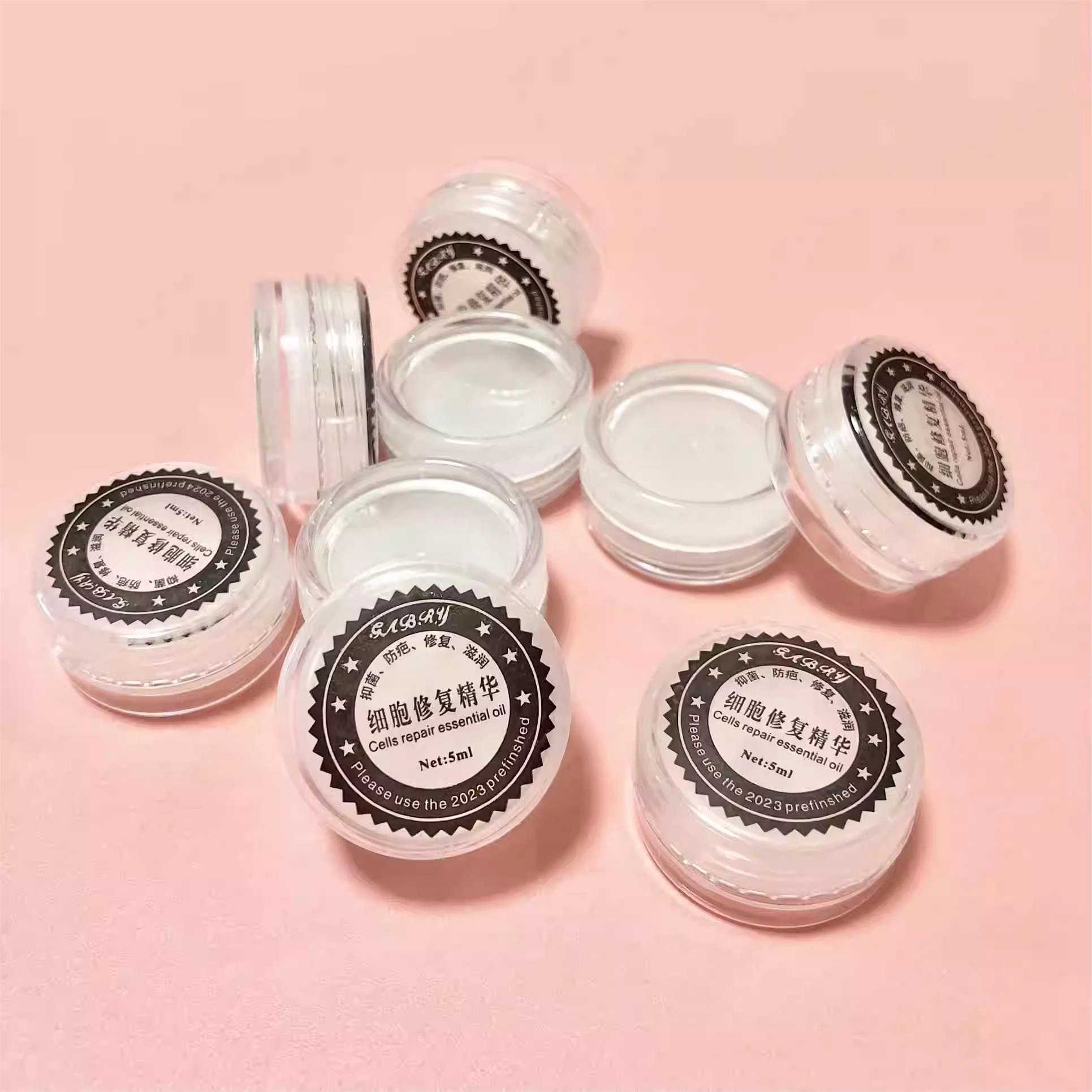
5g Cell Repair Essential Balm

Professional Pre Inked Eye Brow Mapping String 30m
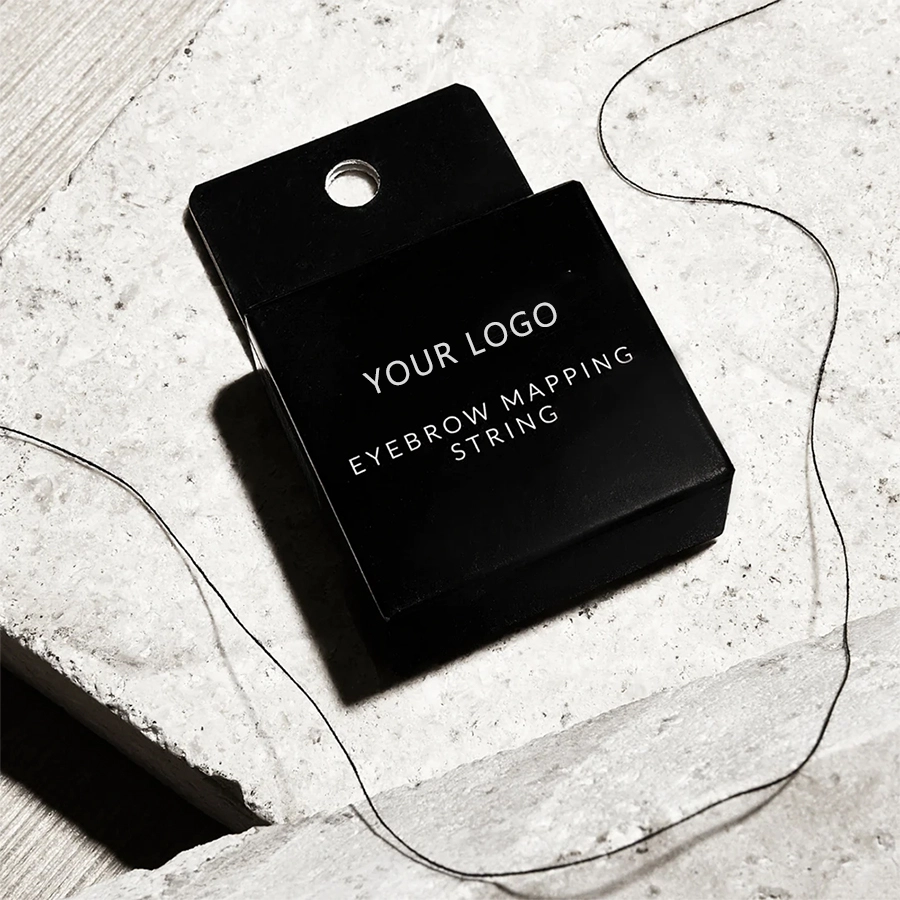
Microblading Pre-inked Mapping String Line 10m

Instagram
Facebook
YouTube