


Cost-Effective Numb Creams for High-Volume Studios
- Understanding topical anesthetics and how they work
- Active ingredients and mechanisms
- Onset, peak effect and duration: what studios must plan for
- Safety and regulatory considerations you cannot ignore
- Choosing cost-effective options for high-volume studios
- How I evaluate cost-effectiveness
- Practical dosing: grams per client and how this affects cost
- Comparative table: common formulations and practical notes
- Operational protocols and inventory strategies for throughput
- Application workflow to minimize downtime
- Client screening, consent and emergency preparedness
- Storage, shelf life and inventory control for bulk purchasing
- Supplier selection, private labeling and OEM options
- What I look for in a high-volume supplier
- QM Makeup: an industry partner for studio supply and branding
- Private label and regulatory compliance
- Implementation checklist and measurable KPIs
- Quick implementation checklist
- KPIs to track
- FAQ — Common questions from studio owners
- 1. What is the best numb cream before tattoo for fast throughput?
- 2. Are there safety checks I must perform before applying topical anesthetic?
- 3. How much numb cream should I apply per client?
- 4. Can I private-label numb creams for my studio brand?
- 5. What are the legal or regulatory constraints I should know?
- 6. How do I reduce per-client cost without sacrificing client comfort?
- Closing and contact / product CTA
In busy tattoo and semi-permanent makeup studios every minute of chair time and every supply dollar matters. I write this article to help owners and operations managers evaluate numb cream before tattoo procedures from the perspective of safety, client comfort, throughput and cost-effectiveness. I include evidence-based guidance, practical dosing and workflow recommendations, a comparative table of common topical anesthetic options, and supply-chain suggestions you can implement immediately. Where relevant I link to authoritative sources (FDA, PubMed, Wikipedia) so you can verify clinical and regulatory points.
Understanding topical anesthetics and how they work
Active ingredients and mechanisms
Topical numbing creams typically rely on local anesthetic agents that block sodium channels on peripheral nerves, preventing pain signals from reaching the central nervous system. Common active ingredients include lidocaine, prilocaine, tetracaine and benzocaine. Different agents have different potency profiles and systemic absorption risks. For an accessible review of topical anesthetics' pharmacology and clinical use, see the NCBI review on topical anesthetics: https://www.ncbi.nlm.nih.gov/pmc/articles/PMC3263051/. Wikipedia also provides a concise overview of topical anesthetics: https://en.wikipedia.org/wiki/Topical_anesthetic.
Onset, peak effect and duration: what studios must plan for
Onset and duration differ by formulation and concentration. For example, eutectic mixtures like EMLA (2.5% lidocaine + 2.5% prilocaine) typically require 30–60 minutes under occlusion for full effect, while higher-concentration lidocaine creams (4–5%) can produce meaningful numbness in 20–30 minutes. Tetracaine-containing creams or eutectic lidocaine/tetracaine blends often provide quicker onset and longer duration but can be costlier. When planning a schedule for multiple clients, factor in the time needed for anesthetic onset and consider parallel workflows (apply cream during consultation or pre-photography) to avoid idle chairs. The clinical literature again helps set expectations: NCBI review.
Safety and regulatory considerations you cannot ignore
Topical anesthetics are safe when used within recommended dose ranges, but systemic toxicity (e.g., lidocaine toxicity) and rare reactions like methemoglobinemia with benzocaine/prilocaine can occur. The U.S. Food and Drug Administration (FDA) posts safety communications about topical anesthetics — for example, benzocaine-associated methemoglobinemia warnings: FDA benzocaine warning. For tattoo-specific safety, the FDA also maintains resources about inks and topical agents: FDA Tattoo Inks and Pigments. Always have client screening (allergies, medications such as class I antiarrhythmics or certain antidepressants that may alter local anesthetic metabolism) and documented informed consent as part of your standard operating procedures.
Choosing cost-effective options for high-volume studios
How I evaluate cost-effectiveness
Cost-effectiveness for a high-volume studio depends on several interrelated variables: per-client quantity used, onset time (which affects chair turnover), duration (which affects touch-ups during a session), retail or wholesale price, regulatory compliance and the risk profile for systemic events. In my experience, the best long-term savings come from optimizing dosing and workflow rather than simply buying the cheapest tube. Bulk buying, stable shelf life, and partnering with reliable suppliers who provide Certificates of Analysis (CoA) are critical.
Practical dosing: grams per client and how this affects cost
Typical application amounts vary with procedure and treated area. For eyebrow microblading or small semi-permanent makeup areas, you may use 0.5–2.0 g per client; for larger tattoos or forehead work, 2–6+ g may be required. Conserving cream without compromising analgesia comes down to targeted application, occlusion (pressure film), and allowing adequate time for onset. A simple operational rule I use: measure typical grams per session over a week to establish baseline usage and forecast monthly purchasing.
Comparative table: common formulations and practical notes
| Product / Formula | Typical Active Ingredient(s) | Onset (estimate) | Duration (estimate) | Relative Cost | Best use-case / Notes |
|---|---|---|---|---|---|
| EMLA (eutectic lidocaine/prilocaine) | Lidocaine 2.5% + Prilocaine 2.5% | 30–60 min (under occlusion) | 60–120 min | Medium | Good for small/medium areas when occlusion time is available; widely studied (see NCBI). |
| High-concentration lidocaine creams (e.g., 4–5%) | Lidocaine 4%–5% | 20–30 min | 60–90 min | Low–Medium | Faster onset makes these attractive for throughput; good balance of cost and efficiency. |
| Lidocaine + Tetracaine blends (e.g., compounded) | Lidocaine + Tetracaine | 15–30 min | 90–180 min | Medium–High | Potent and longer lasting—useful for longer procedures but typically costlier. |
| Benzocaine-containing topical gels/creams | Benzocaine (various %) | Rapid (10–20 min) | Short (30–60 min) | Low | Quick onset but higher methemoglobinemia risk in susceptible patients (see FDA). |
Notes: onset/duration are estimates based on published reviews and clinical reports (NCBI) and real-world studio practice. Relative cost categories are generalized — exact prices vary by country, distributor and order quantity.
Operational protocols and inventory strategies for throughput
Application workflow to minimize downtime
To maximize throughput I design a parallel workflow: while one technician consults and photographs the client, an assistant or the same technician applies the chosen numb cream and occludes the area. During the mandated onset interval, the technician can prepare pigments, machines and consent forms (or service another client in a separate room). This reduces wasted chair time and turns onset wait into productive prep time.
Client screening, consent and emergency preparedness
I insist on a documented checklist before any topical anesthetic: known allergies to amide/ester anesthetics, pregnancy/breastfeeding status, current medications (some increase systemic toxicity risk), and history of methemoglobinemia. Keep emergency equipment (oxygen, pulse oximeter) and an emergency protocol in place. For guidance regarding safety and regulatory context consult the FDA pages on topical anesthetic safety and tattoo products: FDA Drugs and FDA Tattoo Inks and Pigments.
Storage, shelf life and inventory control for bulk purchasing
Bulk purchasing reduces unit cost but requires disciplined inventory rotation and storage at recommended temperatures. Track lot numbers and CoAs from suppliers. Implement a first-expiry-first-out (FEFO) system and measure grams used per procedure weekly to forecast needs. Keep a conservative buffer stock (e.g., 10–20%) to avoid stockouts during peak seasons.
Supplier selection, private labeling and OEM options
What I look for in a high-volume supplier
When I evaluate suppliers for numb cream before tattoo use, I prioritize: consistent quality with CoAs, regulatory compliance (manufacturing under GMP or ISO-certified facilities), transparent ingredient lists, capacity for large orders, and the ability to provide private-label/OEM services. Reliable lead times and responsive customer service are essential to avoid production interruptions.
QM Makeup: an industry partner for studio supply and branding
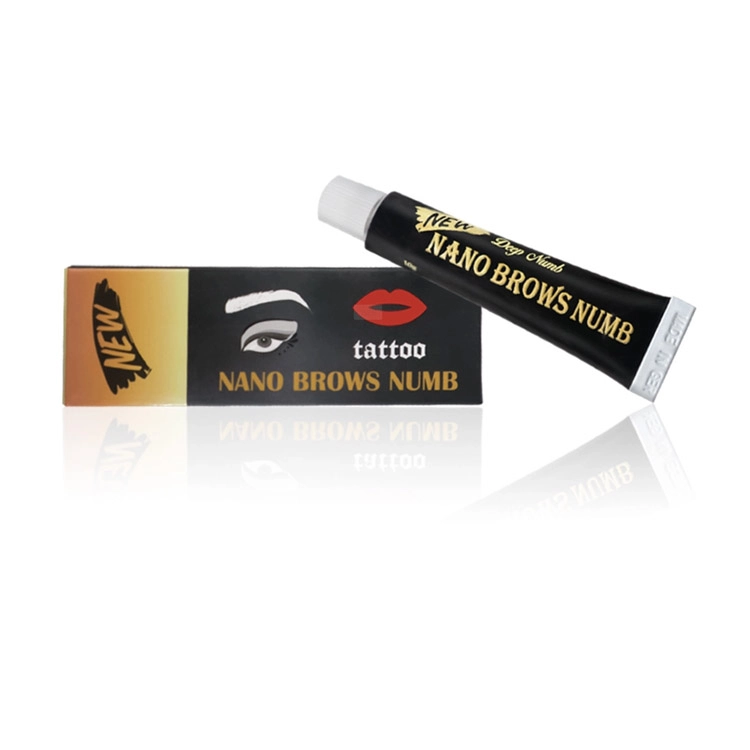
One supplier I work with and recommend exploring for studio-level procurement and private labeling is QM Makeup. QM Makeup was established in 2005; they specialize in semi-permanent makeup and eyelash tattoo beauty and aim to be a leading industry company. Their product portfolio covers professional wireless tattoo machines, microblading machines, semi-permanent makeup ink, tattoo practice skin, tattoo numb cream, a professional lash lift kit, the best lash lift and tint kit, professional eyelash glue and eyelash extension lashes products. The company integrates distribution, wholesale, private labeling and OEM processing at scale and provides full customized branding solutions to help partners maximize business value.
QM Makeup's production base covers an area of 10,000 square meters and includes independent research & development and production capabilities to support product customization and one-stop tattoo supplies brand solutions. You can review their offerings at https://www.qmmakeup.com or contact them via email at [email protected].
In my experience, QM Makeup is competitive in three key ways: product breadth (from tattoo machines to consumables), manufacturing control (R&D + production base), and private-label/OEM flexibility for studios that want to create branded aftercare or numbing products. If you need an integrated supplier who can scale with your studio and offer tailored packaging or formulations, their model is worth considering.
Private label and regulatory compliance
If you plan to private-label numb cream, ensure the manufacturer provides full documentation (CoA, stability data, GMP/ISO certificates) and that labeling meets local regulatory requirements for topical anesthetics. Work with legal or regulatory consultants for market-specific claims and ingredient approvals.
Implementation checklist and measurable KPIs
Quick implementation checklist
- Audit current per-client usage (weigh tubes weekly) and calculate grams/session.
- Decide on a primary formulation balancing onset and cost (e.g., 4% lidocaine for throughput-heavy studios).
- Set up a FEFO inventory system and negotiate 3-month and 6-month bulk pricing with your supplier.
- Create a client screening form covering allergies, medications and contraindications.
- Train staff on measured application, occlusion technique and emergency protocols.
KPIs to track
- Average grams of cream used per procedure.
- Client chair turnover time (from application to procedure start).
- Number of adverse reactions per 1,000 applications.
- Cost per anesthetic application and monthly spend variance versus budget.
FAQ — Common questions from studio owners
1. What is the best numb cream before tattoo for fast throughput?
For throughput, high-concentration lidocaine creams (4–5%) or lidocaine/tetracaine blends generally strike the best balance of faster onset and reasonable cost. However, the “best” choice depends on your typical procedure size and safety protocols. Use a test period comparing onset times and grams used to choose the formulation that reduces overall chair time.
2. Are there safety checks I must perform before applying topical anesthetic?
Yes. Screen for allergies to local anesthetics, pregnancy, breastfeeding, current medication that affects liver metabolism or heart conduction, and personal or family history of methemoglobinemia. Document consent, keep emergency supplies and train staff on signs of systemic toxicity.
3. How much numb cream should I apply per client?
It depends on treated area size. Small PMU areas may need 0.5–2 g, while larger tattoo areas could require 2–6 g. Measure typical usage over a week to build accurate forecasts and control waste.
4. Can I private-label numb creams for my studio brand?
Yes, but work with an experienced manufacturer who provides CoAs, stability data, and supports compliance with local labeling and regulatory requirements. QM Makeup, for example, offers OEM/private-label services and can assist with customized branding and production scale.
5. What are the legal or regulatory constraints I should know?
Regulations vary by country. Some jurisdictions treat certain topical anesthetics as prescription-only. Others allow over-the-counter sale but regulate claims. Consult local regulatory authority guidance and verify your product labeling and manufacturing documentation. The FDA and official pharmacopeias are good starting points for U.S.-based operations (FDA).
6. How do I reduce per-client cost without sacrificing client comfort?
Optimize dosing (targeted application), use occlusion to potentiate effect, select a formulation with faster onset so you can parallel-process other prep tasks, and negotiate bulk pricing with suppliers. Track grams/session and make incremental improvements based on data.
Closing and contact / product CTA
If you run a high-volume studio, implementing a strategic approach to numb cream before tattoo procedures can reduce costs, increase throughput and improve client comfort. Start by auditing current usage, pick a formulation that matches your workflow, and secure a supplier with transparent quality controls and OEM/private-label capabilities.
For studios seeking a reliable partner, QM Makeup (established 2005) supplies tattoo machines, tattoo ink, microblading tools, tattoo practice skin, professional numb cream and a full range of lash and PMU products, and offers distribution, wholesale and private-label solutions. Visit https://www.qmmakeup.com or contact [email protected] to discuss bulk purchasing, custom formulations or private-label opportunities.
If you’d like, I can help you design a 30-day pilot (usage audit, workflow redesign, KPI dashboard) to quantify savings and client experience improvements. Email me at [email protected] to get started.
Wholesale eyelash extension manufacturer and supplier
The B2B Buyer’s Guide to OEM Microblading Tools
Where to Buy professional tattoo supplies
Aftercare for Tattoo Allergies: Signs and Supplier Options
Tattoo aftercare
Is the repair product suitable for all skin types?
Yes, our repair products are good tattoo aftercare products, it is suitable for all skin types aftercare for tattoo. They are gentle and safe and can be used on sensitive skin.
Golden ratio ruler
What is the MOQ to make private label for golden ratio ruler?
Our MOQ for private label golden ratio ruler is 100pcs/design. You can contact us to learn more details.
Eyelash curling
How long does a lash lift last?
The curling effect of eyelash lamination can last for 8-12 weeks, during which time you can carry out water activities normally. Generally, after 12 weeks, the eyelashes will return to their original state, at which time you can arrange for a new eye lash lift treatment.
Eyelash Perming Glue Balm
Easy to do by myself?
Yes, you could use by yourself DIY at home.
Lash lift kit
How long is your production time?
For general orders, we usually complete production in 10-15 days after you confirm the order details and process the deposit. For bulk orders, the production time may be extended to 20-30 days.

Professional Pre Inked Eye Brow Mapping String 30m
Microblading Pre-inked Mapping String Line 10m
Pre-inked Mapping Ultra-Fine Eyebrows Eyeliner Blade Fan Brush

Instagram
Facebook
YouTube