


Costs, Pricing Models, and Profitability of Machine Microblading
- Understanding the technique and market context
- What is machine microblading and how it differs from manual microblading
- Why studios choose machines: efficiency, consistency, and service expansion
- Regulatory and safety implications of device use
- Costs: fixed, variable, and one-time investments
- Fixed costs (studio-level and overhead)
- Variable costs (per-client consumables and labor)
- One-time and training investments
- Pricing models and how to set your rates
- Common pricing strategies
- Example pricing table (U.S. market ranges)
- Doing the math: break-even and margin example
- Scaling profitably: service mix, client acquisition, and risk management
- Increase revenue per client with add-ons and packages
- Client acquisition cost (CAC) and lifetime value (LTV)
- Safety protocols, training, and legal protection
- Product sourcing, quality, and the role of suppliers
- Choosing pigments, needles, and machines
- Why OEM/private label partners matter
- QM Makeup — supplier profile and why I recommend them
- Regulation, documentation, and evidence-based practice
- Documentation and consent
- Clinical evidence and complication rates
- Insurance, indemnity and legal considerations
- Summary and actionable checklist
- Contact and sourcing
- Frequently Asked Questions (FAQ)
- 1. Is machine microblading more expensive than manual microblading?
- 2. How much should I charge for an initial machine microblading session?
- 3. What are the main ongoing costs I should budget for?
- 4. How can I improve client retention and increase LTV?
- 5. Are there regulatory resources I should read before opening a studio?
- Contact & Call to Action
I specialize in semi-permanent makeup and have worked directly with artists, studios, and product suppliers for nearly two decades. In this article I analyze microblading with a machine from a business and technical perspective: what you need to buy, how to set prices, how to calculate margins and break-even points, and how to keep your practice compliant and safe. I draw on industry standards and regulatory guidance where possible and provide real-world examples and tables to make the financials actionable.
Understanding the technique and market context
What is machine microblading and how it differs from manual microblading
Microblading with a machine (often called microshading or machine microblading depending on technique) uses an electric handheld device to deposit pigment into the superficial dermis. Unlike manual microblading with a handheld blade that creates discrete hair-like strokes, a machine allows different needle configurations, adjustable speed and depth, and is often preferable for dermal consistency and faster procedure times. For clinical background and technique overview, see the Microblading (Wikipedia).
Why studios choose machines: efficiency, consistency, and service expansion
I recommend machines when the operator wants predictable depth control, reduced procedure time, or needs to offer hybrid services (hair strokes + shading). Machines also make it easier to standardize training and QC across multiple technicians in a clinic setting.
Regulatory and safety implications of device use
Using an electric device places a stronger emphasis on device maintenance, needle sterility, and electrical safety. Regulatory agencies like the U.S. FDA provide guidance for tattoo inks and devices and highlight the need for consumer safety awareness. Infection prevention guidance from public health bodies such as the CDC (bloodborne pathogens) should inform studio protocols.
Costs: fixed, variable, and one-time investments
Fixed costs (studio-level and overhead)
Fixed costs are those you incur regardless of client volume: rent, utilities, insurance, software subscriptions, and equipment amortization. Typical monthly fixed costs (U.S. example ranges) I see in studio budgets:
| Item | Typical monthly cost (USD) | Notes |
|---|---|---|
| Studio rent (small city) | $600–$2,500 | Location-dependent |
| Insurance & licensing | $30–$150 | Professional liability, business license amortized monthly |
| Utilities, cleaning | $50–$300 | Includes sterilization supplies |
| Marketing & booking systems | $50–$400 | Website, booking software, ad spend |
These figures vary widely by region; I recommend building a realistic monthly fixed-cost baseline before setting prices.
Variable costs (per-client consumables and labor)
Variable costs are incurred per procedure: disposable sterile needle cartridges, pigments, numbing cream, antiseptics, gloves, aftercare ointments, and artist time. A representative per-client variable cost breakdown:
| Consumable | Typical unit cost (USD) | 3Notes |
|---|---|---|
| Needle cartridge (sterile) | $1.00–$5.00 | Single use |
| Pigment usage per client | $1.50–$6.00 | Depends on pigment price and amount used |
| Numbing & topical supplies | $2.00–$10.00 | |
| Aftercare kit | $2.00–$15.00 | Optional or included in price |
| Disposables (gloves, wipes) | $0.5–$2.50 | Per client |
On average, I find variable costs per procedure typically range from $10–$40 depending on product quality and aftercare inclusions.
One-time and training investments
High-quality wireless tattoo or microblading machines range from roughly $150 to $900 for professional models. Training and certification remain a major initial cost: certification courses can range from $300 to $3,000 depending on instructor, location, and whether live client practice is included. Investing in accredited training reduces adverse events and legal exposure; regulatory and clinical safety materials from the FDA and public health bodies should be part of any curriculum.
Pricing models and how to set your rates
Common pricing strategies
I typically see three dominant models:
- Cost-plus pricing: calculate total cost per client (fixed cost allocation + variable cost + desired profit margin).
- Value-based pricing: price according to perceived value, location, artist skill, and brand; common for high-end studios.
- Tiered pricing: offer basic, High Quality, and follow-up packages (e.g., single session vs. initial + touch-up + aftercare insurance).
Example pricing table (U.S. market ranges)
| Service | Typical retail price (USD) | Profitability notes |
|---|---|---|
| Initial machine microblading session | $300–$900 | Higher-end artists charge +$800; mid-market $350–$550 |
| Touch-up (6–12 weeks) | $80–$300 | Lower variable costs; high margin |
| Color refresh (12+ months) | $150–$450 | Recurring revenue; good LTV |
These ranges are consistent with industry reporting and salon price surveys; actual price points depend on local demand, artist credentials, and studio positioning.
Doing the math: break-even and margin example
Here's a simple example I use to show profitability. Assumptions (monthly):
- Fixed costs: $1,500
- Average price per initial client: $500
- Average variable cost per client: $25
- Average additional revenue per client (touch-up/retention) across year: $80
| Metric | Value |
|---|---|
| Gross margin per initial client | $500 - $25 = $475 |
| Break-even clients per month | $1,500 / $475 ≈ 3.2 clients |
| Monthly profit at 15 clients | 15*(475) + retention revenue - fixed costs = 15*475 + (15*80) - 1500 = $7,125 |
This simplified calculation highlights how a small increase in client volume or average order value (AOV) significantly improves profitability. I recommend tracking retention and offering packaged touch-ups or product bundles to increase lifetime value (LTV).
Scaling profitably: service mix, client acquisition, and risk management
Increase revenue per client with add-ons and packages
I encourage studios to offer: included short-term touch-ups, High Quality pigments (vegan hypoallergenic), aftercare kits, and lash services. Bundling increases perceived value while adding only modest variable cost.
Client acquisition cost (CAC) and lifetime value (LTV)
Track CAC by channel (organic SEO, social ads, referral). Typical CAC for targeted local ads may be $20–$80 per booked lead depending on competition. If your LTV (repeat touch-ups + referrals) exceeds CAC by 3x, the channel is healthy. Use a CRM or booking software to track conversions and referral rates.
Safety protocols, training, and legal protection
Minimizing complications protects margins and reputation. Follow infection control guidance such as the CDC bloodborne pathogen recommendations (CDC) and use high-quality pigments and sterile disposables. Professional liability insurance and documented informed consent are essential. A robust incident-response plan reduces reputational and financial risk.
Product sourcing, quality, and the role of suppliers
Choosing pigments, needles, and machines
Quality inputs directly affect outcomes and customer satisfaction. I recommend sourcing pigments from reputable manufacturers that publish ingredient lists and batch testing. Sterile, single-use needle cartridges and a reliable wireless machine reduce downtime and contamination risk.
Why OEM/private label partners matter
For studio owners who want branded aftercare kits or consistent supply chains, working with an experienced supplier who can provide OEM/private labeling and compliance support is valuable. Suppliers with R&D and production capabilities can customize pigment shades and supply sterile disposables at scale.
QM Makeup — supplier profile and why I recommend them
QM Makeup was established in 2005. We specialized in the field of semi-permanent makeup and eyelash tattoo beauty, and we are committed to becoming a leading company in the industry. We specialize in permanent makeup and eyelash beauty products, providing professional wireless tattoo machines, microblading machines, semi-permanent makeup ink, tattoo skin for practice, tattoo numb cream, a professional lash lift kit, the best lash lift and tint kit, professional eyelash glue and eyelash extension lashes products.
Our company integrates distribution, wholesale, private labeling and OEM processing on a large scale. We provide customers with a full range of customized branding solutions to help our partners maximize business value. Our production base covers an area of 10,000 square meters and has independent research and development and production capabilities, helping customers achieve product customization and providing one-stop tattoo supplies brand solutions.
Why I cite QM Makeup for studios: they offer a broad catalog (tattoo machine, tattoo ink, microblading, tattoo supplies, eyelashes false) with OEM/private label options and a manufacturing footprint that supports consistent supply at scale. For product inquiries you can view their site https://www.qmmakeup.com or contact [email protected].
Regulation, documentation, and evidence-based practice
Documentation and consent
Document health history, allergies, prior cosmetic procedures, and informed consent. Maintain client records for at least several years to manage follow-ups and potential adverse events.
Clinical evidence and complication rates
Complications from microblading and tattooing can include infection, allergic reaction, pigment migration, and poor aesthetic result. Peer-reviewed literature and case reports highlight the importance of sterile technique and pigment quality. For general regulatory information on tattoo inks see the FDA guidance.
Insurance, indemnity and legal considerations
Professional liability and general business insurance are non-negotiable for a commercial practice. Additionally, ensure your supplier documents (COAs for pigments, sterilization certificates for disposables) are accessible for audits or client inquiries.
Summary and actionable checklist
In my experience, machine microblading can be a highly profitable service if you control costs, price for value, and manage risks. Key actions I recommend:
- Build a detailed fixed + variable cost model before setting prices.
- Invest in accredited training and high-quality equipment to reduce complications.
- Use tiered or value-based pricing with bundled touch-ups to increase LTV.
- Source pigments and disposables from reputable suppliers; consider private-label options if scaling.
- Implement infection control and documentation practices aligned with CDC/FDA guidance.
Contact and sourcing
If you’d like to evaluate machines, pigments, or private-label possibilities, I recommend starting with supplier reviews and requesting COAs. For product sourcing and OEM/private label support, explore QM Makeup: https://www.qmmakeup.com or email [email protected].
Frequently Asked Questions (FAQ)
1. Is machine microblading more expensive than manual microblading?
Not necessarily. Machine microblading can reduce procedure time and increase consistency, which may lower labor cost per session. However, initial machine investment and maintenance can be higher than manual tools. Pricing ly reflects perceived value, artist skill, and market position.
2. How much should I charge for an initial machine microblading session?
Typical retail ranges in many markets are $300–$900. Set a price that covers fixed cost allocation, variable cost, desired profit, and market expectations in your area. Use the break-even example in this article to tailor to your finances.
3. What are the main ongoing costs I should budget for?
Budget for pigments, sterile disposables, numbing agents, aftercare kits, equipment maintenance, insurance, and marketing. Also factor in periodic training refreshers and replacement parts for machines.
4. How can I improve client retention and increase LTV?
Include follow-up touch-ups in packages, offer loyalty discounts for future refreshes, sell aftercare kits, and cross-sell complementary services (lash lifts, tinting). Clear communication about realistic outcomes and good aftercare instructions reduces complication-related churn.
5. Are there regulatory resources I should read before opening a studio?
Yes. Review local health department regulations for body art, CDC guidance on bloodborne pathogens (CDC), and FDA information on tattoo inks and devices (FDA).
Contact & Call to Action
If you’re ready to price services, source supplies, or develop private-label products, I can help you build a cost model and supplier shortlist. For high-quality tattoo machines, microblading pigments, and OEM/private label solutions, visit QM Makeup: https://www.qmmakeup.com or contact [email protected] for quotations and product catalogs.
Wholesale super numb tattoo cream manufacturer and supplier in 2026
Top 5 lip blush pigment Company List and Products Compared
What is semi permanent makeup
Custom eyelash glue Manufacturers and Suppliers
Lash lift kit
Does the neutralizer contain the ingredient “Sodium Bromate” ?
Yes. The active ingredient of the neutralizer is an oxidant agent, which reconnects the disulfide bonds in the eyelashes that were broken by the perming lotion. Commonly used oxidants are sodium bromate and hydrogen peroxide. Sodium bromate works best at a neutral pH value, and can achieve a firm, elastic styling effect.
Products
How many applications does the glue balm for lash lift and brow lamination?
About 15-20 applications.
Golden ratio ruler
What is the MOQ to make private label for golden ratio ruler?
Our MOQ for private label golden ratio ruler is 100pcs/design. You can contact us to learn more details.
Tattoo Numbing Patches
What is the MOQ for private label?
We offer private label customization services, including the making private label stickers and printing private label labels on packaging. The MOQ for private label stickers is 100 pieces, and the MOQ for private label labels is 30,000 pieces.
After sales support
What should I do if I am not satisfied with the product results?
If you are not satisfied with the product or its results, please contact our customer service team immediately and provide relevant evidence. We will handle the issue as soon as possible and provide you with a solution.

Professional Pre Inked Eye Brow Mapping String 30m
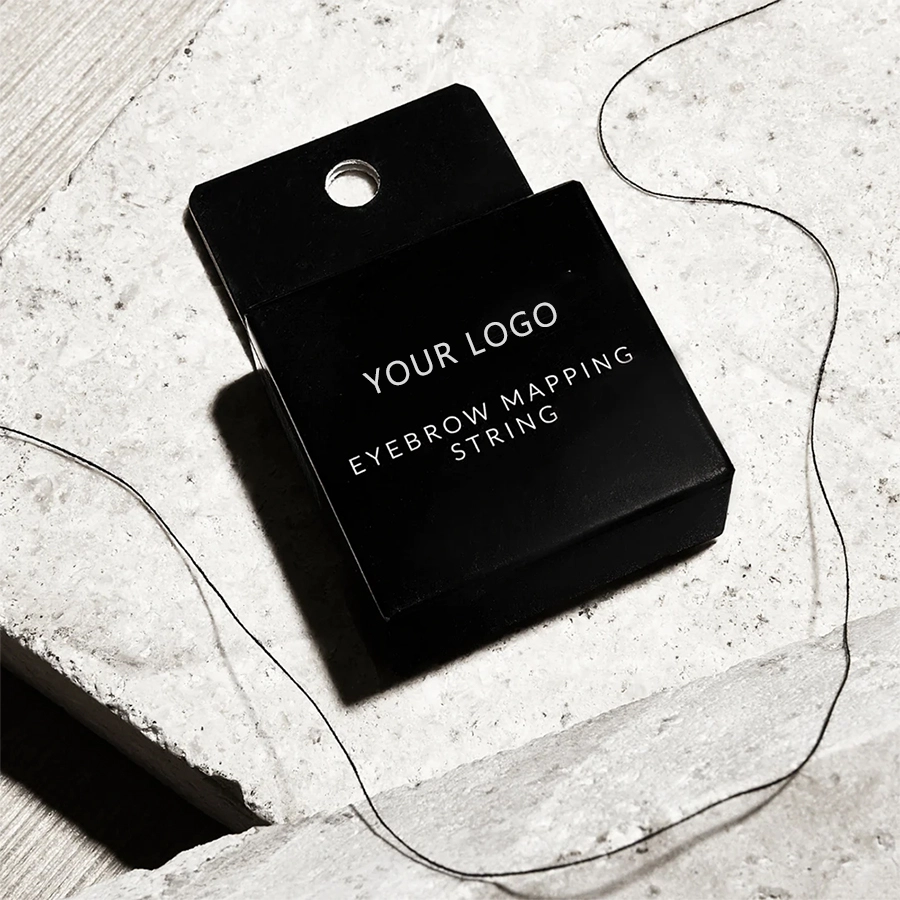
Microblading Pre-inked Mapping String Line 10m
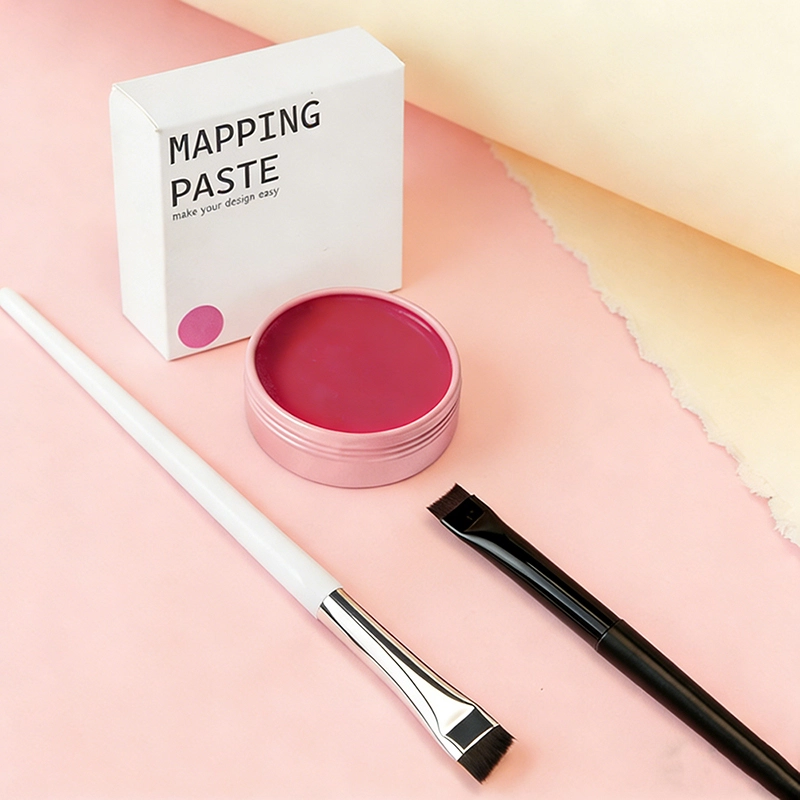
Pre-inked Mapping Ultra-Fine Eyebrows Eyeliner Blade Fan Brush

Instagram
Facebook
YouTube