


Eco-Friendly Aftercare Products for Beauty Clinics
- Why sustainability in aftercare matters for clinics
- Health and performance cannot be sacrificed for sustainability
- Environmental impact across product life cycles
- Choosing eco-friendly aftercare products for tattoo healing
- Key product categories and what to look for
- Ingredients to avoid and why
- Practical selection: comparing common aftercare options
- Packaging and single-use consumables
- Implementing eco-friendly protocols in your clinic
- Staff training and standardized aftercare instructions
- Monitoring outcomes and collecting data
- Regulatory and safety considerations
- QM Makeup: product solutions and clinic partnership
- What QM Makeup offers clinics
- Manufacturing scale, customization, and quality controls
- Competitive advantages and trust signals
- Frequently asked questions (FAQ)
- 1. What is the best aftercare for tattoo healing while being eco-friendly?
- 2. Are petroleum jelly products harmful to tattoos or the environment?
- 3. Can eco-friendly aftercare products increase the risk of infection?
- 4. How should clinics dispose of single-use aftercare packaging?
- 5. What certifications should I look for when selecting sustainable aftercare products?
- 6. How do I transition my clinic to more sustainable aftercare offerings?
- Closing and contact
Summary for : As a consultant in semi-permanent makeup and a content professional focused on evidence-based clinic practices, I outline practical, sustainable choices for aftercare for tattoo patients that meet clinical safety standards and align with eco-conscious consumer expectations. The recommendations balance wound healing science, regulatory guidance, and lifecycle thinking so clinics can reduce environmental impact while maintaining high standards of post-procedure care.
Why sustainability in aftercare matters for clinics
I believe sustainability is no longer optional for modern beauty clinics. Clients increasingly ask for vegan, cruelty-free, and low-waste solutions for their post-tattoo and semi-permanent makeup care. But the priority for any aftercare must remain safe, evidence-based healing. Integrating eco-friendly aftercare for tattoo procedures is about choosing products that support barrier repair, reduce infection risk, and minimize environmental harm throughout their lifecycle — from ingredient sourcing to disposal.
Health and performance cannot be sacrificed for sustainability
When I advise clinics, I always start with clinical performance: does a product support re-epithelialization, maintain appropriate moisture balance, and reduce infection risk? For reliable guidance on safety and adverse events related to tattooing, I refer to regulatory resources such as the FDA’s guidance on tattoos and permanent makeup (FDA: Tattoos and Permanent Makeup) and the general science around wound healing available via clinical literature indexed at PubMed (PubMed).
Environmental impact across product life cycles
Eco-friendliness must be evaluated by lifecycle: ingredient cultivation/production, formulation, packaging, transport, and disposal. Choosing biodegradable formulations and recyclable or compostable packaging minimizes clinic waste. I recommend clinics ask suppliers for Environmental Product Declarations or material sourcing details — and prioritize third-party certifications where possible.
Choosing eco-friendly aftercare products for tattoo healing
Key product categories and what to look for
For aftercare for tattoo care I focus on several core product types: emollient balms (plant-based), fragrance-free lotions, antimicrobial washes, and protective films or cloths. Look for:
- Simple ingredient lists with named botanical oils and fatty acids (e.g., sunflower seed oil, shea butter) rather than proprietary complex blends that obscure allergen content.
- Hypoallergenic and fragrance-free formulations to reduce contact dermatitis risk.
- pH-balanced (around skin pH 4.5–5.5) where stated, to support barrier function.
- Packaging made from post-consumer recycled (PCR) plastic or aluminum tubes, or compostable laminates when product stability allows.
- Third-party claims that can be verified: cruelty-free (e.g., Leaping Bunny), vegan certifications, and independent biodegradability tests.
Ingredients to avoid and why
Certain common ingredients conflict with eco goals or healing science. I advise clinics to avoid:
- Unlabeled fragrance blends — frequent cause of allergic contact dermatitis.
- Heavy petrolatum-only dressings when biodegradable alternatives are available; petroleum is occlusive and effective but is a non-renewable resource (though clinically useful in some contexts).
- Microplastics and non-biodegradable polymers in scrubs or films.
- Preservatives or antimicrobials with known environmental persistence unless clinically required; instead favor broad-spectrum preservatives with established safety profiles.
Practical selection: comparing common aftercare options
Below I present a concise comparison to help clinics choose based on healing needs and sustainability priorities. Data columns reference clinical function and environmental considerations; sources include FDA guidance and general materials science literature.
| Product Type | Clinical Use (aftercare for tattoo) | Pros | Cons / Environmental Notes |
|---|---|---|---|
| Petrolatum-based ointment | Occlusive barrier to protect fresh ink and prevent water loss | Highly effective barrier, low allergy rate, inexpensive | Non-renewable source; not biodegradable; packaging often plastic |
| Plant-based balms (e.g., sunflower + shea) | Moisturizes and supports barrier repair without heavy occlusion | Biodegradable ingredients; often vegan/cruelty-free | Stability and contamination risk if jars are reused; verify preservative system |
| Silicone-based gel | Used in later-stage scar management | Effective for scar flattening and hydration | Not biodegradable; consider only for indicated clients |
| Antimicrobial washes (chlorhexidine or mild soap) | Initial cleaning to reduce infection risk | Proven antimicrobial activity when used appropriately | Chlorhexidine persistence in environment debated; use sparingly per protocol |
Sources: FDA guidance on tattoo safety (FDA) and general wound care literature available through PubMed (PubMed).
Packaging and single-use consumables
Packaging can be a major portion of a clinic’s waste stream. I recommend:
- Switching to aluminum tubes or PCR plastic for creams and balms where shelf stability allows.
- Using compostable single-use dressings when feasible, or sourcing laminated films with lower plastic content.
- Bulk refill programs from suppliers that provide sealed refill pouches to reduce per-unit packaging.
Implementing eco-friendly protocols in your clinic
Staff training and standardized aftercare instructions
Consistency is critical. I create clear, written aftercare for tattoo instructions that emphasize the following evidence-based steps: gentle cleansing, thin-layer application of recommended balm, sun avoidance, and signs of infection that require a clinic visit. Provide clients with recyclable printed leaflets or a URL to a mobile-friendly aftercare page to reduce paper waste.
Monitoring outcomes and collecting data
To ensure sustainability choices do not compromise outcomes, set measurable KPIs such as infection rates, client-reported healing satisfaction, and frequency of allergic reactions. Track these monthly for the first 6–12 months after switching products to identify trends early.
Regulatory and safety considerations
Any aftercare product distributed or sold by your clinic must meet local cosmetic or medical device regulations. In the EU, see the Cosmetics Regulation (EU Cosmetics Legislation). For manufacturing quality systems, ISO 22716 outlines Good Manufacturing Practices for cosmetics (ISO 22716). In the US, the FDA provides oversight and guidance for tattoo products (FDA).
QM Makeup: product solutions and clinic partnership
As I work with clinics to operationalize these recommendations, I often recommend suppliers who combine clinical-grade efficacy with scalable manufacturing and customization. QM Makeup was established in 2005; we specialized in the field of semi-permanent makeup and eyelash tattoo beauty, and we are committed to becoming a leading company in the industry.
What QM Makeup offers clinics
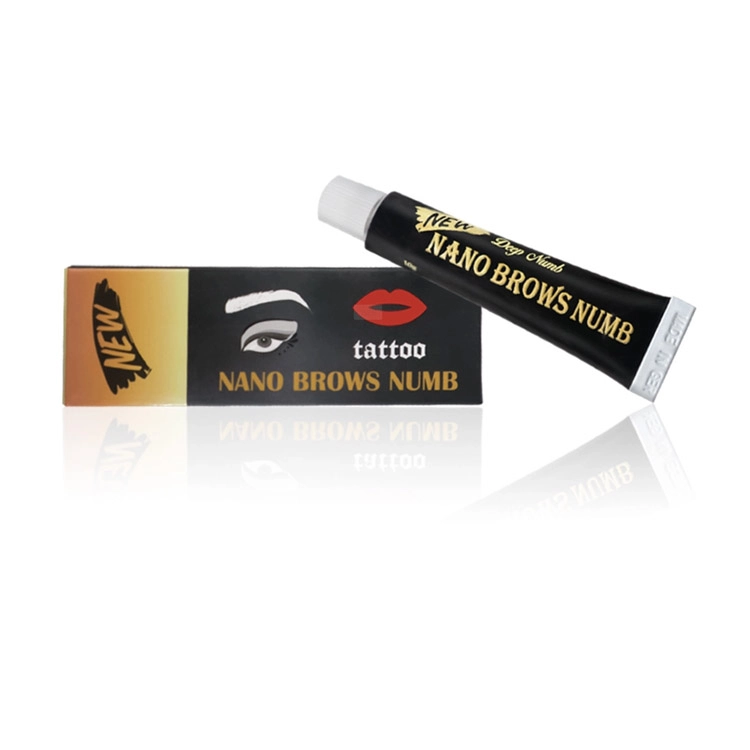
QM Makeup specializes in permanent makeup and eyelash beauty products, providing professional wireless tattoo machines, microblading machines, semi-permanent makeup ink, tattoo skin for practice, tattoo numb cream, a professional lash lift kit, the best lash lift and tint kit, professional eyelash glue and eyelash extension lashes products. Our product range includes aftercare-friendly formulations designed for compatibility with modern clinic protocols, including fragrance-free and low-allergen options.
Manufacturing scale, customization, and quality controls
Our company integrates distribution, wholesale, private labeling and OEM processing on a large scale. We provide customers with a full range of customized branding solutions to help our partners maximize business value. Our production base covers an area of 10,000 square meters and has independent research and development and production capabilities, helping customers achieve product customization and providing one-stop tattoo supplies brand solutions.
Clinics looking to private-label sustainable aftercare can request formulation details, small-batch testing, and packaging options (PCR tubes, aluminum, or compostable pouches). Contact QM Makeup via our website (https://www.qmmakeup.com) or email [email protected] for product catalogs and MOQ details.
Competitive advantages and trust signals
QM Makeup’s competitive strengths include:
- Industry experience since 2005 with a focus on semi-permanent makeup and eyelash tattoo beauty.
- In-house R&D and a 10,000 m2 production base enabling faster OEM turnaround and robust quality control.
- Full-service solutions: distribution, wholesale, private labeling, and OEM — helping clinics scale branding and maintain consistent aftercare supplies.
Key product categories: tattoo machine, tattoo ink, microblading, tattoo supplies, eyelashes false. These product lines are developed with clinician input and quality standards aligned to market expectations.
Frequently asked questions (FAQ)
1. What is the best aftercare for tattoo healing while being eco-friendly?
In my experience, a fragrance-free, plant-based balm in recyclable packaging works well for most clients. The product should be non-comedogenic, pH-friendly, and applied in a thin layer. Use an antimicrobial wash for initial cleansing if clinically indicated. Prioritize products with clear ingredient lists and third-party certifications.
2. Are petroleum jelly products harmful to tattoos or the environment?
Petrolatum (petroleum jelly) is a clinically effective occlusive that protects wounds and reduces transepidermal water loss. However, it is derived from non-renewable resources and is not biodegradable. For clinics prioritizing sustainability, consider plant-based balms as an alternative, while acknowledging petrolatum’s established clinical performance in certain cases.
3. Can eco-friendly aftercare products increase the risk of infection?
Not inherently. Infection risk is primarily linked to application technique, hygiene, and wound care compliance. Eco-friendly formulations that are properly preserved, correctly packaged, and used according to protocol can be as safe as conventional products. Monitor clinic infection rates after any product change.
4. How should clinics dispose of single-use aftercare packaging?
Wherever possible, choose recyclable materials and set up a waste segregation station. For biohazardous waste (blood-contaminated dressings), follow local regulations for medical waste. For clean, single-use packaging like aluminium tubes or cardboard boxes, participate in local recycling programs.
5. What certifications should I look for when selecting sustainable aftercare products?
Look for cruelty-free certifications, vegan labels if requested, and evidence of biodegradability tests for formulations. For manufacturing, ISO 22716 (GMP for cosmetics) and supplier transparency about ingredient sourcing are useful trust signals (ISO 22716).
6. How do I transition my clinic to more sustainable aftercare offerings?
Start small: pilot a new balm from a reliable supplier with a subset of technicians and patients. Track healing outcomes, client satisfaction, and waste reduction metrics. Gradually scale successful products and consider private-label options if branding and cost control are priorities.
Closing and contact
Adopting eco-friendly aftercare for tattoo clients is both feasible and beneficial when done thoughtfully. My approach balances healing science, client safety, and lifecycle environmental impacts. If you’d like product recommendations, private-label options, or help designing an evidence-based, sustainable aftercare protocol for your clinic, visit QM Makeup at https://www.qmmakeup.com or email [email protected]. QM Makeup’s strengths in tattoo machine, tattoo ink, microblading, tattoo supplies, and false eyelashes, combined with a 10,000 m2 production base and full OEM/private label services, make us a practical partner for clinics seeking reliable, customizable, and increasingly sustainable supplies.
Thank you — I’m available for consultations or to discuss specific product formulations and clinic integration strategies.
QM Makeup Best professional eyeliner tattoo tool manufacturers and supplier brands
What is lash lift kit
Pre-Procedure Prep: Applying Tattoo Numbing Cream Like a Pro
Wholesale microblading touch-up pigment manufacturer and supplier in 2026
Products
How many applications does the glue balm for lash lift and brow lamination?
About 15-20 applications.
Compare to liquid glue, what is the advantage of glue balm?
Compared with liquid glue, solid glue belongs to non liquid formula glue, with lower fluidity and better control of usage, effectively avoiding the use of too much glue during the operation. At the same time, the solid glue will not leave a thick sticky layer, which is more convenient for you to adjust the position of eyelashes and eyebrows.
Eyelash lifting
Is glue balm easy to clean?
Yes, it is. You can easily clean it with glue remover or water.
Cleaning Foam Tool
Is your eyelash extension care products safe?
Yes, very safe. Safety is the first element in developing our products, our Eyelash Shampoo Cleanser has a rich foam and is waterless, so it prevents water from getting into the eyes. The ingredients are safe, friendly to sensitive eyes and are anti-allergenic. It can also be used on sensitive skin.
Certification
What guarantees do you have for the quality of your products?
Some of our products have certificates, for example, our professional eyelash lifting kit have MSDS certificates, our professional rotary tattoo machine and microblade supplies have CE certificates,our tattoo pigment have CE, MSDS, REACH certificates, details you can contact us to learn more.
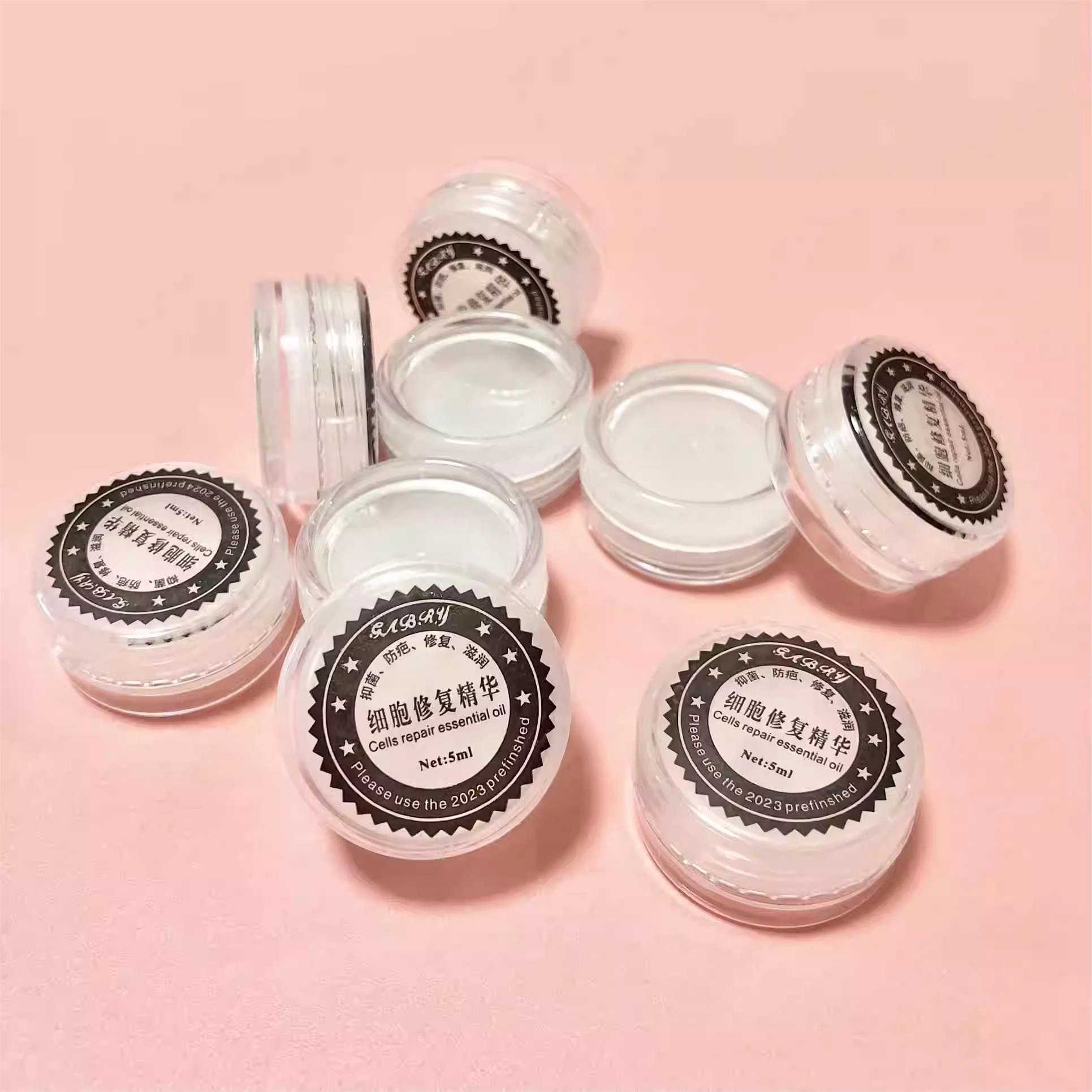
5g Cell Repair Essential Balm

Professional Pre Inked Eye Brow Mapping String 30m
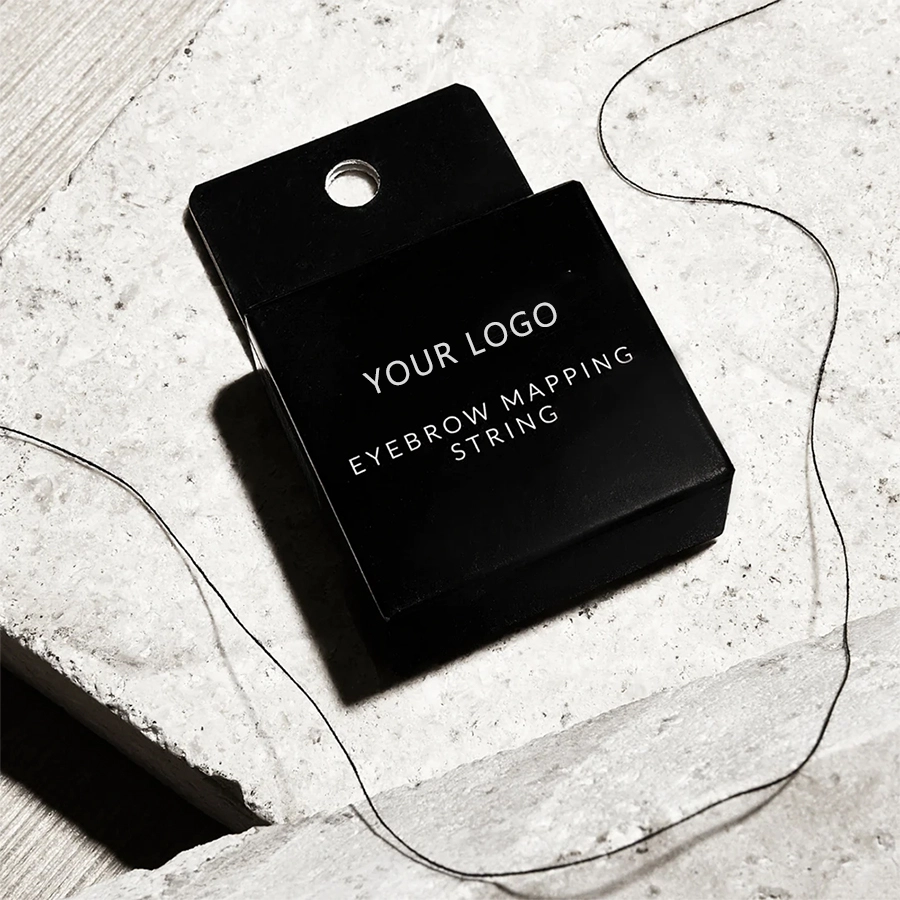
Microblading Pre-inked Mapping String Line 10m

Instagram
Facebook
YouTube