


Eco-Friendly Disposable Pens: What Buyers Should Know
- Why eco-conscious disposables matter in semi-permanent makeup
- Environmental impact of single-use tools
- Hygiene and infection control benefits
- What buyers need to evaluate in disposable microblading pens
- Materials: biodegradability, medical-grade plastics, and compostable alternatives
- Design features that affect performance and waste
- How QM Makeup’s Angled Disposable Microblading Pen for Eyebrows meets buyer priorities
- Precision and compatibility with machine microblading
- Hygiene, pre-sterilization, and single-use benefits
- Regulatory and disposal considerations for eco-friendly disposables
- Regulatory compliance and documentation
- End-of-life: disposal options and producer responsibility
- Comparing disposables versus reusable tools: cost, safety, and sustainability
- Practical cost-benefit analysis
- Direct comparison table
- Best practices for buyers and studio managers
- Checklist for selecting an eco-friendly disposable pen
- Operational tips to reduce environmental footprint
- Frequently Asked Questions (FAQ)
- Q: Are disposable microblading pens better for machine-based microblading?
- Q: How do I confirm a pen’s eco-friendly claims?
- Q: Is the Angled Disposable Microblading Pen for Eyebrows sterilized and single-use?
- Q: What is the recommended disposal method for used pens?
- Q: Do eco-friendly disposables cost more?
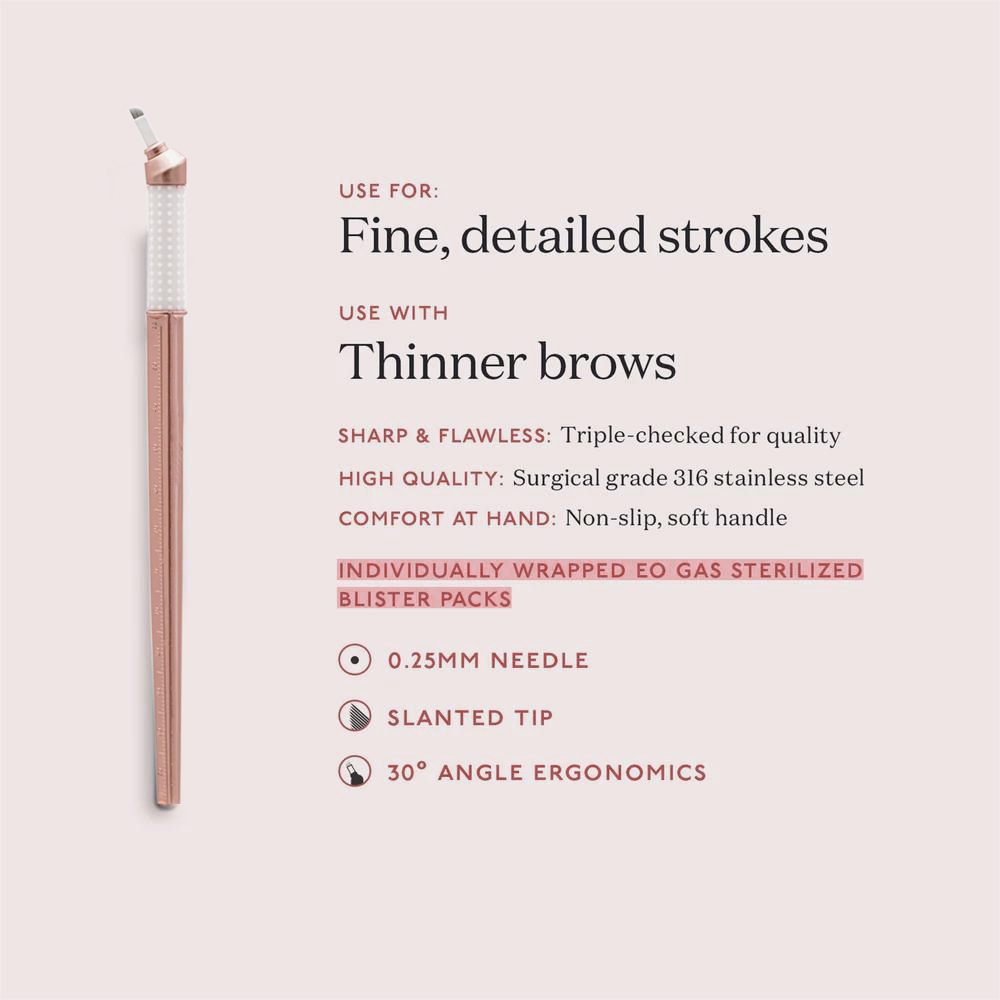
As the semi-permanent makeup industry evolves, artists and studio owners are increasingly seeking products that combine clinical hygiene, high performance for procedures like microblading with a machine, and a lower environmental footprint. This article outlines the environmental and safety considerations for disposable microblading pens, explains what to check in materials and certifications, compares disposable and reusable options, and highlights why QM Makeup’s Angled Disposable Microblading Pen for Eyebrows is a strong choice for professionals looking for precision, sharp strokes, and responsible sourcing.
Why eco-conscious disposables matter in semi-permanent makeup
Environmental impact of single-use tools
Disposable tools reduce cross-contamination, but they also create medical waste. Healthcare and cosmetic services together produce a significant volume of single-use items; careful selection of materials and disposal pathways can reduce landfill burden and pollution. The World Health Organization provides guidelines for managing healthcare waste that apply to beauty clinics and PMU studios (WHO: Health-care waste).
Hygiene and infection control benefits
For procedures such as microblading with a machine, preventing cross-contamination is critical. Single-use, pre-sterilized pens remove the risk associated with improper reprocessing of components that contact blood or tissue. The U.S. Food & Drug Administration has guidance on reprocessing of single-use devices and emphasizes that single-use designations exist for patient safety (FDA: Reprocessing single‑use devices).
What buyers need to evaluate in disposable microblading pens
Materials: biodegradability, medical-grade plastics, and compostable alternatives
Not all “eco-friendly” labels are equal. Look for pens manufactured from medical-grade plastics that are either recyclable in your region or based on bio-based polymers with verified compostability. Verify material claims through supplier documentation and ask for certificates or technical data sheets. ISO standards for medical device quality management such as ISO 13485 can indicate a manufacturer’s quality system is aligned with safety and traceability requirements (ISO 13485).
Design features that affect performance and waste
Design choices influence both procedure quality and environmental impact. The Angled Disposable Microblading Pen for Eyebrows by QM Makeup offers an angled tip to create controlled hair-like strokes and is intended to be discarded after a single client to maintain hygiene. Design elements to check include ergonomic grip, secure cartridge seating (for machine microblading cartridges), and minimal excess packaging. A precise pen reduces procedure time and pigment waste, indirectly lowering the per-service environmental footprint.
How QM Makeup’s Angled Disposable Microblading Pen for Eyebrows meets buyer priorities
Precision and compatibility with machine microblading
Professional artists who perform microblading with a machine require tools that deliver consistent depth and stroke quality. The Angled Disposable Microblading Pen for Eyebrows is engineered to stabilize the blade angle and provide clean, sharp strokes—important when switching between manual microblades and machine-compatible cartridges. Its angled geometry helps replicate natural eyebrow hair patterns with fewer passes, reducing trauma to tissue and pigment migration.
Hygiene, pre-sterilization, and single-use benefits
QM Makeup’s angled pen is supplied as a single-use product to remove any ambiguity around reprocessing. Using a pre-sterilized disposable pen lowers the risk of cross-contamination compared with reusable handles that must be disassembled and sterilized. For studio owners, this simplifies workflows and supports compliance with local health regulations and professional guidelines from associations such as the Society of Permanent Cosmetic Professionals (SPCP).
Regulatory and disposal considerations for eco-friendly disposables
Regulatory compliance and documentation
When selecting disposables, ask for documentation: manufacturer quality certificates, sterilization validation (e.g., EO or gamma sterilization records), and any material safety data sheets. Compliance with local medical waste and sharps disposal regulations is critical. Many regions classify used microblading tools as regulated medical waste; follow national and local guidance to avoid fines and protect staff safety.
End-of-life: disposal options and producer responsibility
Disposal choices depend on material and local regulations. Typical pathways include:
- Sharps containers and regulated medical waste incineration or autoclave disposal (if mandated)
- Segregated recycling for non-contaminated packaging components if marked recyclable
- Manufacturer take-back or bulk waste programs — inquire whether the supplier offers recycling or product stewardship programs
Wherever possible, choose suppliers who minimize virgin plastic use and who provide clear, actionable disposal instructions. The WHO and local health agencies often provide guidance for healthcare waste segregation; adapt those protocols for the PMU setting (WHO guidance).
Comparing disposables versus reusable tools: cost, safety, and sustainability
Practical cost-benefit analysis
Initial cost per unit for disposable pens can be higher than a reusable metal handle, but you must factor sterilization labor, equipment, energy, and potential liability from reprocessing failures. For busy studios and mobile artists offering microblading with a machine, single-use disposables often reduce turnaround time between clients and mitigate the risk of cross-contamination.
Direct comparison table
| Factor | Disposable (e.g., Angled Disposable Microblading Pen) | Reusable |
|---|---|---|
| Per-procedure hygiene | High (single-use, pre-sterilized) | Depends on sterilization process; risk if improperly reprocessed |
| Environmental impact | Higher immediate waste; can be mitigated by recyclable/compostable materials and take-back | Lower single-use waste, but includes sterilization energy and chemical use |
| Cost (short term) | Higher per-unit, predictable | Lower per-use after amortization, plus sterilization costs |
| Procedure consistency (important for machine work) | High — consistent, factory‑controlled quality | Depends on maintenance; wear over time can affect performance |
| Regulatory simplicity | Simpler (fewer reprocessing records), still requires medical waste handling | Requires strict records and validated sterilization |
Best practices for buyers and studio managers
Checklist for selecting an eco-friendly disposable pen
Before purchasing, verify:
- Compatibility with your microblading machine cartridges and needles
- Manufacturer’s sterilization method and certificate
- Material composition and any recyclability/compostability claims
- Packaging minimization and clear disposal instructions
- Availability of bulk/wholesale options to reduce per-unit packaging waste
Operational tips to reduce environmental footprint
Small operational changes can make disposables greener: consolidate orders to reduce shipping emissions, choose wholesalers offering minimal packaging, and set up a certified waste contract for proper disposal. If your supplier — for example, QM Makeup — offers wholesale options for the Angled Disposable Microblading Pen for Eyebrows, ordering in appropriately sized batches can both reduce cost and packaging waste.
Frequently Asked Questions (FAQ)
Q: Are disposable microblading pens better for machine-based microblading?
A: Disposable pens designed for machine compatibility can provide consistent handling, reduce the risk of bore irregularities or worn parts, and simplify workflow. For artists doing microblading with a machine, a well-engineered angled pen improves stroke control and reduces procedure time.
Q: How do I confirm a pen’s eco-friendly claims?
A: Ask for material data sheets, certificates (e.g., compostability standards or recycling codes), and supplier transparency about production and packaging. Reputable manufacturers will provide documentation and may participate in producer responsibility programs.
Q: Is the Angled Disposable Microblading Pen for Eyebrows sterilized and single-use?
A: Yes. QM Makeup’s Angled Disposable Microblading Pen for Eyebrows is intended as a single-use, pre-sterilized product to maintain the highest hygiene standards and minimize cross-contamination risks.
Q: What is the recommended disposal method for used pens?
A: Follow local regulations. Typically, used pens that contacted blood or bodily fluids should be placed in a sharps container and disposed of through regulated medical waste services. Non-contaminated packaging should be recycled if possible.
Q: Do eco-friendly disposables cost more?
A: Per-unit cost may be higher, but factor in savings from reduced sterilization time, equipment, and liability. Bulk purchasing and streamlined studio workflows often offset higher per-unit costs.
If you want to evaluate samples, compare prices, or inquire about wholesale options for QM Makeup’s Angled Disposable Microblading Pen for Eyebrows, contact QM Makeup's sales team or view the product page for specifications and bulk pricing: QM Makeup — Angled Disposable Microblading Pen for Eyebrows.
Relevant resources and standards to review:
QM Makeup Best professional microblading pen manufacturers and supplier brands
Microblading Eyebrow Pen Maintenance: Touch-Up Schedules
Where to Buy private label makeup tools
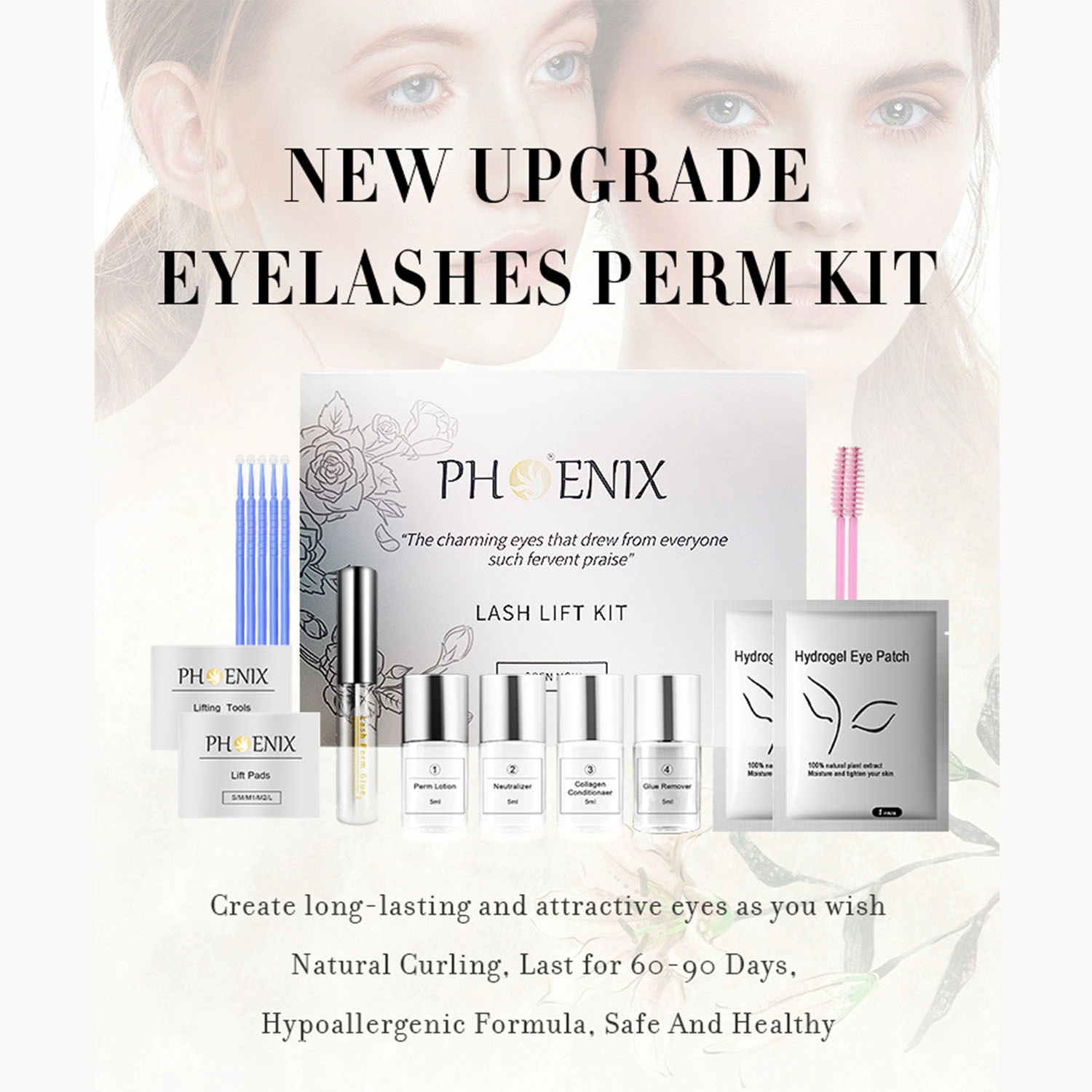
Bulk Buying Guide: Professional Keratin Lash Lift Kit for Salons
Powder Pigment
Why dose the ink not colored on the skin after the pigment microblading operation?
The ink is not colored on the skin after the tattoo operation, which is a common problem encountered by novice tattoo artists. There may be several reasons:
Technical problems: If the tattoo technician is not skilled, the ink may not be properly implanted into the skin during the operation, resulting in the inability to color the colorant.
Selected ink type: The type of ink used does not match the tool used, resulting in the inability to color the colorant, such as using liquid ink with a manual pen. Or the ink is practice pigment, it is not professional-grade permanent makeup pigment.
Skin condition: The condition of the skin will also affect the tattoo effect. If the skin is too dry, greasy or inflamed, the ink may not be absorbed well.
Insufficient depth: If the appropriate implantation depth is not reached during tattooing, the colorant may remain in the epidermis and cannot penetrate into the dermis.
Postoperative care: Improper postoperative care (such as excessive cleaning or improper use of skin care products) may cause the tattoo colorant to fade or fail to be properly absorbed.
If this happens after tattooing, it is recommended to consult a professional tattoo artist for evaluation and adjustment.
Eyelash curling
How do I choose the right silicone perm rod?
We recommend that you choose the right silicone perm rod based on the length of your eyelashes and the shape of your eyes. Here are some tips for choosing silicone perm rod:
- Short eyelashes 4-6mm: S for curling, M for natural curling, and M1 for slight curling.
- Medium and long eyelashes 6-8mm: M for curling, M1 for natural curling, M2 for slight curling.
- Long eyelashes 8-10mm: M1 for curling, M2 for natural curling, L for slight curling.
- Extra long eyelashes 10-12mm: M2 for curling, L for natural curling
Logistics
How long can I get my goods?
Different shipping methods have different delivery times. The typical delivery time for express shipping is 7-10 business days, while sea and train shipping usually takes 30-60 business days.
Pigment Ink
Will the pigments turn red, orange, blue, or purple when deposited into the skin ?
They won't. Because we use high-quality ingredients and focus on color balance, lightfastness, and pigment concentration, our shades only lighten slightly as they heal. They will never change color.
Tattoo pigment
Will the pigments turn red, orange, blue, or purple when deposited into the skin?
They won't. Because we use high-quality ingredients and focus on color balance, lightfastness, and pigment concentration, our shades only lighten slightly as they heal. They will never change color.

Professional Pre Inked Eye Brow Mapping String 30m
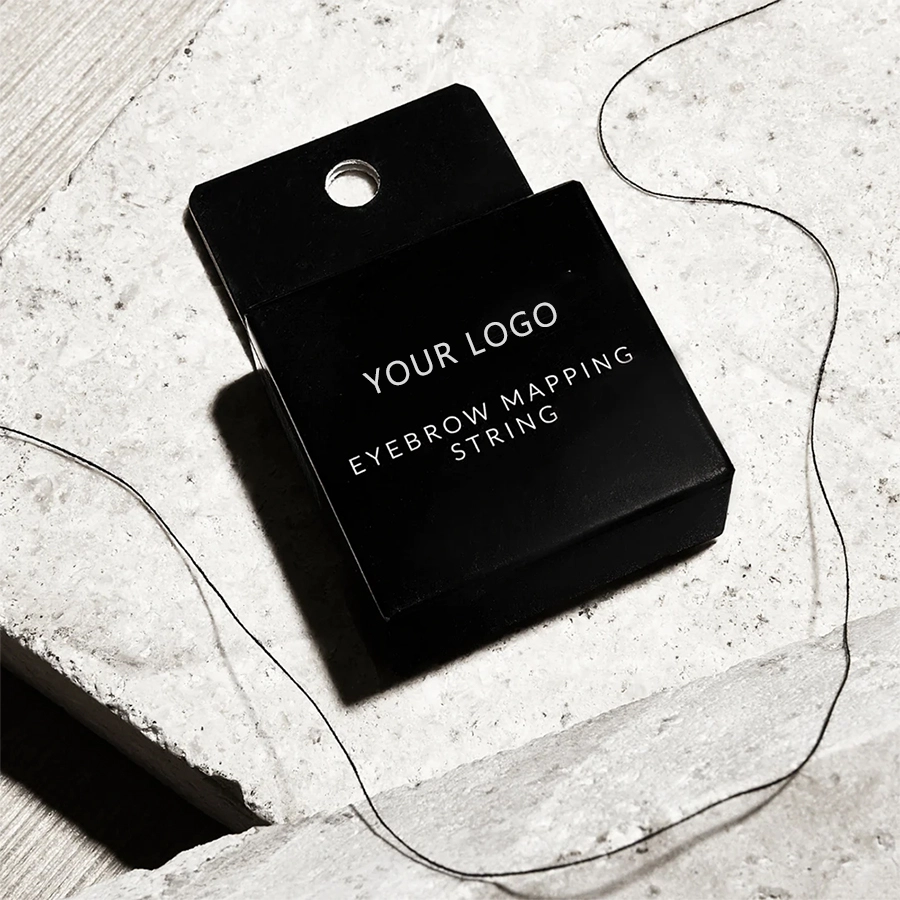
Microblading Pre-inked Mapping String Line 10m
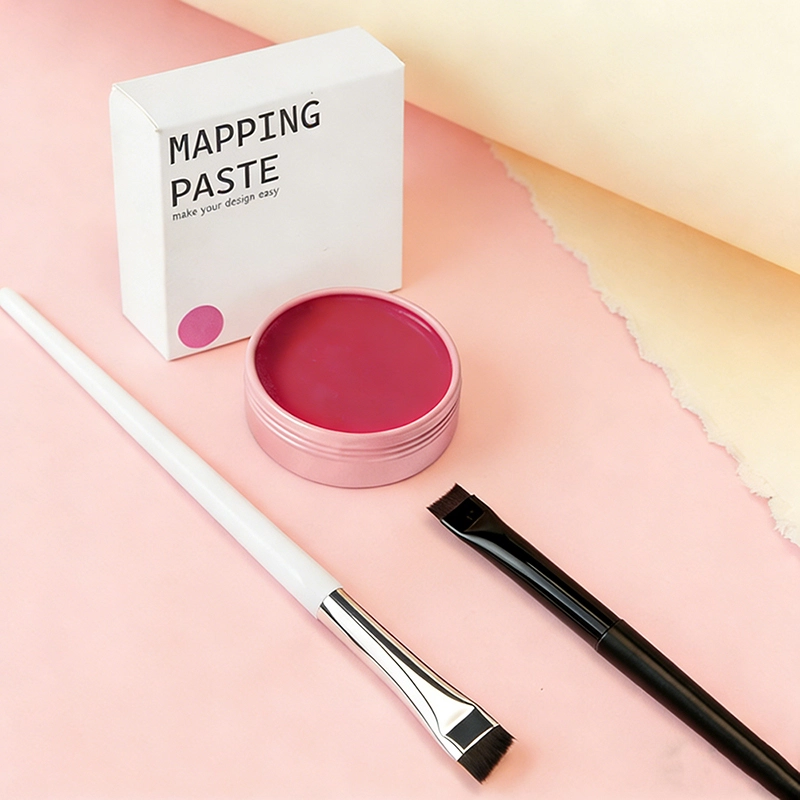
Pre-inked Mapping Ultra-Fine Eyebrows Eyeliner Blade Fan Brush

Instagram
Facebook
YouTube