


eye lash lift kit Buyer’s Guide: Ingredients & Safety
- Understanding How an Eye Lash Lift Works (science & chemistry)
- Principle: reduction and re-oxidation
- Role of other components: adhesives, conditioners, and pH control
- Why concentration and exposure time matter
- Common Ingredients in Eye Lash Lift Kits and What They Do
- Reducing agents (lifting/perming solutions)
- Neutralizers / oxidizers
- Adhesives, shields, and protective materials
- Conditioners, serums and nourishing agents
- Safety: Risks, Mitigation and Best Practices
- Common adverse events and documented complications
- Patch testing, contraindications and client selection
- Procedure controls, PPE and emergency protocols
- How to Evaluate and Choose a Professional Eye Lash Lift Kit
- Manufacturing, GMP and traceability
- Ingredient transparency and third-party testing
- Packaging, shelf-life and storage
- Practical Recommendations I Use in Salons and for Clients
- Pre-service checklist
- During service: technique and timing
- Aftercare and retention tips
- Comparing Kits: What to Look For (quick checklist)
- Must-have documentation and claims
- Red flags
- Value vs cost
- About QM Makeup — Our Experience and Capabilities
- FAQ — Frequently Asked Questions
- 1. Is an eye lash lift safe for everyone?
- 2. How should I patch test a lash lift product?
- 3. What should I do in case of a chemical splash to the eye?
- 4. How long does a lash lift last and how can clients extend the result?
- 5. Can I use a professional lash lift kit on clients who have lash extensions?
- 6. What documentation should I keep for each service?
As a consultant with years of experience in semi-permanent makeup and eyelash services, I know that choosing the right eye lash lift kit is about more than marketing claims — it’s about chemistry, safety, traceability and clear protocols that protect clients and technicians. In this guide I explain what typical lash lift kits contain, why each ingredient is used, the safety concerns you must manage (including patch testing and contraindications), and how to evaluate kits from a regulatory and manufacturing perspective so you can choose products that deliver results without undue risk.
Understanding How an Eye Lash Lift Works (science & chemistry)
Principle: reduction and re-oxidation
At its core, an eyelash lift is a controlled chemical alteration of the hair’s disulfide bonds to change the lash shape. The process uses a reducing agent (often a thioglycolate derivative) to break disulfide bonds and reshape the keratin matrix while lashes are molded on a shield or rod. A neutralizer (an oxidizing agent such as hydrogen peroxide in many professional kits) then reforms those bonds so the new curl holds. This two-step chemistry — reduce, then oxidize — is the same principle used in hair permanent waving technology, but formulas and exposure times are adapted for eyelash sensitivity and ocular proximity. For background on thioglycolate chemistry, see this overview on thioglycolic acid: https://en.wikipedia.org/wiki/Thioglycolic_acid.
Role of other components: adhesives, conditioners, and pH control
Besides the reducing and neutralizing steps, kits include adhesive (to secure lashes to the silicone shields), protective pads (for the lower lid and skin barrier), and serums/conditioners to support lash health post-treatment (e.g., panthenol, peptides, oils). The adhesive is typically a cyanoacrylate-based formula designed for rapid bond to lashes; these glues are effective but can cause irritation or allergic responses in sensitive clients — see cyanoacrylate safety notes: https://en.wikipedia.org/wiki/Cyanoacrylate. pH buffering is often present to optimize activity of reducing agents while limiting skin irritation.
Why concentration and exposure time matter
Effectiveness and safety depend on formulation strength and the technician’s timing. A stronger reducing agent or longer exposure increases lift but also raises risk of lash fragility, skin irritation, or ocular chemical exposure. That’s why professional kits specify shield size, application sequence, and exact timing. I recommend following manufacturer instructions and not improvising with household chemicals — small differences in pH and concentration change outcomes dramatically.
Common Ingredients in Eye Lash Lift Kits and What They Do
Reducing agents (lifting/perming solutions)
Typical reducing agents in lift kits include ammonium thioglycolate, other thioglycolate salts, or milder derivatives formulated specifically for eyelash use. These chemicals break cystine disulfide bonds in keratin to soften hair structure so it can be reshaped. Because these agents are active, they are the primary source of allergic or irritant reactions when misused. For chemical background see: Thioglycolic acid.
Neutralizers / oxidizers
Neutralizers re-form disulfide bridges to stabilize the new lash shape. Many professional kits use hydrogen peroxide-based neutralizers; historically, oxidizers such as sodium bromate were used in hair perms but have fallen out of favor for ocular procedures due to safety concerns. Hydrogen peroxide safety and chemical data: https://pubchem.ncbi.nlm.nih.gov/compound/Hydrogen-peroxide.
Adhesives, shields, and protective materials
Lash adhesives are usually fast-acting cyanoacrylate formulas. Shields are medical-grade silicone or similar materials that help shape and protect the eyelid. Eye pads or tape used under the lower lashes are typically non-woven and hypoallergenic if of professional quality. Because adhesives are the second most common cause of reactions after perm solutions, I always recommend professional-grade lashespecific glues and patch testing before first use.
Conditioners, serums and nourishing agents
Post-lift serums often include panthenol (pro-vitamin B5), hydrolyzed keratin, peptides, or botanical extracts aimed at rehydrating and strengthening keratin. These are cosmetic adjuncts — helpful but not a substitute for proper technique and formulation control.
Safety: Risks, Mitigation and Best Practices
Common adverse events and documented complications
Reported complications range from transient irritation (redness, tearing), allergic contact dermatitis, to more serious chemical injuries affecting the ocular surface when products contact the eye. There are case reports in the literature and clinical cautions; for reported incidents see PubMed discussions on eyelash perming complications: https://pubmed.ncbi.nlm.nih.gov/?term=eyelash+perm+complications. Regulatory resources like the U.S. FDA provide general guidance on cosmetic safety and adverse event reporting: https://www.fda.gov/cosmetics.
Patch testing, contraindications and client selection
I require a 48-hour patch test before any new chemical service. Patch testing helps identify sensitization to thioglycolates, cyanoacrylate adhesives, or botanical extracts. The American Academy of Dermatology recommends patch testing for suspected contact allergens; consult their guidance: https://www.aad.org/public/diseases/eczema/diagnosis/patch-testing. Contraindications I screen for include active ocular infection (conjunctivitis, blepharitis), recent eyelid surgery, ocular surface disease, and known allergies to kit components. For pregnancy or lactation I advise clients to consult their physician since safety data are limited for many cosmetic actives near the eye.
Procedure controls, PPE and emergency protocols
Control measures I insist on: use of single-use applicators where recommended, goggles or eyelid shields, careful isolation of the eye with medical-grade pads, and immediate eye irrigation equipment available during treatment. If a chemical splash occurs, flush the eye with sterile saline or water immediately and seek medical care. Training in removal of adhesive from skin/eye must be part of any technician program.
How to Evaluate and Choose a Professional Eye Lash Lift Kit
Manufacturing, GMP and traceability
Good suppliers provide batch numbers, SDS (safety data sheets), ingredient lists INCI-compliant, and clear instructions. International best practice for cosmetics manufacturing is described in ISO 22716 (Good Manufacturing Practices for cosmetics): https://www.iso.org/standard/36437.. I prioritize vendors who provide SDSs and manufacturing traceability so I can assess risk and perform salon-level QA.
Ingredient transparency and third-party testing
A trustworthy kit lists INCI names for each product and provides stability or microbial test data if used in a professional setting. Independent microbiological and stability testing reduces the risk of contaminated solutions and ensures shelf stability under recommended storage conditions.
Packaging, shelf-life and storage
Look for single-use ampoules or clearly dated multi-use containers with preservative systems suitable for aqueous formulas. Proper storage (cool, away from sunlight) and clear expiration dates are essential; using expired oxidizers or reducers changes their activity and increases risk.
| Ingredient | Function | Typical safety concern | Reference |
|---|---|---|---|
| Ammonium thioglycolate / thioglycolate derivatives | Reducing agent (perm/lift) | Irritation, allergic contact dermatitis; ocular exposure risk | Thioglycolic acid |
| Hydrogen peroxide | Neutralizer / oxidizer | Irritation at high concentrations; avoid ocular contact | PubChem: Hydrogen peroxide |
| Cyanoacrylate (lash glue) | Adhesive to secure lashes to shield | Contact allergy, ocular irritation if misapplied | Cyanoacrylate |
| Panthenol / keratin / peptides | Conditioning post-treatment | Generally low risk, possible sensitivity to botanicals | Manufacturer ingredient data / INCI lists |
Practical Recommendations I Use in Salons and for Clients
Pre-service checklist
- Obtain a detailed ocular/skin history and allergy status.
- Perform and document a 48-hour patch test for any new client or new product.
- Verify products have SDS, INCI labeling and batch codes.
During service: technique and timing
Strictly follow manufacturer timing: never exceed recommended exposure times. Use a dedicated adhesive to secure lashes to the shield and minimize product contact with skin or eye surface. Keep a bowl of sterile saline on hand for immediate irrigation if necessary.
Aftercare and retention tips
Clients should avoid oil-based mascaras or cleansers for 24–48 hours after the lift to protect the shape and adhesive integrity. Recommend a nourishing lash serum (with proven ingredients like panthenol) and advise against rubbing eyes. Document returns or adverse events and report significant reactions to your supplier and local regulatory body when required.
Comparing Kits: What to Look For (quick checklist)
Must-have documentation and claims
- Complete INCI ingredient lists and SDS for each product in the kit.
- Manufacturer contact details, batch numbers and expiry dates.
- Clear step-by-step professional instructions and suggested timing based on lash type.
Red flags
Vague ingredient lists (e.g., “proprietary blend” without INCI), no SDS, unrealistic promises (e.g., ‘instant permanent curl with no testing’), or inability to provide stability/microbial test data are reasons to avoid a supplier.
Value vs cost
Buyers should balance cost against professional support, documentation, and consistency. Lower-cost consumer kits may be fine for personal use, but salons that need repeatable results and liability protection should invest in professional-grade systems with documented QA.
About QM Makeup — Our Experience and Capabilities
QM Makeup was established in 2005; we specialized in the field of semi-permanent makeup and eyelash tattoo beauty, and we are committed to becoming a leading company in the industry. We specialize in permanent makeup and eyelash beauty products, providing professional wireless tattoo machines, microblading machines, semi-permanent makeup ink, tattoo skin for practice, tattoo numb cream, a professional lash lift kit, the best lash lift and tint kit, professional eyelash glue and eyelash extension lashes products.
Our company integrates distribution, wholesale, private labeling and OEM processing on a large scale. We provide customers with a full range of customized branding solutions to help our partners maximize business value. Our production base covers an area of 10,000 square meters and has independent research and development and production capabilities, helping customers achieve product customization and providing one-stop tattoo supplies brand solutions.
Why I recommend evaluating QM Makeup as a supplier: we supply professional-grade lash lift kits with clear INCI labeling, SDS documentation and batch traceability. Our manufacturing follows best practice workflows and supports private labeling and OEM, which is useful if you want to create a salon-branded kit. Learn more: https://www.qmmakeup.com. For inquiries contact: [email protected].
FAQ — Frequently Asked Questions
1. Is an eye lash lift safe for everyone?
Not necessarily. Clients with active ocular infections (pink eye), blepharitis, recent eyelid or ocular surgery, or known allergies to kit ingredients should avoid lifts until cleared by a physician. Pregnant or breastfeeding clients should consult their healthcare provider because data is limited.
2. How should I patch test a lash lift product?
Apply a small amount of each active product (lifting solution, neutralizer, adhesive) on a discreet area of skin per manufacturer directions and observe for 48 hours. Document results. For suspected severe allergies, refer to a dermatologist for formal patch testing.
3. What should I do in case of a chemical splash to the eye?
Immediately irrigate the eye with copious amounts of sterile saline or clean water for at least 15 minutes and seek emergency medical attention. Keep product SDS accessible for emergency responders. Time-to-irrigation is critical in minimizing injury.
4. How long does a lash lift last and how can clients extend the result?
Typically 6–8 weeks depending on lash growth cycle. To extend results, advise clients to avoid oil-based cleansers immediately after treatment, use recommended conditioning serums, and avoid mechanical lash curling.
5. Can I use a professional lash lift kit on clients who have lash extensions?
No. Lash lifts and extensions are incompatible when applied simultaneously. Extensions must be removed before performing a lift because adhesives and extension bonds interfere with proper lifting and can cause lash damage.
6. What documentation should I keep for each service?
Keep client consent forms, allergy history, patch test records, kit batch numbers and SDS references, and notes on product timing and outcomes. This provides traceability and supports adverse event follow-up if necessary.
If you need professional-grade eye lash lift kits or customized OEM/private label solutions, I invite you to view our product range at QM Makeup: https://www.qmmakeup.com. For direct inquiries, product specifications, SDS requests or partnership discussions, email us at [email protected].
References and resources cited in this guide include the U.S. FDA cosmetics portal (https://www.fda.gov/cosmetics), ISO guidance on cosmetics GMP (https://www.iso.org/standard/36437.), chemical background for thioglycolic acid (https://en.wikipedia.org/wiki/Thioglycolic_acid), cyanoacrylate overview (https://en.wikipedia.org/wiki/Cyanoacrylate), hydrogen peroxide safety data (https://pubchem.ncbi.nlm.nih.gov/compound/Hydrogen-peroxide), and clinical reports on eyelash perming complications (https://pubmed.ncbi.nlm.nih.gov/?term=eyelash+perm+complications).
Step-by-Step: Using an Eyelash Kit for Lash Extensions
Custom PMU Aftercare Cream Manufacturers and Suppliers USA
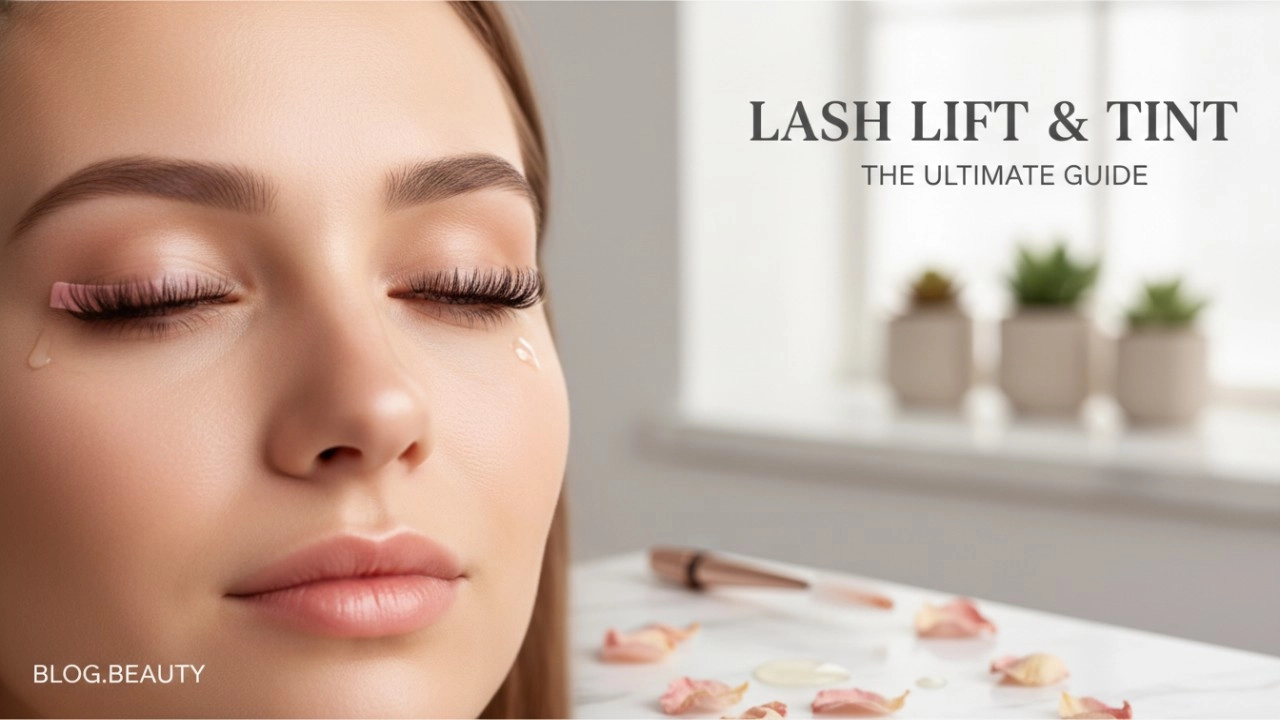
Eye Lash Lift and Tint: The 2026 Master Guide to Effortless Natural Beauty
How Long Tattoo Numbing Cream Lasts: Timing for Procedures
Eyelash lifting
If I apply perming lotion after using glue balm, will it cause the eyelashes to fall off the silicone perm rod?
Our glue balm have two formulas, regular formula and anti-falling formula. If you are used to using plastic wrap or covering strips during lash lifting, you can choose one of them; if you don’t use them during lash lifting, we recommend that you choose the anti-falling formula to ensure that after you use the perming lotion, the liquid in the perming lotion will not dissolve the glue balm, thus achieving the anti-falling effect.
Powder Pigment
What is the difference between hybrid tattoo powder pigment and liquid pigment?
Liquid pigment is a pigment based on water, with small molecules, strong fluidity and permeability. The ink can quickly penetrate into the deep layer of the skin, color quickly, and retain color for a long time. It is the best tattoo ink for permanent makeup professional artists to use with machines. hybrid powdered pigment is a pigment based on a combination of water and oil. The color is brighter, the molecules are relatively large, and the fluidity is moderate. It can be used with both machines and hand pens, and is a good choice of high quality permanent makeup pigment for novices and professional tattoo artists.
Super numb
Can tattoo numb cream be used on the lips?
Yes, super numb tattoo cream can be used on the lips.
Nano cream
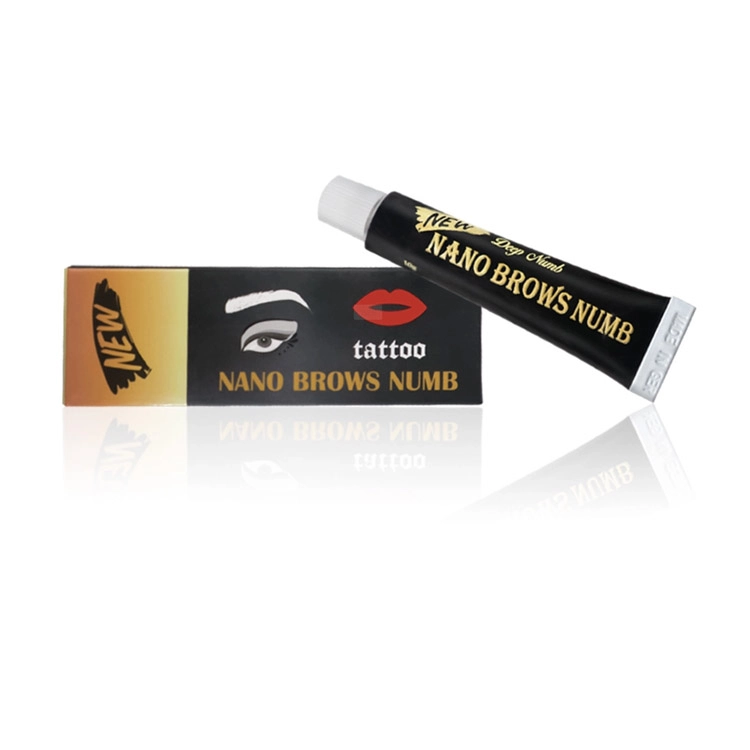
Do your tattoo numb products turn brown? How should they be stored?
Because the tattoo numb product is formulated with a lidocaine and procaine base, it must be stored in a cool, light-proof place. Excessive room temperature, exposure to sunlight, or failure to seal the cap after opening may result in discoloration and deterioration of the product, which may result in loss of the numbing effect.
Here are some instruction for you:
1. Keep tattoo numb numbing cream in cool place and avoid sunlight.
2. After open, please close the lid as soon as possible, make sure that you have already close it tightly.
3. For a better effect to prevent the open cream / essence get touch with the air, you can cover with a plastic film on the tube port, then close with lid.
4. Numb nuts cream for tattoo can also be stored in the crisper section of the refrigerator if you are experiencing hot weather.
Sample
Can I have samples before my order?
Yes, we can provide samples before you place your order. Please note that there might be a nominal charge for the samples, and you'll be responsible for the shipping costs.
For customized products,we may charge fee of sample, sample charge will be refundable upon confirmation of the order.

Professional Pre Inked Eye Brow Mapping String 30m
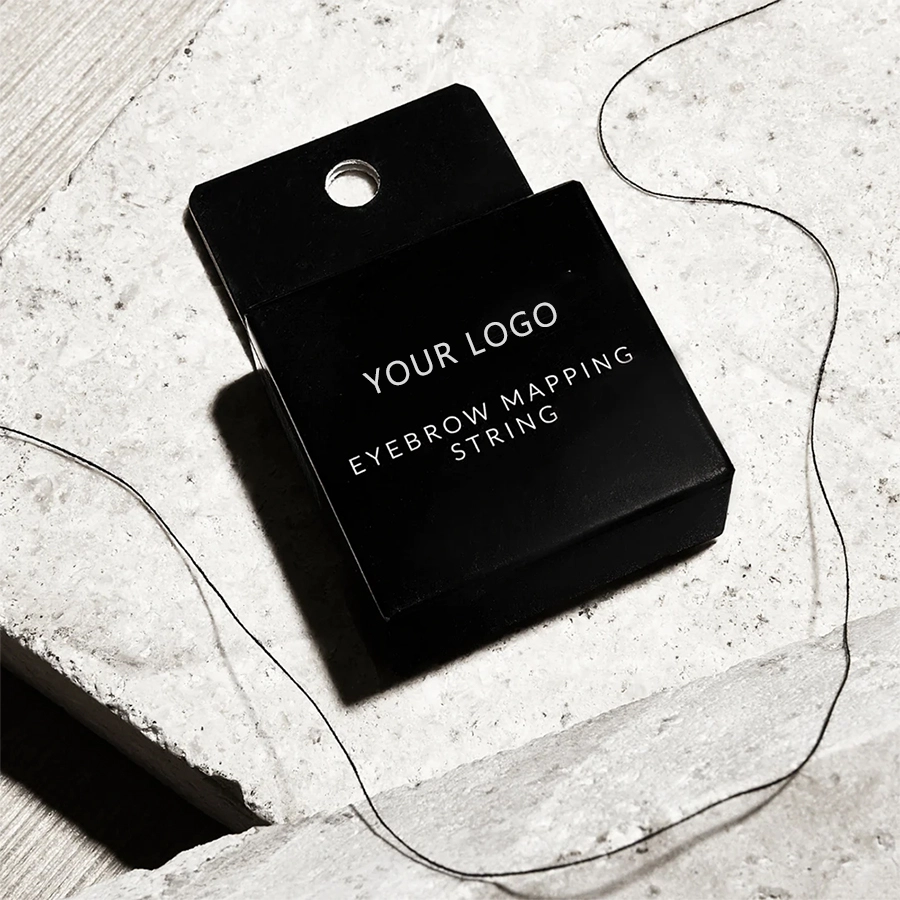
Microblading Pre-inked Mapping String Line 10m
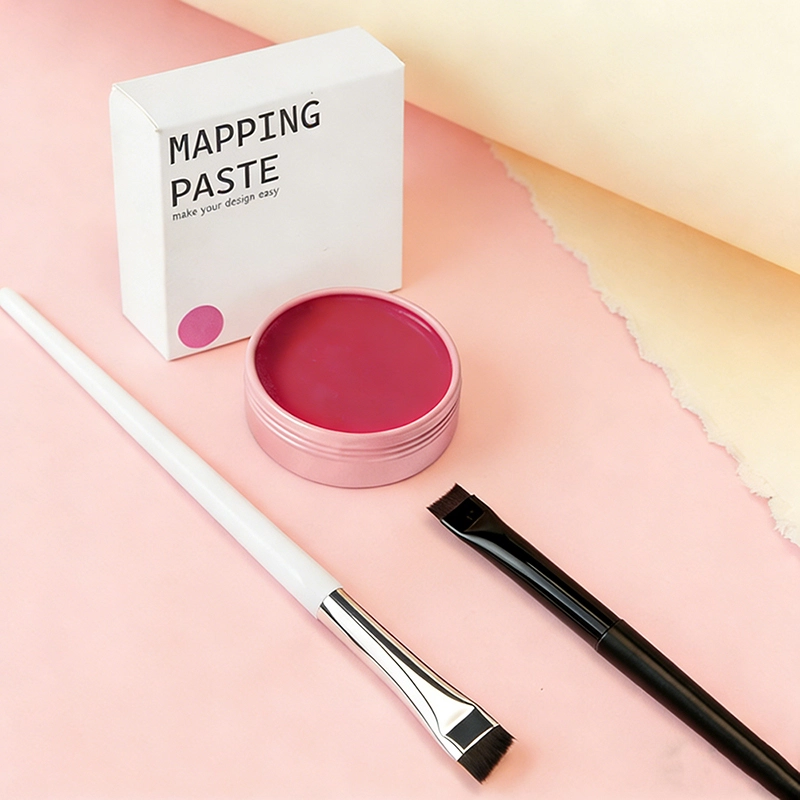
Pre-inked Mapping Ultra-Fine Eyebrows Eyeliner Blade Fan Brush

Instagram
Facebook
YouTube