


Refill and Replacement Parts for eye lash lift kits
- Common failure points in an eyelash lift kit
- Which components require frequent replacement
- Signs a part is worn out or unsafe
- How replacement cadence affects business operations
- Choosing high-quality refills and replacement parts
- Key specifications to check
- Regulatory and safety documentation
- Where to source reliable parts
- Practical comparisons: refill types, cost, and shelf life
- Comparing brand-name vs. generic refills
- Cost vs performance — a small table
- Batch testing and stability data
- Operational best practices for refills and replacements
- Inventory management and traceability
- Hygiene, single-use vs reusable parts
- Patch testing and consent documentation
- QM Makeup: supplier capabilities and how we support professionals
- Company background and product range
- Production scale, OEM/private label and quality assurances
- Why I recommend QM Makeup for refills and replacement parts
- Safety and compliance — the non-negotiables
- Regulatory overview and labeling
- Adverse event handling and record-keeping
- Training and technician competency
- FAQ — common questions I get from technicians and salon owners
- 1. How often should I replace the lifting and setting lotions in my lash lift kit?
- 2. Can I use eyelash extension glue for a lash lift procedure?
- 3. What materials should I prioritize for replacement (safety vs. cost)?
- 4. How do I know when silicone pads need replacing?
- 5. Are there standards or certifications I should look for in refill suppliers?
- 6. What inventory level should a salon maintain for refills?
- Contact and next steps
I’ve worked with salons, lash technicians and product teams for over a decade, and I know that an eye lash lift kit is only as reliable as the parts you replace and the refills you choose. This article is a practical guide for technicians and business owners who want to keep their lash lift services consistent, safe and profitable. I cover which replacement parts wear out fastest, how to read ingredient and shelf-life information, vendor selection criteria, and compliance considerations backed by authoritative sources such as the U.S. Food and Drug Administration (FDA Cosmetics) and general industry references including product categories explained on Wikipedia. Throughout I write from hands-on experience, and I explain why quality refills matter for client safety and business reputation.
Common failure points in an eyelash lift kit
Which components require frequent replacement
In my practice, the parts that most commonly need refilling or replacing are: perm (lifting) lotions and setting lotions, adhesive (lift glue), silicone rods/pads, micro swabs/microbrushes, glue remover, and disposable applicators (spatulas, Y-combs). Consumables such as microbrushes and applicators are single-use and influence hygiene standards; chemical components degrade over time after opening and must be replaced according to manufacturer or regulatory recommendations.
Signs a part is worn out or unsafe
Look for changes in consistency, odor, separation, or discoloration in lotions and adhesives. For tools, cracked silicone pads, fraying applicators, or weakened adhesive (fails to hold lashes) are clear signs for replacement. A simple patch test result (increased irritation or poor lift results) often indicates an expired or poor-quality chemical product. When in doubt, discard the product — client safety and clinic reputation justify the cost.
How replacement cadence affects business operations
Replacing parts proactively reduces failed treatments and re-dos. I track refill cadence by client volume: a busy salon (20–40 lifts/week) will need weekly-to-monthly refills of adhesives and lotions, while a small studio may reorder every 2–3 months. Accurate inventory forecasting reduces downtime and emergency purchases at High Quality prices.
Choosing high-quality refills and replacement parts
Key specifications to check
When evaluating replacements for an eye lash lift kit, I check: active ingredient percentages (e.g., thioglycolate concentration in perm solutions, if applicable), pH range, preservative system, batch/lot number and expiry date, and whether the adhesive is specifically formulated for lash lifting (vs general craft glues). For tools, verify medical-grade silicone for pads, CE markings where applicable, and packaging that ensures sterility for single-use items.
Regulatory and safety documentation
Request Safety Data Sheets (SDS) and Certificate of Analysis (CoA) from suppliers. The FDA provides guidance on cosmetics and safety oversight (FDA cosmetics laws & regulations), and EU product safety rules are covered by the European Commission (EU cosmetics regulation). While many lash lift reagents are classed as cosmetic treatments, proper SDS and batch traceability are essential for incident response and client record-keeping.
Where to source reliable parts
Buy from established professional suppliers, manufacturers offering batch testing, and companies with transparent labeling. Avoid ambiguous marketplace listings with no SDS or unclear ingredient lists. For clinics interested in wholesale or private-label options, select partners who can supply consistent lot numbers and offer OEM services so QM Makeuped refill products remain consistent.
Practical comparisons: refill types, cost, and shelf life
Comparing brand-name vs. generic refills
Brand-name refills typically provide clearer SDS, stability testing and quality control. Generics can save 20–40% but may vary in pH and potency, leading to inconsistent lift results. I advise testing any new generic on synthetic lashes or practice skins before using on clients.
Cost vs performance — a small table
| Item | Typical Cost per Unit (USD) | Typical Shelf Life (Unopened) | Performance / Risk Notes |
|---|---|---|---|
| Lifting Lotion (perm solution) | $8–$35 per 15–50 mL | 12–24 months | Strength variability; requires pH control and batch SDS |
| Setting Lotion | $6–$30 per 15–50 mL | 12–24 months | Stabilizer quality affects curl set; expiry impacts results |
| Eyelash Lift Glue | $6–$20 per tube | 6–12 months after opening | Adhesion consistency critical; avoid cyanoacrylates not formulated for lash lifts |
| Silicone Rods/Pads | $5–$25 per set | 3–5 years (material dependent) | Replace if deformed or cracked; hygienic single-use recommended |
| Microbrushes / Applicators | $2–$10 per 100-pack | n/a (single-use) | Single-use to reduce cross-contamination |
Data above reflects market averages and supplier listings; prices change with region and volume. For regulatory context on shelf-life and labeling, consult the FDA resources previously cited.
Batch testing and stability data
For clinics offering high volumes or selling refills to clients, I recommend requesting accelerated stability data and preservative efficacy test results from manufacturers. Stability data supports shelf-life claims and helps you decide on appropriate storage (avoid heat and direct sunlight) and labeling for opened-product use.
Operational best practices for refills and replacements
Inventory management and traceability
Implement first-expire-first-out (FEFO) inventory. Keep a simple spreadsheet or POS-integrated inventory that logs lot numbers, supplier, received date and expiry. This simplifies recall management and client follow-up if an adverse reaction occurs.
Hygiene, single-use vs reusable parts
Single-use microbrushes, applicators, and adhesive nozzles reduce infection risk. Reusable items like silicone pads can be used multiple times if made from medical-grade materials and disinfected per manufacturer instructions — however, in my experience many salons achieve better client trust by using disposable pads or replacing silicone elements frequently.
Patch testing and consent documentation
Always perform a patch test when introducing a new chemical refill or when a client has sensitive history. Maintain signed consent and patch-test records, including lot numbers of the products used; this level of documentation is critical if there are suspected reactions and aligns with best practice guidance from dermatology and cosmetic safety resources.
QM Makeup: supplier capabilities and how we support professionals
Company background and product range
QM Makeup was established in 2005. We specialized in the field of semi-permanent makeup and eyelash tattoo beauty, and we are committed to becoming a leading company in the industry. We specialize in permanent makeup and eyelash beauty products, providing professional wireless tattoo machines, microblading machines, semi-permanent makeup ink, tattoo skin for practice, tattoo numb cream, a professional lash lift kit, the best lash lift and tint kit, professional eyelash glue and eyelash extension lashes products.
Production scale, OEM/private label and quality assurances
Our company integrates distribution, wholesale, private labeling and OEM processing on a large scale. We provide customers with a full range of customized branding solutions to help our partners maximize business value. Our production base covers an area of 10,000 square meters and has independent research and development and production capabilities, helping customers achieve product customization and providing one-stop tattoo supplies brand solutions. For clinics and distributors this means stable supply, consistent lot traceability and the ability to request SDS/CoA documentation for each batch. To contact us visit https://www.qmmakeup.com or email [email protected].
Why I recommend QM Makeup for refills and replacement parts
I’ve audited numerous suppliers and found QM Makeup’s strengths include: consistent manufacturing processes, willingness to provide SDS and batch data, large-scale private-label capabilities, and a full product suite that covers tattoo machines, tattoo ink, microblading tools, tattoo practice skin, eyelash lift kits, eyelash glue and false lashes. Their integrated production base reduces supply chain variability and helps salons maintain consistent client results.
Safety and compliance — the non-negotiables
Regulatory overview and labeling
Cosmetic and semi-permanent procedure products fall under cosmetic and local medical regulations depending on jurisdiction. For U.S. clinics, keep up with the FDA’s cosmetic guidance and ensure you have SDS for each product. In Europe and other jurisdictions, EU cosmetics regulation requires labeling and safety assessments (EU cosmetics regulation).
Adverse event handling and record-keeping
Record client details, product lot numbers and post-treatment observations. If a suspected product-related adverse event occurs, report according to local health authority guidance. Good records help identify problematic lots and protect your business legally and reputationally.
Training and technician competency
Even the best parts won’t save a poorly executed treatment. Invest in staff training on chemical handling (use of gloves, ventilation, PPE), correct application timing for lift/setting lotions, and emergency response for irritation or allergic reaction. Well-trained technicians produce reliable results and reduce product waste.
FAQ — common questions I get from technicians and salon owners
1. How often should I replace the lifting and setting lotions in my lash lift kit?
Replace unopened lotions according to manufacturer expiry (usually 12–24 months). Once opened, many producers recommend use within 6–12 months depending on preservatives and storage. Track opening date and lot number for every bottle.
2. Can I use eyelash extension glue for a lash lift procedure?
No. Lash lift glues are formulated for temporary adhesion to silicone rods/pads and to hold lashes during the perm process; extension glues (cyanoacrylates) differ in viscosity and curing chemistry. Using the wrong adhesive increases risk of lashes sticking together or chemical damage.
3. What materials should I prioritize for replacement (safety vs. cost)?
Prioritize adhesives, lifting lotions and single-use applicators for quality and safety. Silicone pads should be medical-grade; if cost is a concern, buy in bulk from a reputable supplier rather than cutting corners on chemical or adhesive quality.
4. How do I know when silicone pads need replacing?
Replace if you see cracks, deformation, or loss of tackiness that affects lash shaping. Even if visually intact, replace pads used on clients with active eye infections; sterilize or discard per manufacturer guidance.
5. Are there standards or certifications I should look for in refill suppliers?
Look for suppliers that provide SDS/CoA, batch traceability, GMP-compliant manufacturing, and CE or other regional quality marks for devices. For chemical products, evidence of preservative efficacy and stability testing is important.
6. What inventory level should a salon maintain for refills?
I recommend at least 1–2 months of high-use consumables (adhesives, microbrushes, lifting/setting lotions) and 3–6 months for slower-moving items like spare machines or backup silicone pad stocks. For businesses reselling or private-labeling, plan for 3–6 months lead time in production.
Contact and next steps
If you’re evaluating refills or want private-label lash lift products, contact QM Makeup for product samples, SDS and OEM/wholesale pricing. Visit https://www.qmmakeup.com or email [email protected]. I can also help you audit your current inventory strategy and suggest a reliable reorder schedule based on your client volume.
In summary: consistent, traceable replacement parts and high-quality refills are essential for reliable eye lash lift results and client safety. Prioritize suppliers who provide documentation and stability testing, maintain clear inventory traceability, and invest in technician training. Doing so protects your clients, QM Makeup and your bottom line.
Common Mistakes with Microblading Eyebrow Pens and Fixes
Best numb cream tattoo manufacturers and supplier brands
Custom PMU Aftercare Cream Manufacturers and Suppliers USA
Custom Numbing Gel for Microblading Manufacturers Mexico
Products
How many applications does the glue balm for lash lift and brow lamination?
About 15-20 applications.
Secondary Numbing essence
Can super numb tattoo cream be used for secondary numbness during treatment?
For secondary numbness after skin breakage, we recommend using secondary numbing essence. This is because pre numb tattoo cream takes at least 25 minutes to take effect, and the waiting time will be longer, while the secondary numbing essence only takes 3-5 minutes to take effect, which will not delay the treatment time. At the same time, since the patient's tattoo is in a state of broken skin, too long waiting time will increase the risk of infection.
Golden ratio ruler
How is the package of the golden ratio ruler? Can I customize it?
Currently, our Golden Ratio Rulers are packaged in OPP plastic bags, offering customers the flexibility to customize the packaging format. Regarding customization, we offer personalized packaging services—such as custom-branded boxes—to meet your specific needs. Please feel free to contact us at any time for further details on our customization options.
After sales support
What do I do if the shipment got damages?
A damaged item is typically defined as a broken product that is fractured, shattered, bent, crushed, or leaking. To ensure quality control, we require evidence of damage in the form of photos and videos. For any damaged items, we will provide a replacement or issue a refund.If your damaged package was shipped by a freight forwarder, we will not be held responsible for it.
Tattoo pigment
How long does the ink typically last in the skin?
On average, our pigments last about 1-5 years without fading, depending on the clients individual differences and the depth of the tattoo operation.

Professional Pre Inked Eye Brow Mapping String 30m
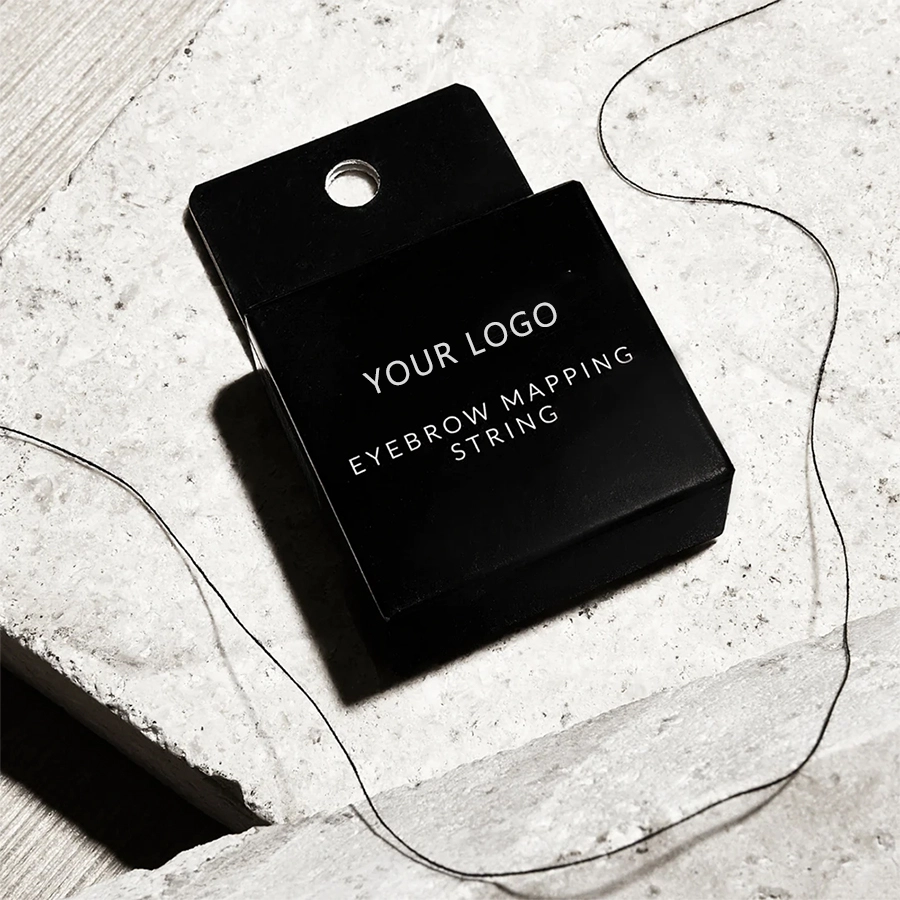
Microblading Pre-inked Mapping String Line 10m
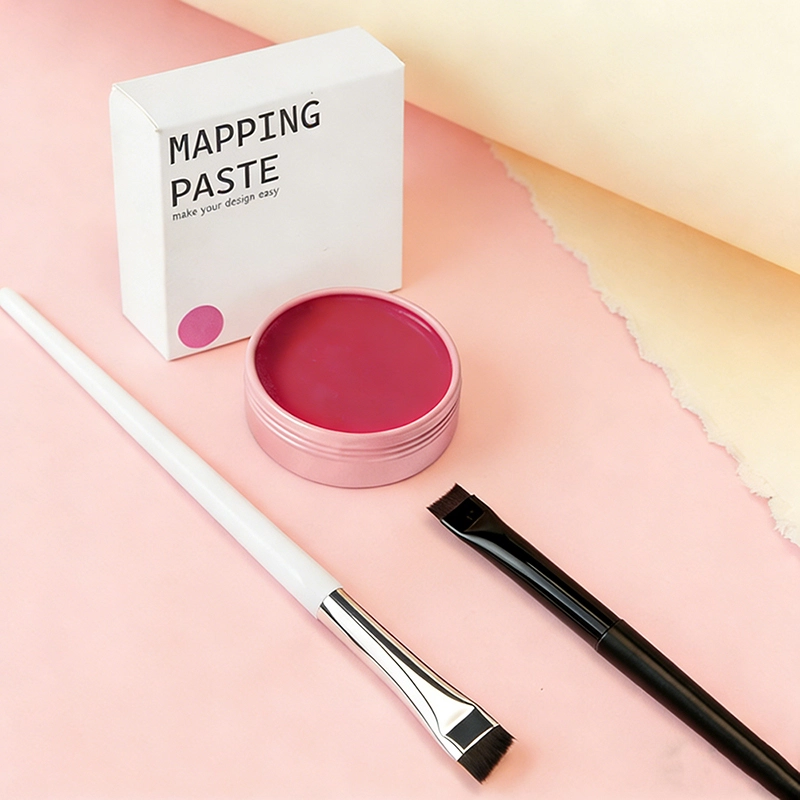
Pre-inked Mapping Ultra-Fine Eyebrows Eyeliner Blade Fan Brush

Instagram
Facebook
YouTube