


Prevent Infection: Signs to Watch While Using Aftercare Cream
- How Tattoos Normally Heal and What’s Expected
- Timeline of normal healing
- Why proper aftercare matters
- Recognizing Signs of Infection vs. Normal Healing
- Key signs that suggest infection
- Symptoms that commonly reflect irritation, not infection
- When an allergic reaction is possible
- Best Practices Using a Cream for Tattoos Aftercare
- Clean, dry, and hands-first approach
- How to apply 50g Body Tattoo Butter Balm safely
- Do’s and don’ts with tattoo balms
- Comparing Aftercare Options: Which Cream Is Best?
- When to Seek Medical Care and How Professionals Diagnose Infection
- Immediate actions if infection is suspected
- Medical evaluation and treatment
- Follow-up and preventing recurrence
- Practical Tips to Minimize Infection Risk with Aftercare Creams
- Hygiene and storage
- Environmental precautions
- Choosing the right product
- Frequently Asked Questions (FAQ)
- Q: How soon should I contact a doctor if I suspect an infection?
- Q: Can I continue using my cream for tattoos aftercare if the tattoo is mildly irritated?
- Q: Is QM Makeup’s 50g Body Tattoo Butter Balm suitable for sensitive skin?
- Q: How long should I use an aftercare cream on a new tattoo?
- Q: Where can I get Tattoo Butter Balm wholesale?
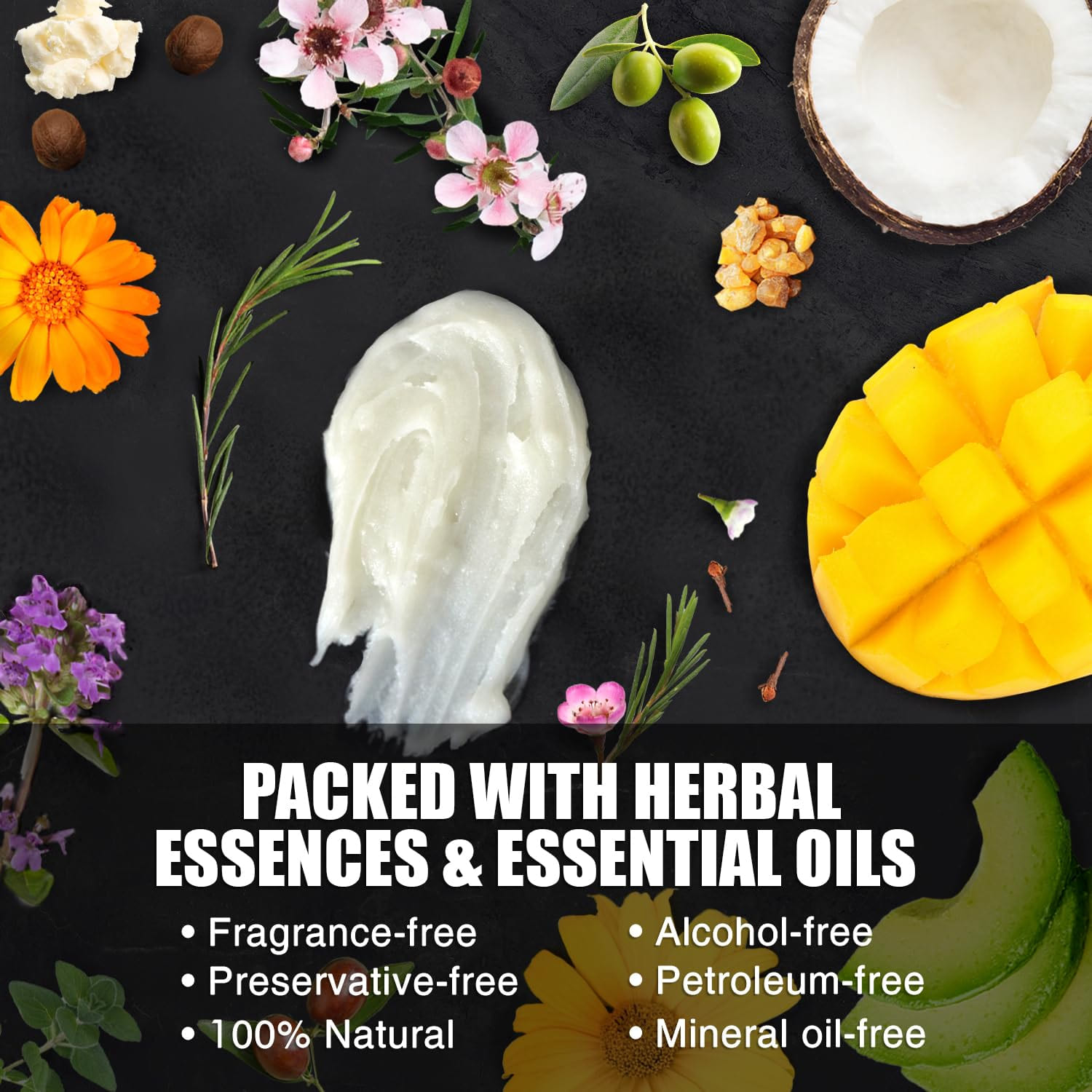
Protecting a fresh tattoo means more than applying any cream for tattoos aftercare — it requires knowing what healthy healing looks like, what warning signs to watch, and how to use a well-formulated balm like QM Makeup’s 50g Body Tattoo Butter Balm correctly. This article explains the common infection indicators, compares aftercare cream types, gives step-by-step application guidance, and advises when to seek medical attention. Reliable guidance and proper aftercare minimize complications and preserve tattoo color and clarity.
How Tattoos Normally Heal and What’s Expected
Timeline of normal healing
Understanding a normal healing timeline helps you spot abnormalities early. In general:
- Days 1–3: The tattoo area is red, slightly swollen, and tender. Some clear or faintly yellow fluid (plasma) is normal as the skin starts to repair.
- Days 4–14: Surface skin may scab or peel lightly; itching is common. Color may look dull while new skin forms.
- Weeks 3–6: Deeper layers continue to repair, colors settle, and any scabs should be gone. Complete healing varies with location, size, and individual skin.
Use a trusted cream for tattoos aftercare during these stages to keep moisture balance and protect the skin from contaminants.
Why proper aftercare matters
Keeping the tattoo clean and appropriately moisturized reduces risk of infection, excessive scarring, and pigment loss. A high-quality balm like QM Makeup’s Body Tattoo Butter Balm soothes and protects while supporting long-term vibrancy. For official guidance on infection prevention and safety practices in body art, refer to the U.S. FDA’s tattooing guidance: FDA — Tattooing & Permanent Cosmetics and the CDC’s body art resources: CDC — Body Art and Public Health.
Recognizing Signs of Infection vs. Normal Healing
Key signs that suggest infection
Any of the following should raise concern and prompt closer monitoring or medical attention:
- Increasing redness that spreads outward from the tattoo after the first 48–72 hours.
- Intense, persistent pain that gets worse rather than steadily improving.
- Thick, yellow, green, or foul-smelling discharge (pus) from the tattoo site.
- Red streaks radiating from the tattoo toward lymph nodes or nearby swelling of lymph nodes.
- Systemic symptoms like fever, chills, nausea, or feeling generally unwell.
Symptoms that commonly reflect irritation, not infection
Itching, slight flaking, mild redness, and thin clear or light-yellow plasma are normal. These symptoms usually improve over days. If they intensify or are accompanied by pus or spreading redness, reassess for infection.
When an allergic reaction is possible
Some reactions are allergic rather than infectious. Signs include widespread rash beyond the tattoo, intense localized swelling, hives, or blistering soon after application of a new product. If you suspect allergy to an aftercare cream, stop use immediately and consult a healthcare professional.
Best Practices Using a Cream for Tattoos Aftercare
Clean, dry, and hands-first approach
Always wash your hands thoroughly before touching a fresh tattoo or applying cream for tattoos aftercare. Clean the tattoo gently with mild, fragrance-free soap and lukewarm water. Pat dry with a clean towel or sterile gauze — do not rub.
How to apply 50g Body Tattoo Butter Balm safely
QM Makeup’s 50g Body Tattoo Butter Balm is designed for daily tattoo care. Recommended steps:
- After washing and fully drying the area, apply a thin, even layer of the balm. A pea-sized amount is usually sufficient for small tattoos; larger areas require proportionally more.
- Rub in gently until the skin appears just moist, not overly greasy. Excess product can block pores and trap bacteria.
- Apply 2–3 times daily or as instructed by your tattoo artist until healed. Maintain clean hands and tools when handling the balm.
Do’s and don’ts with tattoo balms
- Do patch-test a small amount on intact skin before full use if you have sensitive skin or history of allergies.
- Do use fresh cotton or clean finger each time; avoid double-dipping into a jar to prevent contamination.
- Don’t over-apply — too much occlusion can hinder healing and raise infection risk.
- Don’t use petroleum-only products long-term if your artist recommends a breathable balm; follow product-specific guidance.
Comparing Aftercare Options: Which Cream Is Best?
Different formulations suit different skin types and tattoo needs. Below is a simple comparison table to help choose a suitable cream for tattoos aftercare.
| Type | Typical Benefits | Potential Drawbacks |
|---|---|---|
| Natural butters & balms (e.g., Tattoo Butter Balm) | Deep nourishment, soothing, supports vibrancy, often formulated for tattoo healing | Some formulas may contain allergens (fragrance, lanolin) — patch testing advised |
| Petroleum-based ointments | Strong barrier protection, helps retain moisture in early healing | Can trap bacteria if overused and may prevent skin from breathing |
| Hypoallergenic lotions/creams | Lightweight, non-greasy, good for sensitive skin and long-term maintenance | May not provide enough moisture for very dry or large tattoos |
QM Makeup’s Body Tattoo Butter Balm is positioned as a high-quality option combining nourishing ingredients that support healing and long-term tattoo vibrancy. It's available for Tattoo Butter Balm wholesale for professionals who need bulk supplies.
When to Seek Medical Care and How Professionals Diagnose Infection
Immediate actions if infection is suspected
If you notice spreading redness, pus, severe pain, or systemic symptoms (fever, chills), stop using the balm and contact a healthcare provider promptly. Early treatment reduces the risk of serious complications. For public health information and safety standards related to tattooing, review resources such as Wikipedia’s tattoo article for background and links: Wikipedia — Tattoo.
Medical evaluation and treatment
Clinicians will inspect the wound, possibly swab discharge for culture, and may prescribe topical or oral antibiotics if bacterial infection is present. If an allergic dermatitis is suspected, topical steroids or antihistamines might be recommended. For detailed clinical recommendations on wound care and infection control, refer to authoritative sources like the CDC and FDA pages linked earlier.
Follow-up and preventing recurrence
Follow the full course of any prescribed medication. Keep the area clean and avoid re-exposure to potential contaminants (public pools, dirty surfaces) until fully healed. Consider switching to a hypoallergenic cream if you experienced an allergic reaction.
Practical Tips to Minimize Infection Risk with Aftercare Creams
Hygiene and storage
- Wash hands before application and use a disposable applicator or clean finger each time.
- Store your balm in a cool, dry place and keep the lid tightly closed to reduce contamination.
- Avoid sharing your tattoo cream; jars should be for single-user or professional single-use packaging in a studio.
Environmental precautions
Avoid soaking the new tattoo in bodies of water (pools, hot tubs, lakes) and protect it from direct sun until healed. These environments increase infection risk and can damage fresh ink.
Choosing the right product
Opt for a product formulated for tattoo aftercare, free from harsh fragrances, and from a reputable brand. QM Makeup’s 50g Body Tattoo Butter Balm is marketed specifically as a balm tattoo aftercare product that deeply nourishes and supports vibrant tattoos, suitable for daily tattoo care.
Frequently Asked Questions (FAQ)
Q: How soon should I contact a doctor if I suspect an infection?
A: Contact a healthcare provider immediately if you have spreading redness, pus, severe pain, red streaks, swollen lymph nodes, or fever. Early evaluation avoids complications.
Q: Can I continue using my cream for tattoos aftercare if the tattoo is mildly irritated?
A: For mild irritation (itching, slight redness), continue using a thin layer of your aftercare cream as directed. If irritation worsens or you see pus/other infection signs, stop and seek medical advice.
Q: Is QM Makeup’s 50g Body Tattoo Butter Balm suitable for sensitive skin?
A: The balm is formulated to soothe and protect tattoos. If you have known sensitivities, perform a small patch test first. For persistent sensitivity, consult your artist or dermatologist.
Q: How long should I use an aftercare cream on a new tattoo?
A: Typically continue regular moisturizing for at least 2–4 weeks or until the skin is fully healed. Some people choose to use a light maintenance cream thereafter to preserve vibrancy.
Q: Where can I get Tattoo Butter Balm wholesale?
A: QM Makeup offers Tattoo Butter Balm wholesale options — contact their sales team or check official product pages for bulk ordering and professional-supply details.
If you have additional concerns about infection signs or want product-specific advice, contact our customer service or view QM Makeup’s 50g Body Tattoo Butter Balm product page to learn more and place an order. For professional guidelines on tattoo safety, see the FDA and CDC resources linked above.
Contact us: For product questions or to order QM Makeup’s 50g Body Tattoo Butter Balm, please reach out to our customer service team or visit our product catalog. Protect your investment — keep your tattoos healthy with the right cream for tattoos aftercare.
Regulatory Compliance for Microblading Tools: A Buyer’s Checklist
Best Numb Tattoo Cream for Sensitive Skin: Super Numb Tips
What is semi permanent makeup
How to manufacturing tattoo needle
Perm and dyeing kit
How long does the lash lift tint and brow tint effect last?
The effect for eyelash tinting and brow tinting can last for 6-8 weeks, during which time you can carry out water activities normally. Generally, after 6-8 weeks, the eyelashes and eyebrows will return to their original state, at which time you can arrange for a new tinting treatment.
After sales support
How to deal with product quality problems?
If you find that there are quality problems with your product, please contact our customer service team immediately and provide relevant evidence, we will handle it and provide you with a solution as soon as possible.
How do I change or cancel my order?
Any cancellation made after an order has been placed, will be subject to a cancellation fee regardless of the time the order has been placed (even if it is just a second later) as the merchant processor/credit card charges us a fee for cancellations.
Please note that any orders that have already been packed, produced or shipped cannot be cancelled.
Customized service
What if I can't reach the custom minimum order quantity?
We have a minimum order quantity requirement for customized products, which depends on the printing or process or raw material production. The minimum order quantity is calculated separately for each design style. If your order quantity is less than the minimum order quantity, we suggest that you can first order the outer packaging or raw materials according to the minimum order quantity, and then order the finished products in batches, so that your packaging or raw materials can be used in multiple orders.
Nano cream
Do your tattoo numb products turn brown? How should they be stored?
Because the tattoo numb product is formulated with a lidocaine and procaine base, it must be stored in a cool, light-proof place. Excessive room temperature, exposure to sunlight, or failure to seal the cap after opening may result in discoloration and deterioration of the product, which may result in loss of the numbing effect.
Here are some instruction for you:
1. Keep tattoo numb numbing cream in cool place and avoid sunlight.
2. After open, please close the lid as soon as possible, make sure that you have already close it tightly.
3. For a better effect to prevent the open cream / essence get touch with the air, you can cover with a plastic film on the tube port, then close with lid.
4. Numb nuts cream for tattoo can also be stored in the crisper section of the refrigerator if you are experiencing hot weather.

Professional Pre Inked Eye Brow Mapping String 30m
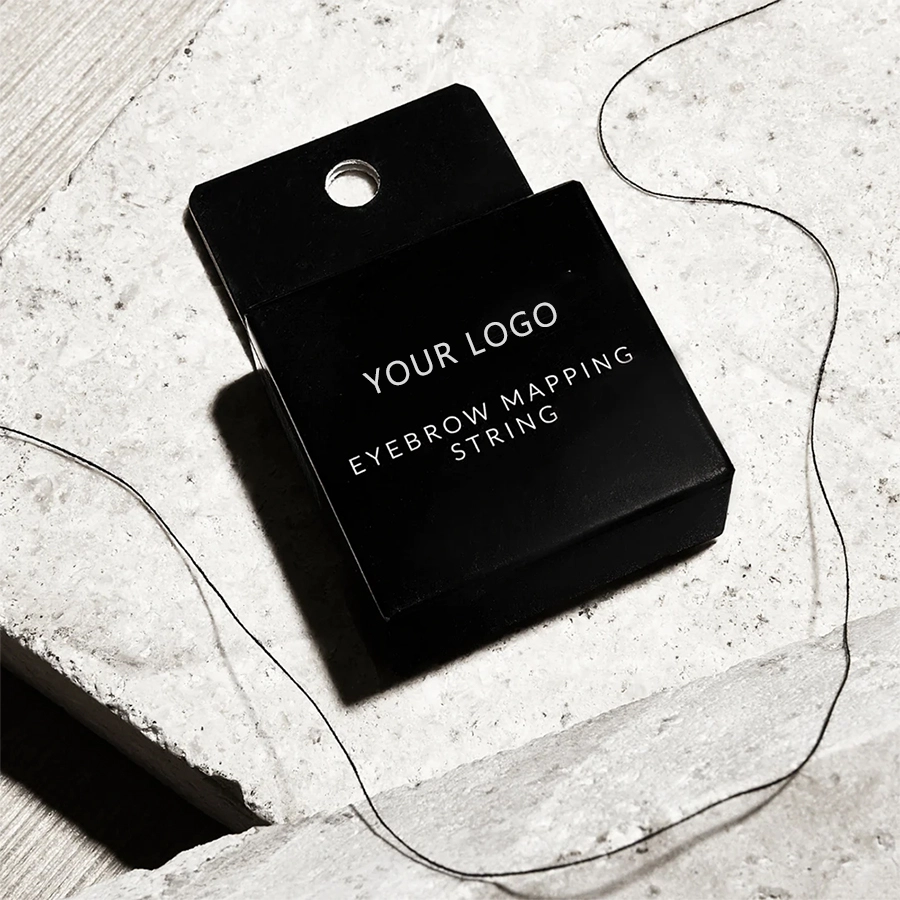
Microblading Pre-inked Mapping String Line 10m
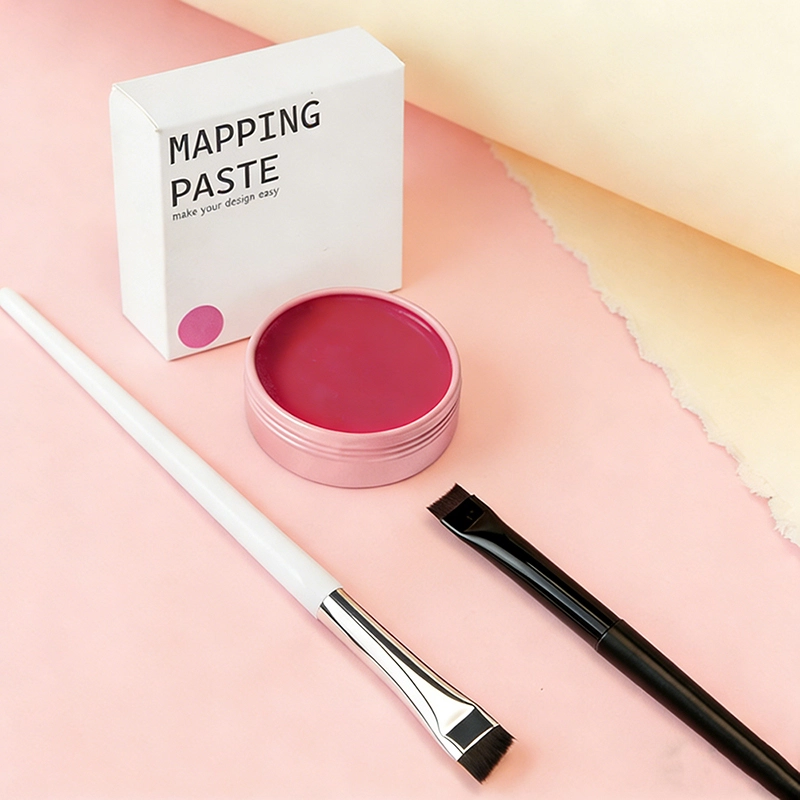
Pre-inked Mapping Ultra-Fine Eyebrows Eyeliner Blade Fan Brush

Instagram
Facebook
YouTube