


Super Numb Tattoo Cream Review: Best Numb Tattoo Cream?
- Super Numb Tattoo Cream Review: Best Numb Tattoo Cream?
- Quick product overview — why searchers ask “best numb tattoo cream”
- What Super Numb Tattoo Cream claims to do — performance and intended users
- How topical tattoo numbing creams work (simple explanation for artists and clients)
- Effectiveness of Super Numb Tattoo Cream — onset, depth, and duration
- Safety and precautions — what professionals must know before using Super Numb
- Application best practices for tattoo and semi-permanent makeup
- Super Numb vs. other popular topical anesthetics — comparative table
- Who benefits most from Super Numb — target cases in tattoo and PMU work
- Practical tips for studio integration
- Regulatory and legal considerations for professionals
- Brand advantages — why QM Makeup’s Super Numb stands out
- Bottom line — is Super Numb the best numb tattoo cream?
- FAQ — common questions about Super Numb and tattoo numbing creams
- Q1: How long before my tattoo should Super Numb be applied?
- Q2: Is Super Numb safe to use on broken skin?
- Q3: Can I use Super Numb for lip or eyelid procedures?
- Q4: Are there clients who should not use Super Numb?
- Q5: How does Super Numb compare price-wise?
- Contact and next steps — try Super Numb or ask questions
- References and further reading
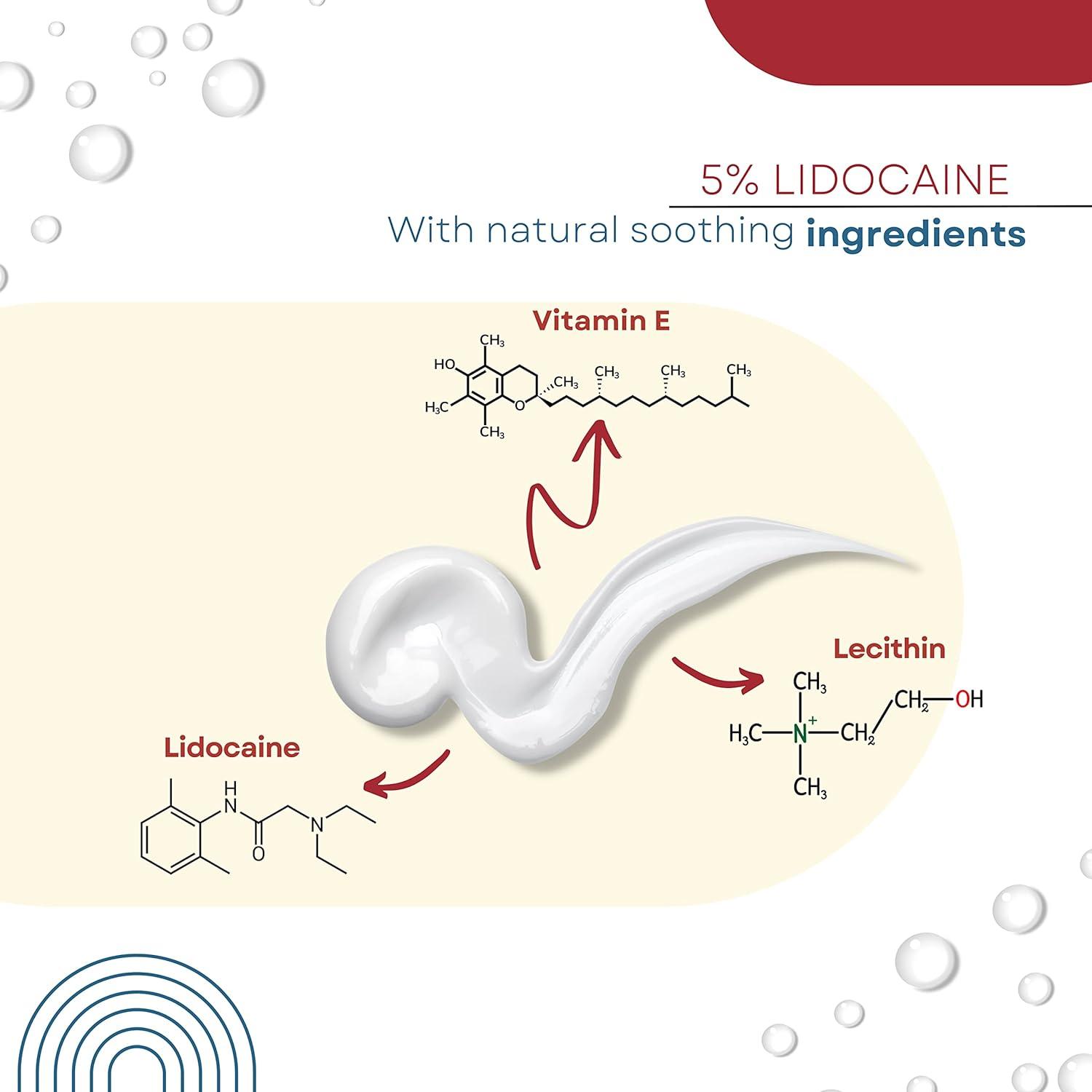
Super Numb Tattoo Cream Review: Best Numb Tattoo Cream?
Quick product overview — why searchers ask “best numb tattoo cream”
Super Numb Tattoo Cream by QM Makeup is promoted as a high-strength topical anesthetic designed to reduce pain during tattooing and semi-permanent makeup procedures. When people search for best numb tattoo cream, they want rapid onset, reliable numbing, safe use over broken skin, consistent duration, and a product that integrates into a professional workflow (including wholesale availability). This review evaluates Super Numb across those dimensions and compares it to common alternatives so artists and clients can make an informed choice.
What Super Numb Tattoo Cream claims to do — performance and intended users
Super Numb aims to provide strong topical anesthesia for tattoo and semi-permanent makeup procedures. Its target users are professional tattoo artists, PMU (permanent makeup) practitioners, and clients who need a more comfortable (or entirely pain-free) experience. The product positioning emphasizes fast action, prolonged numbing, and availability for wholesale orders — features that appeal to busy studios wanting predictable client experiences.
How topical tattoo numbing creams work (simple explanation for artists and clients)
Topical numbing creams generally contain local anesthetics such as lidocaine, tetracaine, prilocaine, or benzocaine. These molecules block sodium channels in peripheral nerve endings, reducing pain signals from the skin to the brain. For tattooing and microblading, properly applied topical anesthetics reduce surface pain and can significantly improve client comfort during the procedure. However, effectiveness depends on formulation, skin barrier, application technique, and whether the skin is intact or punctured.
Effectiveness of Super Numb Tattoo Cream — onset, depth, and duration
Super Numb is marketed for fast onset and intense numbing. In practice, the key aspects to evaluate are:
- Onset time — how long before the procedure you must apply.
- Depth — how well it numbs surface pain and shallow dermal sensation.
- Duration — how long the effect lasts and whether reapplication is needed during long sessions.
For most professional topical anesthetics, reasonable expectations are: onset within 10–30 minutes, meaningful surface numbing for 1–3 hours depending on active ingredients, and variable deeper dermal analgesia. Super Numb’s formula aims to be on the faster and stronger end of this range; however, individual results vary with skin thickness, circulation, and the extent of tattooing. For long sessions, practitioners often combine topical anesthesia with procedural techniques (short breaks, timed re-applications) to maintain client comfort.
Safety and precautions — what professionals must know before using Super Numb
Safety is paramount when using numbing creams. Key precautions for any strong topical anesthetic include:
- Patch test: Always perform a small-area patch test at least 24 hours before the procedure to check for allergic reactions.
- Dosage and area: Follow manufacturer guidance on maximum dose and limit the treated area to avoid systemic absorption.
- Broken skin: Avoid or use caution applying some topical anesthetics on extensively broken skin; increased absorption can raise systemic risk.
- Drug interactions and conditions: Ask clients about heart conditions, liver disease, pregnancy, breastfeeding, or use of other local anesthetics (including prescription forms).
- Watch for signs of toxicity: Dizziness, tinnitus, metallic taste, numbness in other areas, or severe CNS symptoms require immediate medical attention.
Note: Certain agents (notably benzocaine) have been linked to rare but serious side effects such as methemoglobinemia. Always verify the product's active ingredients and follow manufacturer and regulatory guidance.
Application best practices for tattoo and semi-permanent makeup
To get predictable results with any numbing cream, follow professional steps:
- Clean and degrease the area; ensure no open bleeding for heavy application unless the cream is explicitly indicated for broken skin.
- Apply a thick, even layer and cover (occlusion) with plastic wrap when appropriate — occlusion often accelerates and increases absorption.
- Wait the recommended time (commonly 15–30 minutes) before starting. For deeper numbing, some practitioners wait longer but monitor total dose.
- Remove excess cream and clean the skin before tattooing; many creams require removal to avoid pigment contamination or smear.
- Reapply only as permitted by the product instructions and safety limits.
Super Numb vs. other popular topical anesthetics — comparative table
The table below provides a high-level comparison of commonly used topical numbing products. Product formulations can change; always verify current labels.
| Product | Typical active ingredient(s) | Typical onset | Typical duration | Professional features |
|---|---|---|---|---|
| Super Numb (QM Makeup) | Formulated for high-strength topical anesthesia (check label for specifics) | Fast (manufacturer claims short onset) | Designed for prolonged comfort (varies by client) | Wholesale availability, professional-grade positioning |
| Dr. Numb | Typically lidocaine-based (check label) | 10–30 minutes | 1–3 hours | Common OTC option used by artists |
| Hush | Professional formulations vary (targeted for tattoo use) | 10–30 minutes | 1–3 hours | Positioned for tattoo industry |
| NumbMaster (and similar) | Lidocaine-based (common) | 10–30 minutes | 1–3 hours | Available in creams and gels for cosmetic procedures |
Sources: product manufacturer pages and industry documentation — always consult the product label for exact active ingredients, concentrations, and usage instructions.
Who benefits most from Super Numb — target cases in tattoo and PMU work
Super Numb is particularly useful when:
- Clients have low pain tolerance or high anxiety.
- Procedures are on sensitive areas (lips, nipples, eyelids, ears).
- Microblading or powder brows where superficial comfort improves precision.
- Studios need a wholesale supply of a reliable topical anesthetic for high throughput.
However, not every client needs a strong topical; small cosmetic tattoos or brief sessions may be tolerable without high-strength creams. Consider client medical history and the type of procedure before selecting a product labeled strongest.
Practical tips for studio integration
To make Super Numb or any strong topical anesthetic work reliably in a busy studio:
- Create a standard operating procedure (SOP) that includes allergy checks, patch tests, application timing, and maximum treated area.
- Train staff on signs of adverse reactions and emergency actions.
- Keep clear documentation in client records about which anesthetic was used and dosage area.
- Buy wholesale but rotate stock and check expiration dates.
Regulatory and legal considerations for professionals
Different countries and states regulate topical anesthetics differently. Some require that certain products be applied or dispensed only by licensed professionals. Check local regulations regarding the sale and application of high-strength topical anesthetics. Also be aware of product labeling requirements and safety notices (e.g., warnings about benzocaine and methemoglobinemia). When in doubt, consult a medical professional or regulatory body.
Brand advantages — why QM Makeup’s Super Numb stands out
Based on the product’s positioning, the brand strengths include:
- Professional focus: marketed to tattoo and PMU professionals with wholesale options.
- High-strength performance: designed to provide stronger numbing than basic OTC options (verify label for specifics).
- Fast action and practicality: claims of quick onset and prolonged comfort match studio needs seeking efficiency.
- Packaging and supply chain: availability in professional quantities helps studios manage cost and consistency.
These strengths make Super Numb an attractive candidate for artists exploring a top-tier topical anesthetic, but always confirm active ingredients, legal allowances, and client medical suitability before routine use.
Bottom line — is Super Numb the best numb tattoo cream?
“Best” depends on a studio’s priorities: fastest onset, maximum depth, safety profile, or value in wholesale. Super Numb by QM Makeup appears designed to meet many professional needs: strong numbing, quick action, and wholesale availability. For many artists and clients seeking a high-performance option, it is a strong contender for the best numb tattoo cream shortlist. That said, always verify the ingredient list, run patch tests, follow dosage guidance, and compare real-world performance in your studio before deciding it’s the definitive best for your practice.
FAQ — common questions about Super Numb and tattoo numbing creams
Q1: How long before my tattoo should Super Numb be applied?
A: Follow the product instructions. Typical professional practice is to apply 15–30 minutes before starting and to occlude (cover) if the product recommends it. For deeper numbing some practitioners wait longer, but do not exceed recommended dosages.
Q2: Is Super Numb safe to use on broken skin?
A: Many topical anesthetics increase systemic absorption on broken skin, which can raise risk. Check the product label and manufacturer guidance. For minor broken areas some creams are formulated for that use; for large open wounds avoid topical anesthetics unless explicitly indicated and under medical advice.
Q3: Can I use Super Numb for lip or eyelid procedures?
A: These are sensitive areas and often require special care. While potent numbing creams are used for lips and eyelids, follow manufacturer warnings and consider smaller doses, patch tests, and professional judgement. For eyelids especially, consider medical consultation because of proximity to eyes.
Q4: Are there clients who should not use Super Numb?
A: Yes — clients with known allergies to local anesthetics, liver disease, certain heart conditions, pregnancy or breastfeeding considerations, or those using interacting medications should consult a physician first. Also avoid benzocaine-containing products for infants and young children due to methemoglobinemia risk.
Q5: How does Super Numb compare price-wise?
A: Super Numb’s wholesale focus usually makes it cost-effective for studios buying in bulk. Compare unit price, concentration, and required quantity per session to evaluate true cost-effectiveness.
Contact and next steps — try Super Numb or ask questions
If you’re a tattoo or PMU professional interested in testing Super Numb Tattoo Cream, contact QM Makeup for wholesale pricing, specification sheets, and full ingredient labeling. For client-specific safety questions, consult a licensed healthcare professional.
Ready to source or learn more? Contact QM Makeup customer service or view the product page to request samples and bulk pricing.
If you still have questions after reading the review, revisit the comprehensive FAQ guide: FAQs: Everything About the Best Numb Tattoo Cream & Super Numb.
References and further reading
- Product pages and manufacturer instructions for topical anesthetics (check the current product label for Super Numb by QM Makeup and comparable brands).
- U.S. Food & Drug Administration (FDA) consumer information — safety communications about topical anesthetic agents and benzocaine-related risks: https://www.fda.gov/drugs/drug-safety-and-availability/fda-drug-safety-communication
- Clinical and professional guidance on topical anesthetics in dermatologic and cosmetic procedures (consult peer-reviewed journals and national dermatology/medical society guidance for detailed studies and dosing recommendations).
Tips for buy eyelash extension kit for beginners
Best professional wholesale microblading kit manufacturers and supplier brands
Where to Buy eyeliner tattoo machines

Bulk Sourcing Tattoo Aftercare Cream: 5g Cell Repair Benefits
Super Essence
How should I choose a numbing product? Order of use and recommendations?
Generally speaking, we recommend choosing numbing products based on your operating experience, usage habits, treatment stage, treatment area, and applicable population. Here are some tips for choosing numbing products.
1. Treatment stage: Before treatment: tattoo numb cream/tattoo numb essence; During treatment: secondary tattoo numb essence
2. Treatment area: Eyebrows: tattoo numb cream/tattoo numb essence/eyebrow patch; Eyeliner: numbing cream; Lips: tattoo numb cream/numbing essence/lip patch; Body: tattoo numb cream.
3. Operating experience: Beginner: tattoo numb cream; Professional: all are okay
4. Applicable skin: Normal skin: all are okay; Sensitive skin: nano numb cream
Powder Pigment
Is the hybrid powdered pigment organic pigment for microblading?
Hybrid tattoo powder pigment is a revolutionary solution designed to address common problems encountered during micropigmentation and permanent makeup pigment application. This water-oil balanced makeup tattoo pigment harmoniously blends organic and inorganic ingredients to provide superior results.
Nano cream
What is the difference between Super Numb Tattoo Cream and Nano Numb Cream For Tattoo?
Both super numb cream and nano numb cream can be used for tattoos, piercings or other beauty treatments. But they are suitable for different people. Super numb cream has a stronger effect. If you need a very strong super numb tattoo cream, we recommend you to use Super Numb Tattoo Cream. Nano Numb Cream is developed for people with sensitive skin. The formula is more gentle, anti-sensitive and anti-redness. If you need a comfortably numb tattoo cream specifically for sensitive skin, we recommend you to use nano numb cream.
Pigment Ink
What is the MOQ for customization ?
For label customization, the MOQ is 100pcs; for packaging customization, the MOQ is 1000pcs; for other in-depth customization, the MOQ will be based on your specific requirements.
Tattoo balm
What are the characteristics of tattoo balm?
Our tattoo repair balm can be used to help the skin of new tattoos heal and protect, and can also be used for the maintenance of old tattoos. New tattoos usually need to be regularly applied with repair balm during the initial weeks of healing, and for old tattoos, regular maintenance can also help maintain color and luster.

Professional Pre Inked Eye Brow Mapping String 30m
Microblading Pre-inked Mapping String Line 10m
Pre-inked Mapping Ultra-Fine Eyebrows Eyeliner Blade Fan Brush

Instagram
Facebook
YouTube