


Tattoo Pigment Ink Color Selection for Skin Tones
- Tattoo Pigment Ink Color Selection for Skin Tones
- Why choosing the right tattoo pigment ink matters for skin tones
- Understanding skin tone vs undertone: first step to pick tattoo pigment ink
- Mapping pigments to Fitzpatrick skin types
- Color theory made practical for tattoo pigment ink
- Common pigment chemistry and implications for skin tones
- How healing and oxidation change tattoo pigment ink color
- Mixing, dilution, and pigment concentration best practices
- Patch testing, consent, and documentation
- Tools and technique: how application affects perceived color
- Comparing popular pigment choices for different skin tones
- Why QM Makeup Hybrid Powder Microblading Pigment Ink helps professionals
- Practical workflow for color selection in a client session
- Aftercare advice that preserves pigment color across skin tones
- FAQ
- Contact and product CTA
- Sources and further reading
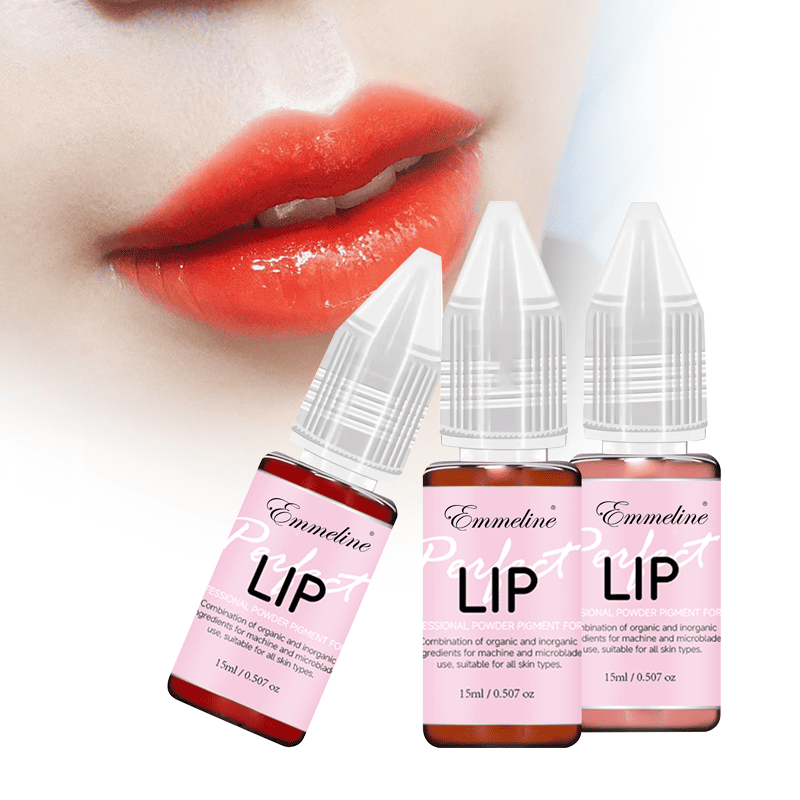
Tattoo Pigment Ink Color Selection for Skin Tones
Why choosing the right tattoo pigment ink matters for skin tones
Choosing the correct tattoo pigment ink is more than aesthetics: it affects healing, color stability, and client satisfaction. For professionals, selecting colors that complement a client's skin tone reduces the need for corrective sessions and ensures results that age gracefully. The right microblading pigment ink will replicate natural hair tones, avoid unwanted color shifts over time, and blend seamlessly with the skin. Hybrid Powder Microblading Pigment Ink from QM Makeup offers vibrant, long-lasting colors engineered to give flawless, professional shading, making it a reliable choice for technicians seeking high-quality wholesale microblading pigment ink.
Understanding skin tone vs undertone: first step to pick tattoo pigment ink
Many clients use skin tone and undertone interchangeably, but for pigment selection they mean different things. Skin tone refers to the surface color (fair, medium, olive, dark), while undertone is the subtle hue beneath the skin (cool, warm, neutral). Undertones influence how a pigment looks after healing. For example, a warm undertone can bring out golden or orange bias in a pigment, while a cool undertone can emphasize ashy or gray aspects.
Simple tests to determine undertone:
- Vein color on the wrist: blue/purple suggests cool, green suggests warm, a mix indicates neutral.
- Tanning vs burning: skin that tans easily is often warm/olive; skin that burns easily may be cool.
- Jewelry test: gold flatters warm undertones, silver flatters cool undertones.
Embed : When you select tattoo pigment ink for a client, always record undertone notes in the client file. Using QM Makeup Hybrid Powder Microblading Pigment Ink, which includes a palette designed for varied undertones, simplifies matching and reduces corrective adjustments.
Mapping pigments to Fitzpatrick skin types
The Fitzpatrick scale (I–VI) helps predict how skin will react to sunlight and is useful for pigment planning. Here is a practical mapping to guide pigment selection for microblading and brow shading:
Recommended pigment directions by Fitzpatrick type:
- Fitzpatrick I-II (very fair to fair): Use lighter, neutral-cool browns. Avoid strong warm or orange-based pigments. Choose lower-density pigment deposition.
- Fitzpatrick III-IV (medium to olive): Neutral to warm browns work well; consider slightly richer pigments for contrast. For olive skin, avoid pigments with strong red undertones to prevent muddying.
- Fitzpatrick V-VI (dark): Deeper, warm-neutral browns and soft blacks are preferable. Use pigments formulated for higher melanin content to maintain natural appearance without blue/green shift.
Color theory made practical for tattoo pigment ink
Basic color theory helps you neutralize unwanted tones. If a healed brow trends warm/orange, you can neutralize it with a cool (blue/ash) pigment. Conversely, if a healed result looks ashy/gray, add a warm pigment with red/golden bias. Mixing small ratios allows precise tuning—always document ratios and perform a test patch if possible.
Example: If a client with fair-cool undertones shows orange healing from a warm brown, blend 10–20% ash/blue-bias pigment into the original pigment to counteract the warmth.
Common pigment chemistry and implications for skin tones
Not all tattoo pigment ink is created equal. Understanding pigment bases helps predict long-term behavior:
| Pigment Type | Characteristics | Impact on Skin Tones |
|---|---|---|
| Iron Oxide (inorganic) | Stable, minimal color shift, good for natural browns | Reliable across all skin tones; preferred for microblading pigment ink where stability is crucial |
| Carbon Black | Deep black, strong contrast, may appear blue/green in dark skin | Use sparingly for dark brows; combine with warm browns for softer effect |
| Organic Pigments | Vivid colors, can fade or shift with sun/oxidation | Avoid bright organics for natural brows; suitable for artistic color but risky for microblading |
| Hybrid formulas (e.g., Hybrid Powder Microblading Pigment Ink) | Designed for balance: vibrant yet stable, engineered for shading and microblading | Formulated to perform well across multiple skin tones; often optimized for wholesale professional use |
Sources for pigment chemistry and behavior are listed at the end of this article.
How healing and oxidation change tattoo pigment ink color
Expect a pigment to look 20–40% lighter after healing due to scabbing and epidermal renewal. Some pigments, especially organic reds/oranges, can shift tones over months as they oxidize or interact with UV exposure. For long-lasting, predictable results, choose high-quality microblading pigment ink formulations with tested stability—this reduces the risk of blue, green, or muddy outcomes.
Pro tip: When using Hybrid Powder Microblading Pigment Ink, account for the expected fade by choosing a slightly richer tone for initial application, especially for clients with higher Fitzpatrick types where contrast can be lost more rapidly.
Mixing, dilution, and pigment concentration best practices
Mixing pigments allows customization for unique skin tones. Guidelines:
- Start with small batches and record ratios precisely.
- Use manufacturer-recommended diluents; improper dilution can cause migration or poor retention.
- For lighter skin, dilute with 10–20% neutral diluent to create softer hair strokes. For darker skin, maintain full concentration to preserve visibility.
Note that many professional lines like QM Makeup provide dilution charts and recommended mixes for common skin types—use these as starting points and adjust based on healed results.
Patch testing, consent, and documentation
Always conduct a patch test for new pigments or when a client reports sensitivities. Document the patch site, pigment batch numbers, mix ratios, and client consent. Quality manufacturers, including providers of Hybrid Powder Microblading Pigment Ink, label pigments clearly with batch codes, which aids traceability and client safety.
Tools and technique: how application affects perceived color
Needle depth, stroke density, and hand speed influence pigment appearance. Superficial placement can fade quickly and appear cooler; too deep can cause blowouts and muddy tones. Calibrate your technique for the chosen pigment: a stable iron-oxide based Hybrid Powder Microblading Pigment Ink tolerates slightly deeper shading, while delicate hair-stroke work needs precise, shallower application.
Comparing popular pigment choices for different skin tones
Below is a concise comparison to help professionals choose a starting pigment family by skin tone. This is a guideline — always adapt after evaluating the client's unique characteristics.
| Skin Tone | Recommended Pigment Family | Notes |
|---|---|---|
| Fair (I-II) | Neutral-cool browns, light ambers | Start light; avoid warm/orange-heavy pigments |
| Medium (III) | Neutral to warm browns | Balanced pigments give natural contrast |
| Olive (III-IV) | Neutral-bias browns, avoid strong red | Prevent muddy or greenish outcomes by testing |
| Dark (V-VI) | Warm-neutral deep browns, soft blacks | Choose pigments formulated for high melanin retention |
Why QM Makeup Hybrid Powder Microblading Pigment Ink helps professionals
QM Makeup Hybrid Powder Microblading Pigment Ink offers a high quality formula designed for vibrant, long-lasting colors and flawless shading. Key benefits relevant to skin tone selection:
- Color stability: Hybrid formulas reduce unpredictable healing shifts, important for clients of all Fitzpatrick types.
- Wide shade range: A palette that includes neutral, warm, and cool options simplifies undertone matching.
- Consistent manufacturing: Batch control and labeling support traceability and client records.
- Wholesale availability: Professionals can access large quantities at consistent quality and price points.
Using a dependable product like QM Makeup's pigment ink allows you to focus on technique and client consultation rather than compensating for pigment inconsistency.
Practical workflow for color selection in a client session
- Assess skin tone and undertone with vein, jewelry, and sun response tests.
- Photograph brows in natural light and compare to pigment swatches.
- Choose a base pigment family and, if needed, prepare a 10–20% adjustment mix (ash to neutralize warm; warm to counteract ash).
- Perform a small patch test or stroke test in an inconspicuous area when uncertain.
- Record the exact pigment names, batch numbers, dilution ratios, and techniques used.
Aftercare advice that preserves pigment color across skin tones
Aftercare plays a major role in how pigment heals and ages. Advise clients to:
- Avoid direct sun for at least 4 weeks and use SPF long-term to prevent UV-driven fading.
- Follow cleaning and moisturization instructions precisely to avoid excessive scabbing.
- Report any prolonged redness or allergic reactions promptly; some reactions affect pigment retention and color.
FAQ
Q: How do I prevent pigments from turning blue or green on darker skin?
A: Use warm-neutral, iron-oxide-based pigments and avoid pure blacks or cool blues. QM Makeup Hybrid Powder Microblading Pigment Ink includes deep warm neutrals formulated to minimize blue/green shifts on darker skin.
Q: Can I mix pigments from different brands?
A: Mixing brands risks inconsistent chemistry and unpredictable healing. If mixing is necessary, use small test patches and document results. Preferably use pigments from the same line, such as QM Makeup, for consistent behavior.
Q: How much will color change after healing?
A: Expect 20–40% lightening after the initial healing. Long-term shifts depend on pigment chemistry and sun exposure. Using stable hybrid pigments reduces dramatic shifts.
Q: Are there pigments specifically for olive skin?
A: Yes. Look for neutral-bias browns with minimal red content to avoid muddying. QM Makeup provides shades targeted to olive undertones in its Hybrid Powder Microblading Pigment Ink range.
Contact and product CTA
Ready to make consistent, beautiful decisions about tattoo pigment ink for your clients? Explore QM Makeup Hybrid Powder Microblading Pigment Ink for a reliable, professional palette. Contact our support team to request a shade chart, order wholesale quantities, or get technical guidance on mixing and application. Visit the QM Makeup product page or message our customer service for samples and batch information.
Once you understand color-matching techniques, it’s useful to revisit the fundamentals of pigment ink composition and purpose. Get a complete foundation in What Is Tattoo Pigment Ink? A Beginner's Guide.
Sources and further reading
These references support the recommendations and pigment behavior described above:
- American Academy of Dermatology Association. Tattoo safety and complications. https://www.aad.org
- DermNet NZ. Tattooing and permanent makeup: complications and pigments. https://www.dermnetnz.org
- Scientific review on tattoo ink chemistry and toxicology: Hauri U, Steiger R, Hohl C et al. (Review, 2016). See PubMed for updated reviews on tattoo pigment toxicology. https://pubmed.ncbi.nlm.nih.gov
- Color theory and Fitzpatrick scale clinical uses: Fitzpatrick TB. The validity and utility of sun-reactive skin typing. https://pubmed.ncbi.nlm.nih.gov
For more clinical articles and technical data on pigments, consult peer-reviewed journals accessible through PubMed and product technical data sheets provided by pigment manufacturers like QM Makeup.
How to Verify Quality: Lab Tests for eye lash lift kits
Wholesale super numb tattoo cream manufacturer and supplier in 2026
Top 5 lip blush pigment Company List and Products Compared
Wholesale Microblading Machines: Find Reliable Suppliers
Lash Glue
How do I choose the right lifting glue for eyelashes?
The choice of glue for eyelash lifting depends on several factors, including skin type, application habits and personal skills. Here are some tips for you:
Skin type: For sensitive skin, we recommend choosing strong sticky glue.
Habits: If you don't want the glue to leave a waxy residue when applied, we recommend choosing strong sticky glue; if you need a very sticky glue and don't mind a slightly elastic status quo during application, we recommend choosing super sticky glue.
Personal skills: If you are a professional, we recommend using liquid lifting glue, strong sticky glue and super sticky glue are ideal for you. If you are a beginner, we recommend lifting glue balm, non-flowing glue allows you to better control the amount of glue and adjust the lashes, you can click to see the lifting glue balm page for more details.
Lash lift kit
Does the neutralizer contain the ingredient “Sodium Bromate” ?
Yes. The active ingredient of the neutralizer is an oxidant agent, which reconnects the disulfide bonds in the eyelashes that were broken by the perming lotion. Commonly used oxidants are sodium bromate and hydrogen peroxide. Sodium bromate works best at a neutral pH value, and can achieve a firm, elastic styling effect.
Eyelash Perming Glue Balm
What’s your product quality certificate?
We have MSDS certificate for PERM & FIXING & Glue lotions.
Products
How many applications does the glue balm for lash lift and brow lamination?
About 15-20 applications.
Eyelash lifting
Is glue balm easy to clean?
Yes, it is. You can easily clean it with glue remover or water.

Professional Pre Inked Eye Brow Mapping String 30m
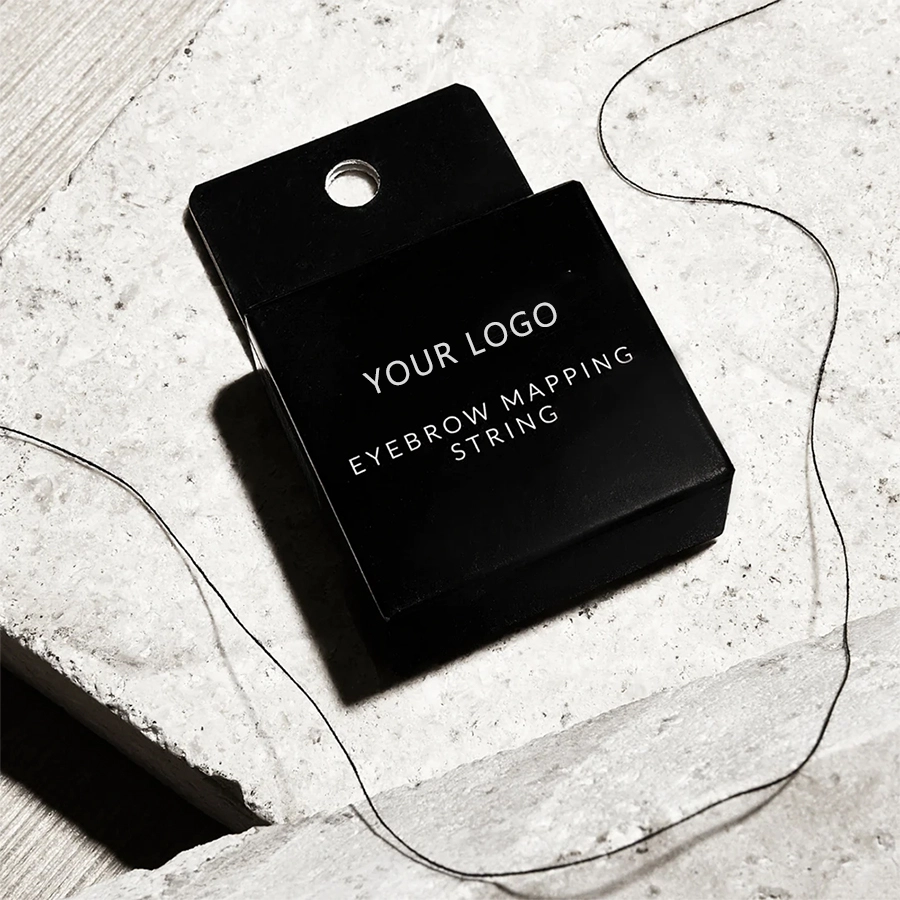
Microblading Pre-inked Mapping String Line 10m
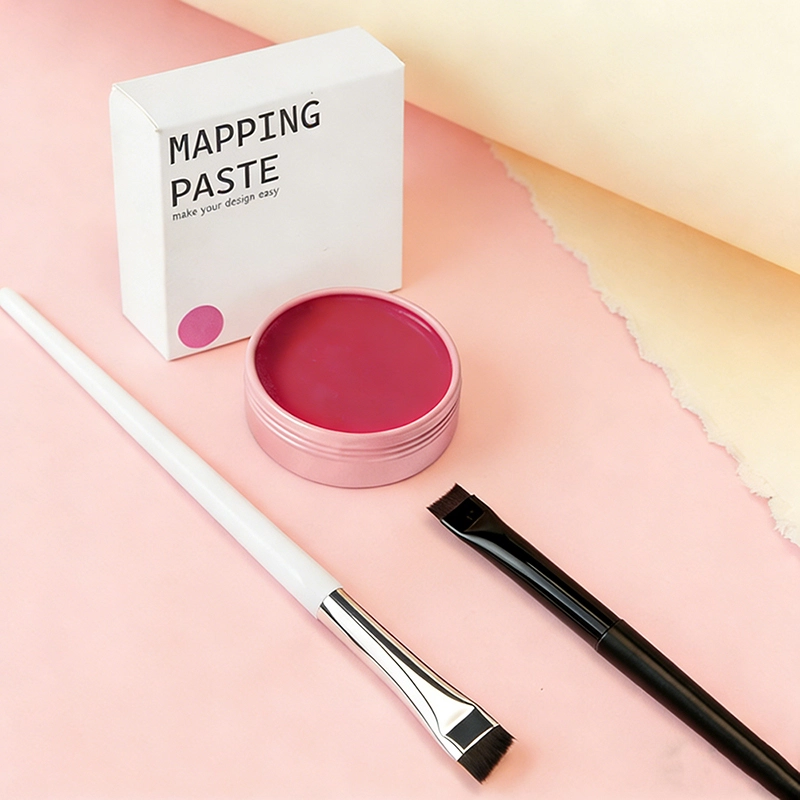
Pre-inked Mapping Ultra-Fine Eyebrows Eyeliner Blade Fan Brush

Instagram
Facebook
YouTube