


Top Aftercare Products Every PMU Studio Should Stock
- Why aftercare matters for your PMU studio
- Healing outcomes and infection prevention
- Legal, safety and brand implications
- Revenue and client retention
- Essential aftercare products every PMU studio should stock
- 1. Gentle antimicrobial cleansers
- 2. Healing ointments and balms (short-term occlusives)
- 3. Breathable healing balms or creams (longer term)
- 4. Protective barrier films and bandages
- 5. Sun protection (physical/mineral sunscreens)
- 6. Specialized lip and eyelid aftercare
- 7. Patch test and allergy-friendly options
- Practical comparison: product types, uses, and stocking guidance
- How to choose and vet aftercare products and suppliers
- Regulatory and ingredient due diligence
- Clinical testing and microbial safety
- Packaging, labeling, and private label options
- Integrating aftercare into your client workflow
- Client education and written instructions
- Follow-up and documentation
- Retail presentation and upsells
- Why I recommend stocking professional-grade products and how QM Makeup fits
- Common problems and troubleshooting
- Scabbing and pigment loss
- Infection signs and client management
- Allergic reactions
- FAQ — Frequently Asked Questions
- 1. What is the best immediate aftercare for a fresh eyebrow microblading?
- 2. Can clients use regular commercial moisturizers after PMU procedures?
- 3. How long should clients avoid sun exposure after tattoo or PMU?
- 4. Do aftercare products need to be sterile?
- 5. Should studios sell their own branded aftercare kits?
- 6. When should a client contact the studio after a PMU procedure?
I’ve worked with dozens of permanent makeup (PMU) studios to design aftercare protocols that reduce complications and improve client satisfaction. In this article I explain the core aftercare for tattoo and PMU procedures, recommend the top products every studio should keep on hand, share how to vet suppliers and regulatory considerations, and give practical stocking and retail tips. These recommendations combine clinical evidence about wound healing and infection prevention with real-world studio experience to help you offer safe, consistent post-procedure care that protects your reputation and increases repeat business.
Why aftercare matters for your PMU studio
Healing outcomes and infection prevention
After the needle leaves the skin, proper aftercare directly determines pigment retention, scabbing behavior, and the risk of infection. Research on wound healing shows that appropriate moisture balance and protection from contaminants support faster re-epithelialization and better cosmetic outcomes (Wound healing — Wikipedia). For tattoo and PMU procedures the same principles apply: minimizing unnecessary scabbing and preventing bacterial exposure improves pigment stability and reduces touch-ups.
Legal, safety and brand implications
Clients expect professional guidance post-treatment. Providing branded, clinically appropriate aftercare products and printed/linked instructions reduces liability and demonstrates E‑E‑A‑T (Experience, Expertise, Authoritativeness, Trustworthiness). Regulatory agencies such as the U.S. Food & Drug Administration (FDA) provide guidance on tattoo-related safety and adverse events; stocking quality products helps your practice meet safety expectations and lowers the chance of complaints or reports.
Revenue and client retention
Retail aftercare is a predictable revenue stream. When clients purchase recommended products from their artist they are more likely to follow instructions, have better results, and return for touch-ups or referrals. A well-designed aftercare offering is both a clinical tool and a marketing asset.
Essential aftercare products every PMU studio should stock
1. Gentle antimicrobial cleansers
After the procedure, clients need a mild, fragrance-free cleanser to remove exudate and prevent crusts without stripping natural oils. Look for pH-balanced, non-irritating formulas (soap-free or syndet bars) without alcohol or harsh surfactants. For clinical guidance on cleaning practices consult the FDA overview on tattoo safety and infection reports (FDA).
2. Healing ointments and balms (short-term occlusives)
Occlusive ointments applied in a thin layer during the initial 24–72 hours can protect the wound and maintain moisture. Products like petroleum-based or modern petrolatum alternatives (formulated for cosmetic procedures) prevent transepidermal water loss. Choose non-comedogenic, fragrance-free options made for facial skin and clearly instruct clients to apply sparingly to avoid clogging pores.
3. Breathable healing balms or creams (longer term)
After the initial occlusive phase, a breathable healing cream containing emollients and barrier-repair ingredients (e.g., ceramides, panthenol) supports restoration of the stratum corneum without creating an anaerobic environment. These are ideal for days 3–14 depending on the procedure and client skin type.
4. Protective barrier films and bandages
Transparent, medical-grade barrier films and non-adherent dressings are useful immediately post-procedure for particularly weepy cases or to protect against friction (eyebrow area, lash line). These supplies help prevent pigment loss from premature washing and reduce contamination risk.
5. Sun protection (physical/mineral sunscreens)
Sunscreen is essential after healing to prevent pigment fading. Recommend broad-spectrum mineral sunscreens (zinc oxide/titanium dioxide) because chemical filters can irritate sensitized skin. Stock trial-size sunblocks for lip and face areas and include instructions about application once the skin has fully healed.
6. Specialized lip and eyelid aftercare
Lips and eyelids require tailored products: ultra-gentle, sterile balms for lips and preservative-safe formulas for eyelids. Avoid thick creams on the lash line that could affect lashes. Provide travel-size products so clients can apply discreetly and consistently during the healing window.
7. Patch test and allergy-friendly options
Some clients develop sensitivities. Offer hypoallergenic and preservative-reduced aftercare options, plus single-use sample patches for at-risk clients. Keeping alternatives on hand reduces complications and supports inclusivity.
Practical comparison: product types, uses, and stocking guidance
| Product | Primary use | Pros | Cons | Suggested stock level (per 100 monthly procedures) |
|---|---|---|---|---|
| Gentle antimicrobial cleanser | Daily cleaning days 0–7 | Reduces infection risk, non-irritating | Overuse can dry sensitive skin | 100–200 single-use sachets or 10–20 bottles |
| Occlusive ointment (petrolatum alternative) | Initial 24–72 hours | Protects, reduces scabbing | Can trap debris if over-applied | 150 small pots/tubes |
| Breathable healing balm/cream | Days 3–14 to support repair | Promotes healthy re-epithelialization | Varied results depending on formulation | 120 tubes/jars |
| Barrier film/dressings | Immediate post-procedure protection | Prevents friction and contamination | Cost-per-piece higher | 200–400 sheets/units |
| Mineral sunscreen (travel size) | After complete healing — pigment protection | Non-irritating, broad-spectrum | Not for open wounds | 80–150 travel tubes |
These stocking guidelines are based on typical client volumes and real-world turnover in studios I’ve advised. Adjust quantities for seasonality (sunscreen demand increases in summer) and your specific service mix.
How to choose and vet aftercare products and suppliers
Regulatory and ingredient due diligence
Choose products with transparent ingredient lists and manufacturing standards. For inks and cosmetic tools, industry bodies and regulators (FDA for the U.S., relevant national authorities elsewhere) provide safety information. For example the FDA’s resource on tattoo and permanent makeup safety outlines possible adverse effects and the importance of safe practices (FDA — Tattooing and permanent makeup).
Clinical testing and microbial safety
Prefer suppliers who provide stability and preservative efficacy data, ideally ISO-aligned manufacturing, or third-party microbiological testing. Products used around eyes and lips should follow higher sterility or preservation standards. If a supplier can provide Certificates of Analysis (CoA) or batch testing reports, that’s a positive sign of quality control.
Packaging, labeling, and private label options
Smaller, hygienic packaging (single-use sachets or tubes) reduces contamination risk. If you sell your own branded aftercare, work with manufacturers that support private-label or OEM processing and provide regulatory support for labeling claims. Be explicit on labels about 'for external use only' and include clear usage timelines.
Integrating aftercare into your client workflow
Client education and written instructions
Provide concise written and visual aftercare instructions at the time of service and as an emailed follow-up. Include the timeline (what to expect each day), when to use each product, signs of infection, and contact details. Clear education increases compliance and reduces post-care issues.
Follow-up and documentation
Schedule a 48–72 hour check-in message and a 4–6 week touch-up appointment. Document the aftercare products given or sold in the client’s record; that protects your practice and supports continuity in future services.
Retail presentation and upsells
Design a simple aftercare kit (cleanser + ointment + sunscreen sample) as a bundled retail option. Visible branded kits at point-of-sale and on your booking confirmation encourage purchases. Train staff on how to explain benefits without overmedicalizing the conversation.
Why I recommend stocking professional-grade products and how QM Makeup fits
From my experience, the difference between commodity products and professional-grade aftercare is consistency, ingredient transparency, and manufacturing controls. That’s why I often recommend teaming up with suppliers who specialize in PMU and tattoo supplies, can provide OEM/private label options, and understand the clinical needs of artists and clients.
QM Makeup was established in 2005; we specialized in the field of semi-permanent makeup and eyelash tattoo beauty, and we are committed to becoming a leading company in the industry. We specialize in permanent makeup and eyelash beauty products, providing professional wireless tattoo machines, microblading machines, semi-permanent makeup ink, tattoo skin for practice, tattoo numb cream, a professional lash lift kit, the best lash lift and tint kit, professional eyelash glue and eyelash extension lashes products. Our company integrates the distribution, wholesale, private labeling and OEM processing on a large scale. We provide customers with a full range of customized branding solutions to help our partners maximize business value. Our production base covers an area of 10,000 square meters and has independent research and development and production capabilities, helping customers achieve product customization and providing one-stop tattoo supplies brand solutions. For more, visit QM Makeup or contact [email protected].
QM Makeup’s strengths align with what studios need: industry-specialized manufacturing, private-label options for branded aftercare kits, and a product range that includes tattoo machine, tattoo ink, microblading instruments, tattoo supplies, and false eyelashes. This makes QM Makeup a practical partner for studios wanting reliable supply chains and customization.
Common problems and troubleshooting
Scabbing and pigment loss
Excessive scabbing often means the wound was too dry or experienced friction. Solutions: ensure the client used a thin occlusive for the first 48–72 hours, advised on minimizing rubbing, and switched to a breathable balm thereafter. If pigment loss occurs, document it and plan a corrective touch-up once healing is complete.
Infection signs and client management
Redness, increasing pain, pus, or spreading swelling may indicate infection. If you suspect infection, instruct clients to seek medical care and document communications. Maintain supplier documentation for your aftercare products and include the product lot number in client records when relevant.
Allergic reactions
Delayed hypersensitivity can present as persistent redness or itching. Offer hypoallergenic aftercare options and recommend patch testing for clients with known sensitivities. Work with suppliers who provide detailed ingredient lists and alternative formulas.
FAQ — Frequently Asked Questions
1. What is the best immediate aftercare for a fresh eyebrow microblading?
Immediately keep the area protected with a single-use barrier if needed, cleanse gently with a pH-balanced cleanser after the first 12–24 hours (if advised), and apply a thin layer of occlusive ointment for the first 48–72 hours. Switch to a breathable healing balm through day 10–14. Always follow the specific product guidance from your chosen aftercare brand.
2. Can clients use regular commercial moisturizers after PMU procedures?
Not all commercial moisturizers are suitable. Many contain fragrances, active ingredients, or preservatives that can irritate healing skin or affect pigment. Recommend products formulated for post-procedure skin or mineral-based sunscreens for protection once healed.
3. How long should clients avoid sun exposure after tattoo or PMU?
Avoid direct sun until the skin has fully healed (typically 2–4 weeks). After healing, daily broad-spectrum mineral sunscreen is essential to prevent pigment fading.
4. Do aftercare products need to be sterile?
Products applied to intact healing skin do not always require terminal sterility, but they must have appropriate preservative systems and manufacturing controls. For eyelid or lip procedures, choose products with heightened microbial safety and consider single-use formats where possible.
5. Should studios sell their own branded aftercare kits?
Yes. Branded aftercare kits increase compliance and revenue. Work with an OEM/private-label supplier that can provide regulatory support, stable formulations, and hygienic packaging. QM Makeup offers private-label and OEM processing for studios that want custom solutions.
6. When should a client contact the studio after a PMU procedure?
Clients should contact you if they experience increasing pain, spreading redness, fever, pus, or anything that differs markedly from the expected healing timeline. Prompt triage and documentation help manage outcomes and liability.
If you’d like product recommendations tailored to your studio’s service mix or a sample private-label aftercare kit, contact me or reach out directly to QM Makeup at [email protected] or visit https://www.qmmakeup.com. I can help you design kits, choose formulations, and set retail strategies that improve healing outcomes and grow your business.
References and resources: FDA — Tattooing and Permanent Makeup (https://www.fda.gov/...); Wound healing overview (https://en.wikipedia.org/wiki/Wound_healing); industry best practices from professional PMU networks and supplier data sheets.
Top anti-scar serum Manufacturers and Suppliers
Best comfortably numb tattoo cream manufacturers and supplier brands
Top 5 eyelash glue Company List and Products Compared
QM Makeup Best professional tattoo machine manufacturers and supplier brands
Lip patch
Can I use numbing products on sensitive skin? Is it safe? Are there any potential side effects?
The ingredients we use are very safe, with anti-allergic effects, and under normal circumstances there are no side effects. However, based on individual differences, it cannot be ruled out that some people may experience temporary redness or irritation in some areas. We recommend patch testing before handling and following product instructions to minimize the risk of adverse reactions.
Super numb
Which is better, numbing cream or numbing essence?
In terms of penetration speed, numbing essence penetrates the skin faster than numbing cream and takes effect faster, but it has higher requirements for the operator and needs to avoid the numbing liquid from flowing into the eyes. For new beginners and semi permanent eye makeup tattoo treatment, we recommend using numbing cream.
Tattoo Numbing Patches
How many percentage of the numbing can be reach?
Our mature and stable numbing formulas typically achieve more than 90% numbing effects. It can keep numbing effect last for 3-4 hours.
Powder Pigment
What is the difference between hybrid tattoo powder pigment and liquid pigment?
Liquid pigment is a pigment based on water, with small molecules, strong fluidity and permeability. The ink can quickly penetrate into the deep layer of the skin, color quickly, and retain color for a long time. It is the best tattoo ink for permanent makeup professional artists to use with machines. hybrid powdered pigment is a pigment based on a combination of water and oil. The color is brighter, the molecules are relatively large, and the fluidity is moderate. It can be used with both machines and hand pens, and is a good choice of high quality permanent makeup pigment for novices and professional tattoo artists.
Handmade pen
What are the advantages of microblading disposable pen over ordinary microblading disposable pen?
1. More hygienic: disposable use only, reducing the risk of cross-infection among customers.
2. More precise: the angled pen tip allows the operator to perform very precise micro-carving.
3. More convenient: the pen is discarded after opening and use, and no cleaning and disinfection are required.
4. More efficient: it reduces the time to prepare and clean the tools, shortening the operation time.
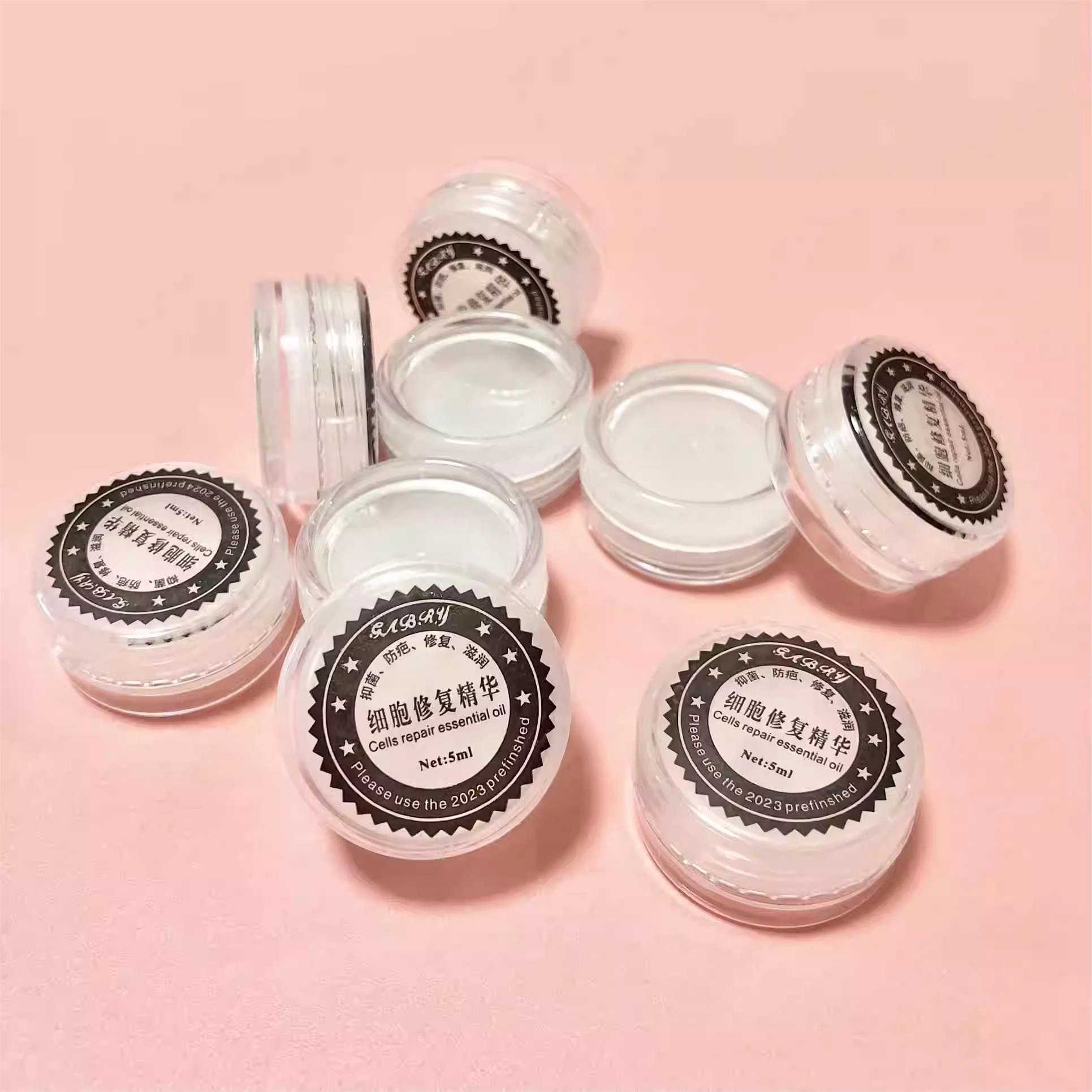
5g Cell Repair Essential Balm

Professional Pre Inked Eye Brow Mapping String 30m
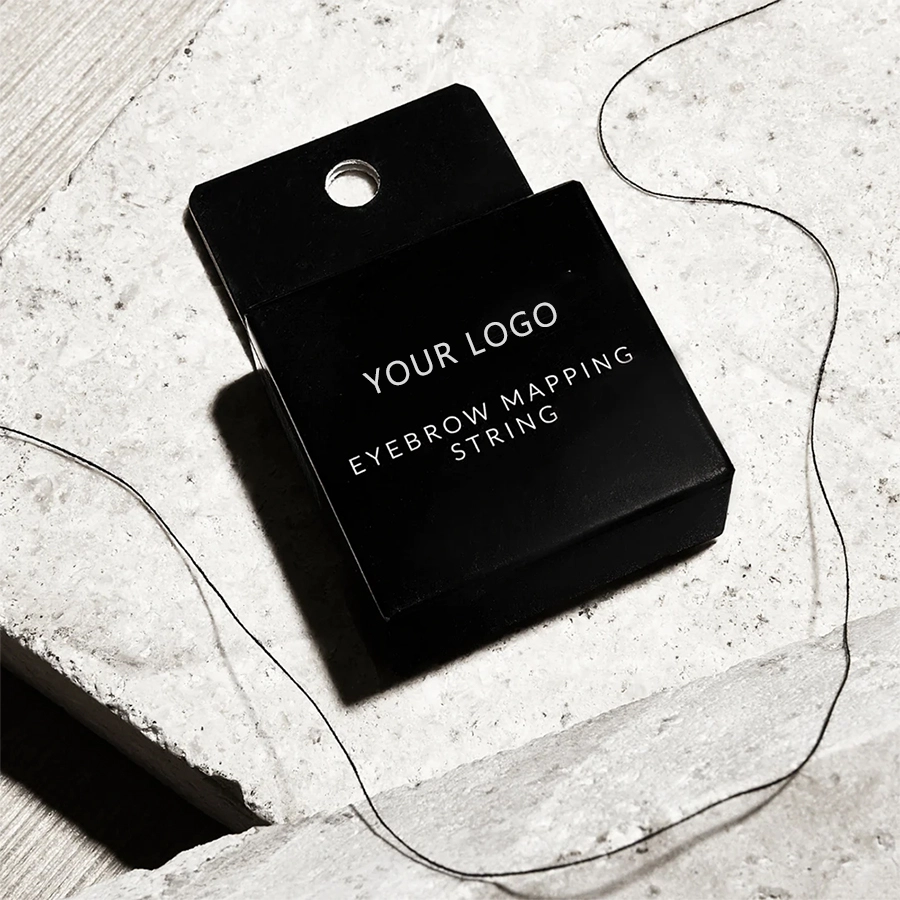
Microblading Pre-inked Mapping String Line 10m

Instagram
Facebook
YouTube