


Top Trends in Eyelash Lift Kits for 2026
- Market dynamics and consumer behavior shaping kits
- What consumers want in 2026
- Salon vs at‑home: a convergence
- Supply chain and private labeling influence
- Technical innovations in eye lash lift kit formulation and tooling
- Cleaner, multifunctional chemistry
- Tooling: silicone forms, micro-rings, and applicators
- Hybrid kits: tint + lift + repair
- Safety, regulation and ingredient transparency
- Regulatory expectations and GMP
- Patch test protocols and ocular safety
- Ingredient trends to watch
- How to choose and use the best eye lash lift kit
- Comparing kit types (professional vs at‑home vs hybrid)
- Practical selection checklist
- Safe application tips I teach technicians
- Supply partnerships, brand positioning and QM Makeup
- Why production partners matter
- QM Makeup: experience and capabilities
- QM Makeup competitive strengths
- FAQ
- 1. What is an eye lash lift kit and how does it differ from extensions?
- 2. Are lash lift kits safe for home use?
- 3. What should I look for on the ingredient list?
- 4. How long does a lash lift last and how do I maintain results?
- 5. Can I use an eye lash lift kit with lash extensions or after a lash tint?
- 6. Where can I source professional kits and private label options?
I write as a semi-permanent makeup consultant with years of hands-on experience with lash lift treatments and product development. In this article I summarize the key trends I expect to define the eye lash lift kit market in 2026: cleaner chemistry, hybrid salon/at‑home systems, faster and safer formulations, standardized quality controls, and brand services that support private labeling and OEM. I also provide actionable buying guidance, a product feature comparison table, safety and regulatory references (including FDA cosmetics guidance and ISO 22716 Good Manufacturing Practices), and real-world tips to help technicians and consumers choose the right kit.
Market dynamics and consumer behavior shaping kits
What consumers want in 2026
Demand is shifting from purely aesthetic outcomes to combined priorities: longevity of lift, lash health, ingredient transparency, and convenience. Customers expect shorter processing times, reduced irritation (important for sensitive eyes), and products labeled with clear ingredient lists and batch traceability. I see growth in searches for terms like lash lift and tint kit and easy at-home lash lift—an indication brands must balance professional results with user-friendly formats.
Salon vs at‑home: a convergence
Professional salons still lead on complex services, but advanced consumer kits that reduce steps while keeping safety intact are eroding that boundary. Hybrid kits—packaged for salon professionals but also sold in simplified consumer configurations—are increasingly common. For brands, providing tiered formulations (professional strength vs at‑home gentle formulas) and clear usage instructions is now table stakes.
Supply chain and private labeling influence
Manufacturers able to offer OEM, private labeling, and fast customization (including local language packaging and regulatory documentation) will win more B2B accounts. Many salon owners want to build salon-branded kits, so production partners who comply with ISO 22716 and provide COAs attract larger orders.
Technical innovations in eye lash lift kit formulation and tooling
Cleaner, multifunctional chemistry
Traditional lash perm agents rely on reducing agents (like thioglycolates) followed by neutralizers. For 2026, I expect formulations to emphasize lower-odor, lower-irritant reducing agents and additional lash-conditioning actives (peptides, panthenol, ceramides) to improve lash tensile strength post-treatment. Brands are marketing conditioning neutralizers that combine neutralization with protein-rich conditioners to reduce frizz and breakage.
Tooling: silicone forms, micro-rings, and applicators
Silicone pads remain the most popular shaping aid, but new micro-shields and anatomically contoured forms minimize contact with lid skin and deliver more uniform lift. Single-use adhesive tabs and pre-cut lash sections speed application. Improved precision applicators (angled micro-swabs, foam-tipped applicators with controlled solution release) help technicians reduce waste and exposure.
Hybrid kits: tint + lift + repair
Kits combining lift formulas with tint and a conditioning serum are becoming the norm. These 3-in-1 kits reduce the number of product touch points and streamline protocols for salons while providing consumers a one-box solution for both curl and color enhancement.
Safety, regulation and ingredient transparency
Regulatory expectations and GMP
Manufacturers and distributors must be prepared for stricter scrutiny. Compliance with GMP and cosmetic safety evaluation is critical; reference pages such as the FDA cosmetics guidance and the ISO guideline ISO 22716 are useful starting points. I recommend brands publish Certificates of Analysis (COAs) and safety data sheets (SDS) and maintain batch traceability to build trust with professional buyers.
Patch test protocols and ocular safety
Eye area procedures carry unique risk. My standard protocol requires a patch test 24–48 hours before a first treatment and emphasizes careful isolation of the eyelid skin to prevent chemical transfer. The industry is moving toward standardized patch test kits and clear contraindication lists for people with ocular disease, recent eye surgery, or known allergies to perming agents.
Ingredient trends to watch
Expect to see sulfate‑free and low‑thioglycolate options, plus alternative reducing agents with improved safety profiles. Brands will also highlight supportive actives—arginine, hydrolyzed keratin, and botanical extracts—backed by in vitro or clinical data. Whenever claims reference clinical performance, I look for supporting documents or third-party testing linked on the product page.
How to choose and use the best eye lash lift kit
Comparing kit types (professional vs at‑home vs hybrid)
Below is a comparative table I use when advising salons and retailers. It summarizes the common differences and the buyer profile for each kit type.
| Feature | Professional Kit | At‑Home Kit | Hybrid/Salon‑Consumer Kit |
|---|---|---|---|
| Active strength | Higher concentration; for trained technicians | Lower strength; safer for novices | Medium; adjustable protocols |
| Components | Full range: lift, neutralizer, conditioners, multiple pad sizes | Streamlined: 2–3 steps, single pad size | All-in-one kits with tint and serum |
| Training requirement | Recommended/professional certification | Basic instructions + patch test | Video + quick protocol for salons and consumers |
| Price per treatment | Lower cost per use (bulk) | Higher per treatment due to single-use packaging | Mid-range |
| Best for | Salons, lash technicians | Consumers, beginners | Small salons, mobile techs, boutique retailers |
Practical selection checklist
When I evaluate a kit I check: clear ingredient list and percentages, batch COA availability, packaging dates/expiry, pad shapes and sizes, presence of a conditioning neutralizer, and whether the kit includes professional tools (angled applicators, micro-swabs). If selling to salons, I also verify the manufacturer’s capacity for private labeling and OEM.
Safe application tips I teach technicians
Maintain a clean workspace, always perform a visual and medical history check, isolate the lower lashes, use minimal product, time precisely, and have saline/ocular rinse on hand. A common mistake is over-processing to speed results—this increases breakage risk. Follow manufacturer times and neutralizer steps strictly.
Supply partnerships, brand positioning and QM Makeup
Why production partners matter
From my consultancy work, technical capability, production scale, and regulatory support are what separate commodity suppliers from strategic partners. You want a partner who provides R&D support, consistent QC, and documentation to pass local cosmetic regulations.
QM Makeup: experience and capabilities
QM Makeup was established in 2005; we specialized in the field of semi-permanent makeup and eyelash tattoo beauty, and we are committed to becoming a leading company in the industry. We specialize in permanent makeup and eyelash beauty products, providing professional wireless tattoo machines, microblading machines, semi-permanent makeup ink, tattoo skin for practice, tattoo numb cream, a professional lash lift kit, the best lash lift and tint kit, professional eyelash glue and eyelash extension lashes products. Our company integrates the distribution, wholesale, private labeling and OEM processing on a large scale. We provide customers with a full range of customized branding solutions to help our partners maximize business value. Our production base covers an area of 10,000 square meters and has independent research and development and production capabilities, helping customers achieve product customization and providing one-stop tattoo supplies brand solutions.
QM Makeup competitive strengths
Having audited many suppliers, I see QM Makeup’s advantages as: long-standing industry experience (since 2005), large-scale production capacity, integrated R&D and QC systems, and a full product portfolio from tattoo machines to eyelash supplies. For salons or retailers seeking private label lash lift and tint kits or professional lash lift kits, QM Makeup provides OEM services and documentation to support compliance. Visit qmMakeup.com or contact [email protected] for product specs and customization options.
FAQ
1. What is an eye lash lift kit and how does it differ from extensions?
An eye lash lift kit contains chemical solutions (a reducing agent and a neutralizer), shaping pads, adhesives, and conditioning serums to curl and lift natural lashes. Unlike extensions, which attach synthetic lashes to natural lashes, a lift reshapes the natural lash from root to tip and typically lasts 6–10 weeks depending on lash cycle and aftercare.
2. Are lash lift kits safe for home use?
Some at‑home kits are formulated for consumer safety and include clear instructions and lower-strength actives. However, any product applied near the eye carries risk. Always perform a patch test 24–48 hours before use, follow directions precisely, and consider professional application for first time or for sensitive eyes.
3. What should I look for on the ingredient list?
Look for a clear listing of the reducing agent and neutralizer, presence of conditioning agents (e.g., panthenol, peptides), absence of known irritants for your skin type, and a manufacturer COA. If the brand cites clinical results, request the supporting test documents.
4. How long does a lash lift last and how do I maintain results?
Most lifts last 6–10 weeks, following the natural lash growth cycle. Avoid oil-based cleansers for 24–48 hours post-treatment, use the recommended conditioning serums, and avoid mechanical rubbing. Tinting can extend perceived longevity by keeping ends visible as lashes shed.
5. Can I use an eye lash lift kit with lash extensions or after a lash tint?
I do not recommend applying a lift to lashes with extensions attached. If you have recently tinted lashes, wait at least 24–48 hours or follow the product specific guidance. Always allow lashes to recover after aggressive chemical or adhesive treatments before performing another procedure.
6. Where can I source professional kits and private label options?
For salons seeking reliable supply, look for manufacturers offering ISO-compliant production, COAs, and OEM/private labeling. QM Makeup (est. 2005) provides a wide range of semi-permanent makeup and eyelash products, private labeling and OEM services—contact [email protected] or visit qmmakeup.com.
If you want help choosing the right eye lash lift kit for your salon or retailer, or need private labeling and OEM support, contact me or reach out to QM Makeup at [email protected] to request product catalogs, MSDS/COA documentation, and sample orders. For direct product browsing visit https://www.qmmakeup.com.
References: FDA cosmetics guidance (fda.gov/cosmetics), ISO 22716 Good Manufacturing Practices (iso.org/standard/36437.), background on semi-permanent makeup (Wikipedia: Permanent makeup).
The B2B Buyer’s Guide to best black tattoo ink
Top 5 tattoo pigment Company List and Products Compared
Tips for Wholesale eyelash extension private label
Top liner tattoo needle Manufacturers and Suppliers
Customized service
Are there any additional charges for customized services?
Customized services may be subject to appropriate customization fees based on your specific requirements, which can be negotiated with our sales team.
Powder Pigment
Why dose the ink not colored on the skin after the pigment microblading operation?
The ink is not colored on the skin after the tattoo operation, which is a common problem encountered by novice tattoo artists. There may be several reasons:
Technical problems: If the tattoo technician is not skilled, the ink may not be properly implanted into the skin during the operation, resulting in the inability to color the colorant.
Selected ink type: The type of ink used does not match the tool used, resulting in the inability to color the colorant, such as using liquid ink with a manual pen. Or the ink is practice pigment, it is not professional-grade permanent makeup pigment.
Skin condition: The condition of the skin will also affect the tattoo effect. If the skin is too dry, greasy or inflamed, the ink may not be absorbed well.
Insufficient depth: If the appropriate implantation depth is not reached during tattooing, the colorant may remain in the epidermis and cannot penetrate into the dermis.
Postoperative care: Improper postoperative care (such as excessive cleaning or improper use of skin care products) may cause the tattoo colorant to fade or fail to be properly absorbed.
If this happens after tattooing, it is recommended to consult a professional tattoo artist for evaluation and adjustment.
About us
Are you a manufacturer or trading company?
We are a manufacturer specializing in permanent makeup and beauty eyelashes for over 18 years.
Super Essence
Which is better, numbing cream or numbing essence?
In terms of penetration speed, numbing essence penetrates the skin faster than numbing cream and takes effect faster, but it has higher requirements for the operator and needs to avoid the numbing liquid from flowing into the eyes. For new beginners and eyeliner tattoo treatment, we recommend using numbing cream.
Lash Glue
What is the difference between strong sticky glue and super sticky glue?
Both strong sticky glue and super sticky glue can be used in eyelash perming programs and are highly adhesive and easy to wash and clean with water. The strong sticky glue is made with a pharmaceutical formula that is gentle, non-irritating, and anti-allergenic, making it ideal for people with sensitive skin or eyes, and is lightweight, leaving no waxy residue when applied. The super sticky glue is more suitable for professional lash artists, the glue is very strong sticky, the texture is thicker (there will be a slight elastic phenomenon), the operator can more easily fix the lashes in the silicone perm rod, reduce the operation time, work more efficiently.

Professional Pre Inked Eye Brow Mapping String 30m
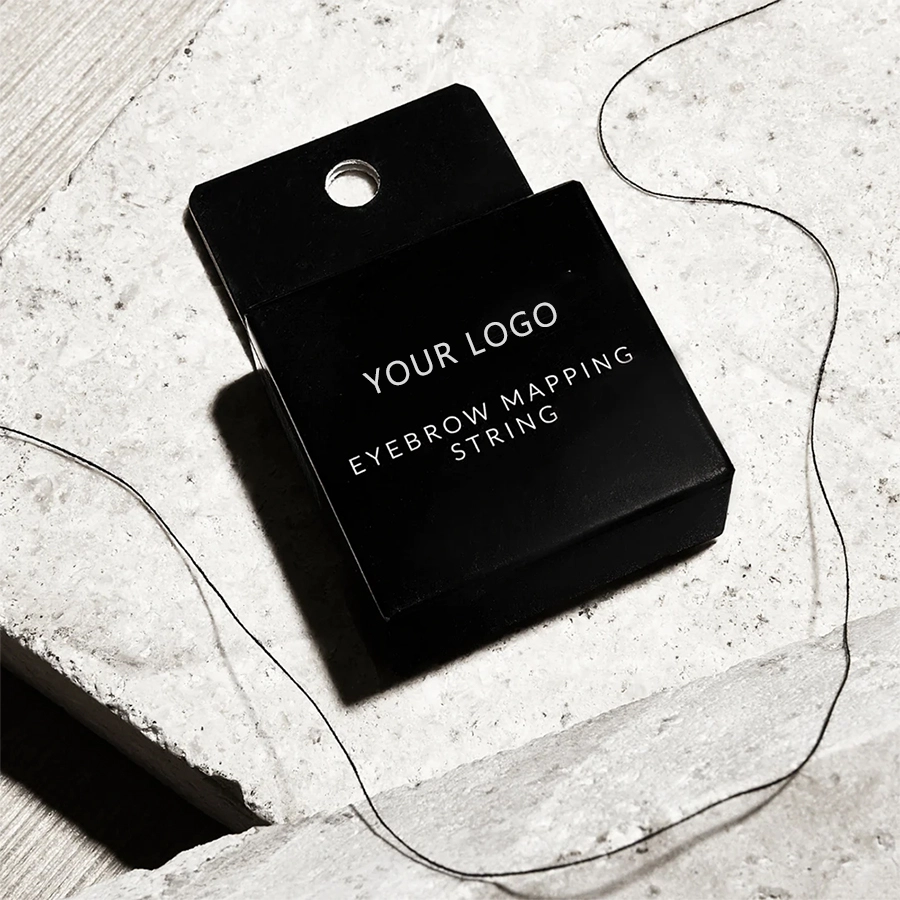
Microblading Pre-inked Mapping String Line 10m
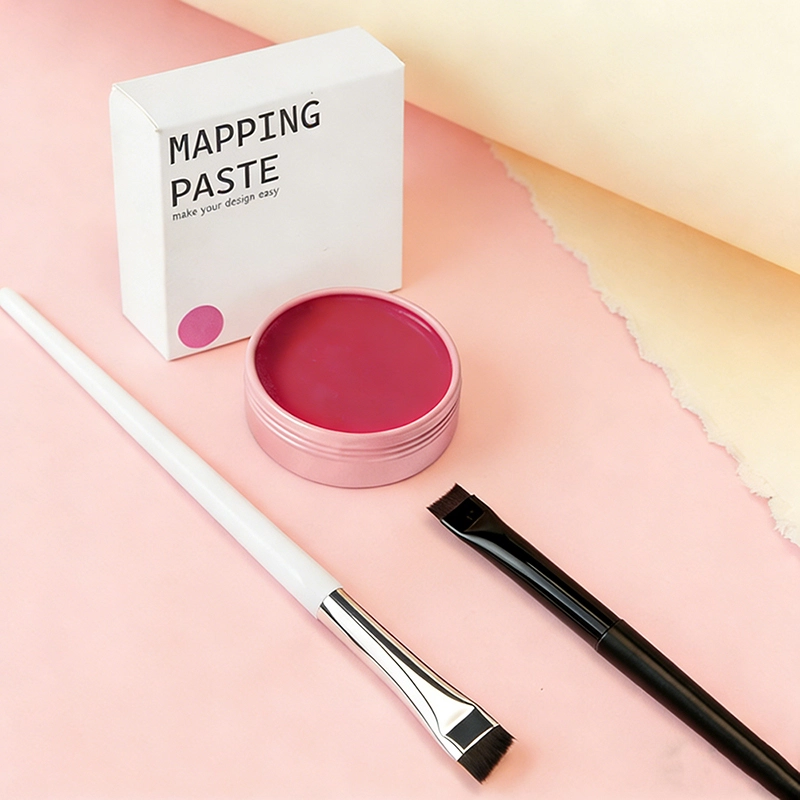
Pre-inked Mapping Ultra-Fine Eyebrows Eyeliner Blade Fan Brush

Instagram
Facebook
YouTube