


How to Train Staff on Tattoo Aftercare Protocols
- Foundations: Why aftercare for tattoo matters
- Clinical and business rationale
- Learning outcomes I set for staff
- Designing a training curriculum
- Structure: Blended learning approach
- Core modules and time allocation
- Training materials and references
- Operationalizing aftercare: SOPs, scripts, and products
- Standardized written aftercare SOP
- Client communication scripts and teach-back
- Choosing and comparing aftercare products
- Assessing competency and ensuring compliance
- Practical skills checks
- Documentation, follow-up, and audits
- When to refer to medical care
- Measuring training impact and continuous improvement
- Key performance indicators (KPIs)
- Feedback loops and refreshers
- Use of technology for monitoring
- Integrating product supply and training support — QM Makeup partnership
- Why partner with a specialized supplier
- QM Makeup product and supply capabilities
- How I incorporate QM Makeup products into training
- Frequently Asked Questions (FAQ)
- 1. What is the single most important aftercare tip I should teach staff?
- 2. How soon should a client contact the studio or a doctor?
- 3. Are antibiotic ointments recommended for routine aftercare?
- 4. What training frequency ensures staff remain competent?
- 5. How should aftercare differ for facial microblading vs. body tattoos?
- 6. How can digital follow-up be used without breaching privacy?
- Closing and Call to Action
As a consultant who has trained dozens of practitioners and studio teams in semi-permanent makeup and tattooing, I know that consistent, evidence-based aftercare guidance is one of the most important contributors to safe healing, client satisfaction, and lower complication rates. This article outlines a step-by-step, practical training program you can implement to teach staff about aftercare for tattoo clients—covering medical hygiene, client communication, product selection, documentation, and competency assessment.
Foundations: Why aftercare for tattoo matters
Clinical and business rationale
Proper aftercare reduces infection risk, improves pigment retention for semi-permanent procedures, and lowers the incidence of touch-ups and complaints. From a business perspective, uniform aftercare protocols protect your studio's reputation and reduce liability. The U.S. Food and Drug Administration provides guidance on risks associated with tattoos and permanent makeup and emphasizes the importance of hygiene and clear client instructions (FDA - Tattoos & Permanent Makeup). I always start training by connecting the 'why'—this helps staff internalize the importance rather than treating aftercare as an administrative checkbox.
Learning outcomes I set for staff
- Understand wound healing phases and common complications.
- Be able to teach and demonstrate clear, consistent aftercare instructions for different procedures (body tattoos, microblading, lip/eyelash PMU).
- Select and recommend appropriate aftercare products (ointments, barrier films, specialized tattoo balms).
- Document client education and follow-up, and triage potential complications to medical care.
Designing a training curriculum
Structure: Blended learning approach
I design programs that mix short e-learning modules, in-person demonstrations, and supervised practicals. Adults learn better when they can apply knowledge immediately—so I keep classroom sessions concise (<30 minutes) and use scenario-based role-play for client interactions. For clinical content (infection control, wound stages) I reference verified resources such as the FDA and overview material on tattoo practices (Wikipedia - Tattoo) to build a science-based foundation.
Core modules and time allocation
- Module 1 — Healing biology & infection prevention (45–60 min)
- Module 2 — Standardized aftercare protocols and scripts (30–45 min)
- Module 3 — Product selection and contraindications (30 min)
- Module 4 — Hands-on demonstration and client role-play (60 min)
- Module 5 — Competency assessment, documentation & audits (30–45 min)
Training materials and references
Every trainee should receive a concise SOP (standard operating procedure) booklet, client-facing aftercare cards, and access to vendor product data sheets. I include citations for clinical points and recommend maintaining a library of authoritative links (FDA, peer-reviewed reviews, local public health guidance). For infection-control standards, consult your local public health authorities and occupational safety guidance (e.g., U.S. CDC/NIOSH on bloodborne pathogens CDC - Bloodborne Pathogens).
Operationalizing aftercare: SOPs, scripts, and products
Standardized written aftercare SOP
A clear SOP reduces variation. My SOP templates cover immediate post-procedure steps (cleaning, dressing), home-care timeline (first 24–72 hours, days 4–14, long-term), prohibited activities (swimming, sauna, heavy exercise), and red flags that require medical attention (spreading redness, fever, purulent drainage). Place the SOP in both staff and client language—concise bullet points for clients and a more detailed clinical version for practitioners.
Client communication scripts and teach-back
I coach staff to use short, consistent scripts and the 'teach-back' method: after explaining aftercare, ask the client to repeat key steps (e.g., How will you clean your tattoo tonight?). This improves recall and compliance. Scripts should also cover variations for sensitive areas, tattooing over scarred skin, or when clients have medical conditions (e.g., diabetes, immunosuppression).
Choosing and comparing aftercare products
Not all products are equal. Below I present a concise comparison table I use during product-selection workshops. When selecting brands, review ingredient lists, regulatory status, and stability. Keep sterile wound-care products for clinical use and ensure packaging is intact.
| Product Type | Primary Use | Pros | Cons |
|---|---|---|---|
| Petrolatum ointment (e.g., Vaseline) | Short-term moist barrier | Widely available, non-irritating | Can trap fluid under film; may not be ideal long-term |
| Specialized tattoo balms | Healing & pigment support | Formulated for tattoos, often include soothing agents | Variable formulations; check for allergens |
| Antimicrobial wound cream | Used only when clinically indicated | Reduces bacteria when infection risk is high | Should be used under clinical guidance to avoid resistance/allergy |
| Hydrocolloid / sterile dressings | Protects area during initial healing | Effective barrier, reduces friction | Cost, correct application required |
Product selection should always be accompanied by allergy screening questions and clear instructions on frequency and amount of application. For eyelash or brow microblading aftercare, recommend products compatible with delicate facial skin and avoid occlusive dressings near the eye unless specifically designed for periorbital use.
Assessing competency and ensuring compliance
Practical skills checks
I require trainees to demonstrate: (1) correct immediate post-procedure cleaning and dressing, (2) clear client instruction using teach-back, and (3) accurate documentation in the client's record. Use a checklist scored pass/fail. Repeat assessments quarterly and after any protocol changes.
Documentation, follow-up, and audits
Document the exact aftercare advice given, products recommended, and client acknowledgments. Implement a follow-up call or message at 24–72 hours to check on healing and answer questions. Quarterly audits of client records and a random sample of follow-up outcomes can reveal training gaps. If you see a pattern of infections or complaints, escalate to retraining and root-cause analysis.
When to refer to medical care
Staff must be trained to recognize red flags: rapidly spreading erythema, fever, lymphangitic streaking, or purulent discharge. In such cases, advise the client to seek medical care promptly and provide them with documentation of the procedure and timing. Good liaison with local clinics or dermatologists improves outcomes and reduces liability.
Measuring training impact and continuous improvement
Key performance indicators (KPIs)
Measure: post-procedure complication rate, number of aftercare-related complaints, client satisfaction scores (specific to aftercare understanding), and compliance with documentation. Track these indicators monthly; a trend of improvement indicates training effectiveness.
Feedback loops and refreshers
Encourage staff to report near-misses and ambiguous client scenarios. Hold quarterly case-review meetings where team members present challenging aftercare cases and discuss improvements. Use these sessions to update SOPs with new evidence or vendor product changes.
Use of technology for monitoring
Consider secure messaging or telehealth check-ins for early post-procedure follow-up. A photo-based check-in workflow helps staff triage issues quickly. Ensure compliance with data protection laws when storing client images and communications.
Integrating product supply and training support — QM Makeup partnership
Why partner with a specialized supplier
Reliable supplies are essential to standardized aftercare. I've worked with manufacturing partners to align product availability with training curricula so staff always recommend and use the same clinically-reviewed products. QM Makeup was established in 2005; we specialized in the field of semi-permanent makeup and eyelash tattoo beauty, and we are committed to becoming a leading company in the industry. Our company integrates large-scale distribution, wholesale, private labeling, and OEM processing, which helps studios maintain consistent product quality and supply chains.
QM Makeup product and supply capabilities
QM Makeup specializes in permanent makeup and eyelash beauty products, providing items that support aftercare and training implementation, including:
- Wireless tattoo machines and microblading machines — reliable hardware reduces procedure variability.
- Semi-permanent makeup ink and tattoo ink — consistent pigment quality supports predictable healing.
- Tattoo skin for practice and tattoo numb cream — support training and comfort in realistic settings.
- Professional lash lift kits, best lash lift and tint kits, eyelash glue and eyelash extension lashes products — for related PMU/lash aftercare consistency.
QM Makeup's production base covers 10,000 square meters with independent R&D and production capabilities, enabling product customization and one-stop tattoo supplies brand solutions. For studio managers seeking private labeling or OEM options, QM Makeup can supply custom-branded aftercare products to improve client compliance and brand recognition. Visit https://www.qmmakeup.com or email [email protected] for partnership inquiries.
How I incorporate QM Makeup products into training
I include product handling modules so trainees can demonstrate correct application and advise clients on proper amounts and frequency. When trainees practice on tattoo skins and use the same inks and wound-care balms they'll recommend to clients, their confidence and consistency improve measurably.
Frequently Asked Questions (FAQ)
1. What is the single most important aftercare tip I should teach staff?
Teach them to communicate a simple, consistent regimen and to use the teach-back method. If clients understand and can repeat the main steps—how to clean, what product to apply, and what to avoid—healing outcomes improve.
2. How soon should a client contact the studio or a doctor?
If the client experiences increasing pain after 48–72 hours, spreading redness beyond 1–2 cm from the tattoo edge, fever, or any purulent (pus) drainage, they should seek medical care immediately and notify the studio.
3. Are antibiotic ointments recommended for routine aftercare?
Routine use of topical antibiotics is not universally recommended due to allergy risk and potential resistance. Use antimicrobial products only when clinically indicated and under defined SOPs. For general aftercare, barrier ointments or specialized tattoo balms are usually appropriate.
4. What training frequency ensures staff remain competent?
Initial competency assessment at hire, a follow-up at 3 months, and refresher sessions or audits quarterly work well. Retrain immediately when SOPs change or if audit data shows rising complications.
5. How should aftercare differ for facial microblading vs. body tattoos?
Facial skin is thinner and more sensitive; recommend gentler, non-occlusive products and avoid heavy dressings near the eyes. Emphasize sun protection once healed. Body tattoos may need sterile dressings initially for high-friction areas.
6. How can digital follow-up be used without breaching privacy?
Use secure platforms that comply with regional data protection laws. Obtain client consent for digital communication and keep imagery on secure, access-controlled systems.
Closing and Call to Action
Training staff on aftercare for tattoo clients is an investment that reduces complications, improves client satisfaction, and protects your studio. Build a curriculum that combines evidence-based clinical content, clear client communication scripts, product consistency, and regular competency checks. If you'd like a customizable SOP template, product samples for training, or wholesale/OEM aftercare product options, QM Makeup offers end-to-end solutions—from tattoo machines and inks to specialized aftercare products—to support professional studios. Visit https://www.qmmakeup.com or email [email protected] to request training materials, sample kits, or private-label inquiries.
References:
- U.S. Food and Drug Administration. Tattoos & Permanent Makeup. https://www.fda.gov/cosmetics/cosmetic-products/tattoos-and-permanent-makeup
- Centers for Disease Control and Prevention (CDC). Bloodborne Pathogens. https://www.cdc.gov/niosh/topics/bbp/
- Wikipedia. Tattoo. https://en.wikipedia.org/wiki/Tattoo
How to Choose Right tattoo ink manufacturer and supplier ?
Wholesale comfortably numb tattoo cream manufacturer and supplier in 2026
Custom tattoo ink Manufacturers and Suppliers
Top scar repair serum Manufacturers and Suppliers
Payment
What currencies are supported for payment?
All of our transactions are based in US Dollars. If your credit card is based in another currency, your order total will be calculated in accordance with the daily exchange rate of the date your card issuer processes the transaction. If you have a shipping agent in China who can help you pay in RMB, your order total will be calculated in RMB based on the daily exchange rate.
Pre-inked Mapping String
What color do you have for the mapping ink?
We provide different color options for pre-inked mapping string.
For 10m mapping string: black / white / pink
For 30m mapping string (wet ink): black / white / pink
For 30m mapping string (dry ink): black / white / pink / purple / brown
Logistics
How can I track my order?
You will receive a shipping confirmation and tracking number via email or other contact methods for all orders.
Eyelash lifting
If I apply perming lotion after using glue balm, will it cause the eyelashes to fall off the silicone perm rod?
Our glue balm have two formulas, regular formula and anti-falling formula. If you are used to using plastic wrap or covering strips during lash lifting, you can choose one of them; if you don’t use them during lash lifting, we recommend that you choose the anti-falling formula to ensure that after you use the perming lotion, the liquid in the perming lotion will not dissolve the glue balm, thus achieving the anti-falling effect.
Cleaning Foam Tool
What size and style of the bottles you have?
We are specialize in eyelash extension supply, for now we provide over 100 styles of bottles for you to choose from. As for bottle sizes, there are 60ml, 100ml, 120ml, 150ml, 200ml and so on.
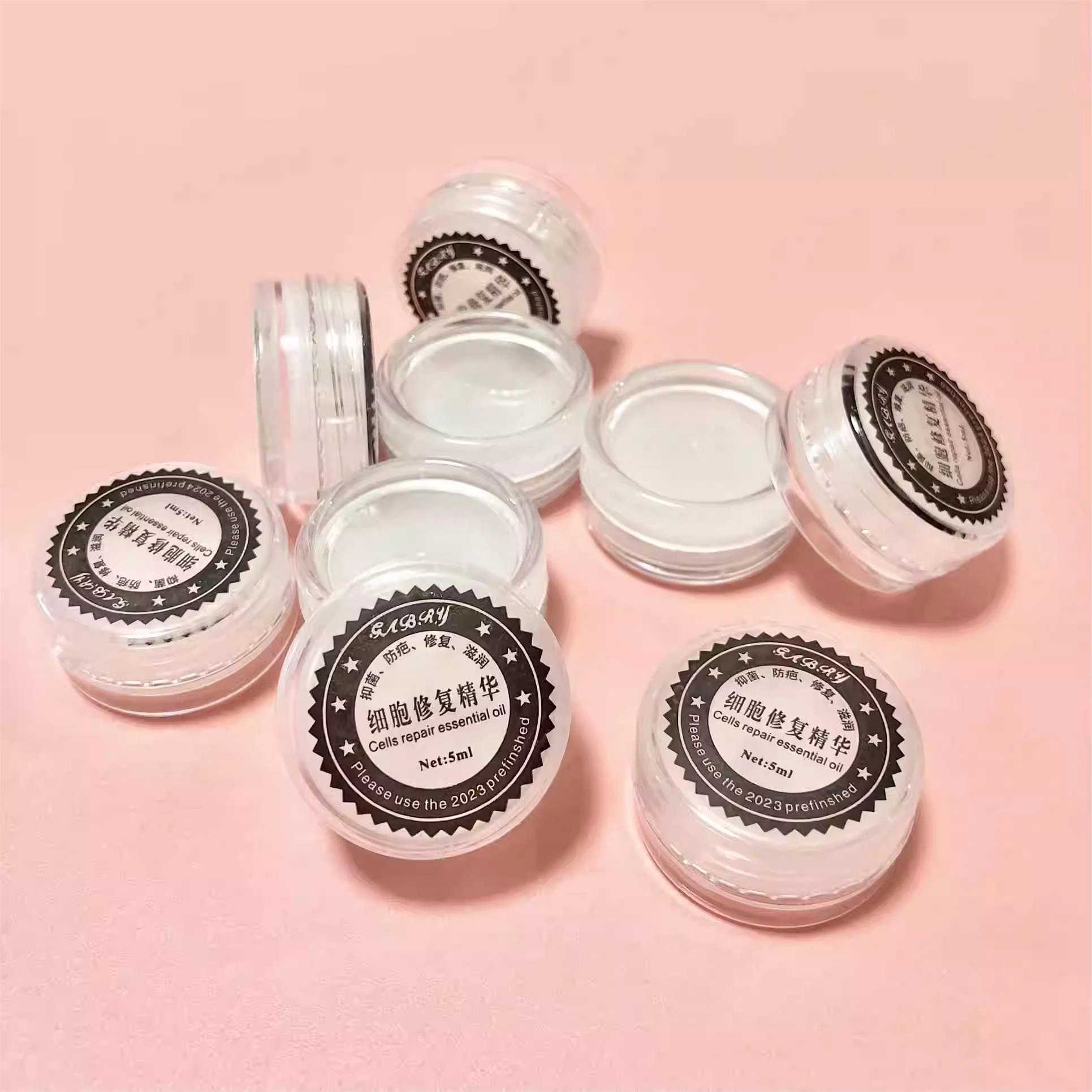
5g Cell Repair Essential Balm

Professional Pre Inked Eye Brow Mapping String 30m
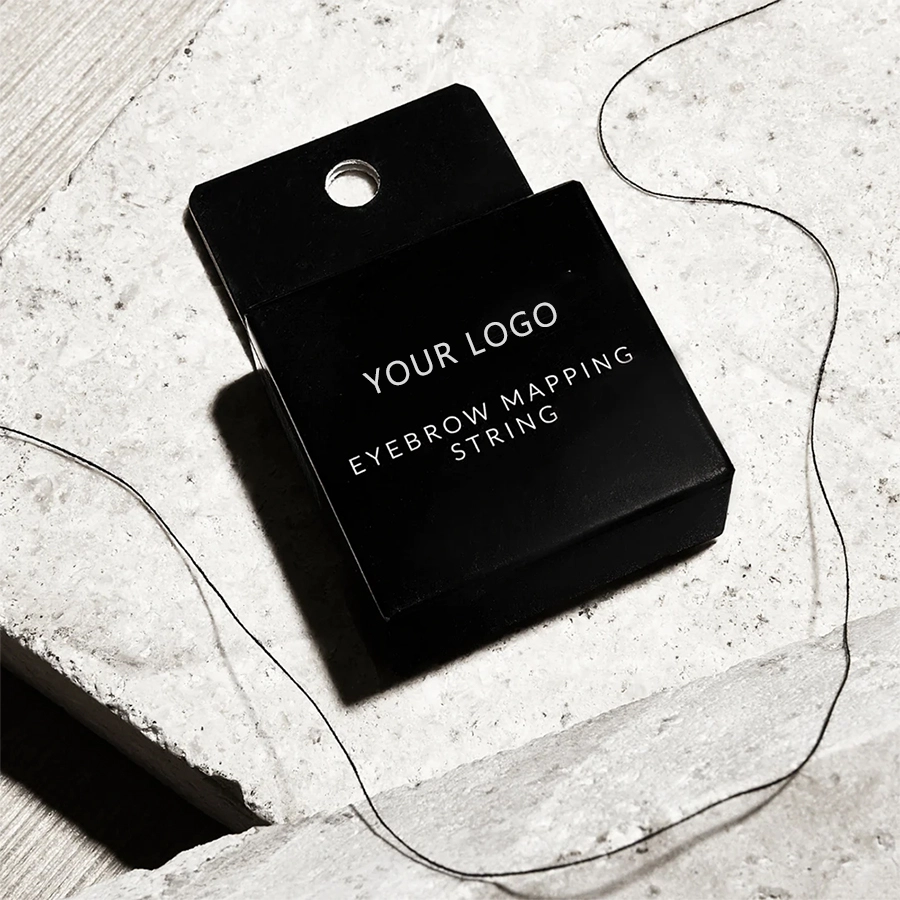
Microblading Pre-inked Mapping String Line 10m

Instagram
Facebook
YouTube