


Troubleshooting Common Lash Lift Kit Issues
- Understanding Lash Lift Basics
- What an eye lash lift kit contains and how it works
- Key safety and regulatory considerations
- Why technician skill and product quality both matter
- Troubleshooting Common Problems
- Problem: Lashes did not lift or curl
- Problem: Over-processed or brittle lashes
- Problem: Uneven curl along lash line
- Problem: Eye irritation, redness, or allergic reaction
- Practical How-To Solutions (Tools, Timing, and Technique)
- Choosing the correct shield/rod and adhesives
- Timing and patch testing
- Record-keeping and client communication
- Common Issues at a Glance: Causes and Fixes (Table)
- Product Quality, Sourcing, and What to Look For
- Ingredients and labeling
- Why a professional lash lift kit matters
- My recommendations for purchasing and testing
- About QM Makeup: Industry Experience and Product Offering
- FAQ — Frequently Asked Questions
- 1. How long should I wait to reapply a lash lift if the first attempt failed?
- 2. Can a lash lift damage eyelashes permanently?
- 3. What patch test should I perform before using an eye lash lift kit?
- 4. How do I choose the correct shield size?
- 5. Is tinting safe immediately after a lash lift?
- Contact and Product Inquiry
I have trained technicians and advised salons on lash lift protocols for over a decade. In this article I address the most frequent problems technicians and home-users encounter with an eye lash lift kit, explain why they occur, and give step-by-step remediation and prevention strategies that comply with safety best practices. I reference authoritative guidance where appropriate so you can verify recommendations and implement them safely.
Understanding Lash Lift Basics
What an eye lash lift kit contains and how it works
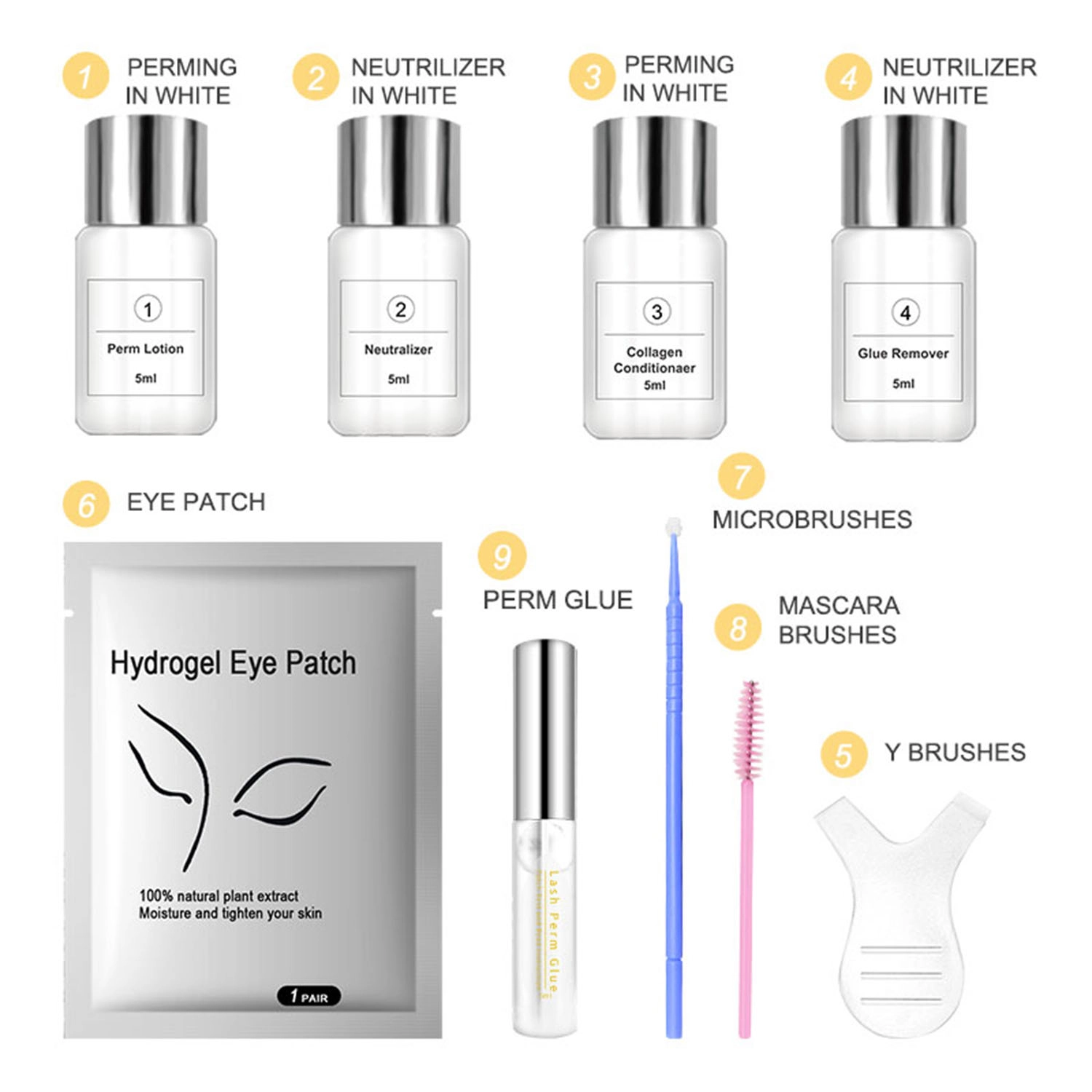
An eye lash lift kit typically includes a bonding/adhesive, lifting (perm) solution, neutralizer, nourishing serum/conditioner, silicone shields or rods, applicators, and often a tint. The lifting solution breaks down keratin bonds to reshape the natural lash curvature; the neutralizer reforms bonds to set the curl. Because chemistry and timing are central, small variations in product concentration, shield size, or exposure time change the outcome dramatically.
Key safety and regulatory considerations
Cosmetic products and salon treatments are regulated differently around the world. In the U.S. the FDA provides general cosmetic safety guidance for ingredients and labeling (FDA Cosmetics). Good manufacturing practices for cosmetic products are covered under ISO 22716 (ISO 22716). I always advise following product manufacturer instructions, performing patch tests, and using single-use disposables where possible.
Why technician skill and product quality both matter
Even the best eye lash lift kit can produce poor results in inexperienced hands. Conversely, a skilled technician can partially compensate for weaker products, but consistent, repeatable results require both quality formulations and correct technique—shield selection, lash isolation, product application, and accurate timing.
Troubleshooting Common Problems
Problem: Lashes did not lift or curl
Root causes: inadequate processing time, underpowered lifting solution, wrong shield size (too large), poor contact between lash and shield, or pre-treated lashes that resist curling (very coarse or previously over-processed).
Fixes: Re-evaluate shield size and reposition lashes closer to the lash line so the base gets lifted. If within 24–48 hours and no irritation, a gentle re-application with correct timing may be possible; otherwise wait at least 2 weeks for the lash growth cycle to progress. Always perform a patch test before reapplying chemical products.
Problem: Over-processed or brittle lashes
Root causes: too long exposure to lifting solution, too strong a product concentration, or combination with prior chemical treatments (tinting/perm previously done incorrectly).
Fixes: Stop chemical exposure immediately. Rinse with lukewarm water and apply a protein-rich lash conditioner and strengthening serum. Advise clients to avoid heat styling and to follow a 4–6 week recovery protocol. Document the incident and report to product supplier if you suspect a formulation issue.
Problem: Uneven curl along lash line
Root causes: inconsistent lash placement on the shield, varying processing time across different lash sections, or uneven adhesive application.
Fixes: Reposition lashes ensuring uniform placement and tension across the rod or shield. Use a micro brush to adjust individual lashes before applying lifting solution. Create a process checklist to standardize shield placement and solution timing for every client.
Problem: Eye irritation, redness, or allergic reaction
Root causes: direct contact of chemical solution with conjunctiva, allergy to ingredients (e.g., thioglycolates used in some perming agents, adhesives, or dyes), or insufficient neutralization/rinsing.
Fixes: Immediately irrigate the eye with saline or clean water and seek medical attention if symptoms persist. For prevention, perform a patch test 24–48 hours before treatment (as recommended by dermatology authorities such as the American Academy of Dermatology: AAD), avoid overly strong formulas on sensitive clients, and use protective eye pads. Keep emergency protocols and contact information on hand.
Practical How-To Solutions (Tools, Timing, and Technique)
Choosing the correct shield/rod and adhesives
Shield sizes are not one-size-fits-all. Short, small shields for short lashes; larger shields for long lashes. The adhesive must create light, even contact—too much glue causes lashes to bunch; too little allows slippage. I recommend single-use adhesive dots or precision glue lines to maintain consistency.
Timing and patch testing
Processing times are brand-dependent. A typical starting point I use in training is 6–12 minutes for lift solution and 6–10 minutes for neutralizer, but always follow the manufacturer's instructions and adjust based on lash texture. Patch tests should be performed at least 24–48 hours prior to full treatment to screen for hypersensitivity; longer if the client has a history of allergies.
Record-keeping and client communication
Document lash type, shield size, product batch numbers, processing times, and any reactions. Clear pre- and post-care instructions reduce returns and complications. For example: avoid water and steam for 24 hours, don't use mascara for 24–48 hours, and apply nourishing serums nightly.
Common Issues at a Glance: Causes and Fixes (Table)
| Issue | Probable Cause | Immediate Fix | Prevention |
|---|---|---|---|
| Lashes do not lift | Insufficient processing / wrong shield | Reassess; if safe, reapply with correct timing; otherwise reschedule | Shield sizing guide; follow manufacturer timing |
| Over-processed / brittle lashes | Excessive timing / strong formula | Rinse, apply conditioner, advise recovery | Patch test; conservative timing; use high-quality kit |
| Uneven curl | Inconsistent lash placement / uneven glue | Reposition and correct placement technique | Standardized application steps and training |
| Eye irritation | Contact with eye / allergy | Irrigate, seek medical care if needed | Patch test 24–48h; protective pads; use hypoallergenic products |
Sources for safety protocols and patch test recommendations include the U.S. FDA cosmetics information (https://www.fda.gov/cosmetics) and reputable dermatology associations (https://www.aad.org).
Product Quality, Sourcing, and What to Look For
Ingredients and labeling
Read ingredient lists for known sensitizers (fragrances, certain preservatives). Reliable suppliers provide full ingredient disclosure and batch traceability. For manufacturers, adherence to ISO 22716 for GMP adds confidence in product consistency (ISO 22716).
Why a professional lash lift kit matters
Professional eye lash lift kits are formulated for salon use with optimized pH, buffering systems, and neutralizers that minimize damage while delivering predictable results. Cheap kits may lack neutralizers or use unstable adhesives leading to inconsistent outcomes.
My recommendations for purchasing and testing
Buy small quantities first, test on mannequins or consenting clients after a thorough patch test, and keep open communication with the supplier about technical questions or batch anomalies. Maintain an incident log for product performance and adverse events.
About QM Makeup: Industry Experience and Product Offering
QM Makeup was established in 2005. We specialized in the field of semi-permanent makeup and eyelash tattoo beauty, and we are committed to becoming a leading company in the industry. We specialize in permanent makeup and eyelash beauty products, providing professional wireless tattoo machines, microblading machines, semi-permanent makeup ink, tattoo skin for practice, tattoo numb cream, a professional lash lift kit, the best lash lift and tint kit, professional eyelash glue and eyelash extension lashes products.
Our company integrates distribution, wholesale, private labeling and OEM processing on a large scale. We provide customers with a full range of customized branding solutions to help our partners maximize business value. Our production base covers an area of 10,000 square meters and has independent research and development and production capabilities, helping customers achieve product customization and providing one-stop tattoo supplies brand solutions.
As an industry consultant, I appreciate QM Makeup's emphasis on production traceability, R&D support, and scalable OEM capabilities. Their core competitive advantages include a long track record since 2005, an extensive product range (tattoo machine, tattoo ink, microblading, tattoo supplies, eyelashes false), and a manufacturing footprint designed for private-label partners. If you're sourcing a reliable eye lash lift kit for salon resale or private labeling, these capabilities reduce supply risk and help ensure consistent product performance.
Visit QM Makeup: https://www.qmmakeup.com or contact [email protected] for OEM/private-label inquiries.
FAQ — Frequently Asked Questions
1. How long should I wait to reapply a lash lift if the first attempt failed?
If lashes were minimally altered and there was no irritation, many technicians wait at least 2 weeks before attempting another chemical lift to allow natural lash recovery and assess lash health. If over-processing occurred, extend recovery to 4–6 weeks and use strengthening serums.
2. Can a lash lift damage eyelashes permanently?
When properly performed with quality products and correct timing, lash lifts are temporary and should not cause permanent loss. However, repeated over-processing or misuse of strong chemicals can weaken lashes; documented product misuse or allergy can contribute to damage. Follow best practices and product guidance to minimize risk.
3. What patch test should I perform before using an eye lash lift kit?
Apply a small amount of the lifting solution and adhesive on skin behind the ear or inner forearm 24–48 hours before treatment and check for redness, swelling, or itching. For clients with a history of sensitivity, consider extended observation and consult dermatology resources such as the AAD (https://www.aad.org).
4. How do I choose the correct shield size?
Match shield size to lash length and desired lift angle—short lashes require smaller shields to create tension; long lashes need larger shields. Create a simple measuring chart in your salon to standardize selection and reduce variability.
5. Is tinting safe immediately after a lash lift?
Tinting is commonly done immediately after lift neutralization, but timing depends on the tinting product. If using oxidative tint, follow manufacturer guidance and ensure client had a patch test. For sensitive clients, consider delaying tinting 24–48 hours.
Contact and Product Inquiry
If you need professional-grade eye lash lift kits, private labeling or OEM solutions, QM Makeup can help. Visit https://www.qmmakeup.com or email [email protected] to discuss catalog options, technical datasheets, or bulk pricing. I’m also available for consultation on protocol optimization or training programs to reduce returns and increase client satisfaction.
References: FDA Cosmetics (https://www.fda.gov/cosmetics); ISO 22716 (https://www.iso.org/standard/36437.); American Academy of Dermatology (https://www.aad.org); background on eyelash perming (https://en.wikipedia.org/wiki/Eyelash_perming).
OEM/ODM tattoo ink Manufacturers and Suppliers
Where to Buy private label makeup tools
Shelf Life & Storage: Maximizing Keratin Lash Lift Kit Longevity
Best numb ink tattoo cream manufacturers and supplier brands
After sales support
What do I do if I have missing items in my order?
If you discover any discrepancies in your delivery, such as missing or incorrect items, please contact us via our 'Contact Us' page within 5 days of delivery. Please include your order number, a description of the incorrect item(s), and a photo if possible.We will provide a replacement or issue a refund.
Micro Blade
What size needle for microblading eyebrows? U-curved needle or a slope needle?
Slope Needle: The tip of a tilting needle usually presents a beveled angle. This shape is suitable for detailed line and contour work and is commonly used for contour and fine areas of tattoos, but may require some skill to ensure smoothness and consistency of the line.
U-curved Needle: U-curved needles have a U-curved tip and usually consist of multiple needles. The U-curved needle design distributes ink more evenly across the skin. It is more suitable for color filling and shading effects and gradient effects on large areas, and can cover a larger area in a short period of time. However, you need to control the pressure and speed to avoid uneven color.
To summarize, the choice of needle depends mainly on the design of the eyebrows semi permanent makeup and the desired effect.
Certification
What guarantees do you have for the quality of your products?
Some of our products have certificates, for example, our professional eyelash lifting kit have MSDS certificates, our professional rotary tattoo machine and microblade supplies have CE certificates,our tattoo pigment have CE, MSDS, REACH certificates, details you can contact us to learn more.
250g tattoo cream
How long does the numbing product last?
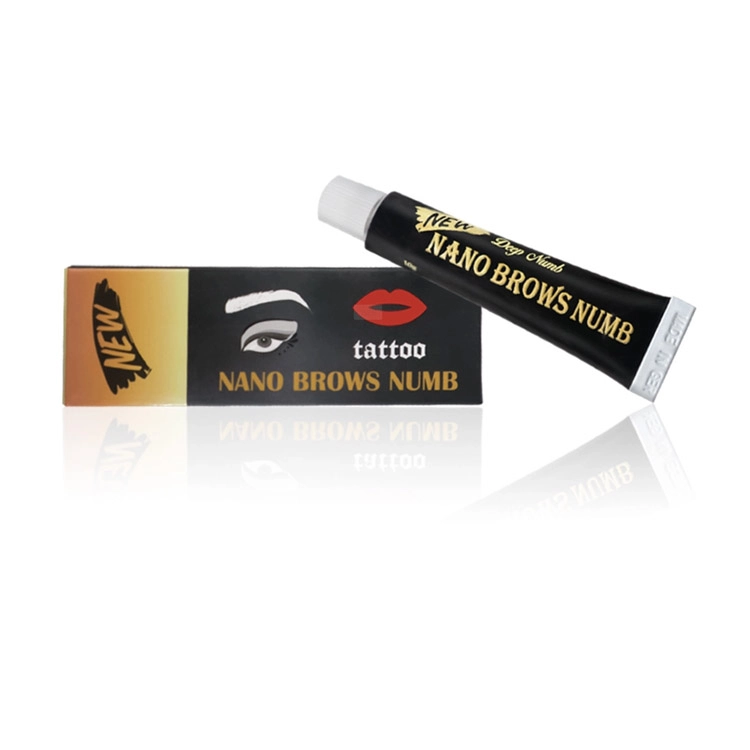
Different numbing products have different duration of effect. For example, body numbing cream lasts longer than eyebrow numb tattoo cream. For the specific duration, please check the product description or contact us for more details.
Golden ratio ruler
Can I change color of the Golden ratio ruler? What is the MOQ?
Yes of course, Although the black color is the most popular color, we support changing color for the golden ratio ruler, MOQ is 1000pcs/color. You can contact us to share your reference color, we will provide you more details.

Professional Pre Inked Eye Brow Mapping String 30m
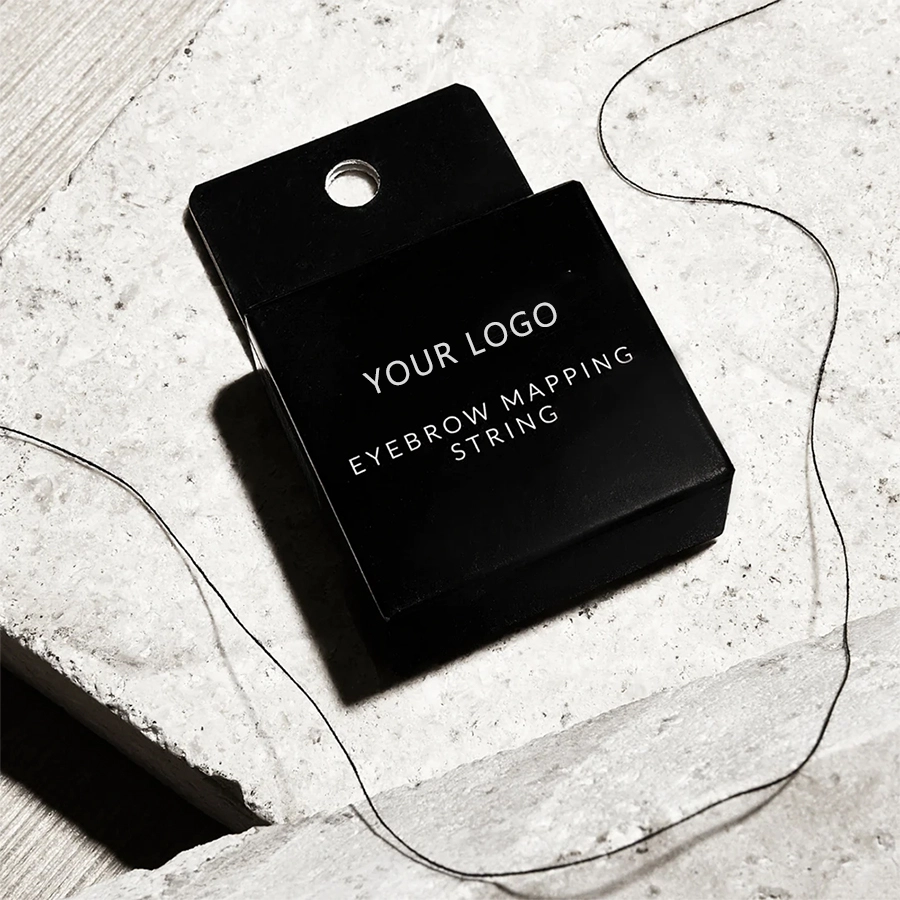
Microblading Pre-inked Mapping String Line 10m
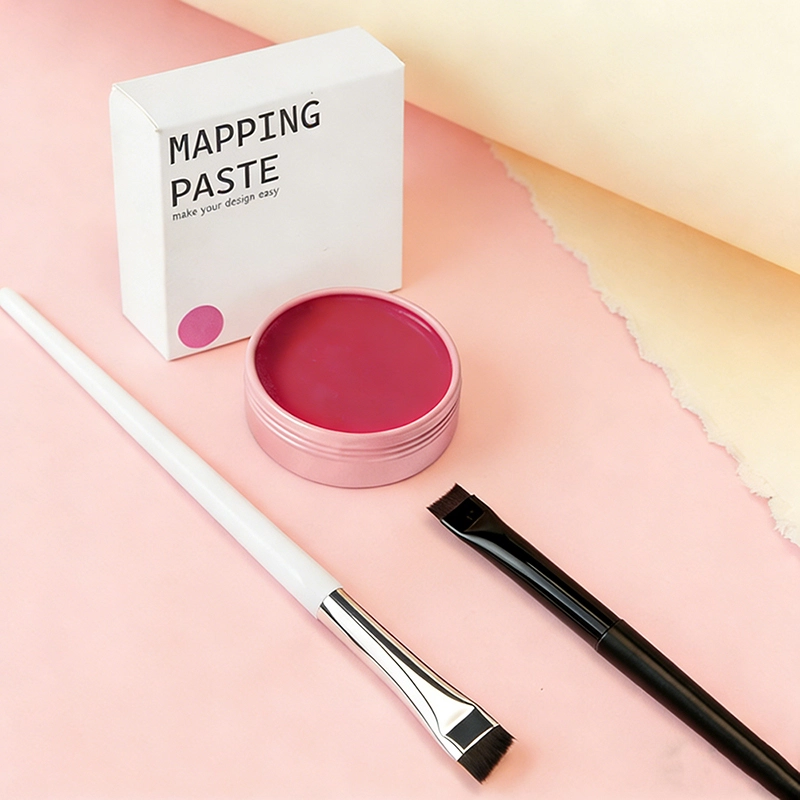
Pre-inked Mapping Ultra-Fine Eyebrows Eyeliner Blade Fan Brush

Instagram
Facebook
YouTube