


Wholesale Aftercare Solutions for Semi-Permanent Makeup
- Understanding healing and client needs
- The biology behind aftercare
- What clients really worry about
- Common complications and prevention
- Formulation, packaging and regulatory considerations
- Key ingredients and why they matter
- Packaging and dosage for salon workflows
- Regulatory & labeling must-haves
- Practical salon protocols and wholesale logistics
- Step-by-step aftercare protocol I endorse
- Training, client education and documentation
- Supply chain, shelf-life and inventory tips
- Product comparisons, evidence and QM Makeup partnership
- Comparing aftercare product types
- Choosing the right aftercare for different procedures
- Why QM Makeup is a strategic wholesale partner
- Implementation checklist and metrics to track
- Salon roll-out checklist
- KPIs and clinical outcomes to measure
- Evidence-based risk messaging
- FAQs
- 1. How long should clients follow aftercare for tattoo instructions?
- 2. Can I use regular petroleum jelly for aftercare?
- 3. How do aftercare products affect pigment retention?
- 4. What should I include in a wholesale aftercare kit?
- 5. Are aftercare products regulated?
- 6. When should a client contact the salon about a problem?
- Conclusion and contact
In my work advising clinics, distributors and brands in semi-permanent makeup, I repeatedly see the same truth: great technique is only half the result. Consistent, evidence-based aftercare for tattoo clients is what protects pigment retention, prevents infection and builds trust—especially when offered as a reliable wholesale solution for salons and academies. This article summarizes clinical rationale, product design, supply logistics and practical protocols you can implement immediately to improve outcomes and scale your business.
Understanding healing and client needs
The biology behind aftercare
Semi-permanent makeup (SPMU) is a controlled skin injury: pigment is deposited into the dermal or upper dermal layer and healing begins immediately. The key phases—hemostasis, inflammation, proliferation, and remodeling—determine pigment fate and aesthetic outcome. Promoting a clean, moist but non-infected environment preserves pigment and reduces scab formation that can pull pigment out during healing. For general wound-healing science see authoritative summaries such as the Wikipedia overview on wound healing ('Wound healing', which cites foundational research) https://en.wikipedia.org/wiki/Wound_healing.
What clients really worry about
Clients’ top concerns after a procedure are: infection, pain, scabbing, uneven pigment, and how soon they can return to work or social activities. Clear aftercare instructions coupled with reliable products (e.g., barrier film, gentle healing balm, post-care sheets) reduce anxiety and unwanted calls to the salon. I always design aftercare kits assuming clients have little knowledge of wound care—simple steps and labeled single-use items increase compliance.
Common complications and prevention
Infections, allergic reactions, and poor retention are the most common issues. The U.S. Food and Drug Administration provides guidance on tattoo safety and inks that I use when selecting products and labeling instructions: FDA - Tattoos and permanent makeup. Preventive measures include sterile technique at application, clear aftercare to reduce contamination risk, and recommending patch testing for clients with allergy risk.
Formulation, packaging and regulatory considerations
Key ingredients and why they matter
When developing or selecting wholesale aftercare for tattoo products I prioritize formulations that support moist wound healing, reduce microbial risk and minimize irritation. Typical functional ingredients include:
- Non-occlusive moisture agents (e.g., medical grade ointments or silicone gels) that support epithelialization
- Mild antiseptics or preservatives (p-hydroxybenzoates are common, though formulation choice must balance antimicrobial benefit with allergy risk)
- Soothing humectants and anti-inflammatory agents such as panthenol or allantoin
- Hypoallergenic, fragrance-free bases to reduce contact dermatitis
The moist wound-healing principle—shown to accelerate re-epithelialization compared to letting wounds dry out—is well documented in classic literature and summaries (see 'Moist wound healing' https://en.wikipedia.org/wiki/Moist_wound_healing).
Packaging and dosage for salon workflows
For wholesale clients, packaging affects compliance and ROI. Options I recommend:
- Single-use sachets (3–5 g) for immediate post-procedure use—reduce contamination risk and improve dosing accuracy.
- Airless pump bottles for retail aftercare balms (economical, hygienic, easy for clients to use at home).
- Barrier films in perforated strips for immediate protection during the first 24–48 hours.
Clear labeling with usage timelines (e.g., apply a thin layer twice daily for 7–10 days), storage instructions and allergy warnings partners your product with professional credibility.
Regulatory & labeling must-haves
Depending on jurisdiction, aftercare products may be regulated as cosmetics, medical devices or over-the-counter topical treatments. The FDA’s guidance on permanent makeup and inks provides a baseline for product safety expectations in the U.S. https://www.fda.gov/cosmetics/cosmetic-products/tattoos-and-permanent-makeup. For manufacturers, compliance with quality standards such as ISO 13485 (for medical device quality management) and clearly demonstrated Good Manufacturing Practice (GMP) can be differentiators; see ISO information https://www.iso.org/standard/59752..
Practical salon protocols and wholesale logistics
Step-by-step aftercare protocol I endorse
I recommend salons provide both verbal instruction and a printed or digital aftercare sheet plus a small take-home kit. The core steps I prescribe for clients are:
- Keep the area clean for the first 24 hours; remove any initial sterile dressing according to the practitioner’s timing.
- Gently wash with a mild, fragrance-free cleanser twice daily using clean hands; pat dry with a single-use tissue.
- Apply a thin layer of the recommended aftercare balm (or use transparent barrier film for the first 24–48 hours if that’s your protocol).
- Avoid swimming, saunas, heavy sweating and direct sun for 2 weeks; use SPF after full healing.
- Do not pick scabs; let them shed naturally to protect pigment retention.
These steps map to the biology described earlier and reduce infection and pigment loss.
Training, client education and documentation
Wholesale suppliers must support salons with training materials: laminated quick-reference cards, step-by-step videos and printable client consent/aftercare sheets. I include sample scripts to ensure messaging is consistent and minimizes liability. Documentation of client advice and product provided is an important legal safeguard.
Supply chain, shelf-life and inventory tips
For wholesalers and distributors: manage lot tracking, advise on shelf-life (typically 12–24 months depending on preservatives and packaging), and provide clear storage conditions. Single-use sachets reduce returns and contamination but raise packaging waste; consider recyclable materials in your sourcing decisions to appeal to eco-conscious customers.
Product comparisons, evidence and QM Makeup partnership
Comparing aftercare product types
Below is a practical comparison I use when advising buyers. Each product type has trade-offs depending on the procedure (microblading vs. machine-lashed pigment), client skin type, and salon workflow.
| Product type | Pros | Cons | Best use | Notes / Evidence |
|---|---|---|---|---|
| Barrier film (transparent) | Reduces contamination, waterproof, convenient | Short-term; requires removal timing instruction | Initial 24–48 hrs post procedure | Useful for first-day protection; reduces fluid contamination risk |
| Medical-grade silicone gel | Supports moist healing, reduces scarring | More expensive, slower visible dry-down | Brows, tattoos where scar minimization matters | Moist wound healing supports faster re-epithelialization (source) |
| Simple petrolatum / paraffin ointment | Inexpensive, widely available | Can be occlusive; risk of trapping contaminants if misapplied | Short-term use on non-infected wounds | Works but requires clear dosing instruction |
| Antimicrobial creams (with preservatives) | Reduces local microbial risk | Potential for allergy; regulatory classification varies | High-risk clients or contaminated wounds (as directed) | Use judiciously; align with local regulations |
Choosing the right aftercare for different procedures
Microblading (manual hair-stroke work) often benefits from lighter balms and careful scab control to preserve crisp strokes, while machine-delivered pigment for eyeliner or lips may require stronger barrier protection in the immediate hours due to oozing. I advise customizing the kit to the procedure and offering optional retail-size balms for extended healing support.
Why QM Makeup is a strategic wholesale partner
QM Makeup was established in 2005; we specialize in semi-permanent makeup and eyelash tattoo beauty, and we are committed to becoming a leading company in the industry. Our capabilities include:
- Product range: wireless tattoo machines, microblading machines, semi-permanent makeup ink, tattoo practice skin, tattoo numb cream, a professional lash lift kit, the best lash lift and tint kit, professional eyelash glue and eyelash extension lashes.
- Large-scale integration: distribution, wholesale, private labeling and OEM processing.
- Customization: full branding solutions and product customization supported by our R&D and production base covering 10,000 square meters.
Because QM Makeup manages R&D, production and branding under one roof, we can shorten lead times, implement quality controls and support salons with tailored aftercare kits and training materials at wholesale pricing. Visit our website for product catalogs and customization options: https://www.qmmakeup.com or contact us directly at [email protected].
Implementation checklist and metrics to track
Salon roll-out checklist
When I help a salon or distributor adopt a new aftercare wholesale line, we follow this checklist:
- Choose 1–2 core aftercare kits per procedure (microblading, micropigmentation, lips/eyeliner).
- Supply printed aftercare sheets and digital links to how-to videos.
- Train staff on product use, contraindications and handling client questions.
- Implement lot tracking and expiry date checks.
- Collect client feedback at 2 weeks and 8 weeks to monitor outcomes.
KPIs and clinical outcomes to measure
Trackable metrics I recommend include:
- Infection rate (cases per 1,000 procedures)
- Client-reported satisfaction at 4–8 weeks
- Touch-up rates within 3 months (indicator of pigment retention)
- Return purchases of retail aftercare (indicator of product acceptance)
Evidence-based risk messaging
Use authoritative sources when discussing risk. For example, risks of bloodborne infection are summarized by WHO and hepatitis fact sheets that remind us why sterile technique and proper aftercare reduce transmission: https://www.who.int/news-room/fact-sheets/detail/hepatitis-c. For regulatory guidance on inks and pigments see the FDA overview mentioned earlier.
FAQs
1. How long should clients follow aftercare for tattoo instructions?
I advise daily care (gentle cleansing and balm application) for 7–14 days, with sun protection and avoidance of swimming/saunas for 2 weeks. Full skin remodeling continues beyond that; final color and texture should be reviewed at the 6–8 week touch-up.
2. Can I use regular petroleum jelly for aftercare?
Petrolatum can be used short-term but may be overly occlusive and trap contaminants if reapplied with unclean hands. Professional aftercare balms formulated for SPMU are preferable because they balance moisture and breathability.
3. How do aftercare products affect pigment retention?
Appropriate aftercare minimizes scabbing and trauma that can pull pigment out, improving retention. Products that support moist healing and protect against contamination typically result in more consistent pigment outcomes.
4. What should I include in a wholesale aftercare kit?
A good kit contains: a small, single-use or travel-size balm, a sterile barrier film or adhesive strip (if used), printed aftercare instructions, and contact info for the salon. Optionally add a patch-test sticker and an aftercare follow-up postcard or QR code to a video.
5. Are aftercare products regulated?
Yes—classification varies by region. Some products are cosmetics, others are topical medical products. Manufacturers should follow local regulatory guidance (e.g., FDA in the U.S.) and implement quality controls like GMP and, where relevant, ISO standards.
6. When should a client contact the salon about a problem?
If the client sees increasing redness after 48 hours, pus, fever, spreading heat, or severe pain, they should contact the salon and seek medical attention. For minor prolonged redness or unusual pigment changes, schedule an in-person review before a touch-up.
Conclusion and contact
Reliable wholesale aftercare for tattoo procedures is a strategic asset for any SPMU business. It reduces complications, improves retention, builds repeat retail revenue and elevates brand reputation. By combining evidence-based formulations, clear packaging, staff training and measurable KPIs you create a consistent client experience that scales.
QM Makeup has supported salons and distributors since 2005 with machines, inks, and full-suite supply solutions designed for professionals. If you want to discuss private labeling, OEM processing, or tailored aftercare kits for your clinic network, please visit https://www.qmmakeup.com or email us at [email protected]. Our core strengths include tattoo machines, tattoo ink, microblading tools, tattoo supplies, and false eyelashes.
Ready to improve outcomes and grow your retail revenue? Contact QM Makeup to request samples, pricing and white-labeling options.
Where to Buy red ink tattoo
What is tattoo needle
OEM/ODM tattoo ink Manufacturers and Suppliers
Best Adhesives for Eyelash Kits: Longevity and Safety
About us
What are the customer service hours?
We are proud to offer 7*24h services to all our customers.
Logistics
If I have a freight forwarder in China, can you deliver to them?
Yes, we are located in Guangzhou, China. You can provide us with the freight forwarder's address and we will calculate the freight after checking. If your freight forwarder informs that relevant fees are required for delivery, we will calculate and charge you the relevant fees (such as warehousing fees, weighing fees, unloading fees, etc.).
What are the shipping options?
Express freight: typically handled by courier companies like UPS, FedEx, and DHL, offering a fast and door-to-door service.
Land freight: typically involving truck or rail transport.
Sea freight: particularly suitable for bulk orders and products with less time-sensitive requirements.
Air freight: for time-sensitive goods.
When will my order ship?
We ship from our warehouse in Guangzhou, China. The standard order preparing time is typically 5-7 days.
Customization or Production: If the product needs to be customized or produced, the shipping time will depend on the production cycle, which may take 7 days to several weeks.
Customized service
What customization services do you offer?
We can accommodate various customization such as personalized products, custom formulas, custom designs, custom packaging, private labeling etc.
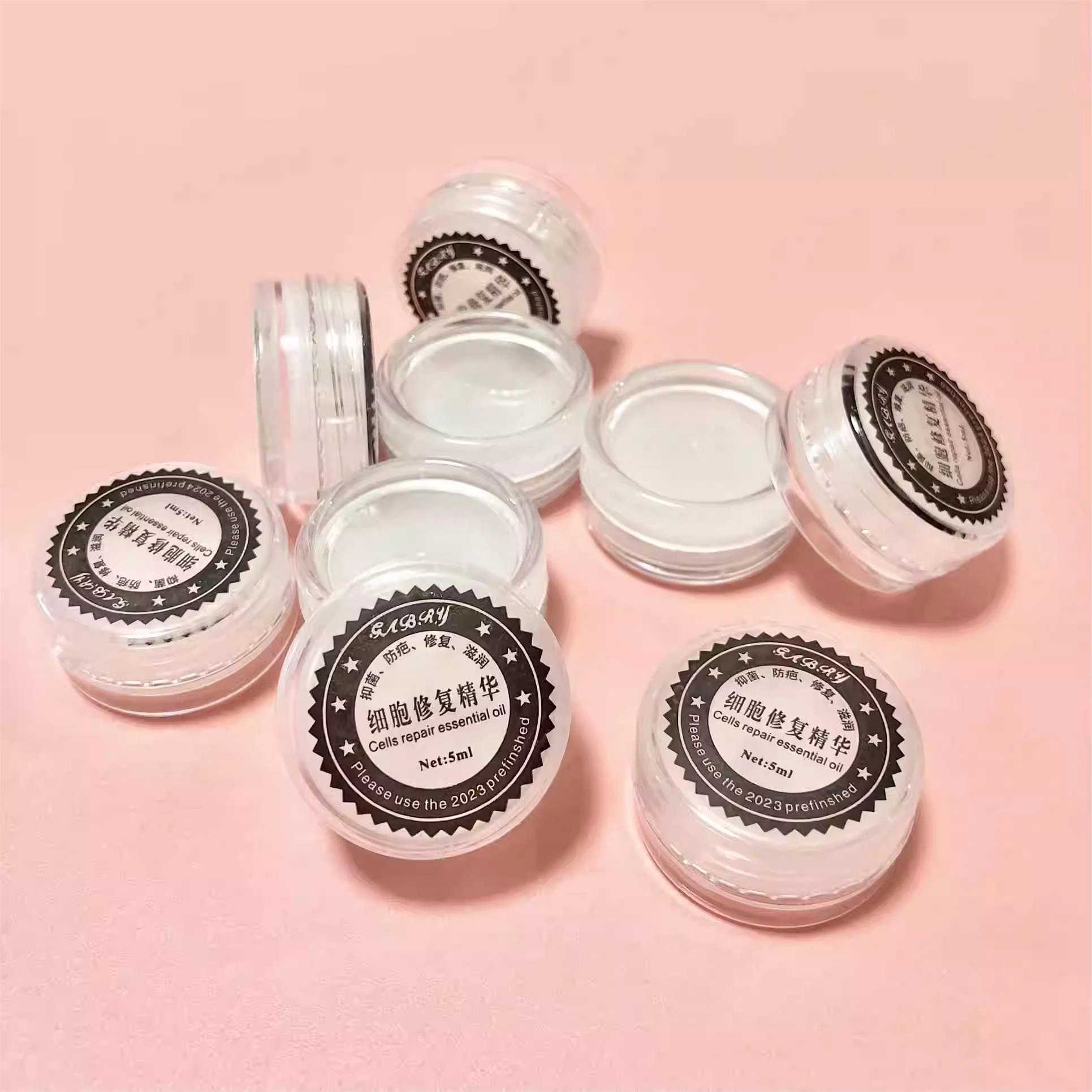
5g Cell Repair Essential Balm

Professional Pre Inked Eye Brow Mapping String 30m
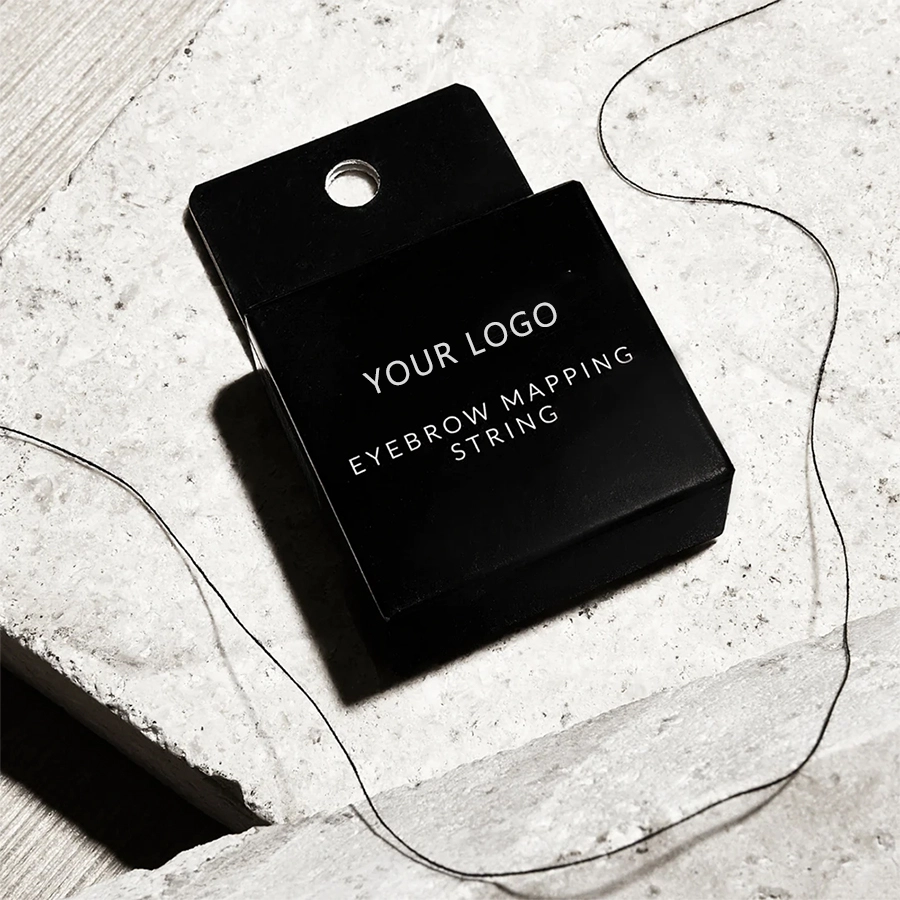
Microblading Pre-inked Mapping String Line 10m

Instagram
Facebook
YouTube