


Wholesale Microblading Machines: Find Reliable Suppliers
- Why choose machine-based microblading?
- Microblading with a machine vs manual blade: the practical differences
- Clinical and client benefits
- When I recommend a machine vs manual approach
- How I evaluate wholesale microblading machine suppliers
- Technical specifications and build quality
- Regulatory compliance and certifications
- Supply chain reliability, warranty and after-sales support
- Comparing machine types, consumables and procurement considerations
- Machine types and their clinical fit
- Consumables, cartridge systems and ink compatibility
- Pricing, MOQ and total cost of ownership
- Partnering with QM Makeup: supply, OEM and distribution
- Who QM Makeup is and why I recommend them
- Product range, production capability and quality assurance
- Commercial terms, contact and partnership steps
- Practical procurement checklist and risk mitigation
- Pre-order due diligence
- Onboarding and training
- Long-term supplier management
- FAQs
- 1. What is the difference between microblading and microblading with a machine?
- 2. Are machine microblading devices regulated?
- 3. What should I look for in a wholesale supplier?
- 4. How important is cartridge compatibility?
- 5. Can I private-label microblading machines?
- 6. How do I reduce infection risk when using machines?
- Conclusion & Call to Action
I write from years of hands-on experience in semi-permanent makeup supply and clinic consulting. If you're sourcing wholesale microblading machines — whether to stock a pro-salon supply house, scale a training academy, or launch your own private-label brand — you need a clear procurement framework that balances device performance, safety and regulatory compliance, supply reliability, and margins. This article explains how I evaluate suppliers, what technical and clinical features matter when doing microblading with a machine, and how to build long-term partnerships that reduce risk and grow revenue.
Why choose machine-based microblading?
Microblading with a machine vs manual blade: the practical differences
Many artists still perform manual microblading using disposable blades. However, machine-based techniques (machine-assisted hair-stroke work with a pen-style or rotary tattoo machine) offer consistent speed, depth control, and reduced operator fatigue. I find that, for high-volume environments and advanced pigment implantation techniques, microblading with a machine improves repeatability and reduces procedure time while preserving natural hair-like strokes when used by a trained technician.
Clinical and client benefits
When executed properly, machine-assisted microblading can produce uniform strokes, more predictable pigment deposition, and easier management of healed color. From an infection-control standpoint, many modern wireless pen machines are easier to fully sterilize (external surfaces) and compatible with single-use cartridges, which lowers cross-contamination risk when paired with proper aseptic workflow. For authoritative guidance on safety concerns related to tattooing and permanent makeup, see the FDA's overview: FDA — Tattooing & Permanent Makeup.
When I recommend a machine vs manual approach
I typically recommend starting with manual for absolute beginners learning stroke artistry, then moving to machine techniques once the artist is confident in mapping, color theory and needle control. Machine microblading requires an understanding of needle grouping, speed (strokes per minute), and how device torque influences pigment uptake — topics I teach in advanced training modules.
How I evaluate wholesale microblading machine suppliers
Technical specifications and build quality
A reliable supplier clearly publishes device specifications: motor type (rotary vs electromagnetic), stroke length, speed (RPM or strokes per minute), battery life (for wireless units), cartridge compatibility, and IP or ingress resistance rating if applicable. During due diligence I request technical datasheets, unit photos, and a sample run. If a supplier cannot provide exact specs or refuses samples, I consider that a red flag.
Regulatory compliance and certifications
Depending on your market, a microblading machine may fall under medical device or cosmetic instrument regulations. Look for suppliers with a quality management system (ideally aligned with ISO 13485 for medical devices: ISO 13485) and product testing records. For markets like the U.S., be aware of FDA guidance on permanent makeup and tattooing: FDA. I always request Certificates of Conformity and EMC/LVD test reports for electronic devices shipped internationally.
Supply chain reliability, warranty and after-sales support
Key commercial questions I ask suppliers: What are lead times for normal and peak seasons? What is minimum order quantity (MOQ)? Is there a warranty and local repair network? Do they provide replacement parts and consumables (cartridges, grips)? A supplier with transparent lead times, spare-part stock, and documented warranty procedures is worth a High Quality; product downtime in an aesthetic clinic reduces revenue and damages reputation.
Comparing machine types, consumables and procurement considerations
Machine types and their clinical fit
Not all devices are equivalent. I categorize units into three practical classes: pen-style wireless rotary, corded rotary, and electromagnetic (coil) tattoo machines. Each has pros and cons depending on technique, operator preference, and cost structure.
| Machine Type | Advantages | Limitations | Best use |
|---|---|---|---|
| Wireless pen-style rotary | Ergonomic, quiet, precise torque control, good battery life | Higher upfront cost; battery maintenance | Salon use, training, mobile artists |
| Corded rotary | Stable power, lower cost, simple maintenance | Less portable; cord can hinder handling | Clinic environments with fixed stations |
| Electromagnetic (coil) | Traditional tattoo feel, strong impact | Heavier, louder, not ideal for delicate microblading strokes | Experienced artists wanting specific shading effects |
Consumables, cartridge systems and ink compatibility
One of my top procurement mistakes early on was buying machines without checking cartridge compatibility or availability of single-use sterile cartridges. Ensure the supplier stocks or supports well-known cartridge systems and that inks are certified for permanent makeup where required. For information on chemical safety and potential risks in tattoo inks, the American Academy of Dermatology provides practical guidance: AAD — Tattoo Safety.
Pricing, MOQ and total cost of ownership
When comparing unit price, calculate total cost of ownership: initial unit cost, consumables (cartridges, grips), replacement batteries, warranty repairs, shipping/taxes, and expected device lifespan. I recommend building a simple spreadsheet to compare suppliers. Below is a supplier-evaluation checklist I use:
| Evaluation Item | Why it matters |
|---|---|
| Technical datasheet & sample availability | Verify performance claims and tactile feel before bulk buy |
| Regulatory / test reports | Ensures product can be legally sold and reduces compliance risk |
| MOQ & pricing tiers | Impacts cash flow and ability to test market |
| Warranty & RMA process | Reduces downtime and additional operating costs |
| Spare parts & consumables stock | Maintains service continuity and client trust |
| OEM/private label capability | Important if you plan to build your own brand |
Partnering with QM Makeup: supply, OEM and distribution
Who QM Makeup is and why I recommend them
QM Makeup was established in 2005; we specialized in the field of semi-permanent makeup and eyelash tattoo beauty, and we are committed to becoming a leading company in the industry. Our company integrates the distribution, wholesale, private labeling and OEM processing on a large scale. I have worked with QM Makeup in procurement and product development and value their end-to-end capabilities.
Product range, production capability and quality assurance
We specialize in permanent makeup and eyelash beauty products, providing professional wireless tattoo machines, microblading machines, semi-permanent makeup ink, tattoo skin for practice, tattoo numb cream, a professional lash lift kit, the best lash lift and tint kit, professional eyelash glue and eyelash extension lashes products. Our production base covers an area of 10,000 square meters and has independent research and development and production capabilities, helping customers achieve product customization and providing one-stop tattoo supplies brand solutions.
For buyers seeking OEM/private-label solutions, QM Makeup provides full-cycle services that include product development, packaging design, private-label production and regulatory support. Their scale and R&D team allow faster prototyping and consistent quality control — important strengths when launching a brand or expanding SKU lines.
Commercial terms, contact and partnership steps
When I negotiate with QM Makeup, I focus on the following practical items: clear MOQs for private-label products, lead-time guarantees, sample and pilot-run options, testing documentation, and a warranty/RMA clause. If you want to review products or discuss private-label opportunities, contact QM Makeup via their website https://www.qmmakeup.com or email [email protected]. Their sales team has supported clinics, distributors and international partners with tailored solutions.
Practical procurement checklist and risk mitigation
Pre-order due diligence
Before placing a bulk order I always: request units for hands-on testing; verify certificates and test reports; check customs & import constraints for the destination market; and confirm spare-part availability. If no samples are available, negotiate a smaller pilot order first to test market response.
Onboarding and training
Rolling out machine microblading across a chain of clinics requires training. I recommend securing training materials, in-person or remote sessions from the supplier or a certified trainer, and written SOPs for device cleaning, cartridge changes, and emergency procedures. For infection control, align your SOPs with established guidance on bloodborne pathogen handling (e.g., CDC resources: CDC — Bloodborne Pathogens).
Long-term supplier management
Develop an annual review cadence with your supplier to assess product performance, defect rates, complaints, and inventory planning. Track KPIs such as average lead time, percent orders on time, and RMA turnaround. A supplier that supports product upgrades and provides clear roadmaps demonstrates commitment to partnership and reduces long-term risk.
FAQs
1. What is the difference between microblading and microblading with a machine?
Microblading traditionally uses disposable blades to create hair-like strokes. Microblading with a machine uses a pen or rotary device to perform similar strokes with mechanical control. Machines offer consistency and can be faster in high-volume settings; however, both require skill and proper technique.
2. Are machine microblading devices regulated?
Regulation varies by country. Some jurisdictions consider devices as cosmetic instruments, others as medical devices. Look for suppliers with quality management systems and test reports, and consult local regulatory authorities. See FDA guidance on permanent makeup for context: FDA.
3. What should I look for in a wholesale supplier?
Key items include transparent specifications, sample availability, regulatory/test documentation, warranty and RMA policies, spare-part inventory, MOQ flexibility, and OEM/private-label capabilities.
4. How important is cartridge compatibility?
Very important. Using widely supported, sterile, single-use cartridges reduces cross-contamination risk and ensures your artists can access replacement consumables promptly.
5. Can I private-label microblading machines?
Yes. Many manufacturers offer OEM/private-label services. Evaluate their R&D, production capacity, MOQ for branding, and ability to supply required certifications. QM Makeup provides large-scale OEM/private-label solutions and integrated supply services; contact them at [email protected] or visit https://www.qmmakeup.com.
6. How do I reduce infection risk when using machines?
Use single-use sterile cartridges, follow strict aseptic technique, have written cleaning and disposal SOPs, and train staff on bloodborne pathogen precautions. Refer to CDC resources for workplace exposure controls: CDC — Bloodborne Pathogens.
Conclusion & Call to Action
Sourcing wholesale microblading machines requires a balanced assessment of device performance, supplier reliability, regulatory compliance, and after-sales support. I recommend a phased approach: request samples, verify certifications, pilot small orders, and scale once you confirm product-market fit and supplier reliability. For businesses looking for an experienced partner with OEM/private-label capabilities, broad product range and a large production base, QM Makeup offers end-to-end solutions. QM Makeup's core strengths include tattoo machine, tattoo ink, microblading, tattoo supplies and false eyelashes product lines, combined with distribution and private-label services built on a 10,000 m² production base.
If you want to discuss product selection, request samples, or explore OEM/private-label options, contact QM Makeup via their website https://www.qmmakeup.com or email [email protected]. I’m available to consult on supplier evaluation and training plans — reach out and let’s build a sourcing and training strategy that protects your clinic and grows your business.
Custom Tattoo Numbing Cream Manufacturers and Suppliers USA
Best professional cream for tattoo aftercare manufacturers and supplier brands
Training and Support Requirements from Microblading Suppliers
Aftercare for Tattoo: When to Recommend Touch-Ups
After sales support
How do I change or cancel my order?
Any cancellation made after an order has been placed, will be subject to a cancellation fee regardless of the time the order has been placed (even if it is just a second later) as the merchant processor/credit card charges us a fee for cancellations.
Please note that any orders that have already been packed, produced or shipped cannot be cancelled.
Can I change my shipping address after placing an order?
Please be advised that your shipping address cannot be revised after the order has been processed or shipped. In the event of an incorrect address provided during the order process, we need to submit an address change application to the courier company, which will be charged a corresponding address change fee and takes 1-3 working days. We will apply to the shipping company for address change after you pay us the address change fee. The address change fee is subject to the shipping company's bill.
Lash lift kit
How long is your production time?
For general orders, we usually complete production in 10-15 days after you confirm the order details and process the deposit. For bulk orders, the production time may be extended to 20-30 days.
How long does the lifting effect last?
On average, the lash lifting effect lasts for 2-3 months, depending on the clients eyelashes individual differences and the time you takes for lash lift procedure of soften (perm lotion) and set (neutralizer).
Eyelash curling
Does a lash lift damages your lashes?
The reagents we use are gentle, non-irritating and non-allergenic and will not damage your natural lashes. However, there is no risk of damage or loss of lashes due to improper handling. Therefore, apart from the fact that you need a good lash lift product choosing a professional lash stylist and salon is also crucial.

Professional Pre Inked Eye Brow Mapping String 30m
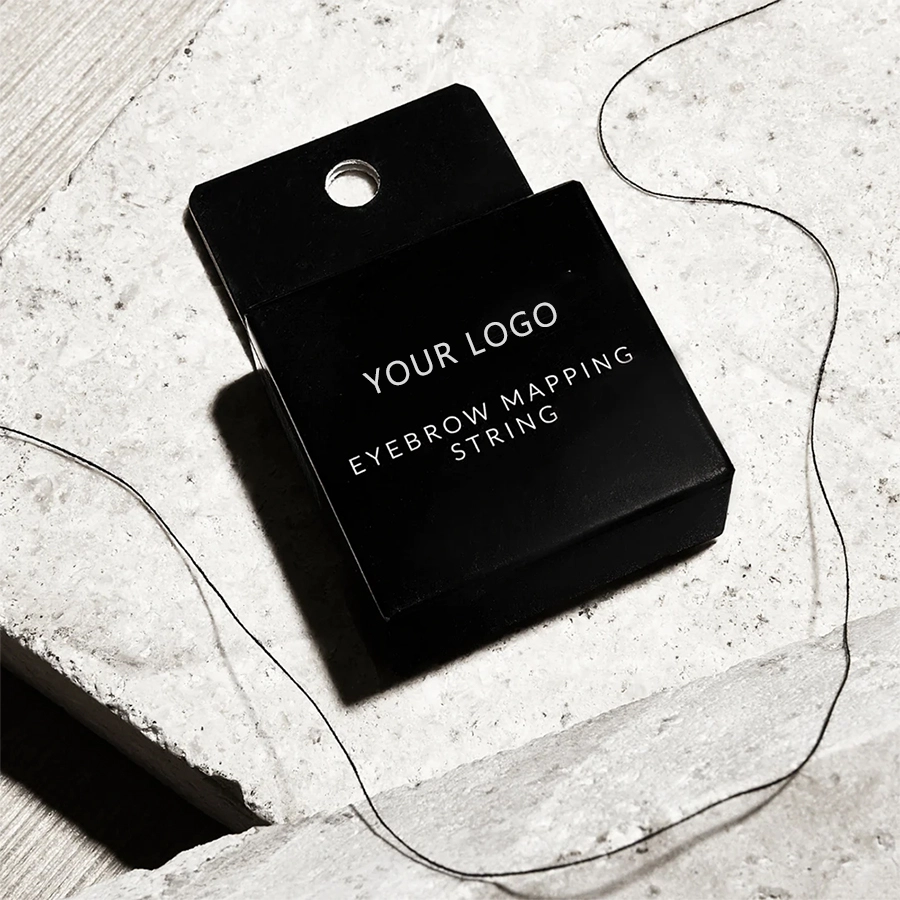
Microblading Pre-inked Mapping String Line 10m
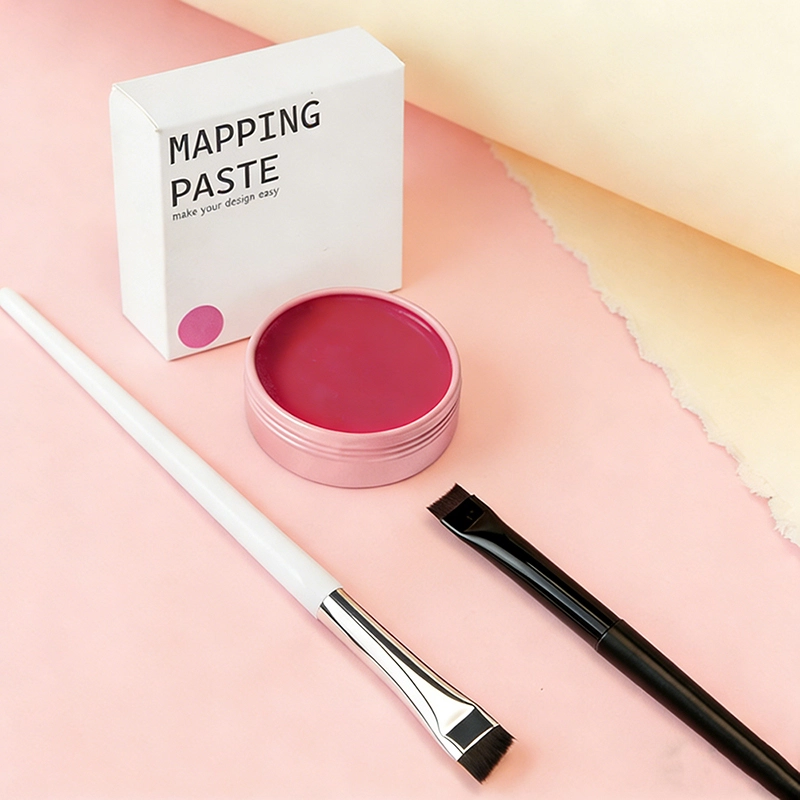
Pre-inked Mapping Ultra-Fine Eyebrows Eyeliner Blade Fan Brush

Instagram
Facebook
YouTube