


Best Practices for Using a Microblading Eyebrow Pen Safely
- What is a microblading eyebrow pen?
- Definition and purpose: what is a microblading eyebrow pen
- Key safety standards before using a microblading eyebrow pen
- Licensing, training, and product selection matters
- Client screening and contraindications
- How to identify clients who should not get microblading
- Step-by-step safe procedure when using a microblading eyebrow pen
- From client intake to aftercare instructions
- Sterilization, hygiene and workspace setup
- Essential tools and single-use policies
- Common mistakes that compromise safety with a microblading eyebrow pen
- How to avoid infections, scarring and poor pigment retention
- Aftercare best practices for clients
- Step-by-step home care to ensure healing and pigment retention
- Healing timeline (typical)
- What clients should expect day-by-day
- Comparing techniques: microblading eyebrow pen vs microblading machine vs tattoo pen
- Choose the right method for your client
- Tools, pigments and consumables: what professionals should stock
- Recommended product features and why they matter
- Insurance, legal and record-keeping
- Protect your business and clients
- QM Makeup: supplier strengths and main products
- Why QM Makeup supports safe, professional microblading
- Practical tips for maintaining E-E-A-T in your service and content
- Demonstrate experience, expertise, authority and trust
- Frequently Asked Questions (FAQ)
- Answers clients and technicians commonly ask about microblading eyebrow pens
What is a microblading eyebrow pen?
Definition and purpose: what is a microblading eyebrow pen
A microblading eyebrow pen is a handheld tool used to create fine, hair-like strokes to enhance eyebrow appearance. It commonly holds a disposable microblade or cartridge of very fine needles and is used to deposit pigment into the upper dermis. Unlike cosmetic eyebrow pencils or markers, the microblading eyebrow pen is a semi-permanent makeup tool designed to perform a controlled pigment implant. Professionals use it to mimic natural brow hairs and correct shape, density, and symmetry.
Key safety standards before using a microblading eyebrow pen
Licensing, training, and product selection matters
Safe practice begins with proper training and legal compliance. Only certified technicians with appropriate local licensing should perform microblading. Choose pigments and consumables from reputable suppliers with clear ingredient lists and quality controls. Although semi-permanent makeup pigments are not uniformly regulated worldwide, reliable brands provide safety data sheets, batch traceability, and manufacturing standards that reduce risk.
Client screening and contraindications
How to identify clients who should not get microblading
Always complete a written intake and medical history before using a microblading eyebrow pen. Common contraindications include pregnancy and breastfeeding, active skin infections, uncontrolled diabetes, recent Botox or fillers near the treatment area (typically within two weeks), bleeding disorders or anticoagulant medications, autoimmune conditions that impair healing, severe keloid history, and recent chemical peels or retinols at the treatment site. If in doubt, require a physician clearance.
Step-by-step safe procedure when using a microblading eyebrow pen
From client intake to aftercare instructions
Follow a consistent, documented workflow for every service to reduce risk and improve results:
- Consultation and informed consent: discuss expectations, potential risks, healing timeline, and maintenance.
- Patch test: perform a small pigment patch 24–48 hours before treatment for clients with allergy history.
- Preparation: cleanse and degrease the brow area using appropriate antiseptic solutions; map the brow shape and obtain client approval.
- Use of topical anesthetic: if used, apply according to manufacturer instructions and account for client sensitivities.
- Technique: use the microblading eyebrow pen with light, even strokes into the upper dermis; avoid going too deep to prevent scarring and too shallow which causes poor retention.
- Pigment handling: use fresh pigment in sterile disposable cups or closed cartridges, and avoid cross-contamination.
- Post-procedure: clean the area, apply a thin protective ointment as recommended, provide written aftercare, and schedule a 4–8 week touch-up.
Sterilization, hygiene and workspace setup
Essential tools and single-use policies
Hygiene is non-negotiable. Set up a clean, dedicated workspace with minimal clutter. Key practices include wearing gloves, masks, and eye protection; using single-use disposable blades/cartridges; disinfecting surfaces with an EPA-registered or locally approved hospital-grade disinfectant between clients; and using an autoclave for any reusable metal implements. Dispose of needles and blades in rigid sharps containers and keep sterilization and client logs up to date.
Common mistakes that compromise safety with a microblading eyebrow pen
How to avoid infections, scarring and poor pigment retention
Recognize and prevent frequent errors:
- Reusing needles or contaminated pigments—always single-use when possible.
- Poor client screening—missing contraindications increases infection and healing complications.
- Overworking the skin—excess strokes or too deep penetration causes scarring and uneven pigment.
- Inadequate aftercare instructions—clients who don’t follow guidance risk infection or pigment loss.
- Poor pigment choice—low-quality or incorrectly matched pigments can cause color shifts or allergic reactions.
Aftercare best practices for clients
Step-by-step home care to ensure healing and pigment retention
Clear aftercare improves safety and aesthetic outcomes. Provide clients with a concise timeline and do’s/don’ts:
- Days 0–3: keep treated area clean and dry; gently pat with sterile saline if needed; apply a thin layer of recommended ointment only if instructed.
- Days 4–14: expect scabbing/flaking—do not pick or scratch. Avoid swimming, saunas, heavy sweating, and direct sunlight.
- Weeks 2–8: pigment may appear faint during healing; full settling and color correction typically occur at the 4–8 week touch-up.
- Long-term: use SPF on brows once healed to slow pigment fading; recommend annual or biennial color refreshes depending on skin type and lifestyle.
Healing timeline (typical)
What clients should expect day-by-day
Healing varies by individual. The following is a generalized timeline to help set expectations:
| Period | What to expect |
|---|---|
| Immediate (Day 0–2) | Redness, slight swelling, pigment appears darker |
| Early healing (Day 3–7) | Scabbing and flaking begin; pigment may look patchy |
| Late healing (Week 2–4) | Scabs fall off; pigment softens and begins to settle |
| Touch-up period (Week 4–8) | Touch-up appointment to refine shape and color retention |
Comparing techniques: microblading eyebrow pen vs microblading machine vs tattoo pen
Choose the right method for your client
Different tools suit different skin types and client goals. The table below highlights practical differences to help professionals decide which method is best for each client.
| Method | Precision | Longevity | Best for | Training required |
|---|---|---|---|---|
| Microblading eyebrow pen (manual) | Very high (hair-like strokes) | 1–3 years depending on skin type | Normal to dry skin that accepts crisp strokes | Extensive manual microblading training |
| Microblading / PMU machine (rotary or digital) | High (consistent depth) | 1–4 years depending on method and pigments | Oily or mature skin; fuller, shaded styles | Machine-specific training plus PMU fundamentals |
| Tattoo pen (coil or rotary tattoo gun) | Moderate to high (depends on artist) | Longer-lasting; often deeper deposit | Bold, permanent work or restorative procedures | Traditional tattoo training and sanitation certification |
Tools, pigments and consumables: what professionals should stock
Recommended product features and why they matter
Stock quality items to reduce complications and improve consistency:
- Disposable microblades/cartridges: individually packaged, sterile, single-use.
- Certified pigments: predictable color behavior and good traceability from the manufacturer.
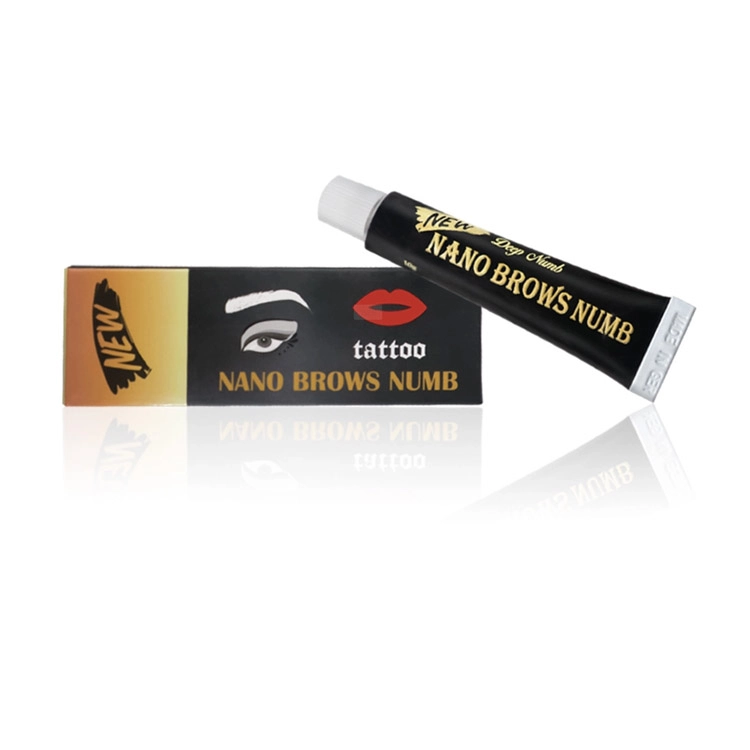
- Topical numbing agents from reputable brands with clear application instructions.
- Medical-grade disinfectants and autoclave for reusable tools.
- Sharps containers, barrier films, and PPE to maintain a clean environment.
Insurance, legal and record-keeping
Protect your business and clients
Maintain professional liability insurance that covers semi-permanent makeup services. Keep thorough records including client intake forms, consent forms, photos (before, immediately after, and healed), pigment batch numbers, and sterilization logs. These records protect both the client and the technician in case of post-procedure issues or legal questions.
QM Makeup: supplier strengths and main products
Why QM Makeup supports safe, professional microblading
QM Makeup was established in 2005 and specializes in semi-permanent makeup and eyelash tattoo beauty. The company offers professional wireless tattoo machines, microblading machines, semi-permanent makeup inks, practice skin, topical numbing creams, and complete lash-lift and extension kits. With a production base covering 10,000 square meters and independent R&D and manufacturing, QM Makeup integrates distribution, wholesale, private labeling and OEM processing at scale.
Key advantages of QM Makeup for professionals:
- Reliable equipment: wireless and microblading machines designed for consistent needle depth and comfortable handling.
- Stable pigments: formulated for predictable settling and color behavior with traceability and batch control.
- Complete consumables: sterile microblades, practice skin, topical anesthetics, and high-quality tattoo supplies reduce risk and streamline workflow.
- Full lash product line: professional eyelash glues, false lashes, and lash lift kits that complement brow services for salons offering comprehensive eye beauty.
- Customization & scalability: private-label and OEM services help studios and distributors create branded product lines to expand revenue streams.
Practical tips for maintaining E-E-A-T in your service and content
Demonstrate experience, expertise, authority and trust
To meet Google’s E-E-A-T expectations and to build client confidence, document your qualifications, show case studies and healed photos, collect and publish client testimonials, cite reputable industry guidelines, and keep content up to date. Offer clear contact pathways for questions and aftercare support. Accurate, client-focused information and transparent safety practices foster trust and reduce disputes.
Frequently Asked Questions (FAQ)
Answers clients and technicians commonly ask about microblading eyebrow pens
Q: What is a microblading eyebrow pen and is it painful?
A: A microblading eyebrow pen is a manual tool used to implant pigment with fine strokes. Pain varies by individual and technique; topical anesthetic typically reduces discomfort to mild pressure sensations.
Q: How long does microblading last when done with a microblading eyebrow pen?
A: Longevity depends on skin type, pigment quality, sun exposure and aftercare. Typical retention ranges from about 1 to 3 years, with touch-ups commonly performed at 4–8 weeks initially and then annually or biennially as needed.
Q: Can anyone get microblading?
A: Not everyone. Clients with certain medical conditions, recent skin procedures, pregnancy, or those prone to keloids may be advised against treatment. Always perform a medical intake and consult a physician when unsure.
Q: How do I choose pigment and needles?
A: Use pigments from reputable manufacturers with clear ingredient and batch information. Choose blade size and configuration appropriate for the desired stroke thickness; practice on synthetic skin and attend advanced trainings to refine selection skills.
Q: What are the signs of infection after microblading?
A: Excessive redness, swelling, pus, fever, or spreading pain beyond the treatment site can indicate infection. If any of these occur, advise the client to seek medical attention promptly.
Q: Why choose QM Makeup supplies for my studio?
A: QM Makeup offers a full range of professional tools, pigments, and consumables backed by years of specialization in semi-permanent makeup, OEM/private-label options, and an independent R&D and production base. These capabilities help ensure reliable supplies and product consistency for busy studios.
Where to Buy red ink tattoo

Bulk Sourcing Tattoo Aftercare Cream: 5g Cell Repair Benefits
Wholesale Tattoo butter balm manufacturer and supplier
Custom eyelash glue Manufacturers and Suppliers
Logistics
How long can I get my goods?
Different shipping methods have different delivery times. The typical delivery time for express shipping is 7-10 business days, while sea and train shipping usually takes 30-60 business days.
Lash Glue
How do I choose the right lifting glue for eyelashes?
The choice of glue for eyelash lifting depends on several factors, including skin type, application habits and personal skills. Here are some tips for you:
Skin type: For sensitive skin, we recommend choosing strong sticky glue.
Habits: If you don't want the glue to leave a waxy residue when applied, we recommend choosing strong sticky glue; if you need a very sticky glue and don't mind a slightly elastic status quo during application, we recommend choosing super sticky glue.
Personal skills: If you are a professional, we recommend using liquid lifting glue, strong sticky glue and super sticky glue are ideal for you. If you are a beginner, we recommend lifting glue balm, non-flowing glue allows you to better control the amount of glue and adjust the lashes, you can click to see the lifting glue balm page for more details.
250g tattoo cream
How long does the numbing product last?
Different numbing products have different duration of effect. For example, body numbing cream lasts longer than eyebrow numb tattoo cream. For the specific duration, please check the product description or contact us for more details.
Tattoo pigment
Are these pigments safe for human body?
Yes, absolutely safe, we go through layers of screening and rigorous testing of every ingredient to ensure that it is non-toxic and harmless. Our pigments are CE and REACH certified and comply with EU regulations.
Products
What’s your product quality certificate for glue balm?
We have MSDS certificate for PERM & FIXING & Glue lotions and glue balm.

Professional Pre Inked Eye Brow Mapping String 30m
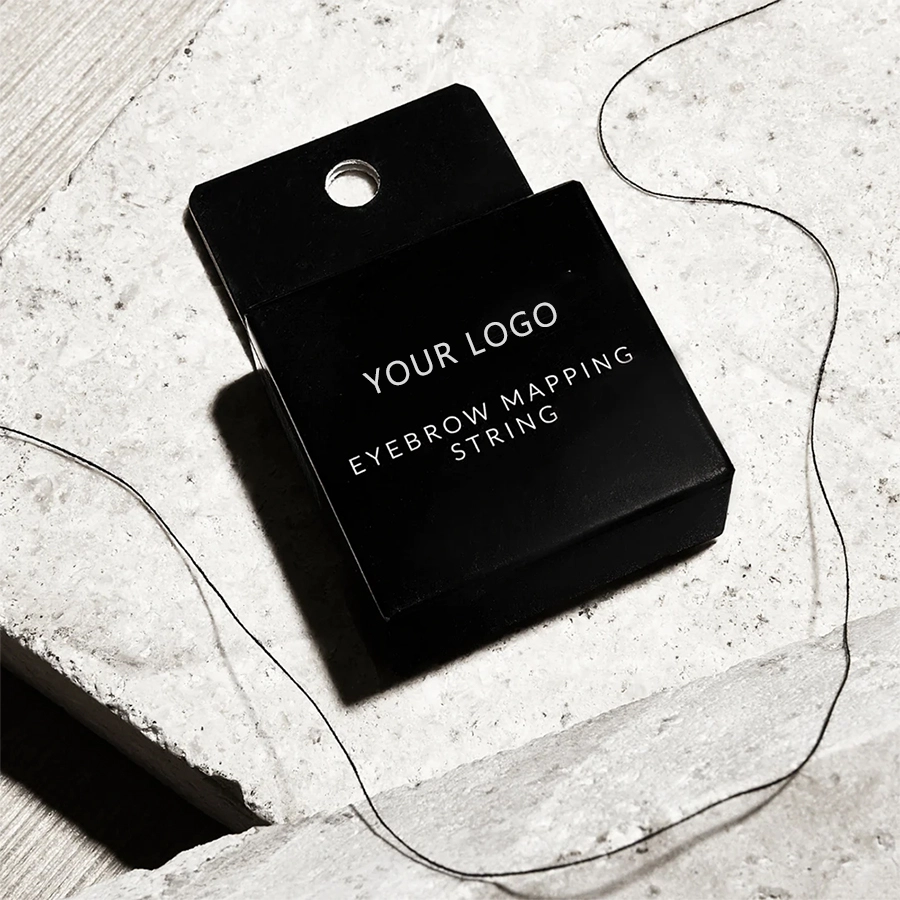
Microblading Pre-inked Mapping String Line 10m
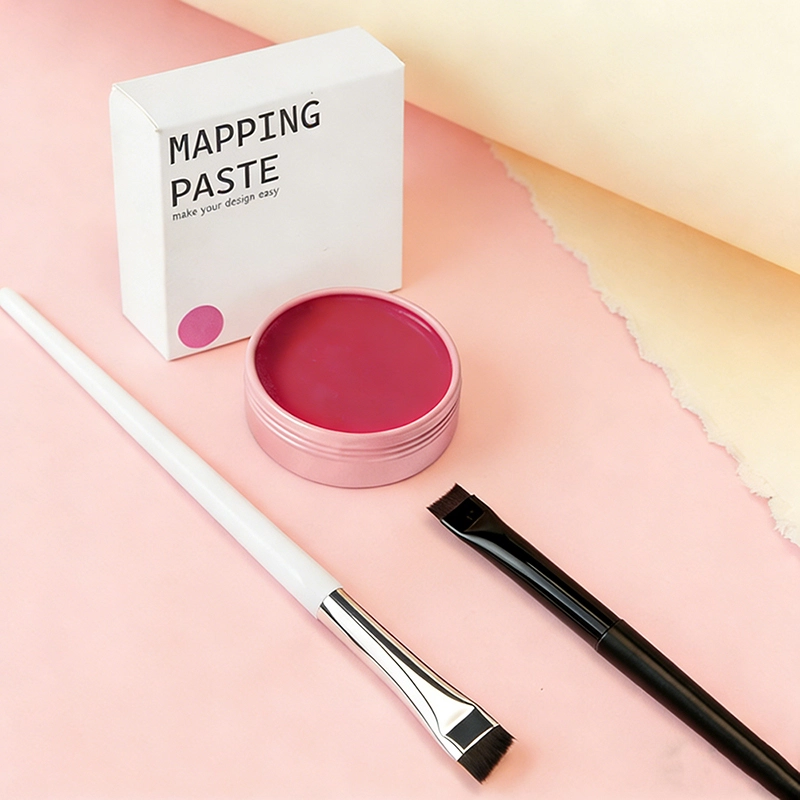
Pre-inked Mapping Ultra-Fine Eyebrows Eyeliner Blade Fan Brush

Instagram
Facebook
YouTube