


Wholesale tattoo pigment powder manufacturer and supplier in 2026
- Introduction: Wholesale tattoo pigment powder landscape in 2026
- Market trends and demand drivers in 2026
- Shifts driving demand for tattoo pigment powder
- Regulatory and safety environment
- What buyers search for when they need tattoo pigment powder wholesale
- Quality and certification
- Customization, private label, and OEM
- Logistics, MOQ, and lead times
- QM Makeup capabilities: a wholesale partner profile
- Technical comparison: tattoo pigment powder types
- Manufacturing, quality control, and packaging best practices
- R&D and formulation control
- Quality control and testing
- Packaging and shelf life
- Pricing, MOQ, and partnership models
- How to evaluate and choose the right tattoo pigment powder supplier
- Why choose a vertically integrated partner like QM Makeup
- Conclusion
- Frequently Asked Questions
Introduction: Wholesale tattoo pigment powder landscape in 2026
The market for tattoo pigment powder continues to evolve in 2026. Professionals in semi-permanent makeup and eyelash tattooing demand safe, stable, and customizable pigments for brows, lips, and eyeliner. Buyers searching for a wholesale tattoo pigment powder manufacturer and supplier typically want reliable quality, regulatory compliance, private-label capabilities, and scalable production. This article guides procurement managers, salon owners, distributors, and brand founders through the factors that matter when choosing a partner, using QM Makeup's factory capabilities and service models as a practical example.
Market trends and demand drivers in 2026
Shifts driving demand for tattoo pigment powder
Several dynamics continue to shape the wholesale tattoo pigment powder market: increased consumer acceptance of semi-permanent makeup, growth in professional beauty services, and rising demand for bespoke and skin-safe colors. Buyers now prioritize pigments that offer predictable healing colors, high color retention, and minimal migration. Business customers also expect flexible private labeling and OEM services to launch niche brands quickly.
Regulatory and safety environment
Regulations have tightened in many regions. Europe has focused on restricting hazardous pigment ingredients and improving labeling and safety data. In the United States and other markets, increased scrutiny and voluntary certification programs push manufacturers to adopt higher safety and manufacturing standards. Wholesale buyers must ask suppliers for safety data sheets, ingredient lists, batch traceability, and independent testing to meet professional, retail, and cross-border requirements.
What buyers search for when they need tattoo pigment powder wholesale
Quality and certification
Top-priority criteria include pigment purity, sterility where required, consistent particle size distribution, and resistance to color shift over time. Buyers also look for certifications and testing reports such as microbial testing, heavy metals analysis, PAH screening, and stability studies. These documents reduce business risk and support regulatory compliance.
Customization, private label, and OEM
Many salons and distributors prefer private-label pigments to strengthen their brand. A wholesale supplier should offer color matching, bespoke formulations, customized packaging, and MOQ flexibility. OEM processing that includes design, printing, and logistics makes market entry faster and lowers the partner's operational burden.
Logistics, MOQ, and lead times
Competitive wholesale suppliers combine clear MOQs, lead times, and flexible shipping options. For international partners, clear export documentation and help with customs clearance are vital. Buyers often favor suppliers with scalable capacity so they can grow without frequent supplier changes.
QM Makeup capabilities: a wholesale partner profile
Founded in 2005, QM Makeup specializes in semi-permanent makeup and eyelash tattoo products. The company provides a broad portfolio including wireless tattoo machines, microblading machines, semi-permanent makeup inks, tattoo skin for practice, tattoo numbing cream, lash lift kits, lash glue, and extension lashes. QM Makeup integrates distribution, wholesale, private labeling and OEM processing at scale, supporting full customized branding solutions.
QM Makeup operates a 10,000 square meter production base with independent R&D and manufacturing capabilities. That infrastructure supports product customization, quality control, and one-stop tattoo supplies brand solutions for global partners seeking wholesale tattoo pigment powder with flexible private label and OEM options.
Technical comparison: tattoo pigment powder types
Understanding pigment types helps buyers match product selection to intended use, color stability needs, and pricing. The table below summarizes common pigment types and their typical characteristics.
| Pigment Type | Typical Uses | Color Stability | Advantages | Considerations |
|---|---|---|---|---|
| Iron Oxide (inorganic) | Brows, neutral tones | High | Very stable, low allergy risk, matte finish | Limited bright shades; can be heavier on skin |
| Carbon Black | Eyeliner, eyebrow darkest tones | High | Deep black, stable | Quality varies by source; must test for impurities |
| Organic pigments (azo, azo-direct) | Lips, bright colors | Moderate | Vivid colors, wide gamut | Higher risk of color shift and regulatory restrictions in some regions |
| Blends (custom mixes) | Customized healed tones | Variable | Tailored results, optimized healing color | Requires precise formulation and batch control |
Manufacturing, quality control, and packaging best practices
R&D and formulation control
Reliable pigment performance starts with R&D. Good suppliers conduct iterative testing to control particle size, dispersibility, and pH stability. R&D records and formula traceability are critical for consistent wholesale batches and private-label production.
Quality control and testing
Essential quality checks: raw material identity, heavy metals screening, microbial testing, PAH and azo compound screening where relevant, and accelerated aging tests. Batch-level certificates of analysis (COAs) and lot traceability protect buyers and consumers and are often required by distributors and regulators.
Packaging and shelf life
For wholesale tattoo pigment powder, packaging must preserve stability and hygiene. Suppliers should offer sealed, inert packaging, clear labeling (batch, manufacture date, expiry), and options for retail-ready packaging for private-label clients. Typical shelf life may vary by formulation but is commonly 2–3 years under proper storage; always verify COA and storage conditions with the supplier.
Pricing, MOQ, and partnership models
Wholesale pricing depends on pigment type, certification level, customization, and packaging. Suppliers often offer tiered pricing: standard catalog pigments at lower MOQs and custom or private-label pigments at higher MOQs with tooling or formulation setup fees. Transparent total-cost quotes should include unit price, setup cost, testing fees, packaging, and shipping.
How to evaluate and choose the right tattoo pigment powder supplier
Use the following checklist when evaluating partners in 2026:
- Request COAs and independent lab test reports for heavy metals, microbial content, and PAHs.
- Confirm manufacturing capacity and lead times to match your growth plans.
- Check OEM and private-label capabilities, including packaging design and printing services.
- Verify traceability systems and batch coding practices.
- Ask about storage, shelf life, and post-sale technical support or training.
- Request references or case studies from other wholesale partners.
- Review warranties, return policies, and dispute resolution procedures.
Why choose a vertically integrated partner like QM Makeup
Working with a supplier that integrates R&D, production, and private-label services reduces complexity. QM Makeup's long history since 2005 and its 10,000 m² production base enable consistent supply, faster color-matching cycles, and scalable OEM services. This kind of vertical integration helps partners launch new SKUs faster while maintaining product quality and compliance.
Conclusion
In 2026, purchasing wholesale tattoo pigment powder requires attention to safety, regulatory compliance, customization options, and supplier capacity. Buyers should prioritize suppliers that provide transparent testing, batch traceability, and private-label/OEM services. QM Makeup, with its long-standing industry focus and substantial manufacturing base, illustrates the profile of a partner that can meet wholesale buyers' needs—from standardized pigments to bespoke formulations and full-brand support.
Choosing the right supplier reduces risk, accelerates time-to-market, and protects brand reputation. Use the checklist and technical comparisons above to evaluate potential partners, and always require up-to-date test documentation before placing bulk orders.
References and sources
- European Chemicals Agency (ECHA): regulatory actions and restriction proposals related to tattoo inks and pigments, public reports and notices (ECHA technical reports and restriction dossiers).
- U.S. Food and Drug Administration (FDA): public information on tattoo inks, pigments, and regulatory considerations.
- Industry market reports and analyses on tattoo and semi-permanent makeup markets (leading market research firms and trade publications).
- ISO and GMP guidance for cosmetic manufacturing and quality control (e.g., ISO standards and Good Manufacturing Practice publications).
- Peer-reviewed and industry technical articles on pigment chemistry, particle size, and formulation stability used by professional manufacturers.
Frequently Asked Questions
What documents should I request from a wholesale tattoo pigment powder supplier?Ask for certificates of analysis (COAs) for each batch, independent lab test reports for heavy metals and microbial contamination, ingredient lists, batch traceability records, and stability/shelf-life data.
What is the typical shelf life of tattoo pigment powder?Shelf life depends on formulation and storage conditions; many pigments have 2–3 years when stored sealed in a cool, dry place. Confirm shelf life and storage instructions on the COA.
Can I do private-label or OEM orders with small initial quantities?Some suppliers offer low MOQs for standard colors and higher MOQs for custom colors or packaging. Expect setup fees for custom formulations. Discuss tiered pricing and sample policies with the supplier.
How do regulatory changes affect pigment availability?Regulatory restrictions may limit certain pigments or require additional testing and labeling. Reputable suppliers proactively reformulate to comply with new rules and provide the necessary documentation to buyers.
What tests ensure pigment safety for semi-permanent makeup?Key tests include heavy metals screening, microbial testing, PAH analysis, azo compound screening (where relevant), and accelerated stability testing. Independent third-party lab reports add extra assurance.
How long does private-label development usually take?For standard pigments with custom packaging, timeline can range from 4–8 weeks depending on MOQ and printing. Custom formulations typically take longer due to R&D and stability testing—plan for 8–16 weeks or more depending on requirements.
eye lash lift kit Buyer’s Guide: Ingredients & Safety
How Long Does Microblading Eyebrow Pen Last? Timeline
Wholesale Tattoo nourishing balm manufacturer and supplier
What is eyelash extension
Eyelash curling
How long does a lash lift last?
The curling effect of eyelash lamination can last for 8-12 weeks, during which time you can carry out water activities normally. Generally, after 12 weeks, the eyelashes will return to their original state, at which time you can arrange for a new eye lash lift treatment.
Perm and dyeing kit
How do I make eyelash lift and tint at the same time?
1. Clean the eyelashes and skin around the eyes with clean water and cotton pads.
2. Apply glue to the back of the silicone perm rod and stick it on the upper eyelid. After the silicone perm rod is fixed on the eyelid, cover the lower eyelashes with the eye patch.
3. Apply glue to the surface of the silicone perm rod, use a Y-shaped brush or a separate tool to stick the eyelashes on the silicone perm rod, and comb the eyelashes straight to ensure that the eyelashes do not overlap. After the glue dries and fixes the position of the eyelashes, proceed to the next step.
4. Apply the perm agent to the eyelashes to soften the eyelashes, cover with plastic wrap, and wait for 8 to 10 minutes.
5. Remove the perm agent, apply the neutralizer to shape the eyelashes, cover with plastic wrap, and wait for 8 to 10 minutes
6. Mix dye and developer in a 1:1 ratio.
7. Remove the neutralizer, use a small brush to apply dye evenly on eyelashes, wait for the appropriate time (usually 10-15 minutes) to allow the dye to fully color.
8. Clean the eyelashes and residual glue with a detergent, and remove the silicone perm rod and eye patch.
9. Apply Collagen conditioner to nourish the eyelashes, and you're done!
How do I make brow lamination tint?
1. Clean eyebrows: Use warm water and facial cleansing products to clean eyebrows and surrounding skin, making sure there are no impurities and oils.
2. Shape eyebrows: Use eyebrow scissors to trim the length and shape of eyebrows as needed
3. Apply skin care oil: Apply skin care oil to the skin around eyebrows to prevent dye from getting on the skin and facilitate cleaning.
4. Mix dye: Mix dye and developer in a 1:1 ratio.
5. Apply dye: Use a small brush to apply eye brow dye evenly on eyebrows, from the beginning to the end of eyebrows, and pay attention to control the amount to avoid applying it on the skin. Wait for the appropriate time (usually 5-10 minutes) to allow the eyebrow dye to fully color.
6. Wash: Use warm water and paper towels to gently wash the dye off, and be careful not to rub the eyebrows hard.
Follow-up care
1. Avoid water washing: Avoid contact with water within 24 hours after dyeing to ensure that the color lasts.
2. Regularly touch up the color: Depending on the growth rate of the eyebrows and the fading of the color, you can touch up the color every 4-6 weeks.
Super numb
Can tattoo numb cream be used on the lips?
Yes, super numb tattoo cream can be used on the lips.
Tattoo balm
How often should I use the tattoo repair balm for best tattoo care results?
Tattoo butter balm is the best aftercare for tattoo, here are the general steps and suggestions for using tattoo repair balm.
Use phase:
Use before tattoo: Before tattooing, tattoo repair balm can be used on the tattoo area to help keep the skin moisturized, reduce friction during tattooing, and reduce skin damage.
After tattooing: After the tattoo artist completes the tattoo, it is recommended to use the repair cream for the first time to protect the new tattoo area.
During the healing period: In the next few weeks, the repair balm can be used every day to help keep the skin moisturized and prevent dryness and scabbing.
Daily care: The repair balm can be used every day on the old tattoo area to effectively prevent the old tattoo from fading. It has the effect of enhancing the color and keeping the faded old tattoo bright.
How to use:
Cleaning: Before using the repair balm, clean the tattoo area with warm water and soap-free lotion and pat dry gently.
Apply the repair balm: Take an appropriate amount of the repair balm and apply it evenly on the tattoo area, making sure to cover the entire area.
Gently massage: Gently massage the repair cream to allow it to better penetrate the skin.
Frequency: Apply 1 to 3 times a day according to the product instructions or the tattoo artist's advice to keep the skin moist.
Avoid irritation: During your recovery period, avoid using products containing alcohol or fragrances, as well as overexposure to the sun.

Professional Pre Inked Eye Brow Mapping String 30m
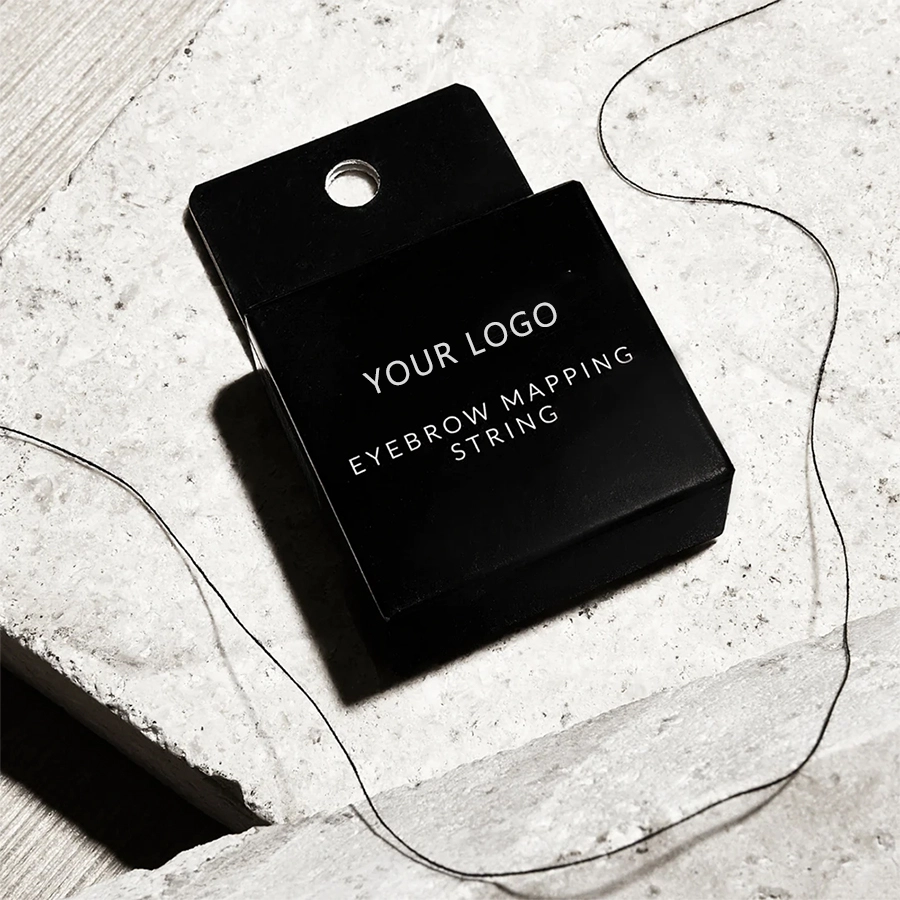
Microblading Pre-inked Mapping String Line 10m
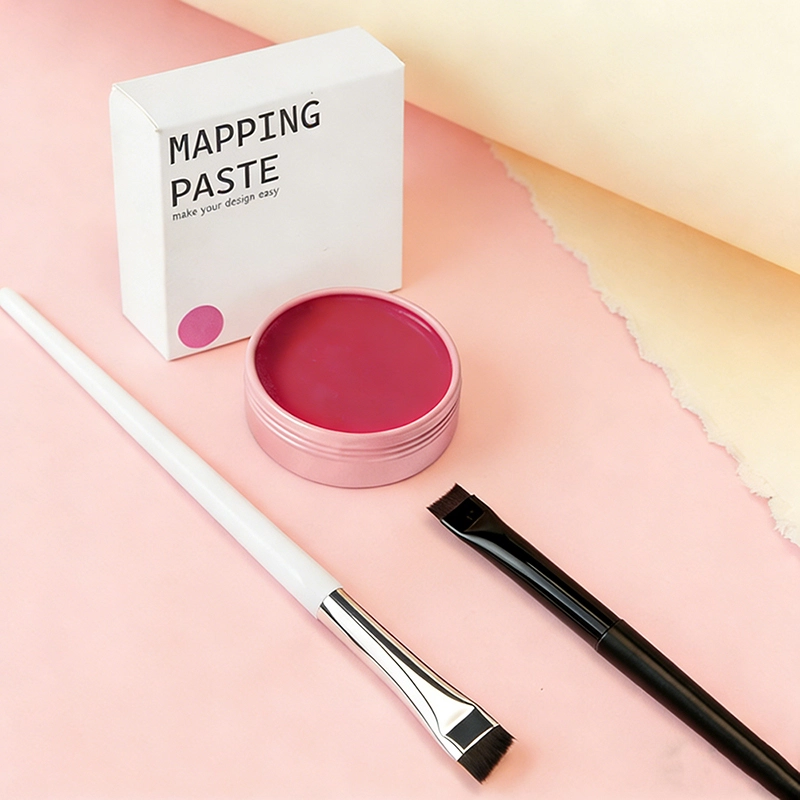
Pre-inked Mapping Ultra-Fine Eyebrows Eyeliner Blade Fan Brush

Instagram
Facebook
YouTube