


The 10 Key Factors in microblading pigments set That Affect Cost
- Introduction: Why the microblading pigments set matters for price and performance
- 1. Raw material quality and pigment source
- 2. Formulation and color stability (fade resistance)
- 3. Particle size, viscosity and ease of application
- 4. Sterilization, safety testing and regulatory compliance
- 5. Packaging, single-use options and shelf life
- 6. Branding, warranties and after-sales support
- 7. R&D capabilities and innovation
- 8. Certification, traceability and documentation for private label or OEM
- 9. Production scale, MOQ and lead times
- 10. Distribution, logistics and import/export costs
- How these factors affect your salon's bottom line
- Comparing product tiers: budget, professional and High Quality
- Choosing the right microblading pigments set for your needs
- Practical checklist when evaluating suppliers
- Table: Summary of the 10 key factors that affect cost
- Why partner with a manufacturer like QM Makeup?
- Conclusion: Invest to reduce long-term costs and risk
- Frequently Asked Questions
Introduction: Why the microblading pigments set matters for price and performance
When salons, training academies, and distributors search for a microblading pigments set, they want a balance of safety, performance, and affordability. The cost of a microblading pigments set doesn't depend on a single factor — it is a combination of raw materials, formulation technology, testing, packaging, and the supplier's business model. This article breaks down the 10 key factors that influence price, so you can evaluate options effectively and choose a product that protects clients and supports your business.
1. Raw material quality and pigment source
The most direct driver of price is the quality and origin of pigments used in a microblading pigments set. High-grade iron oxides and organic pigments with consistent particle size typically cost more than lower-quality alternatives. Pigments sourced from reputable manufacturers with traceable supply chains often include purity certificates and fewer contaminants, which increases cost but improves color stability and reduces adverse reactions.
2. Formulation and color stability (fade resistance)
Formulation expertise affects how a pigment behaves over time. Stable formulations resist oxidation, color shift (e.g., turning blue or red), and excessive fading. Manufacturers invest in formulation science and pigment testing to ensure predictable healing tones — these R&D efforts and quality control add to the price of a microblading pigments set but reduce long-term client complaints and touch-up frequency.
3. Particle size, viscosity and ease of application
Microblading requires pigments with specific viscosity and particle profiles to deposit smoothly in the epidermal layer. Ultra-fine, well-dispersed pigments that maintain consistent viscosity across batches are more expensive to produce but make strokes crisper and healing more reliable. Inferior particle control can cause patchiness, poor hair simulation, and variable healing, increasing indirect costs.
4. Sterilization, safety testing and regulatory compliance
Safety testing (microbial limits, endotoxin testing, heavy metal screening) and compliance (CE, ISO, or region-specific regulations) are essential for products used on clients. Independent lab testing and documentation (e.g., MSDS, Certificates of Analysis) require time and resources — raising the price of a microblading pigments set. Choosing pigments with documented safety reduces legal and clinical risk.
5. Packaging, single-use options and shelf life
Packaging design affects both usability and cost. Single-use vials, airtight bottles, tamper-evident seals, and dark glass or UV-protective containers extend shelf life and reduce contamination risk. High Quality packaging materials and smaller single-dose formats raise production costs but appeal to professional studios prioritizing hygiene and convenience.
6. Branding, warranties and after-sales support
Established brands that invest in professional education, technical support, and warranties typically price their microblading pigments set higher than white-label or unknown suppliers. The added cost can be justified by reliable customer service, technician training materials, and predictable product performance — all of which protect a studio’s reputation and reduce treatment errors.
7. R&D capabilities and innovation
Products developed by companies with in-house research and development (R&D) often include proprietary technologies such as enhanced color retention additives or hypoallergenic formulations. QM Makeup, founded in 2005, has independent R&D and production capabilities across a 10,000 m² facility, allowing for tailored pigment solutions and continuous improvement. Those investments raise manufacturing costs but deliver more consistent outcomes for professionals.
8. Certification, traceability and documentation for private label or OEM
For distributors and private-label partners, the availability of OEM services, MOQ flexibility, and documented certification increases value but can affect unit cost. Suppliers who offer full traceability, private labeling, and regulatory documentation typically charge more because of additional administrative overhead and compliance work required to support different markets.
9. Production scale, MOQ and lead times
Manufacturers with large-scale production can offer lower per-unit prices due to economies of scale, but minimum order quantities (MOQs) and lead times vary. Custom small-batch runs with bespoke shades or packaging cost more per unit. If you need a small quantity of a specialty microblading pigments set, expect a price High Quality compared with large wholesale orders.
10. Distribution, logistics and import/export costs
Shipping, duties, and distribution markups influence the final cost for buyers in different regions. Air freight, expedited shipping, or cold-chain logistics (if required) add to landing costs. Working with a supplier that handles international compliance and efficient logistics can reduce unexpected charges — but those services are often reflected in the product price.
How these factors affect your salon's bottom line
Choosing a cheap microblading pigments set may seem like short-term savings, but inferior pigments can increase long-term costs through more touch-ups, client dissatisfaction, and potential legal issues. Investing in better pigments and a reliable supplier often reduces overall operational risk and can improve client retention and referral rates.
Comparing product tiers: budget, professional and High Quality
Understanding product tiers helps match purchasing decisions to business strategy. Budget microblading pigments set options prioritize cost savings and are often suitable for beginners practicing on synthetic skin. Professional-tier pigments balance performance and price for busy studios, while High Quality pigments focus on advanced formulations, certification, and long-term color stability for high-end salons and training academies.
Choosing the right microblading pigments set for your needs
Assess your priorities: hygiene and single-use packaging? Choose better-sealed, smaller-dose sets. Do you need shade customization or private labeling? Look for suppliers with OEM/R&D capabilities such as QM Makeup. Training academies should prioritize safety documentation and consistent color behavior to teach dependable techniques. Buyers should also request samples, Certificates of Analysis, and batch traceability before committing to large orders.
Practical checklist when evaluating suppliers
When sourcing a microblading pigments set, verify the following: documented ingredient lists, third-party safety testing, visible R&D capabilities, available training/support, packaging options, MOQs, and honest lead times. Additionally, check client reviews and ask for sample healing photos from actual use (not just marketing images) to validate performance.
Table: Summary of the 10 key factors that affect cost
| Factor | How it affects cost | Buyer takeaway |
|---|---|---|
| Raw material quality | Higher-quality pigments cost more but yield better color and fewer reactions | Pay more for traceable, pure pigments |
| Formulation & color stability | R&D and testing increase price; stable formulas reduce long-term touch-ups | Prioritize fade-resistant formulations |
| Particle size & viscosity | Finer control costs more; affects stroke quality and healing | Choose consistent viscosity for predictable results |
| Safety testing & compliance | Lab tests and certifications raise cost but lower risk | Require test certificates before purchase |
| Packaging & shelf life | Single-use and protective packaging cost more but improve hygiene | Invest in hygienic packaging for client safety |
| Brand & after-sales support | Established brands charge High Qualitys for training and support | Value support when scaling a business |
| R&D & innovation | In-house innovation increases price but improves performance | Choose R&D-backed pigments for consistency |
| Certification & private label/OEM | Custom labeling and documentation add cost | Factor certification costs into private-label plans |
| Production scale & MOQ | Small batches cost more per unit; large MOQs lower unit cost | Balance MOQ with storage and cash flow |
| Distribution & logistics | Shipping, duties, and warehousing add to final price | Negotiate logistics or choose suppliers with global distribution |
Why partner with a manufacturer like QM Makeup?
QM Makeup was established in 2005 and specializes in semi-permanent makeup and eyelash tattoo beauty. With a 10,000 m² production base and integrated R&D, QM Makeup offers a wide range of products including wireless tattoo machines, microblading machines, semi-permanent makeup ink, tattoo skin for practice, tattoo numbing creams, and professional lash lift kits. Their ability to support distribution, wholesale, private labeling, and OEM processing makes them a practical partner for businesses that need customization, regulatory documentation, and consistent supply. These capabilities influence pricing but also reduce procurement complexity and business risk.
Conclusion: Invest to reduce long-term costs and risk
Understanding the 10 key factors in a microblading pigments set helps you evaluate price beyond sticker cost. Higher upfront costs for quality pigments, proven formulations, robust safety testing, and supportive packaging often reduce long-term expenses by minimizing touch-ups, protecting client safety, and improving treatment outcomes. Whether you run a boutique salon, a busy studio, or a training academy, prioritize suppliers that deliver documentation, training, and consistent product performance to maximize the return on your investment.
Frequently Asked Questions
Q: How do I verify that a microblading pigments set is safe?A: Request Certificates of Analysis, MSDS, microbial and heavy metal test reports, and proof of third-party lab testing. Confirm that the supplier follows good manufacturing practices and provides batch traceability.
Q: Are High Quality pigments always worth the extra cost?A: Not always — evaluate based on clinic volume, client expectations, and touch-up rates. For high-end salons and training centers, High Quality pigments often pay off through better outcomes and fewer complaints.
Q: What packaging should I prioritize for hygiene?A: Single-use vials, tamper-evident seals, and dark or UV-protective bottles reduce contamination and extend shelf life. Consider format that suits your daily usage to avoid waste.
Q: How many shades are necessary in a pigments set?A: A practical starter set often includes 4–8 base shades that can be mixed to match client tones. Advanced studios or private-label customers may request a broader palette or custom formulations.
Q: Can I use the same microblading pigments set worldwide?A: Possibly, but check regional regulatory requirements. Some regions require specific certifications. Suppliers with international compliance support and documentation make cross-border sales simpler.
Q: How does batch variation affect results?A: Batch-to-batch consistency is crucial. Good manufacturers maintain strict QC to minimize variation. Always request batch sample or COA when ordering significant quantities.
Q: Should beginners start with budget pigments?A: For practicing on synthetic skin and learning basic strokes, budget pigments can be acceptable. For client work, prioritize professional-grade pigments with safety documentation.
Q: How often do pigments need to be replaced after opening?A: Follow the supplier’s shelf-life guidance and storage instructions. Single-use vials eliminate the risk of contamination, while multi-use bottles often carry a limited-use period once opened.
Q: What is OEM/private label and how does it affect price?A: OEM/private label means customizing pigments, packaging, or branding under your label. Customization requires additional R&D, testing, and MOQ, which typically increases unit cost but supports brand growth.
Q: How can I test pigment color on clients safely?A: Start with a patch test for sensitivity. Use conservative color choices and document healing progress. Work with a reputable supplier who provides sample kits and technical guidance.
What is microblading ?
The B2B Buyer’s Guide to Tattoo Aftercare Products
Best Practices for Using a Microblading Eyebrow Pen Safely
Tips for buy eyelash tint
Logistics
If I have a freight forwarder in China, can you deliver to them?
Yes, we are located in Guangzhou, China. You can provide us with the freight forwarder's address and we will calculate the freight after checking. If your freight forwarder informs that relevant fees are required for delivery, we will calculate and charge you the relevant fees (such as warehousing fees, weighing fees, unloading fees, etc.).
Super Essence
Which is better, numbing cream or numbing essence?
In terms of penetration speed, numbing essence penetrates the skin faster than numbing cream and takes effect faster, but it has higher requirements for the operator and needs to avoid the numbing liquid from flowing into the eyes. For new beginners and eyeliner tattoo treatment, we recommend using numbing cream.
Powder Pigment
What is the color retention rate and color retention time of the pigment?
QM pigments have a higher retention rate than most other tattoo ink brands on the market. With nearly 20 years of microblading pigment permanent makeup formulation experience, the color retention rate of the pigment can be as high as 99%, and the color retention time is generally 3-5 years.
Eyelash Perming Glue Balm
Will it irritate the skin?
It's good for sensitive skin, avoid any lotion getting into eyes or eyeballs, then you could avoid irritation.
Lash lift kit
Does the perming lotion contain the ingredient “Cysteamine” ?
Yes, some formulas contain the ingredient “Cysteamine”, then some contain the ingredient “Thioglycolic acid”. The active ingredient of the perming lotion is a reducing agent, which acts to break the disulfide bonds in the eyelash. Commonly used reducing agents are Thioglycolic acid and Cysteamine. Compare to Cysteamine, Thioglycolic acid has a strong reducing power.

Professional Pre Inked Eye Brow Mapping String 30m
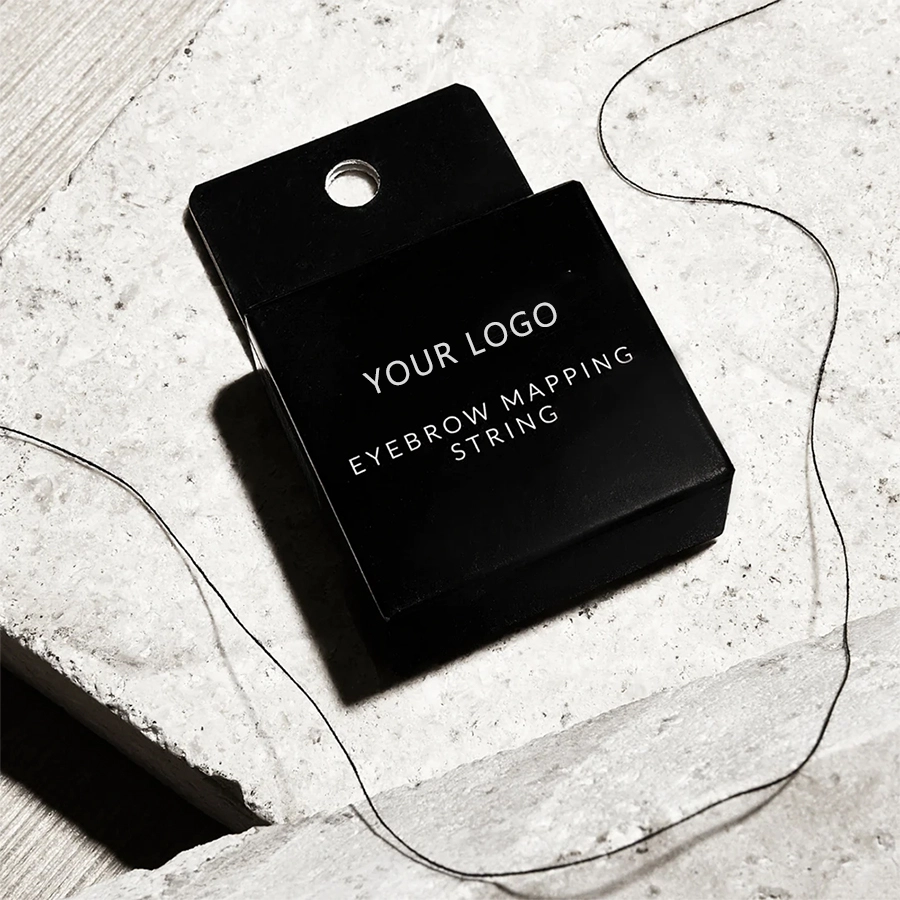
Microblading Pre-inked Mapping String Line 10m
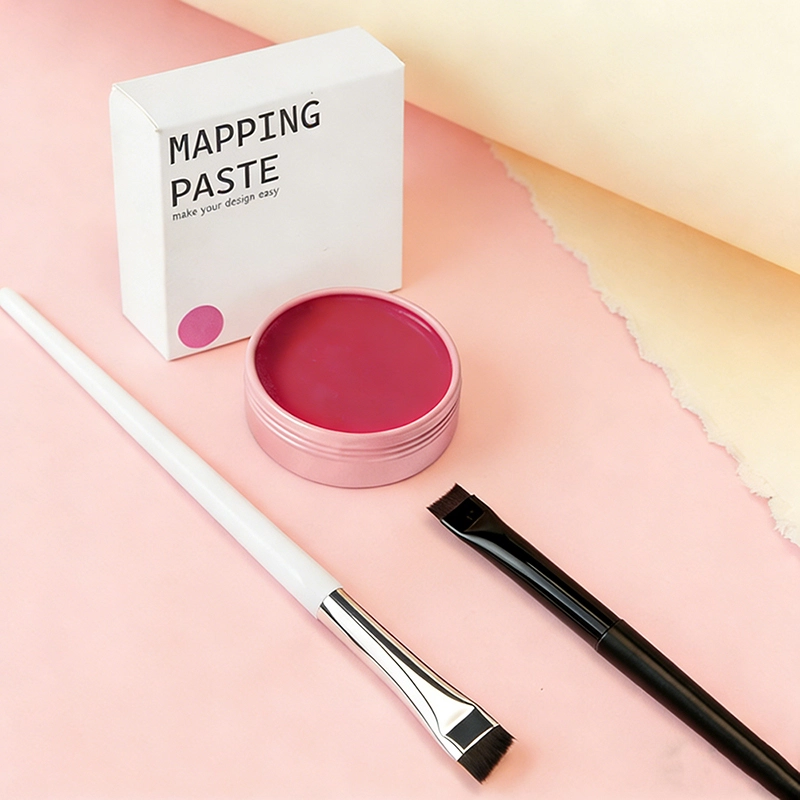
Pre-inked Mapping Ultra-Fine Eyebrows Eyeliner Blade Fan Brush

Instagram
Facebook
YouTube