


How Angled Pen Design Improves Microblading Precision
- Design Principles Behind Angled Microblading Tools
- Blade-to-skin contact: why angle matters
- Ergonomics and tactile feedback for artists
- Compatibility with different techniques
- How Angled Disposable Microblading Pen for Eyebrows Enhances Precision
- Sharp, clean strokes and depth control
- Hygiene and single-use safety
- Consistency across artists and sessions
- Clinical and Practical Benefits for Artists and Clients
- Reduced trauma and faster healing
- Improved pigment retention and color outcomes
- Business advantages: speed, client satisfaction, and wholesale supply
- Best Practices and Training for Using Angled Pens
- Technique adjustments from traditional microblading
- Integrating microblading with a machine: settings and safety
- Sterility, disposal, and regulatory compliance
- Evidence and Standards Supporting Safe Practice
- Professional guidance and consensus
- Regulatory and ISO considerations
- Research on outcomes and safety
- FAQ — Frequently Asked Questions
- 1. What is the main advantage of an angled pen versus a straight pen?
- 2. Can I use QM Makeup’s Angled Disposable Microblading Pen for Eyebrows with a microblading machine?
- 3. Are disposable angled pens safer than reusable handles?
- 4. How should I dispose of used angled microblading pens?
- 5. Do angled pens reduce healing time?
- Contact and Purchase

Angled pen geometry significantly improves control, stroke consistency, and hygiene in eyebrow microblading. For artists using a variety of systems, including microblading with a machine, an angled disposable tool changes blade-to-skin contact, reduces the need for forceful hand pressure, and helps deliver repeatable hair strokes with minimal trauma. Below we review the science behind the angle, compare tool types, summarize regulatory and safety considerations, and show how QM Makeup’s Angled Disposable Microblading Pen for Eyebrows delivers measurable benefits in professional settings.
Design Principles Behind Angled Microblading Tools
Blade-to-skin contact: why angle matters
Microblading is essentially a controlled incision technique that deposits pigment beneath the epidermis in fine hair-like strokes. The angle of the pen affects the blade’s contact plane with the skin: a shallow approach may skip or drag, while a steep approach can plunge too deep, causing scarring or ink blowout. Angled pens position the blade so the artist maintains an optimal, stable contact angle through the full arc of a stroke. That predictable contact reduces variability in stroke depth and pigment uptake, which is especially important for achieving natural-looking eyebrows across different skin types.
Ergonomics and tactile feedback for artists
An angled grip allows the wrist and forearm to work in more natural alignments, reducing micro-adjustments and hand fatigue during long sessions. This improves fine motor control and tactile feedback—artists can sense resistance changes when the blade meets different skin textures. Whether performing traditional manual microblading or when integrating microblading with a machine, ergonomic pen design helps sustain consistent stroke speed and pressure, which are crucial for even pigment distribution and repeatable results.
Compatibility with different techniques
Angled pens are versatile: they optimize hand-tool microblading and adapt well to hybrid techniques where artists alternate between manual blades and motorized devices. When artists perform microblading with a machine (for example, using a machine set to emulate manual strokes), an angled disposable pen can stabilize hand positioning and maintain consistent blade orientation relative to the skin surface, making the transition between methods smoother and safer.
How Angled Disposable Microblading Pen for Eyebrows Enhances Precision
Sharp, clean strokes and depth control
QM Makeup’s Angled Disposable Microblading Pen for Eyebrows is engineered to hold microblade cartridges at an optimized angle that promotes precise depth control and crisp incisions. The angled head reduces blade wobble and lateral drift, enabling sharper, cleaner strokes with less pressure. For artists, this results in hair strokes that appear more natural and uniform in width and pigment density—key criteria clients evaluate post-treatment.
Hygiene and single-use safety
Disposable tools eliminate cross-contamination risks associated with reusable handles and poorly maintained blades. Single-use angled pens reduce handling steps and simplify infection-control workflows in compliance with best practice guidelines. Regulatory bodies emphasize sterilization and single-use devices for cosmetic procedures; for example, the U.S. Food & Drug Administration (FDA) provides guidance on safety considerations for tattooing and permanent makeup procedures. Using a pre-assembled, sterile, angled disposable pen helps clinics meet those standards while improving treatment throughput.
Consistency across artists and sessions
Because the pen fixes blade orientation and spacing, it reduces operator-dependent variability. This is particularly valuable for multi-artist clinics or franchise operations where brand-standardized results are required. The disposable nature of QM Makeup’s pen also ensures the same starting geometry every session, which supports predictable healing responses and touch-up planning.
Clinical and Practical Benefits for Artists and Clients
Reduced trauma and faster healing
Precision reduces the need to overwork the skin. Less tissue trauma means diminished swelling, faster crust formation and shedding, and generally faster color stabilization. Clinical literature and professional guidelines note that minimizing repeated passes reduces complications; this aligns with infection-control and patient-safety principles advocated by professional organizations like the Society of Permanent Cosmetic Professionals (SPCP).
Improved pigment retention and color outcomes
Uniform stroke depth and consistent pigment placement lead to better pigment retention and more predictable color outcomes after healing. Artists who compare outcomes across tools commonly find that angled pens reduce early pigment migration and patchiness, translating to fewer correction sessions.
Business advantages: speed, client satisfaction, and wholesale supply
Angled disposable pens streamline setup and breakdown, improving chair time efficiency. QM Makeup’s Angled Disposable Microblading Pen for Eyebrows is available for wholesale, enabling clinics to maintain consistent inventory and cost predictability. Repeatable high-quality outcomes contribute to client satisfaction, positive reviews, and increased referrals—important factors in growing a semi-permanent makeup practice.
| Feature | Angled Disposable Pen | Straight Disposable Pen | Reusable Handle + Replaceable Blades |
|---|---|---|---|
| Stroke precision | High — optimized blade orientation | Moderate — requires more hand adjustment | Variable — depends on maintenance |
| Hygiene | High — single-use, sterile | High — single-use, sterile | Lower — requires strict sterilization |
| Cost per session | Moderate — wholesale saving possible | Moderate | Lower per tool but higher sterilization costs |
| Compatibility with microblading with a machine | Good — stabilizes hand position | Fair | Varies |
Best Practices and Training for Using Angled Pens
Technique adjustments from traditional microblading
Even experienced artists should practice with angled pens before offering services to clients. Slight alterations in wrist rotation and hand trajectory are often required. Instructors recommend practicing on synthetic skin and gradually adjusting needle depth until stroke width and pigment uptake match the artist’s established standards. Training resources and competency frameworks from recognized organizations help set safe practice standards; see SPCP and other professional training guidelines for course recommendations.
Integrating microblading with a machine: settings and safety
When performing microblading with a machine, select settings that replicate manual stroke speed and minimal lateral vibration. The angled pen helps maintain consistent blade orientation even when the machine introduces micro-oscillations. Always perform test strokes on practice skin and calibrate depth and speed before client work. Adhering to infection control standards and device instructions is essential; for regulatory context refer to the ISO guidance on medical device standards.
Sterility, disposal, and regulatory compliance
Dispose of single-use angled pens in sharps containers and follow local biomedical waste regulations. Professional and public health agencies recommend single-use devices for invasive cosmetics to minimize bloodborne pathogen risks; the FDA and other authorities provide oversight and patient-safety resources. Using pre-sterilized, disposable pens from reputable suppliers simplifies compliance and reduces administrative burden.
Evidence and Standards Supporting Safe Practice
Professional guidance and consensus
Industry associations publish position statements and training requirements that emphasize hygiene, device maintenance, and practitioner certification. For trusted background on the technique and associated safety considerations, see the Microblading entry on Wikipedia for an overview and follow up with professional association resources like the SPCP for practice standards.
Regulatory and ISO considerations
Devices that contact skin or blood may fall under regulatory frameworks in various countries. Familiarize yourself with relevant national authorities (e.g., the FDA) and international standards (e.g., ISO medical device standards) to ensure product selection, labeling, and clinic protocols align with requirements.
Research on outcomes and safety
Peer-reviewed studies emphasize controlled technique, sterile practice, and proper aftercare to minimize adverse events. While research specific to angled pen geometry is emergent, clinical outcomes reported by practitioners point to reduced tissue trauma and improved stroke consistency when optimal tool geometry is used.
FAQ — Frequently Asked Questions
1. What is the main advantage of an angled pen versus a straight pen?
Angled pens stabilize blade orientation relative to the skin, improving stroke precision and reducing lateral drift. This results in cleaner strokes, better depth control, and more consistent pigment retention.
2. Can I use QM Makeup’s Angled Disposable Microblading Pen for Eyebrows with a microblading machine?
Yes. The angled design helps stabilize hand position and maintain blade contact while performing microblading with a machine. Always test and calibrate machine settings to approximate manual stroke depth and speed before client application.
3. Are disposable angled pens safer than reusable handles?
Disposable pens remove the need for reprocessing and sterilization of handles between clients, significantly reducing cross-contamination risk when used and disposed of correctly. They are often preferred for infection control and clinic workflow efficiency.
4. How should I dispose of used angled microblading pens?
Dispose of used pens in an approved sharps container and follow local biomedical waste disposal regulations. Do not discard used devices in general waste.
5. Do angled pens reduce healing time?
Indirectly. By promoting cleaner strokes and reducing repeated passes, angled pens can reduce tissue trauma, which often correlates with faster and less complicated healing.
Contact and Purchase
If you want to improve precision, hygiene, and consistency in your eyebrow services, consider QM Makeup’s Angled Disposable Microblading Pen for Eyebrows. Available wholesale for clinics and training academies, it’s optimized for sharp, clean strokes and streamlined infection control.
To order or request a sample, contact QM Makeup customer service at [email protected] or visit the product page to view wholesale options and technical specifications.
References: SPCP guidance and professional resources (SPCP), FDA information on tattoos and permanent makeup (FDA), Wikipedia overview of microblading (Wikipedia), and ISO medical device standards information (ISO).
Top 5 custom ink tattoo Company List and Products Compared
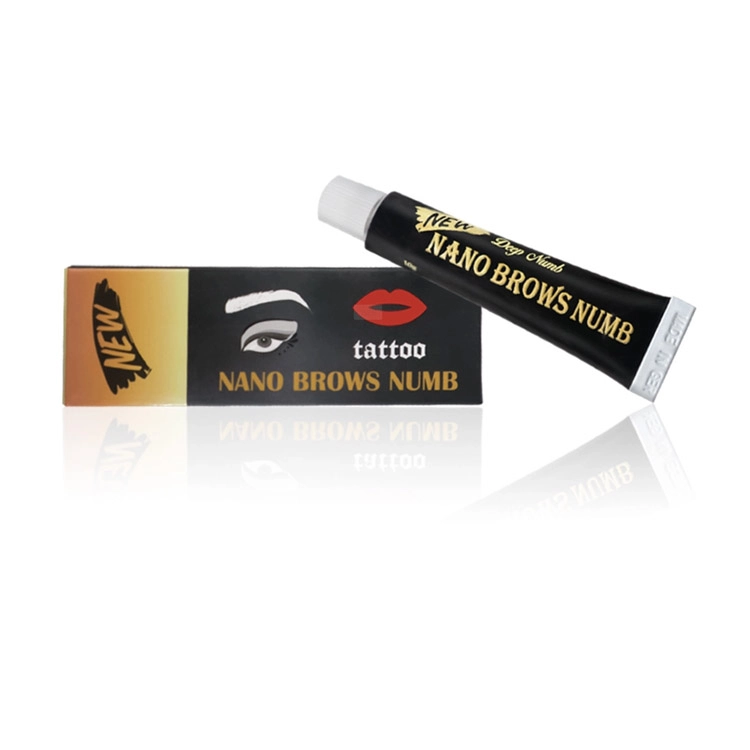
Tattoo Numbing Cream for Lip Blush: Safe Application Guide
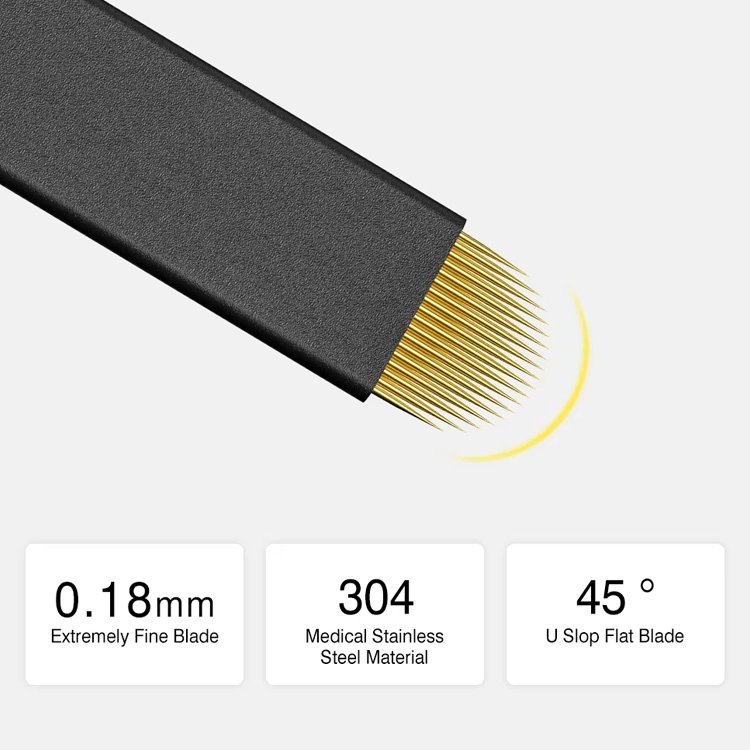
U-Curved Microblading Needle Blade: Buyer's Guide for Salons
Aftercare for Tattoo FAQs Buyers Ask Before Ordering
Lash lift kit
Does the neutralizer contain the ingredient “Sodium Bromate” ?
Yes. The active ingredient of the neutralizer is an oxidant agent, which reconnects the disulfide bonds in the eyelashes that were broken by the perming lotion. Commonly used oxidants are sodium bromate and hydrogen peroxide. Sodium bromate works best at a neutral pH value, and can achieve a firm, elastic styling effect.
Tattoo pigment
Will the pigments turn red, orange, blue, or purple when deposited into the skin?
They won't. Because we use high-quality ingredients and focus on color balance, lightfastness, and pigment concentration, our shades only lighten slightly as they heal. They will never change color.
Handmade pen
What size of microblading pen should I choose?
Currently, the more popular thicknesses are 0.16mm and 0.18mm; the popular sizes are 16U, 18U, and 18P. How to choose a microblading brow tools that suits you can refer to the advice on choosing a best microblading blade to use, which depends largely on several factors, including the type of eyebrow tattoo, the degree of detail required, and personal tattooing skills. Here are some basic guidelines:
Type of eyebrow tattoo: Detail and line tattoo: Finer lines and details can usually be achieved with finer needles (such as 0.16mm or 0.18mm).
Filling and shading: Slightly thicker needles (such as 0.20mm or 0.25mm) may be required to achieve better color coverage and shading effects on the skin.
Personal tattooing technique: Novice tattoo artists may tend to use thicker needles to minimize the operation time on the skin, while experienced tattoo artists have the flexibility to choose needles of different thicknesses to achieve more diverse effects.
Skin type: The texture and thickness of different skin will also affect the choice of needles. Thicker skin may require slightly thicker needles to ensure color and lines penetrate effectively.
Hair Condition: The thickness of your client’s natural hair is also an important factor in choosing needle thickness. Thicker hair requires slightly thicker needles to ensure lines are consistent with the natural hair.
Cleaning Foam Tool
Is your eyelash extension care products safe?
Yes, very safe. Safety is the first element in developing our products, our Eyelash Shampoo Cleanser has a rich foam and is waterless, so it prevents water from getting into the eyes. The ingredients are safe, friendly to sensitive eyes and are anti-allergenic. It can also be used on sensitive skin.
Customized service
What customization services do you offer?
We can accommodate various customization such as personalized products, custom formulas, custom designs, custom packaging, private labeling etc.

Professional Pre Inked Eye Brow Mapping String 30m
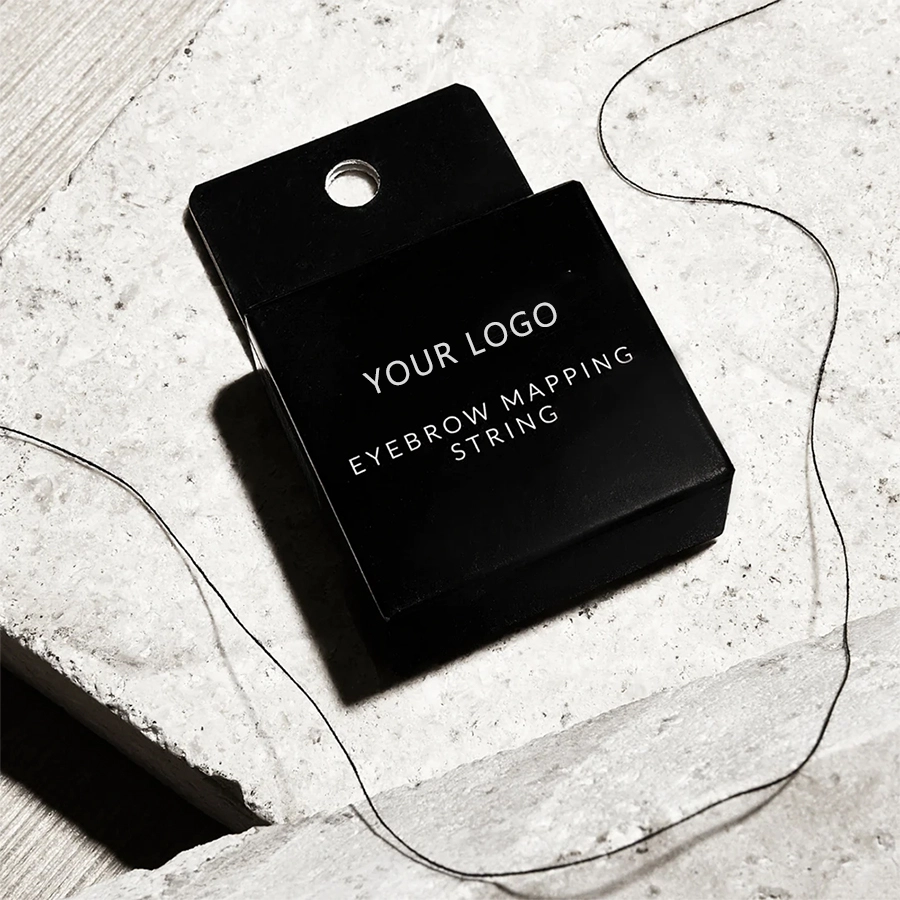
Microblading Pre-inked Mapping String Line 10m
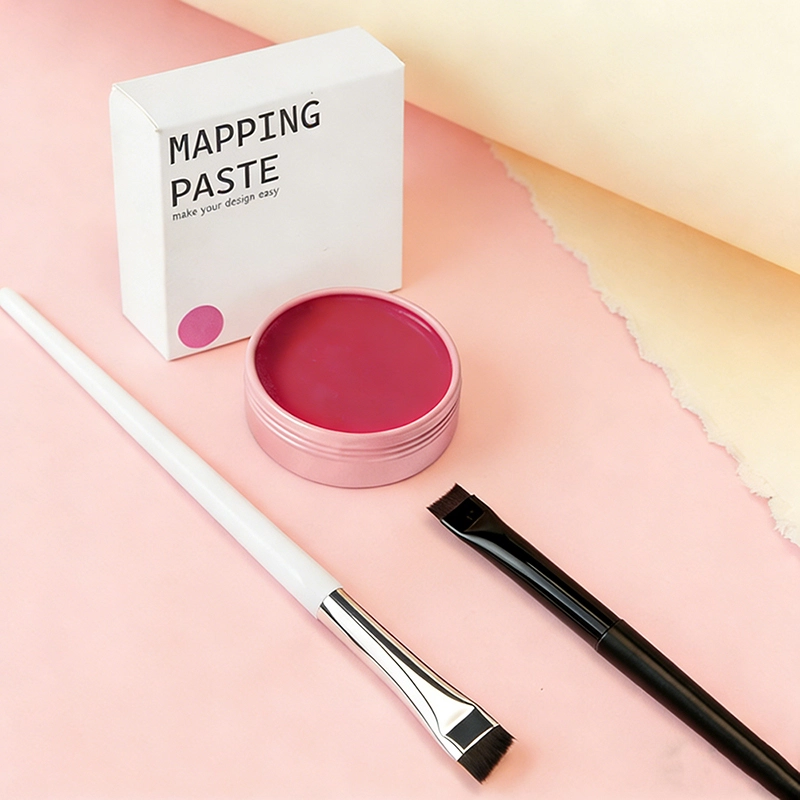
Pre-inked Mapping Ultra-Fine Eyebrows Eyeliner Blade Fan Brush

Instagram
Facebook
YouTube