


50g Body Tattoo Butter Balm: First-Time User Guide
- Why Proper Tattoo Aftercare Matters
- How aftercare affects healing and pigment
- Risks of poor aftercare
- When to consult a professional
- Using 50g Body Tattoo Butter Balm: Step-by-Step
- Initial care—first 24–72 hours
- Ongoing care—days 3–14
- Long-term maintenance—after 2 weeks
- Ingredients, Safety, and What to Look For
- Key components that support healing
- Allergies and patch testing
- Natural vs. synthetic: myths and facts
- Comparing Aftercare Options: Ointments, Balms, and Creams
- How balms differ from ointments and creams
- When to switch products
- Cost-effectiveness and wholesale options
- Troubleshooting: Itching, Scabbing, and Discoloration
- Managing excessive itching
- Dealing with scabs and peeling
- Recognizing infection and allergic reactions
- Practical Tips for Best Results
- Sun protection and long-term color care
- Lifestyle considerations
- When to see your tattoo artist for touch-ups
- Frequently Asked Questions (FAQ)
- Q: How often should I apply 50g Body Tattoo Butter Balm?
- Q: Can I use the balm on fresh and old tattoos?
- Q: Is this product suitable for sensitive skin?
- Q: How does 50g Body Tattoo Butter Balm compare to petroleum-based ointments?
- Q: Where can I purchase or buy wholesale Tattoo Butter Balm?
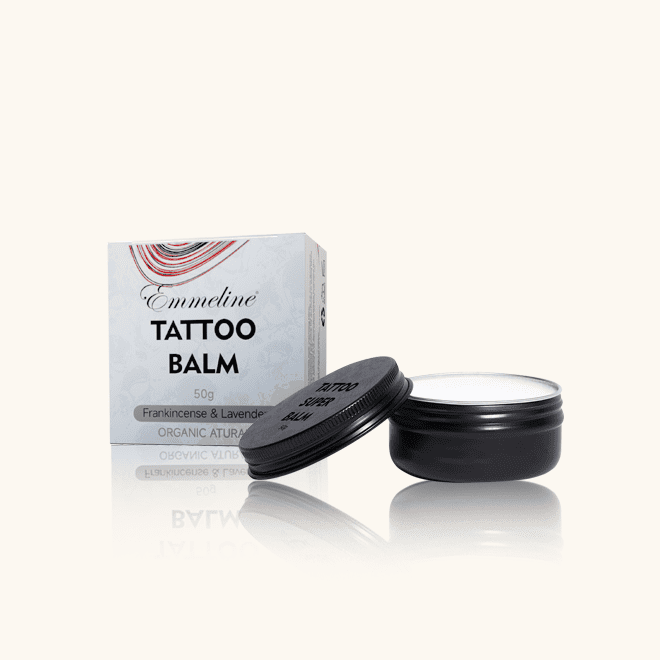
QM Makeup’s 50g Body Tattoo Butter Balm provides a concentrated, easy-to-use cream for tattoos aftercare, engineered to soothe and protect both new and mature tattoos. Designed for daily tattoo care and available for Tattoo Butter Balm wholesale, it deeply nourishes the skin to support vibrant, long-lasting ink while minimizing common aftercare problems like dryness and scabbing. This guide covers evidence-backed aftercare practices, product usage steps, comparisons with other aftercare types, and answers to frequently asked questions to help first-time users achieve the best possible healing and color retention.
Why Proper Tattoo Aftercare Matters
How aftercare affects healing and pigment
Healing is the most critical period for tattoo longevity. Proper aftercare minimizes complications (infection, excessive scabbing, keloids) and helps pigments settle evenly. Using an appropriate cream for tattoos aftercare reduces moisture loss, supports the skin barrier and prevents the thick, hard scab formation that can pull pigment out of the dermis. Clinical and dermatology sources emphasize the importance of keeping the area clean and adequately moisturized during the initial 2–4 weeks after tattooing (American Academy of Dermatology).
Risks of poor aftercare
Neglecting aftercare can lead to infections or suboptimal color retention. The FDA provides guidance on susceptibility to infections and reactions from inks and poor care (FDA – Tattoos and Permanent Makeup). Symptoms to watch for are increasing redness, warmth, swelling, pus, or systemic symptoms (fever). If any of these occur, seek medical attention promptly.
When to consult a professional
If you have a history of keloids, eczema, or sensitive skin, consult your tattoo artist or a dermatologist before starting aftercare. For evidence-based perspectives on public health concerns of tattooing and piercing, review clinical literature such as PubMed summaries (Tattooing and body piercing review).
Using 50g Body Tattoo Butter Balm: Step-by-Step
Initial care—first 24–72 hours
Most artists follow a standard protocol immediately after tattooing: the tattoo is cleaned, a light layer of protective ointment is applied, and the area is covered with a breathable bandage for a few hours. Once you remove the initial covering (usually after 2–6 hours, per your artist’s instructions), gently wash the tattoo with lukewarm water and a mild, fragrance-free soap. Pat dry with a clean towel. At this stage, apply a thin layer of 50g Body Tattoo Butter Balm—enough to moisturize but not so thick that the skin is suffocated. This cream for tattoos aftercare is formulated to soothe, prevent excessive scabbing and maintain a healthy moisture balance during the crucial early phase.
Ongoing care—days 3–14
During the next 1–2 weeks, the tattoo will begin to flake and peel. Continue to cleanse gently 1–2 times daily and apply 50g Body Tattoo Butter Balm in thin layers as needed to keep the skin hydrated. Avoid over-application; a glossy, overly oily surface can trap bacteria and impede normal airflow. Typical frequency: 2–4 applications per day depending on climate and your skin’s dryness. If you live in a dry or cold climate, you may need slightly more frequent application. The product’s formulation supports barrier repair and reduces itching, a common early symptom.
Long-term maintenance—after 2 weeks
Once skin is mostly healed (usually by week 2–4), reduce application to daily or every-other-day maintenance to keep colors vibrant and the skin supple. 50g Body Tattoo Butter Balm is also suitable as a regular skin care cream for tattoos, preventing dryness and pigment fade over months and years. Regular moisturizing helps protect the barrier and minimizes UV-related fading when combined with daily sun protection.
Ingredients, Safety, and What to Look For
Key components that support healing
An effective cream for tattoos aftercare contains: emollients (to soften skin), humectants (to attract moisture), barrier-supporting lipids, and soothing botanicals or mild anti-inflammatories. QM Makeup’s 50g Body Tattoo Butter Balm is formulated to deliver these benefits while avoiding harsh fragrances and known irritants. When choosing any balm, prefer products that clearly list ingredients and avoid: fragrances, strong alcohols, and irritant preservatives if you have sensitive skin.
Allergies and patch testing
If you’ve had allergic contact dermatitis in the past, perform a patch test: apply a small amount of the balm to an unaffected area (inner forearm) for 48 hours and observe. If you notice redness, burning, or a rash, discontinue use and consult a dermatologist. For detailed safety regulations and concerns about inks and reactions, review the FDA’s guidance (FDA – Tattoos and Permanent Makeup).
Natural vs. synthetic: myths and facts
Natural does not always equal non-irritant. Some plant oils can cause reactions in sensitive individuals. The best aftercare balances mild, well-tested emollients and humectants with preservatives that limit microbial growth. Always follow the manufacturer’s instructions and your tattoo artist’s specific recommendations.
Comparing Aftercare Options: Ointments, Balms, and Creams
How balms differ from ointments and creams
Understanding differences helps you pick the right product for each healing phase:
| Product Type | Texture & Use | Best for |
|---|---|---|
| Ointments (petroleum-based) | Thick, occlusive; creates strong moisture barrier | Short-term immediate post-tattoo protection (first 24–72 hrs) but not ideal long-term |
| Balms (butters & mixed emollients) | Rich but breathable; combine oils, butters, and humectants | Ideal transition product for days 2–14 and long-term maintenance; example: 50g Body Tattoo Butter Balm |
| Creams (water-based) | Lighter, easily absorbed | Good for routine daily moisturizing once the tattoo is healed |
When to switch products
Many artists recommend starting with an ointment for the first 24–48 hours, then move to a balm (like 50g Body Tattoo Butter Balm) for the bulk of healing, and finally transition to a light cream or daily moisturizer once healed. The balm stage is critical because it provides both nourishment and sufficient breathability to prevent thick scabs while keeping moisture in.
Cost-effectiveness and wholesale options
If you are a tattoo studio or practitioner, buying Tattoo Butter Balm wholesale can lower per-unit costs and ensure consistent quality for aftercare kits. A professional-grade balm can reduce product-related complications and improve client satisfaction and retention.
Troubleshooting: Itching, Scabbing, and Discoloration
Managing excessive itching
Itching is normal during epithelialization (skin regeneration). Avoid scratching—pat gently and apply a thin layer of balm. If itching is intense or accompanied by a rash, consider an antihistamine and consult a healthcare professional.
Dealing with scabs and peeling
Allow scabs to flake naturally. Picking scabs increases risk of pigment loss and scarring. Use 50g Body Tattoo Butter Balm to keep scabs soft and reduce pulling. If scabs become thick or very painful, contact your tattoo artist or a clinician.
Recognizing infection and allergic reactions
Watch for increasing pain, pus, spreading redness, or fever. Allergic reactions may appear as prolonged redness, swelling, or weeping after several days. For medical guidance on complications and reporting, consult authoritative resources like the FDA and your local public health recommendations.
Practical Tips for Best Results
Sun protection and long-term color care
UV exposure causes tattoo fading. After the tattoo is fully healed, use a broad-spectrum sunscreen (SPF 30+) when exposed to sunlight. Combining daily sunscreen with occasional use of 50g Body Tattoo Butter Balm helps preserve vibrancy and skin health.
Lifestyle considerations
Avoid swimming pools, hot tubs, and prolonged soaking for at least 2 weeks. Wear loose clothing over the fresh tattoo to reduce friction. Maintain hydration and a balanced diet to support skin repair.
When to see your tattoo artist for touch-ups
If the healed tattoo shows patchy areas or uneven pigment, wait at least 8–12 weeks before scheduling touch-ups—this allows the skin to fully remodel. Keeping your routine maintenance with a dedicated tattoo aftercare cream for tattoos aftercare like 50g Body Tattoo Butter Balm reduces the chance of significant fading.
Frequently Asked Questions (FAQ)
Q: How often should I apply 50g Body Tattoo Butter Balm?
A: In the first 2 weeks, apply 2–4 times daily as needed to keep the skin hydrated and slightly tacky—not overly greasy. After the tattoo is healed, reduce to daily or every-other-day maintenance.
Q: Can I use the balm on fresh and old tattoos?
A: Yes. 50g Body Tattoo Butter Balm is formulated for both fresh healing and long-term care. For fresh tattoos follow the cleaning and thin-application protocol. For older tattoos, use as a regular moisturizer to maintain color and skin health.
Q: Is this product suitable for sensitive skin?
A: The balm is designed to be gentle and free of strong fragrances, but people with known sensitivities should patch test first. If irritation occurs, discontinue use and consult a dermatologist.
Q: How does 50g Body Tattoo Butter Balm compare to petroleum-based ointments?
A: Petroleum ointments are highly occlusive and useful immediately after tattooing but can trap moisture and bacteria if used long-term. The balm offers a balanced, breathable alternative that nourishes while promoting healthier scab formation and faster epithelialization.
Q: Where can I purchase or buy wholesale Tattoo Butter Balm?
A: QM Makeup offers both retail and wholesale options. Contact QM Makeup customer service via the link below for pricing, bulk orders, and distributor information.
If you have more questions or need personalized guidance, contact QM Makeup customer service or view the product page to purchase or learn about wholesale options.
Helpful references: American Academy of Dermatology (AAD), FDA guidance on tattoos and permanent makeup (FDA), general tattoo information (Wikipedia), and clinical review on tattooing and public health (PubMed).
Contact QM Makeup Customer Service | View 50g Body Tattoo Butter Balm
Eco-Friendly Eyelash Kits: Sustainable Options to Buy
The 10 Key Factors in microblading pigments set That Affect Cost
Wholesale microblading touch-up pigment manufacturer and supplier in 2026
How to Choose Right unique tattoo pigment manufacturer and supplier ?
Tattoo aftercare
How often should I use the microblading repair product for best tattoo aftercare results?
It is recommended to apply the repair twice a day, morning and evening, for 1-2 weeks for best aftercare for tattoo results. Continuous use will help promote healing and extend the life of semi permanent makeup tattoos.
Products
How many applications does the glue balm for lash lift and brow lamination?
About 15-20 applications.
Eyelash Perming Glue Balm
Will it irritate the skin?
It's good for sensitive skin, avoid any lotion getting into eyes or eyeballs, then you could avoid irritation.
Handmade pen
What is the lifespan of a disposable microblading pen?
A best disposable microblading pen is a one-time use tool that should be used immediately after opening and discarded after use. It cannot be recycled.
Eyelash curling
How long does a lash lift last?
The curling effect of eyelash lamination can last for 8-12 weeks, during which time you can carry out water activities normally. Generally, after 12 weeks, the eyelashes will return to their original state, at which time you can arrange for a new eye lash lift treatment.

Professional Pre Inked Eye Brow Mapping String 30m
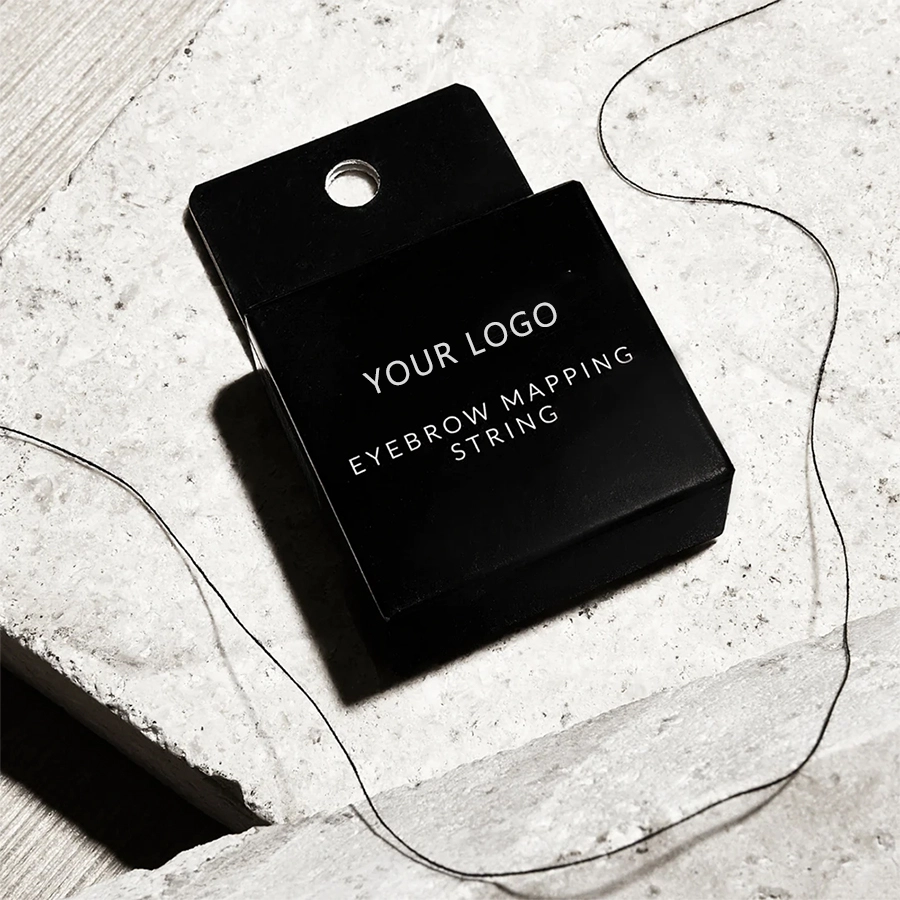
Microblading Pre-inked Mapping String Line 10m
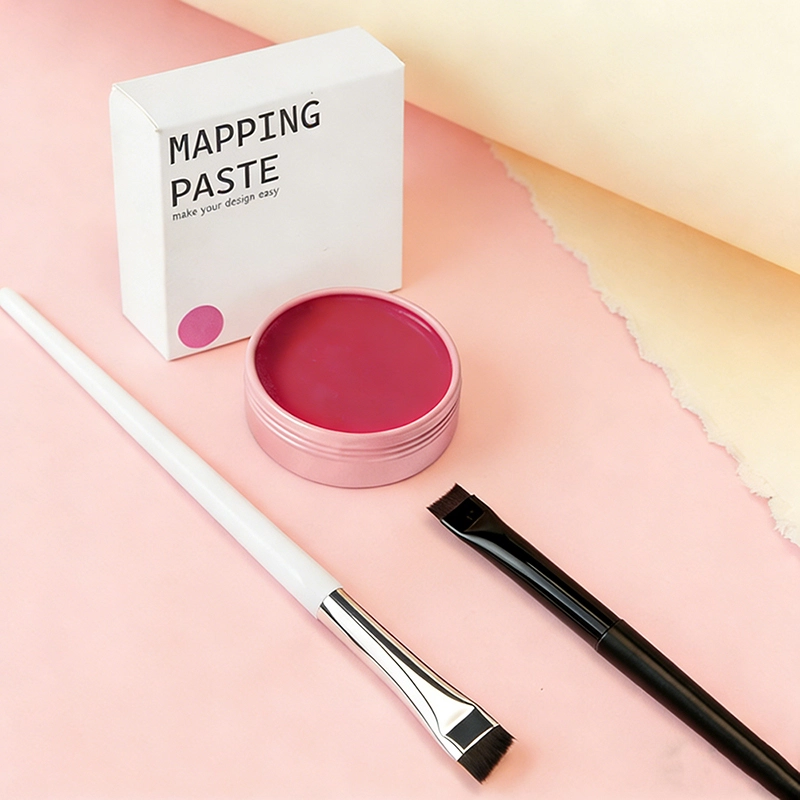
Pre-inked Mapping Ultra-Fine Eyebrows Eyeliner Blade Fan Brush

Instagram
Facebook
YouTube