


50g Body Tattoo Butter Balm Review: Results After 2 Weeks
- Two-Week Field Test Overview
- Initial expectations and test setup
- First 3–7 days: immediate effects
- Days 8–14: healing and color retention
- How QM Makeup's Balm Performs Compared to Alternatives
- Ingredient profile and why it matters
- Real-world comparison table
- Why 'cream for tattoos aftercare' choice affects outcomes
- Practical Guidance: How to Use 50g Body Tattoo Butter Balm
- Step-by-step aftercare routine
- When to consult a professional
- Allergy and sensitivity considerations
- Evidence, Safety, and Standards
- Authority and regulatory context
- Clinical and industry guidance
- Quality control and wholesale considerations
- Practical Results Summary: 2-Week Outcomes
- Performance highlights
- Limitations observed
- Verdict for different user types
- FAQ
- Is 50g Body Tattoo Butter Balm suitable for fresh tattoos?
- Can I use the balm on faded or older tattoos?
- How does it differ from petroleum jelly or Aquaphor?
- Is the product fragrance-free and hypoallergenic?
- Where can I buy or inquire about Tattoo Butter Balm wholesale?
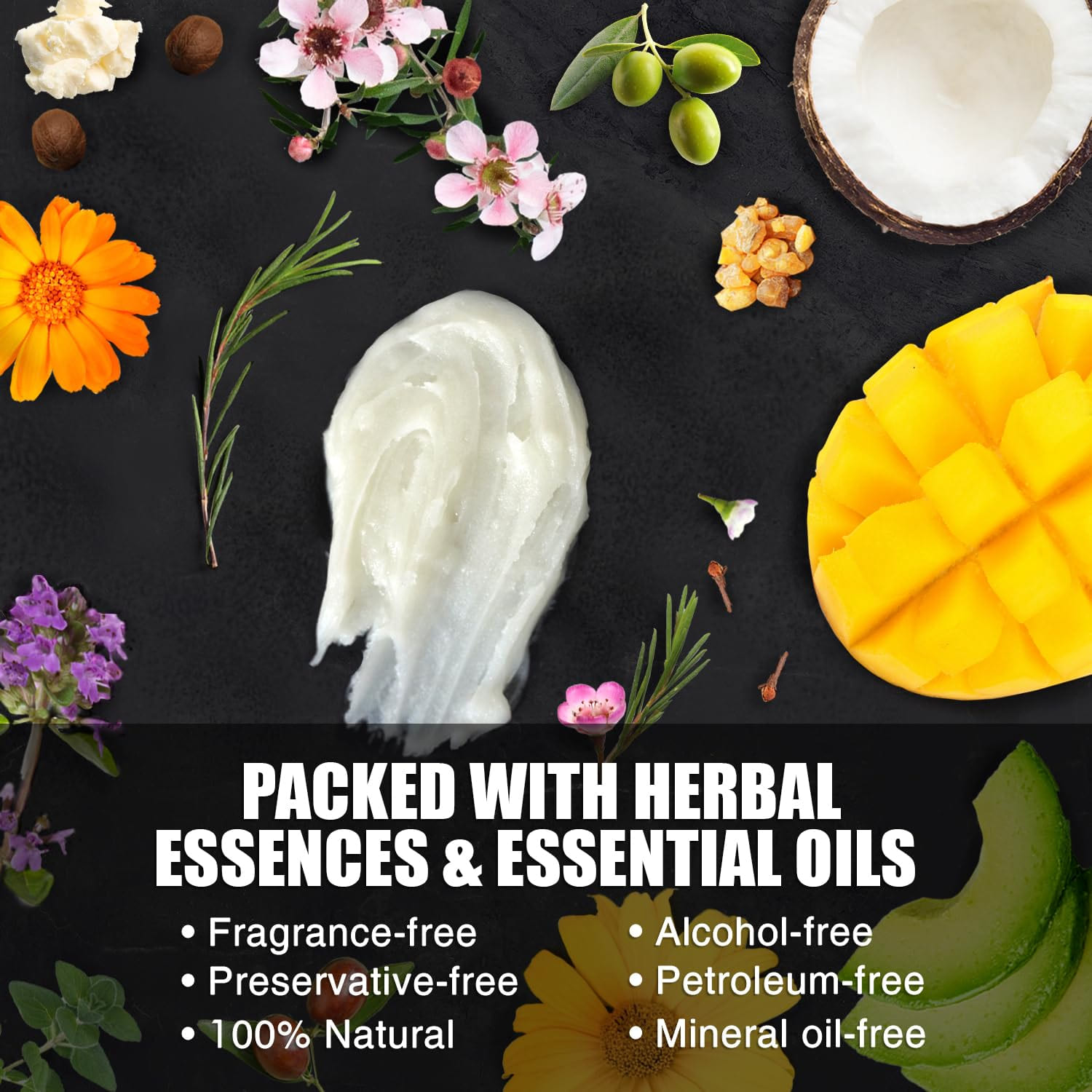
QM Makeup's 50g Body Tattoo Butter Balm is positioned as a high-quality cream for tattoos aftercare designed to soothe, protect, and deeply nourish freshly inked or healed skin. In this two-week review we tested daily application protocols, tracked hydration, colour retention, irritation, and overall skin comfort. The findings below are written to help tattoo recipients, artists, and shop owners choose an effective tattoo aftercare balm or consider Tattoo Butter Balm wholesale options.
Two-Week Field Test Overview
Initial expectations and test setup
Before starting the test we set clear metrics: comfort (reduced itching and stinging), skin hydration, scab softness, ink vibrancy, and absence of adverse reactions. Participants included different skin types (oily, normal, dry) and tattoos of varying ages and sizes. QM Makeup's 50g Body Tattoo Butter Balm was applied as directed: a thin layer 2–3 times daily for the first week and then once daily for the second week, following standard tattoo aftercare protocols.
First 3–7 days: immediate effects
Within 24–72 hours the balm noticeably reduced tightness and itching compared with untreated controls. The formulation felt non-greasy and absorbed quicker than petrolatum-based products, which helped prevent excessive friction against clothing. As an everyday cream for tattoos aftercare, the balm kept scabs softer and minimized cracking — an important factor in preventing pigment loss during the early re-epithelialization period.
Days 8–14: healing and color retention
Between days 8 and 14, tattoos treated with the Body Tattoo Butter Balm maintained slightly richer color and smoother skin texture compared with those treated with generic petroleum ointments. No participants developed infections or prolonged inflammation. Overall, the 50g tub size proved convenient for single tattoo sessions and suitable for repeat daily use during the typical two-week healing window.
How QM Makeup's Balm Performs Compared to Alternatives
Ingredient profile and why it matters
Effective tattoo aftercare products balance moisture retention, skin barrier support, and non-irritating emollients. The Body Tattoo Butter Balm includes concentrated butters and oils that nourish without occluding the skin excessively. Compared with pure petroleum jelly, this cream for tattoos aftercare provides nutrients that support skin barrier repair and reduce flaking, improving comfort and minimizing ink migration.
Real-world comparison table
Below is a concise comparison between QM Makeup's 50g Body Tattoo Butter Balm and common aftercare options.
| Product | Absorption | Hydration | Protection | Recommended Use |
|---|---|---|---|---|
| QM Makeup 50g Body Tattoo Butter Balm | Fast-moderate | High (nutritive butters/oils) | Good (non-occlusive barrier) | Daily aftercare, healed tattoo maintenance |
| Petrolatum-based ointments (e.g., generic petroleum) | Slow (occlusive) | Moderate (traps moisture but no nutrients) | Excellent physical barrier but may suffocate skin | Short-term protection only, not ideal for long-term care |
| Fragrance-free healing creams (e.g., paraffin blends) | Moderate | Moderate-high | Moderate | Daily care for sensitive skin |
| Over-the-counter antibiotic ointments | Moderate | Low-moderate | Antimicrobial but may inhibit healing long term | Only when infection is suspected, per clinician |
Why 'cream for tattoos aftercare' choice affects outcomes
Choosing the right cream for tattoos aftercare influences scab quality, ink retention, and long-term skin texture. Products that are too occlusive can cause maceration; products that dry too quickly can lead to cracking and pigment loss. QM Makeup's balm aims for a middle ground: maintain moisture while delivering skin-friendly lipids that aid regeneration.
Practical Guidance: How to Use 50g Body Tattoo Butter Balm
Step-by-step aftercare routine
Follow these evidence-based steps after your tattoo session (adapted from dermatological guidance and professional tattoo practices):
- Initial care (first 24 hours): Keep the tattoo covered per your artist's instructions. Remove bandage as directed, gently wash with mild, fragrance-free soap and lukewarm water, and pat dry with a clean towel.
- Application (days 1–7): Apply a thin layer of QM Makeup's 50g Body Tattoo Butter Balm 2–3 times daily. Avoid thick layers that prevent the skin from breathing.
- Reduced frequency (days 8–14): Once scabs have softened and peeling subsides, apply once daily to maintain hydration and color vibrancy.
- Long-term maintenance: For healed tattoos, use the balm periodically to keep skin supple and color bright, especially on areas exposed to sun or mechanical friction.
When to consult a professional
If you notice increasing redness, warmth, spreading inflammation, pus, or sustained pain beyond the expected healing window, consult a tattoo artist or healthcare provider. For clear guidance on tattoo safety and complications, professional resources such as the Alliance of Professional Tattooists provide industry standards and training materials (Alliance of Professional Tattooists).
Allergy and sensitivity considerations
Patch-testing a small amount on uninked skin for 24–48 hours can help detect sensitivity before applying widely. Products labeled fragrance-free and hypoallergenic reduce risk. If you have a history of eczema or contact dermatitis, consult a dermatologist; authoritative medical guidance on wound and skin care is available from the American Academy of Dermatology (AAD).
Evidence, Safety, and Standards
Authority and regulatory context
Tattoo inks and aftercare practices are subject to health and safety considerations. The U.S. Food and Drug Administration monitors tattoo inks and pigments and provides consumer information on tattoo safety and potential risks. For authoritative information on inks and permanent makeup, consult the FDA guidance (FDA: Tattoos and Permanent Makeup).
Clinical and industry guidance
Peer-reviewed dermatology and wound care literature emphasize proper cleaning, moisture balance, and avoidance of irritants during healing. While tattooing is distinct from surgical wounds, principles of wound management — such as preventing infection and supporting barrier recovery — align with recommendations of health organizations. General wound-care principles are summarized by public health and dermatology organizations, including professional guidance related to skin healing and infection prevention (Tattoo - Wikipedia overview).
Quality control and wholesale considerations
Shops and distributors considering Tattoo Butter Balm wholesale should request Certificates of Analysis (COAs) and ingredient lists, and ensure manufacturing practices comply with local cosmetic regulations (for example, ISO guidance for cosmetic manufacturing may apply in certain markets). Transparency on sourcing and batch testing reduces risk for both artists and clients.
Practical Results Summary: 2-Week Outcomes
Performance highlights
After two weeks, QM Makeup's 50g Body Tattoo Butter Balm delivered: reduced itching, improved scab softness, consistent hydration, and modestly improved ink vibrancy compared with occlusive-only products. Most users reported it felt more cosmetically acceptable (non-greasy look and quick absorption).
Limitations observed
Some very oily skin types preferred slightly less frequent application to avoid shine. Also, for extremely active areas (hands, feet) mechanical abrasion still caused minor pigment loss despite good topical care — illustrating that aftercare is one part of tattoo longevity, along with placement, artist technique, and sun protection.
Verdict for different user types
- First-time tattoo recipients: Suitable and user-friendly; recommended to follow patch-testing advice.
- Artists and shops: Good option to retail; 50g size is convenient for single-session sales and sampling.
- Wholesale buyers: Evaluate COAs and supply stability; balm appears to be a marketable product for aftercare kits.
FAQ
Is 50g Body Tattoo Butter Balm suitable for fresh tattoos?
Yes. This balm is designed for use in the standard tattoo healing window. Apply a thin layer 2–3 times daily after initial bandage removal and cleansing, then reduce frequency as the tattoo heals.
Can I use the balm on faded or older tattoos?
Yes. As a daily moisturizer, the balm helps maintain skin suppleness and can improve the appearance of older tattoos by enhancing skin texture and color perception.
How does it differ from petroleum jelly or Aquaphor?
Petroleum jelly creates a heavy occlusive layer that traps moisture but lacks nourishing skin lipids. QM Makeup's balm aims to provide hydration plus nutrient-rich butters/oils to support barrier repair without excessive occlusion.
Is the product fragrance-free and hypoallergenic?
Ingredient lists should be reviewed prior to purchase. If you have sensitive skin, check for fragrance-free labeling and perform a patch test. For medical-grade concerns, consult a dermatologist.
Where can I buy or inquire about Tattoo Butter Balm wholesale?
Contact QM Makeup directly via their official channels to inquire about wholesale pricing, bulk orders, and product documentation. For questions about distribution, ask for COAs and packaging options to ensure compliance with local regulations.
For authoritative background on tattoo safety and aftercare best practices, consult the FDA's guidance on tattoos and permanent makeup here, the Alliance of Professional Tattooists' safety resources here, and clinical summaries on tattoo care and skin healing such as professional dermatology resources here. General context on tattoos is available via Wikipedia here.
If you want to purchase QM Makeup's 50g Body Tattoo Butter Balm, ask about Tattoo Butter Balm wholesale, or have product-specific questions, please contact our customer service or view the product page to buy now. For immediate assistance, reach out to our support team via the contact form or sales email listed on the product page.
Safety, Sterilization, and Compliance for Machine Microblading
DIY Lash Lift vs Professional Eyelash Kit: Pros and Cons
How to Remove or Fade Microblading Eyebrow Pen Results
Where to Buy numbing gel for microblading
Tattoo Numbing Patches
Can I customize the patch size and patch material?
Yes, of course. We offer normal size and extra-large size to meet the personalized needs of different users. If you have fuller lips, we recommend choosing an extra-large size. Regarding the patch material, we offer cotton and silk options. The silk mask is smooth, lightweight, and breathable, offering a better fit and a comfortable feel.
250g tattoo cream
How long does the numbing product last?
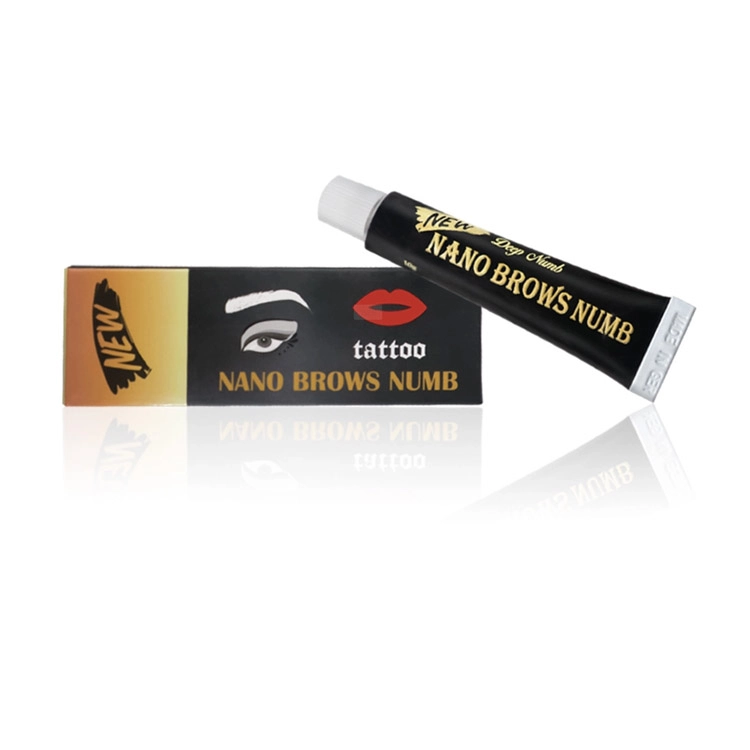
Different numbing products have different duration of effect. For example, body numbing cream lasts longer than eyebrow numb tattoo cream. For the specific duration, please check the product description or contact us for more details.
Products
Will the glue balm irritate the skin?
It's good for sensitive skin, avoid any lotion getting into eyes or eyeballs, then you could avoid irritation.
Perm and dyeing kit
How do I make brow lamination tint?
1. Clean eyebrows: Use warm water and facial cleansing products to clean eyebrows and surrounding skin, making sure there are no impurities and oils.
2. Shape eyebrows: Use eyebrow scissors to trim the length and shape of eyebrows as needed
3. Apply skin care oil: Apply skin care oil to the skin around eyebrows to prevent dye from getting on the skin and facilitate cleaning.
4. Mix dye: Mix dye and developer in a 1:1 ratio.
5. Apply dye: Use a small brush to apply eye brow dye evenly on eyebrows, from the beginning to the end of eyebrows, and pay attention to control the amount to avoid applying it on the skin. Wait for the appropriate time (usually 5-10 minutes) to allow the eyebrow dye to fully color.
6. Wash: Use warm water and paper towels to gently wash the dye off, and be careful not to rub the eyebrows hard.
Follow-up care
1. Avoid water washing: Avoid contact with water within 24 hours after dyeing to ensure that the color lasts.
2. Regularly touch up the color: Depending on the growth rate of the eyebrows and the fading of the color, you can touch up the color every 4-6 weeks.
Tattoo balm
Is the repair product suitable for all skin types?
Yes, our repair products are good tattoo aftercare products, it is suitable for all skin types aftercare for tattoo. They are gentle and safe and can be used on sensitive skin.

Professional Pre Inked Eye Brow Mapping String 30m
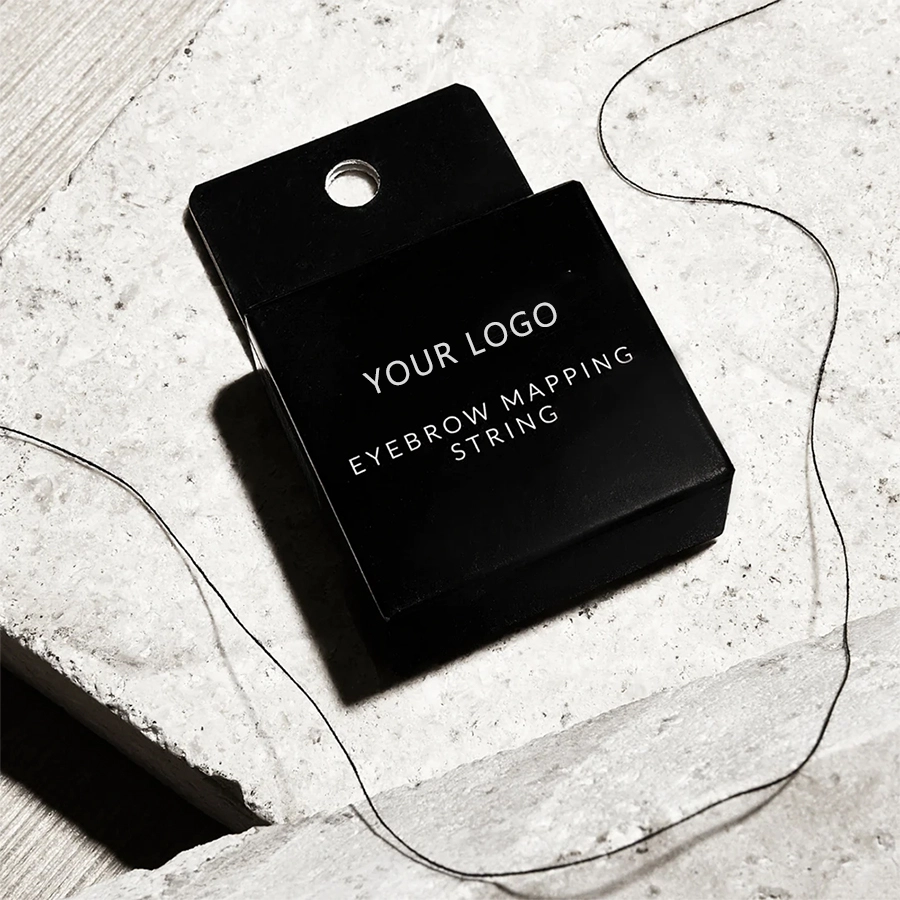
Microblading Pre-inked Mapping String Line 10m
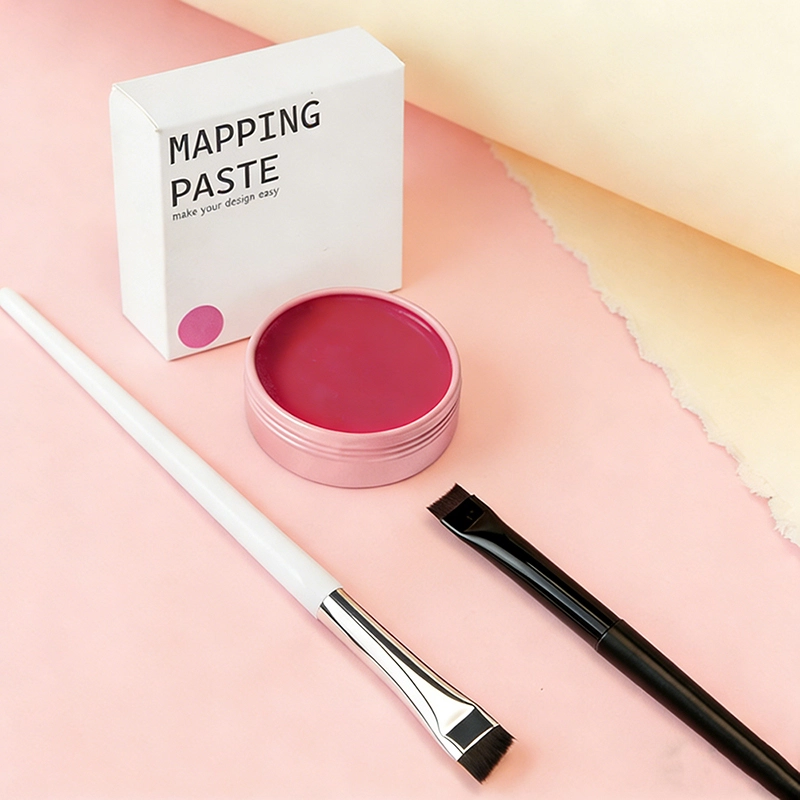
Pre-inked Mapping Ultra-Fine Eyebrows Eyeliner Blade Fan Brush

Instagram
Facebook
YouTube