


Safety, Sterilization, and Compliance for Machine Microblading
- Why Infection Control Is Non-Negotiable
- Understanding the risks in machine microblading
- Routes of contamination and common failure points
- Standards and authority references
- Essential Sterilization and Equipment Protocols
- Choosing the right equipment: handpieces & disposable components
- Validated sterilization workflows
- Comparison of sterilization methods
- Operational Controls: PPE, Skin Prep, and Aftercare
- Personal protective equipment and studio hygiene
- Skin preparation and aseptic technique
- Aftercare protocols to minimize complications
- Compliance, Documentation, and Training
- Regulatory landscape and local requirements
- Recordkeeping and traceability
- Training, competency, and quality improvement
- Choosing Safe Supplies and Working with Manufacturers
- Ink and pigment safety
- Instrument supply chains and OEM partnerships
- Case study: implementing single-use cartridges
- QM Makeup: Partnering for Safe, High-Quality Supplies
- Practical Checklists You Can Use Tomorrow
- Pre-session checklist
- Post-session checklist
- Frequently Asked Questions (FAQ)
- 1. Is microblading with a machine more likely to cause infections than manual microblading?
- 2. Can I autoclave my entire machine?
- 3. What PPE should I wear for machine microblading?
- 4. How do I choose safe pigments?
- 5. What should I do if a client shows signs of infection after treatment?
- 6. How often should I test my autoclave?
- Conclusion & Contact
Safety, Sterilization, and Compliance for Machine Microblading
As a practitioner and consultant in the semi-permanent makeup industry, I know that delivering beautiful results means nothing if we compromise client safety. This article focuses on microblading with a machine—how to prevent infections, properly sterilize and maintain equipment, meet regulatory expectations, and document compliance. I combine clinical guidance, industry standards, and real-world studio workflows so you can implement systems that protect clients, staff, and your business reputation.
Why Infection Control Is Non-Negotiable
Understanding the risks in machine microblading
Machine microblading (often referred to as micropigmentation or microshading when done with motorized devices) breaches the skin barrier and therefore carries risks: bacterial infections, non-tuberculous mycobacterial infections, viral transmission, allergic reactions, and scarring. Several outbreaks and case reports link cosmetic tattooing to nontuberculous mycobacteria (NTM) infections when instruments, inks, or aftercare were contaminated. For context, the U.S. Food and Drug Administration provides guidance on tattoos and permanent makeup and highlights infection risks associated with contaminated pigments and poor technique (FDA - Tattoos and Permanent Makeup).
Routes of contamination and common failure points
Contamination can occur via contaminated inks, reusable needles or cartridges, improper sterilization of handpieces, inadequate skin prep, or insufficient environmental cleaning. Human factors—rushing procedures, inadequate training, and poor documentation—are frequent contributors. I’ve audited studios where single-use needles were re-sheathed, or handpieces were not dismantled correctly before autoclaving, causing cross-contamination risks.
Standards and authority references
When I design infection control protocols for clinics, I reference authoritative standards: the Centers for Disease Control and Prevention (CDC) guidance on disinfection and sterilization (CDC - Disinfection & Sterilization), ISO standards for sterilization processes (for example, ISO 17665 for moist heat sterilization), and OSHA bloodborne pathogens regulations (OSHA 1910.1030).
Essential Sterilization and Equipment Protocols
Choosing the right equipment: handpieces & disposable components
For microblading with a machine, I recommend using systems that allow either fully disposable needle cartridges or easily dismantlable handpieces compatible with validated sterilization. Disposable single-use cartridges eliminate the need to sterilize needles and reduce risk; however, the handpiece must still be cleaned and sterilized if patient-contact surfaces are present. Always confirm manufacturer instructions for use (IFU) regarding which parts are single-use and which are reusable.
Validated sterilization workflows
An effective workflow includes: cleaning (removal of gross debris), inspection, packaging, and validated sterilization (e.g., autoclave). I require biological indicator testing of autoclaves (weekly) and daily cycle records for traceability. Autoclaves using moist heat are widely accepted and standardized (ISO 17665); chemical sterilization and dry heat have specific indications and limitations—choose based on the materials you're processing and manufacturer IFUs. The CDC's disinfection and sterilization guidance is a useful reference (CDC - Disinfection & Sterilization).
Comparison of sterilization methods
| Method | Effectiveness | Appropriate for | Limitations |
|---|---|---|---|
| Autoclave (moist heat) | High (validated sterilization) | Reusable metal handpieces, surgical instruments | Not for heat-sensitive plastics; requires validation and maintenance |
| Dry heat | High (for dry-heat compatible items) | Glass, metal items sensitive to moisture | Longer cycles, high temperatures; not for all items |
| Chemical sterilants (e.g., glutaraldehyde) | High if contact time met | Heat-sensitive items | Toxic residues, requires strict handling |
| Single-use disposable | Eliminates reprocessing risk | Needles, cartridges, inks in single-use containers | Cost and waste considerations |
Sources: CDC; ISO 17665 (ISO; CDC).
Operational Controls: PPE, Skin Prep, and Aftercare
Personal protective equipment and studio hygiene
I mandate use of gloves, eye protection, and masks during procedures. Gloves should be changed after any contamination and between clients. In addition to PPE, environmental controls—cleanable surfaces, dedicated instrument zones (clean vs dirty), and air handling—reduce contamination. The World Health Organization's guidance on infection prevention supports these layers of protection (WHO - Infection prevention and control).
Skin preparation and aseptic technique
Proper skin prep includes cleansing with a suitable antiseptic (e.g., 70% isopropyl alcohol for initial cleaning, followed by chlorhexidine or povidone-iodine where indicated and if client has no allergy). I avoid alcohol alone as the only agent when visible debris or oils are present. Maintain an aseptic field: open sterile packaging in a controlled manner, avoid touching sterile items, and use single-use pigment pots or sealed cartridges.
Aftercare protocols to minimize complications
Clear written aftercare reduces complications. I provide step-by-step guidance on cleansing, avoiding swimming/baths, signs of infection, and when to seek care. Documented informed consent should include risks, expected healing, and allergy screening. For medical accuracy on wound care principles, consider the CDC and WHO wound care best practices (CDC, WHO).
Compliance, Documentation, and Training
Regulatory landscape and local requirements
Regulation of microblading with a machine varies by jurisdiction. In some regions, permanent makeup is regulated similarly to tattooing and requires licensing, bloodborne pathogens training, and regular inspections. I always review local health department rules and align studio policies accordingly. The U.S. FDA provides national-level guidance but states and localities set operational rules (FDA).
Recordkeeping and traceability
Robust records protect clients and businesses. I implement templates for: client intake and consent, pigment lot numbers, needle/cartridge batch or serial numbers (when available), autoclave cycle logs (including biological indicator results), and staff training records. These records are invaluable if an adverse event occurs and are often required by inspectors.
Training, competency, and quality improvement
Competency goes beyond initial certification. I recommend regular refresher training on aseptic technique, instrument reprocessing, emergency response for allergic reactions, and handling of adverse events. A culture of continuous improvement—incident reviews, audits, and corrective action plans—reduces recurrence of issues.
Choosing Safe Supplies and Working with Manufacturers
Ink and pigment safety
Pigments vary in composition; some unregulated pigments have been linked to granulomatous reactions and infections. Use pigments from reputable suppliers who provide safety data sheets (SDS), batch traceability, and sterility information. The FDA warns consumers about unregulated tattoo inks and provides consumer information (FDA - Tattoo Inks).
Instrument supply chains and OEM partnerships
Buying from established manufacturers ensures consistency, validated manufacturing, and access to IFUs and certificates of sterilization where appropriate. When I advised clinics on supplier selection, I prioritized manufacturers with ISO-certified production facilities and third-party testing documentation.
Case study: implementing single-use cartridges
When one studio switched to sealed single-use cartridges and reinforced autoclave protocols for reusable handpieces, their post-procedure infection reports dropped to zero in 12 months. The operational trade-offs—slightly higher consumable cost and more packaging waste—were offset by lower risk and improved client trust.
QM Makeup: Partnering for Safe, High-Quality Supplies
In my work sourcing supplies for clinics, I’ve partnered with suppliers who combine manufacturing scale with product safety. QM Makeup was established in 2005; they specialized in the field of semi-permanent makeup and eyelash tattoo beauty, and they are committed to becoming a leading company in the industry. They specialize in permanent makeup and eyelash beauty products, providing professional wireless tattoo machines, microblading machines, semi-permanent makeup ink, tattoo skin for practice, tattoo numb cream, a professional lash lift kit, the best lash lift and tint kit, professional eyelash glue and eyelash extension lashes products.
Our company integrates the distribution, wholesale, private labeling and OEM processing on a large scale. We provide customers with a full range of customized branding solutions to help our partners maximize business value. Our production base covers an area of 10,000 square meters and has independent research and development and production capabilities, helping customers achieve product customization and providing one-stop tattoo supplies brand solutions.
For clinics seeking reliable supplies for machine microblading, QM Makeup's offerings—tattoo machines, tattoo ink, microblading tools, tattoo supplies, and false eyelashes—represent competitive value. Their scale supports batch traceability and private-labeling options. Visit QM Makeup or contact [email protected] to discuss OEM or wholesale partnerships.
Practical Checklists You Can Use Tomorrow
Pre-session checklist
- Client medical history and consent completed and retained.
- All supplies verified (single-use needles/cartridges sealed; pigment lot recorded).
- Handpiece cleaned; if reusable, appropriate sterilization cycle completed and logged.
- PPE ready for practitioner and assistant; treatment area disinfected.
Post-session checklist
- Used disposables discarded in sharps and biohazard containers per local law.
- Handpiece returned to reprocessing; gross cleaning before sterilization.
- Client aftercare instructions provided in writing; follow-up scheduled.
- Incident log updated if any unexpected events occurred.
Frequently Asked Questions (FAQ)
1. Is microblading with a machine more likely to cause infections than manual microblading?
No—if proper infection control is followed. The infection risk is driven by breaches in aseptic technique, contaminated pigments, or improper reprocessing of reusable equipment. Both manual and machine methods require strict sterilization and single-use disposables where appropriate.
2. Can I autoclave my entire machine?
Only autoclave components that the manufacturer specifies as autoclavable. Many machines have electronic units that must never be autoclaved—only removable metal handpieces or certain attachments may be sterilized. Always follow the manufacturer's IFU and document sterilization cycles (see ISO 17665 guidance: ISO).
3. What PPE should I wear for machine microblading?
At minimum: nitrile gloves, surgical mask, and eye protection. Use eye/face shields if splashes are possible. Change gloves between clients and after contamination. Follow local regulations and infection control best practices from CDC and WHO.
4. How do I choose safe pigments?
Purchase pigments with SDS and batch traceability from reputable suppliers. Avoid pigments without documentation. Prefer products tested for microbial contamination and produced in facilities with good manufacturing practices or ISO certifications.
5. What should I do if a client shows signs of infection after treatment?
Advise them to stop using any topical cosmetic products and seek medical evaluation. Document the event, obtain photos, and provide pigment/needle lot information to the treating clinician. Notify your supplier if contamination is suspected and retain any unused product for testing if requested by authorities.
6. How often should I test my autoclave?
Perform daily mechanical monitoring (cycle parameters), weekly biological indicator testing, and maintain a written log. Regular preventive maintenance per manufacturer instructions ensures reliable performance.
Conclusion & Contact
Microblading with a machine can deliver consistent, excellent results when combined with rigorous safety, sterilization, and compliance practices. Implementing validated sterilization workflows, using single-use disposables where practical, maintaining thorough records, and working with reputable suppliers like QM Makeup will protect your clients and your business. If you need audited SOP templates, training, or reliable supplies, contact QM Makeup at [email protected] or visit https://www.qmmakeup.com to explore products and OEM/wholesale options.
Products and services highlighted: tattoo machine, tattoo ink, microblading, tattoo supplies, eyelashes false — trusted by clinics seeking scalable, traceable solutions.
Top 10 Microblading Eyebrow Pens Reviewed for 2025
How to manufacturing eyelash extension
Wholesale Tattoo aftercare balm manufacturer and supplier
The B2B Buyer’s Guide to Tattoo Aftercare Products
Super Essence
Which is better, numbing cream or numbing essence?
In terms of penetration speed, numbing essence penetrates the skin faster than numbing cream and takes effect faster, but it has higher requirements for the operator and needs to avoid the numbing liquid from flowing into the eyes. For new beginners and eyeliner tattoo treatment, we recommend using numbing cream.
Lash lift kit
Does the neutralizer contain the ingredient “Sodium Bromate” ?
Yes. The active ingredient of the neutralizer is an oxidant agent, which reconnects the disulfide bonds in the eyelashes that were broken by the perming lotion. Commonly used oxidants are sodium bromate and hydrogen peroxide. Sodium bromate works best at a neutral pH value, and can achieve a firm, elastic styling effect.
Sample
Can I have samples before my order?
Yes, we can provide samples before you place your order. Please note that there might be a nominal charge for the samples, and you'll be responsible for the shipping costs.
For customized products,we may charge fee of sample, sample charge will be refundable upon confirmation of the order.
Eyelash Perming Glue Balm
Easy to do by myself?
Yes, you could use by yourself DIY at home.
Super numb
Can tattoo numb cream be used on the lips?
Yes, super numb tattoo cream can be used on the lips.

Professional Pre Inked Eye Brow Mapping String 30m
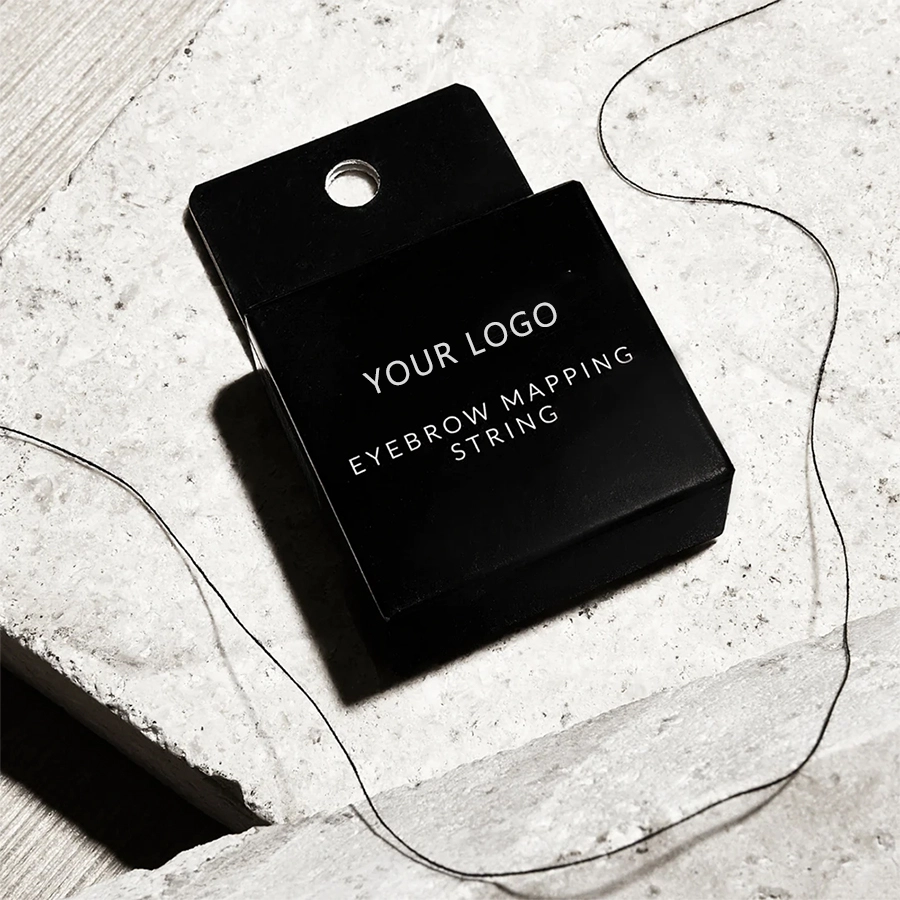
Microblading Pre-inked Mapping String Line 10m
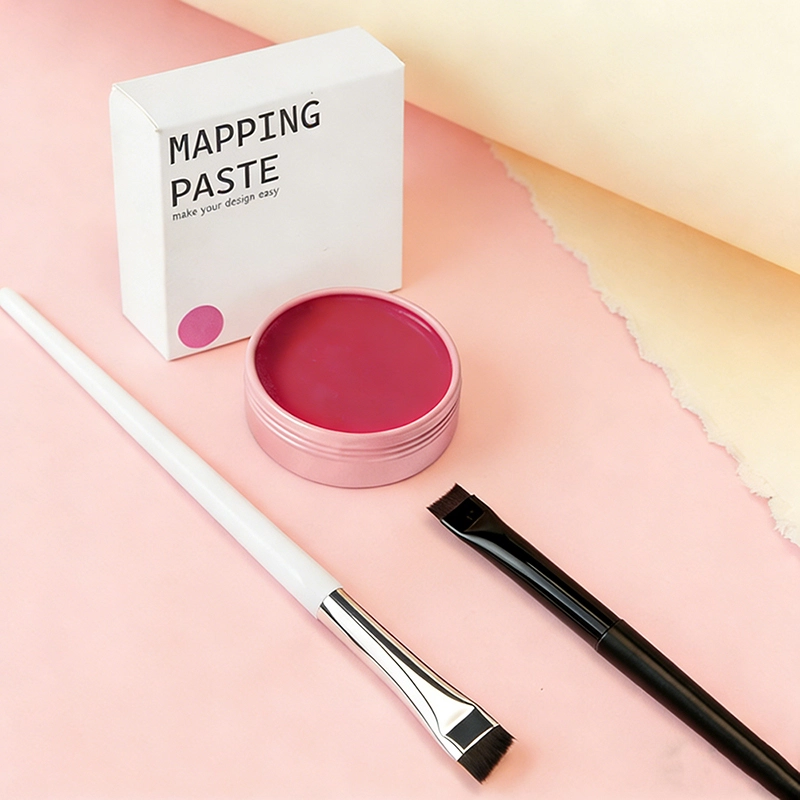
Pre-inked Mapping Ultra-Fine Eyebrows Eyeliner Blade Fan Brush

Instagram
Facebook
YouTube