


Step-by-Step Aftercare with 50g Body Tattoo Butter Balm
- Why a Dedicated Tattoo Balm Matters
- How tattoo skin differs from unbroken skin
- Evidence and industry guidance
- Step-by-Step Aftercare: First 24–72 Hours
- Immediate care in the studio (0–2 hours)
- Applying 50g Body Tattoo Butter Balm
- Days 3–14: Managing Scabbing, Itching, and Peeling
- What to expect during the skin's repair phase
- Itch control and safe handling
- Weeks 3–6 and Long-Term Maintenance
- Transitioning from aftercare to routine skin care
- Sun protection and long-term color retention
- Practical Guidance: Application, Quantity, and Frequency
- How much balm to use and how often
- Allergy testing and ingredient sensitivity
- Storage and shelf life
- Comparing Aftercare Topicals: Balms, Creams, and Ointments
- Recognizing Problems: When to Call a Professional
- Signs of infection or adverse reactions
- Allergic and inflammatory responses
- Practical Tips for Tattoo Recipients and Studios
- Best practices for artists advising clients
- Wholesale and professional use
- FAQ — Common Questions about 50g Body Tattoo Butter Balm and Aftercare
- Q: Can I use 50g Body Tattoo Butter Balm immediately after getting tattooed?
- Q: How long should I use a cream for tattoos aftercare?
- Q: Is this balm suitable for sensitive skin?
- Q: Will using this balm prevent tattoo fading?
- Q: Can I use this balm on permanent makeup and semi-permanent procedures?
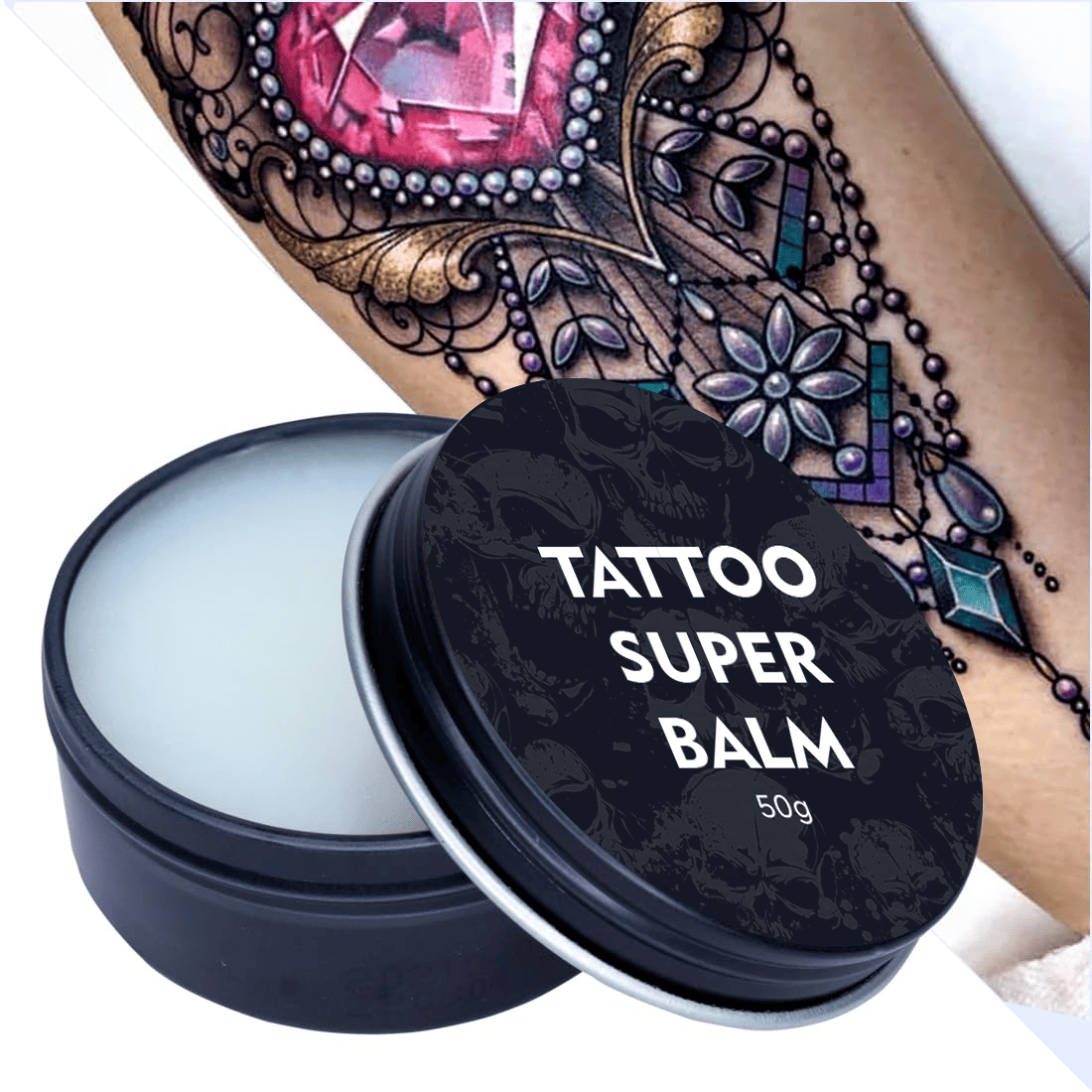
QM Makeup’s 50g Body Tattoo Butter Balm is designed to support the healing process of new tattoos and maintain the vibrancy of healed work. This guide covers step-by-step aftercare from the first 24 hours through full healing, explains why a dedicated cream for tattoos aftercare matters, and offers practical tips for daily use, allergy testing, and when to seek professional care. Local regulations and safety standards inform best practices; see expert resources below for more detail.
Why a Dedicated Tattoo Balm Matters
How tattoo skin differs from unbroken skin
A tattoo is a controlled injury: pigment is deposited into the dermis through thousands of micro-needle punctures. The skin barrier is temporarily compromised, increasing transepidermal water loss and infection risk. A purpose-formulated product like the 50g Body Tattoo Butter Balm provides moisture, a soothing lipid barrier, and ingredients that support skin repair without suffocating pores — unlike some heavy occlusives that may trap bacteria. Using an appropriate cream for tattoos aftercare reduces scabbing issues and color loss.
Evidence and industry guidance
Regulatory and industry bodies emphasize safe aftercare practices. For general tattoo safety overviews, see the FDA's tattoo information page. For broader context on tattooing as a practice, the Wikipedia overview is a useful starting point here. Professional bodies such as the Society of Permanent Cosmetic Professionals provide best-practice recommendations for aftercare and client education SPCP.
Step-by-Step Aftercare: First 24–72 Hours
Immediate care in the studio (0–2 hours)
Right after tattooing, artists typically clean the area and apply a protective layer or dressing. If your artist used a protective film or initial dressing, follow their instructions precisely. Many artists recommend leaving an initial dressing in place for 1–4 hours depending on the technique and body area. Once you remove the dressing, gently wash your hands and then the tattoo with lukewarm water and a mild, fragrance-free cleanser. Pat dry with a clean, disposable towel.
Applying 50g Body Tattoo Butter Balm
After drying, apply a thin layer of QM Makeup's 50g Body Tattoo Butter Balm. You only need a pea-sized amount for small tattoos and slightly more for larger areas. The balm acts as a cream for tattoos aftercare by providing a balanced moisture barrier: it soothes, reduces tightness, and supports color retention. Apply 2–3 times daily or as needed when the skin feels dry — avoid over-application, which can suffocate the area and prolong scabbing.
Days 3–14: Managing Scabbing, Itching, and Peeling
What to expect during the skin's repair phase
Between days 3–7, most tattoos enter a peeling phase similar to sunburn peeling. Light scabbing and flaking are normal. The goal is to keep the skin supple and prevent deep scabs. Continue using a gentle cream for tattoos aftercare such as the 50g Body Tattoo Butter Balm to maintain moisture balance. Apply when the skin feels tight or flaky; consistent light applications support even healing and limit pigment loss from aggressive scab removal.
Itch control and safe handling
Itching is a normal sign of healing. Resist picking or scratching; instead, pat the area or apply a thin layer of balm to calm the sensation. If itching is excessive or accompanied by spreading redness, warmth, or discharge, seek professional advice — these can be signs of infection.
Weeks 3–6 and Long-Term Maintenance
Transitioning from aftercare to routine skin care
By week 3–6, the skin surface will have healed though the deeper dermis continues to remodel for months. Continue daily care: switch from medicinal-style frequent applications to a lightweight maintenance routine. QM Makeup's 50g Body Tattoo Butter Balm is ideal for daily tattoo care because it nourishes the skin without leaving heavy residue and helps maintain pigment vibrancy over time.
Sun protection and long-term color retention
UV exposure fades pigment. After your tattoo has healed fully (generally 4–6 weeks), apply a broad-spectrum sunscreen with at least SPF 30 to protect color when the tattoo is exposed. For everyday moisturizing, a small dab of tattoo-specific balm supports skin health and appearance. A regular cream for tattoos aftercare complements sunscreen, ensuring skin remains well-hydrated and pigments stay vibrant.
Practical Guidance: Application, Quantity, and Frequency
How much balm to use and how often
Use a thin layer — think light sheen rather than a thick paste. For small tattoos, pea-sized; for medium, a rice-grain to almond-sized amount spread evenly. Frequency: initially 2–3 times daily for the first 1–2 weeks, then taper to once daily for maintenance. Overuse can delay healing by blocking oxygen exchange and encouraging maceration under the balm; underuse can lead to heavy scabbing and pigment loss.
Allergy testing and ingredient sensitivity
Before first full use, perform a patch test with a small amount on an area of intact skin (inner forearm) 24–48 hours prior to application on a new tattoo when possible. If redness, swelling, pronounced itching or a rash develops, discontinue and consult a clinician. QM Makeup formulates the 50g Body Tattoo Butter Balm for post-procedural skin but individuals may still react to components; always check the ingredient list and consult your artist or medical provider if unsure.
Storage and shelf life
Store the 50g Body Tattoo Butter Balm in a cool, dry place away from direct sunlight. Ensure the container is closed between uses to minimize contamination. For bulk or wholesale Tattoo Butter Balm purchases, rotate stock and check expiration/batch dates to maintain product efficacy.
Comparing Aftercare Topicals: Balms, Creams, and Ointments
Choosing between balm, cream, and ointment depends on tattoo stage and skin type. The table below summarizes common characteristics to help you select the right option.
| Type | Best for | Pros | Cons |
|---|---|---|---|
| Balms (e.g., 50g Body Tattoo Butter Balm) | Initial healing and long-term maintenance | Moisturizing, breathable, supports pigment, non-greasy when formulated well | Can transfer to clothing if over-applied |
| Creams (water-in-oil or oil-in-water) | Daily moisturizing for healed tattoos | Lightweight, fast-absorbing, easy to use | May contain fragrances or actives that irritate healing skin |
| Ointments (petrolatum-based) | Very dry skin or short-term post-procedure sealing | Strong barrier, prevents moisture loss | Can trap bacteria, impede oxygen, and prolong scabbing if used too long |
Recognizing Problems: When to Call a Professional
Signs of infection or adverse reactions
Watch for increasing redness beyond the tattoo border, warmth, swelling, severe pain, yellow or green pus, or systemic symptoms such as fever. These warrant immediate contact with your tattoo artist and a medical professional. If you need evidence-based background on infection risks and prevention, consult the FDA guidance on aftercare here.
Allergic and inflammatory responses
Some pigments (notably certain red and yellow inks) have been associated with allergic reactions. If you experience a persistent rash, blistering or granulomatous inflammation, seek dermatological assessment. The Society of Permanent Cosmetic Professionals offers resources that practitioners can follow when advising clients about reactions and pigment-related risks SPCP.
Practical Tips for Tattoo Recipients and Studios
Best practices for artists advising clients
Provide written aftercare instructions tailored to the tattoo location and client skin type. Recommend a specific product, such as QM Makeup's 50g Body Tattoo Butter Balm, and be clear about application amounts and frequency. Encourage clients to bring concerns back to the studio rather than self-treating with random products.
Wholesale and professional use
QM Makeup offers Tattoo Butter Balm wholesale options for studios that want a consistent, high-quality cream for tattoos aftercare to provide clients. Stocking a reliable balm reduces variability in healing outcomes across clients and supports aftercare compliance.
FAQ — Common Questions about 50g Body Tattoo Butter Balm and Aftercare
Q: Can I use 50g Body Tattoo Butter Balm immediately after getting tattooed?
A: Follow your artist's initial protocol. After the first dressing is removed and you have washed and dried the area, applying a thin layer of 50g Body Tattoo Butter Balm is appropriate as part of the first-day aftercare routine.
Q: How long should I use a cream for tattoos aftercare?
A: Intensive aftercare is usually needed for 1–2 weeks. Continue lighter, daily maintenance applications for 4–6 weeks until the skin surface feels fully healed. Ongoing occasional use helps maintain moisture and color long-term.
Q: Is this balm suitable for sensitive skin?
A: QM Makeup formulates the balm for post-procedural skin, but sensitivities vary. Perform a patch test 24–48 hours before full application to intact skin if you have a history of allergies or very reactive skin.
Q: Will using this balm prevent tattoo fading?
A: Regular proper use helps preserve tattoo vibrancy by keeping skin healthy and preventing excessive scabbing and peeling, which can remove surface pigment. Sun protection and overall skin care remain crucial for long-term color retention.
Q: Can I use this balm on permanent makeup and semi-permanent procedures?
A: Yes — the 50g Body Tattoo Butter Balm is suitable for a range of pigment-based cosmetic procedures, but always follow the technician's specific aftercare guidance for facial areas and delicate skin.
If you have more questions or need product-specific advice, contact our support team or view the product page to purchase QM Makeup's 50g Body Tattoo Butter Balm. For product inquiries and wholesale information, please view product details or contact customer service.
References: FDA (Tattoo safety) https://www.fda.gov/cosmetics/cosmetic-products/tattoos-and-permanent-makeup; Tattoo overview (Wikipedia) https://en.wikipedia.org/wiki/Tattoo; Society of Permanent Cosmetic Professionals https://spcp.org/.
How to Read Numb Cream Labels: Active Ingredients
QM Makeup Best professional tattoo ink manufacturers and supplier brands
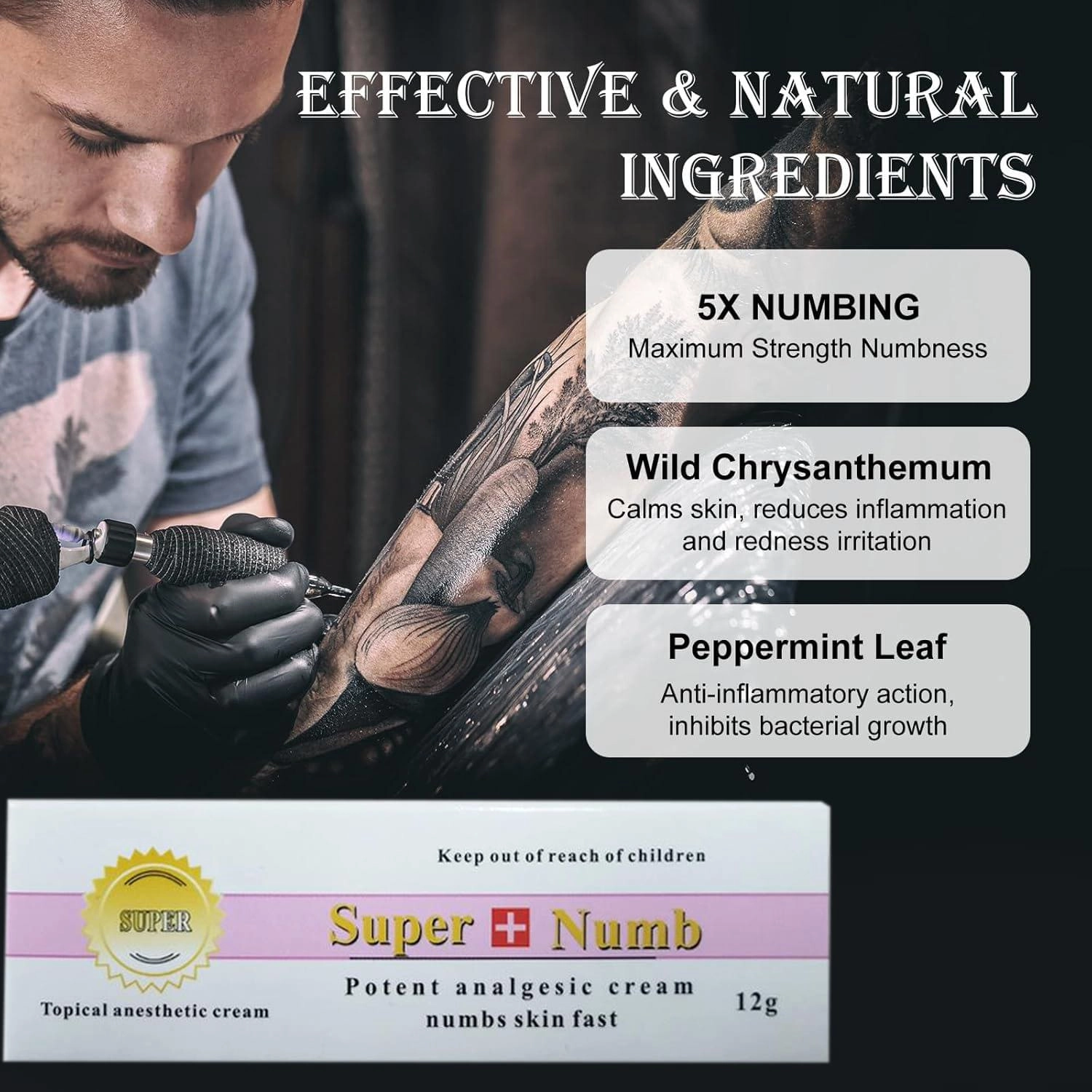
How Long Should Numbing Cream Last During a Tattoo?
How to Choose Rod Sizes and Tools in a Lash Kit
Logistics
When will my order ship?
We ship from our warehouse in Guangzhou, China. The standard order preparing time is typically 5-7 days.
Customization or Production: If the product needs to be customized or produced, the shipping time will depend on the production cycle, which may take 7 days to several weeks.
Lip patch
Where does numb cream work tattoo?
Tattoo numb cream mainly acts on the epidermis and dermis of the skin, blocking the transmission of nerve signals, thereby quickly relieving pain and discomfort.
Golden ratio ruler
How is the package of the golden ratio ruler? Can I customize it?
Currently, our Golden Ratio Rulers are packaged in OPP plastic bags, offering customers the flexibility to customize the packaging format. Regarding customization, we offer personalized packaging services—such as custom-branded boxes—to meet your specific needs. Please feel free to contact us at any time for further details on our customization options.
Eyelash lifting
If I apply perming lotion after using glue balm, will it cause the eyelashes to fall off the silicone perm rod?
Our glue balm have two formulas, regular formula and anti-falling formula. If you are used to using plastic wrap or covering strips during lash lifting, you can choose one of them; if you don’t use them during lash lifting, we recommend that you choose the anti-falling formula to ensure that after you use the perming lotion, the liquid in the perming lotion will not dissolve the glue balm, thus achieving the anti-falling effect.
Customized service
What if I can't reach the custom minimum order quantity?
We have a minimum order quantity requirement for customized products, which depends on the printing or process or raw material production. The minimum order quantity is calculated separately for each design style. If your order quantity is less than the minimum order quantity, we suggest that you can first order the outer packaging or raw materials according to the minimum order quantity, and then order the finished products in batches, so that your packaging or raw materials can be used in multiple orders.

Professional Pre Inked Eye Brow Mapping String 30m
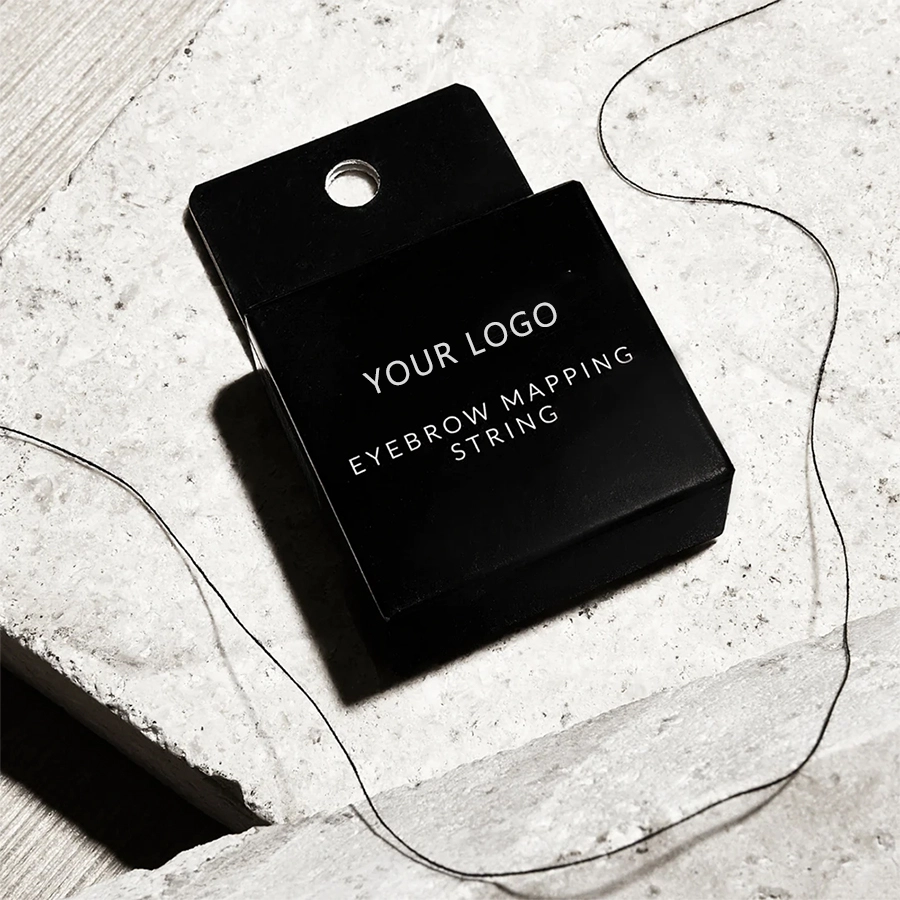
Microblading Pre-inked Mapping String Line 10m
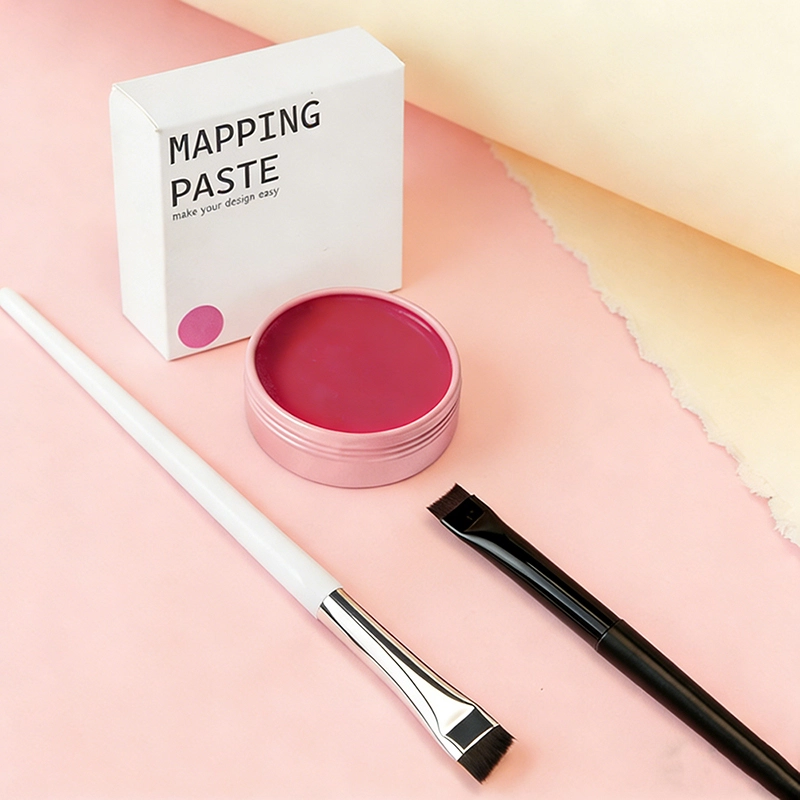
Pre-inked Mapping Ultra-Fine Eyebrows Eyeliner Blade Fan Brush

Instagram
Facebook
YouTube