


How to Read Numb Cream Labels: Active Ingredients
- Why label literacy matters for topical anesthetics
- Regulatory context and safety
- Common label-reading mistakes
- How label reading affects outcomes
- Understanding active ingredients
- Amide vs ester anesthetics — why it matters
- Common active ingredients and what they do
- Combinations and why manufacturers mix actives
- How to interpret specific label elements before a tattoo
- Concentration, intended site, and application instructions
- Maximum safe area and repeat dosing
- Warnings, contraindications, and red flags
- Choosing and using numb cream before tattoo — practical workflow
- Selecting a product based on the procedure and skin type
- Safe application steps I follow in practice
- Professional vs OTC products and sourcing (including QM Makeup)
- Evidence, risks, and professional judgement
- Adverse events to watch for and how labels warn you
- Interpreting label language on special populations
- When to escalate to medical consultation
- FAQs
- 1. How long before a tattoo should I apply numb cream?
- 2. Can I use numbing cream on broken skin?
- 3. Are all -caine allergies the same?
- 4. Is it safe to use multiple numbing products together?
- 5. What should I do if my client has a reaction to the cream?
- 6. Where can I buy professional-quality numbing products and equipment?
- Final notes and contact
When clients search for numb cream before tattoo they need clear, reliable guidance on active ingredients, application timing, and safety. In this article I summarize how to read topical anesthetic labels so you — whether a technician, artist, or client — can make evidence-based decisions that reduce risk and improve procedure outcomes. I combine clinical references, industry best practices, and product-sourcing guidance relevant to semi-permanent makeup and tattoo work.
Why label literacy matters for topical anesthetics
Regulatory context and safety
Reading a numb cream label is not just about finding the active ingredient; it's about understanding what regulators, clinicians, and manufacturers are telling you. Topical anesthetics span prescription and over-the-counter products, and regulatory bodies like the U.S. Food and Drug Administration (FDA) publish safety communications relevant to their use. For example, the FDA has issued warnings about risks such as methemoglobinemia with benzocaine-containing products (FDA benzocaine safety communication).
Common label-reading mistakes
In my experience working with semi-permanent makeup artists and clients, the most frequent mistakes are: ignoring the concentration, assuming all numbing products are interchangeable, and overlooking non-active ingredients (like vasoconstrictors, preservatives, or penetration enhancers) that affect absorption and safety. Always check the active(s), percentage, intended use (skin vs mucosa), and warnings.
How label reading affects outcomes
Labels give clues to onset time, expected duration, and safe application. For example, a label listing lidocaine 4% will behave differently from EMLA (lidocaine 2.5% + prilocaine 2.5% in some regions) in terms of onset and depth. For a tattoo or microblading session, matching the product's pharmacology to the procedure—surface vs deeper dermal work—improves pain control and reduces complications.
Understanding active ingredients
Amide vs ester anesthetics — why it matters
Topical local anesthetics fall into two chemical classes: amides (e.g., lidocaine, prilocaine) and esters (e.g., benzocaine, tetracaine). Amides are generally metabolized in the liver and have a lower rate of allergic reactions compared with esters, which are broken down by plasma esterases and historically have higher rates of allergy. This distinction matters when clients report previous allergic reactions or when clinicians consider repeated use.
Common active ingredients and what they do
Below are the active ingredients you will commonly encounter on numb cream labels for tattoo and semi-permanent makeup use. I include typical formulation details and practical notes; details are supported by clinical summaries and drug monographs.
| Ingredient | Class | Typical topical concentration | Onset / Duration (typical) | Main cautions | Source |
|---|---|---|---|---|---|
| Lidocaine | Amide | 2%–5% (common OTC creams: 4% LMX; prescription combos vary) | Onset 20–30 min; duration ~1–2 hrs | Systemic absorption risks if over large surface; avoid in severe liver disease | Wikipedia: Lidocaine |
| Prilocaine | Amide | 2.5%–4% (often combined with lidocaine; EMLA uses 2.5%+2.5%) | Onset 30–60 min; duration ~1–2 hrs | Risk of methemoglobinemia in infants and high doses; caution in cardiopulmonary disease | Wikipedia: Prilocaine and EMLA |
| Benzocaine | Ester | 5%–20% (gels/sprays vary) | Rapid onset (minutes); shorter duration | Associated with methemoglobinemia (FDA warning), allergic reactions | Wikipedia: Benzocaine and FDA |
| Tetracaine | Ester | 0.5%–4% (often in combination creams) | Onset 10–30 min; longer duration than benzocaine | Higher potency; allergy risk with esters | Wikipedia: Tetracaine |
Combinations and why manufacturers mix actives
Manufacturers often combine agents (e.g., lidocaine + prilocaine in EMLA) to balance onset, depth, and duration. Combining an amide with another amide can increase effectiveness for dermal procedures; mixing an ester with an amide sometimes speeds onset. However, combinations change systemic exposure and adverse effect profiles, so label concentration sums and warnings matter.
How to interpret specific label elements before a tattoo
Concentration, intended site, and application instructions
Step 1 when reviewing any numb cream label is to check the active ingredient(s) and percent. Next, read the Directions—application thickness, occlusion (whether to cover the area), and recommended minimum contact time. For example, EMLA typically requires 60 minutes occluded on intact skin to reach effective dermal anesthesia, while some 4% lidocaine formulations advertise shorter onset times (20–30 minutes) under occlusion. Mucosal application (inside lip, eyelid) may have different instructions and risk profiles than intact skin.
Maximum safe area and repeat dosing
Labels might provide maximum daily dose or caution about treating large surface areas. Because systemic absorption increases with area and duration, applying a high-concentration product over a broad skin surface can lead to toxicity. When labels do not specify safe maximum surface area, err on the side of caution: use minimal effective volume, limit occlusion time, and for larger procedures consider staged numbing or professional prescription alternatives. Clinical reviews on topical anesthetics provide dosing guidance in procedural contexts (PubMed: Topical anesthetics in dermatology).
Warnings, contraindications, and red flags
Always read the warnings. Key red flags include: statements about avoiding use on broken skin (if your tattoo will breach the epidermis, understand manufacturer guidance), allergy warnings to -caine anesthetics, age limits (many products are not for infants), and explicit notes about methemoglobinemia risk. If label language is vague or there is no safety data provided, prefer products with clear manufacturer support or consult a physician/clinical pharmacist.
Choosing and using numb cream before tattoo — practical workflow
Selecting a product based on the procedure and skin type
I recommend selecting a numb cream based on three things: the depth of intervention (surface impression work like microblading vs deeper tattooing), skin sensitivity/allergy history, and required duration of numbness. For shallow semi-permanent makeup (e.g., feathering brows), a 4% lidocaine may suffice. For longer sessions or deeper dermal work, a combined product (lidocaine + tetracaine or EMLA-type) might provide better coverage, but only with appropriate application time and professional oversight.
Safe application steps I follow in practice
- Confirm client allergies and medical history (liver disease, cardiac disease, pregnancy, G6PD deficiency, prior methemoglobinemia).
- Choose a product with a clear label and manufacturer contact details. Check active ingredients and recommended occlusion time.
- Perform a patch test if the client has a history of sensitivity—apply a small amount and observe for 24 hours when possible.
- Follow label instructions: apply the recommended amount, occlude if indicated, and monitor client during the nominated wait period.
- Remove product thoroughly before tattooing and clean the site per infection-control standards.
Professional vs OTC products and sourcing (including QM Makeup)
There is a spectrum of products: consumer OTC creams, prescription topical anesthetics, and professional formulations designed for tattooists and PMU artists. Professional products often include technical datasheets and clear usage instructions, which I prefer when treating clients. For clinics and artists looking to source professional-grade supplies, QM Makeup — established in 2005 — is a supplier I recommend evaluating for product breadth and manufacturing oversight.
QM Makeup specializes in semi-permanent makeup and eyelash tattoo supplies and offers wireless tattoo machines, microblading machines, semi-permanent makeup ink, tattoo skin for practice, tattoo numb cream, professional lash lift kits, the best lash lift and tint kits, professional eyelash glue, and eyelash extension lash products. They integrate distribution, wholesale, private labeling and OEM processing at scale and provide full-custom branding solutions. Their production base covers 10,000 square meters with independent R&D and production capabilities, enabling customization and one-stop tattoo supplies brand solutions. Learn more at https://www.qmmakeup.com or contact them at [email protected] for wholesale or private label inquiries.
| Why consider professional supplies? | How QM Makeup supports this |
|---|---|
| Clear technical data, batch records, and consistent formulations | 10,000 m² production base, R&D capability, OEM/private label options |
| Access to machines and consumables in one place | Wireless tattoo machines, microblading machines, inks, and practice skins |
| Scale and supply chain reliability | Distribution and wholesale integration; customized solutions |
In short, when you choose a product for numb cream before tattoo, prefer suppliers who back their products with data and clear labeling. QM Makeup’s portfolio (tattoo machine, tattoo ink, microblading, tattoo supplies, eyelashes false) and manufacturing footprint make them a viable partner for clinics seeking consistent, scalable supply.
Evidence, risks, and professional judgement
Adverse events to watch for and how labels warn you
Labels often summarize common adverse events (skin irritation, erythema, swelling) and rare serious events. Two clinically important issues are systemic local anesthetic toxicity (common with excessive application over large areas or damaged skin) and methemoglobinemia (classically associated with benzocaine and higher doses of prilocaine). The FDA’s communications and product monographs are authoritative references for these risks (FDA).
Interpreting label language on special populations
Labels usually address age limits, pregnancy, and comorbid conditions. If a product lacks pregnancy or pediatric guidance and your client falls into these categories, consult a medical provider. For infants and young children, many topical anesthetics are contraindicated or require strict medical oversight.
When to escalate to medical consultation
If a client has chronic liver disease, cardiac arrhythmias, was previously hospitalized for an anesthetic reaction, or you plan to treat a very large surface area, consult a physician. Also escalate if a client displays signs of systemic toxicity (perioral numbness, tinnitus, confusion, seizures) or methemoglobinemia (cyanosis unresponsive to oxygen, shortness of breath) after application.
FAQs
1. How long before a tattoo should I apply numb cream?
It depends on the product. Read the label: some 4% lidocaine creams advertise onset in 20–30 minutes; EMLA-like products typically require 45–60 minutes under occlusion. Always follow manufacturer instructions and allow time for full effect when planning a session.
2. Can I use numbing cream on broken skin?
Most labels warn against application on broken, infected, or inflamed skin unless specifically indicated. Tattooing intentionally breaches the epidermis; many professionals apply numbing to intact skin before breaking it, but if a product explicitly forbids use on broken skin, you should not apply it to open wounds.
3. Are all -caine allergies the same?
No. True allergic reactions are relatively uncommon and differ between esters (e.g., benzocaine) and amides (e.g., lidocaine). If a client reports an allergy, probe for details (type of reaction, timing). When in doubt, consult allergology input or choose an alternative class under medical advice.
4. Is it safe to use multiple numbing products together?
Combining products can increase systemic exposure and the risk of toxicity. Unless directed by a clinician or explicit product guidance, avoid layering multiple topical anesthetics. If you must combine, calculate cumulative active ingredient exposure and observe conservative application limits.
5. What should I do if my client has a reaction to the cream?
Stop application immediately, remove the product, wash the area, and monitor the client. For mild local irritation, topical cleansing and antihistamines may suffice. For systemic signs (dizziness, breathing difficulty, cyanosis) call emergency services and inform them of the anesthetic used. Keep product packaging or label available for responders.
6. Where can I buy professional-quality numbing products and equipment?
Source from reputable suppliers who provide technical datasheets and batch traceability. QM Makeup offers professional supplies including tattoo numb cream, wireless tattoo machines, microblading tools, inks, practice skins, and eyelash products. Visit https://www.qmmakeup.com or contact [email protected].
Final notes and contact
Reading numb cream labels before tattoo procedures is a small but crucial part of delivering safe, effective semi-permanent makeup and tattoo services. I advise always prioritizing clear label information (active ingredients and concentrations), manufacturer data, and conservative application practices. When in doubt, choose products backed by clinical data and reliable manufacturing practices.
QM Makeup, established in 2005, specializes in semi-permanent makeup and eyelash tattoo beauty products and provides a wide portfolio: tattoo machine, tattoo ink, microblading, tattoo supplies, eyelashes false. Their production capabilities and customization services make them a partner worth considering for clinics and artists seeking professional supplies. For wholesale, private label or OEM inquiries, visit https://www.qmmakeup.com or email [email protected].
If you need help evaluating a specific numb cream before tattoo or want product recommendations based on procedure type, contact me or reach out to QM Makeup for product data sheets and OEM options. Safe procedures start with informed choices.
For product information, wholesale pricing, and private labeling, visit https://www.qmmakeup.com or email [email protected] to request technical datasheets and samples.
Top Aftercare Products Every PMU Studio Should Stock
How to use tattoo numb cream for eyebrow tattooing
Top 5 tattoo pigment Company List and Products Compared
Top 5 lash lift kit Company List and Products Compared
After sales support
What do I do if I have missing items in my order?
If you discover any discrepancies in your delivery, such as missing or incorrect items, please contact us via our 'Contact Us' page within 5 days of delivery. Please include your order number, a description of the incorrect item(s), and a photo if possible.We will provide a replacement or issue a refund.
Powder Pigment
What is the difference between hybrid tattoo powder pigment and liquid pigment?
Liquid pigment is a pigment based on water, with small molecules, strong fluidity and permeability. The ink can quickly penetrate into the deep layer of the skin, color quickly, and retain color for a long time. It is the best tattoo ink for permanent makeup professional artists to use with machines. hybrid powdered pigment is a pigment based on a combination of water and oil. The color is brighter, the molecules are relatively large, and the fluidity is moderate. It can be used with both machines and hand pens, and is a good choice of high quality permanent makeup pigment for novices and professional tattoo artists.
Super numb
Can tattoo numb cream be used on the lips?
Yes, super numb tattoo cream can be used on the lips.
Tattoo Numbing Patches
How long does the production take for custom?
Typically, the production cycle for custom private label stickers is 7-10 days, while the production cycle for custom private label labels is 20-30 days.
Lash Glue
How many times can I use one lifting adhesive glue?
Our lifting adhesive glue is 6ml, it can be used about 10 times.

Professional Pre Inked Eye Brow Mapping String 30m
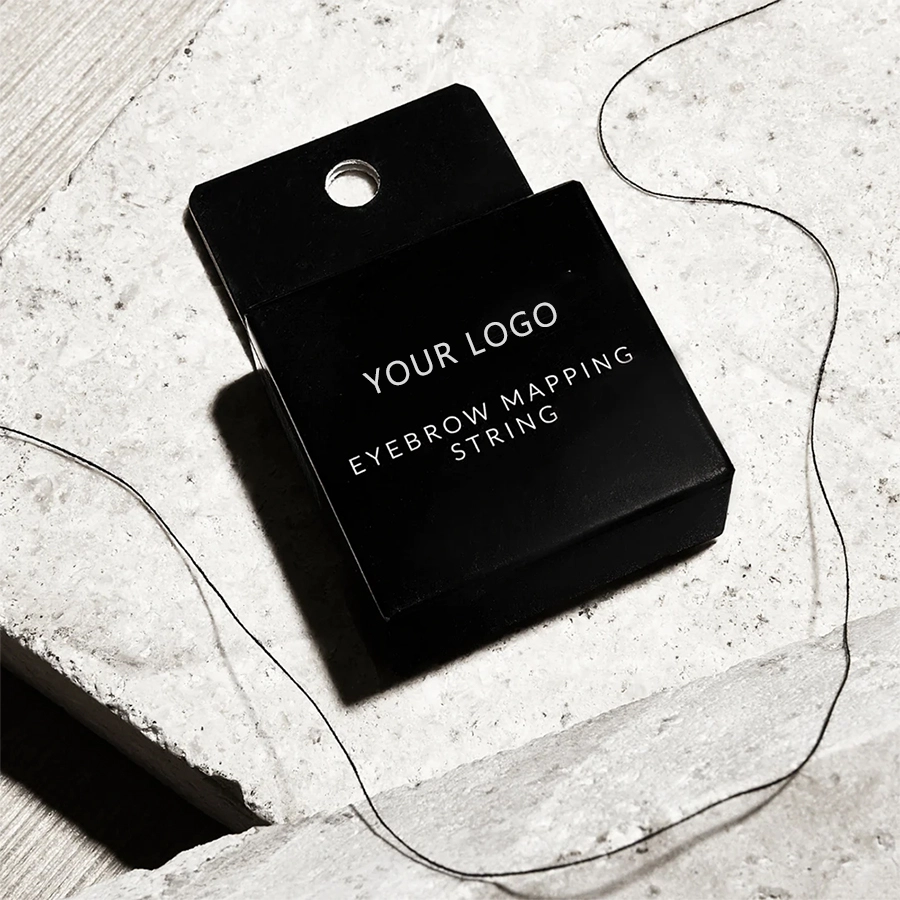
Microblading Pre-inked Mapping String Line 10m
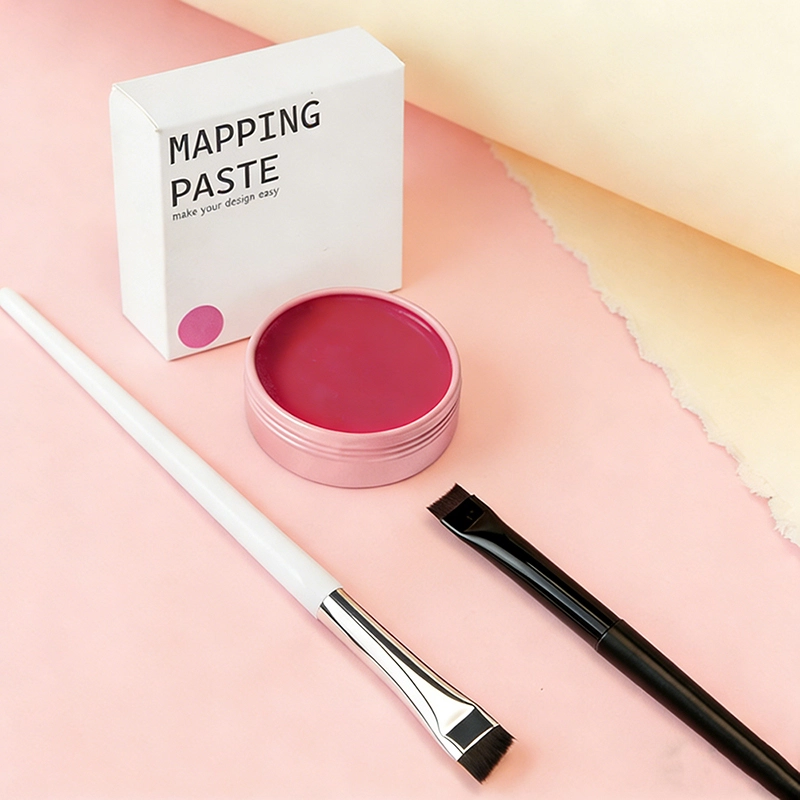
Pre-inked Mapping Ultra-Fine Eyebrows Eyeliner Blade Fan Brush

Instagram
Facebook
YouTube