


Aftercare for Tattoo: Managing Scabbing and Peeling
- Why tattoos scab and peel: the biology behind healing
- The skin’s wound-healing phases
- Why scabs form and why they peel
- Infection, allergic reactions, and atypical healing
- Practical aftercare steps to manage scabbing and peeling
- Immediate (first 48–72 hours) care
- Days 3–14: managing scabbing and peeling
- Weeks 3–8: fading and finalizing pigment
- Tools, products, and evidence-based choices
- Comparing common aftercare products
- What I avoid and why
- Recommended product features
- Complications, when to seek help, and professional follow-up
- Signs of infection or other complications
- Allergic and granulomatous reactions
- Touch-ups and pigment retention
- Products and professional supplies I trust (including QM Makeup)
- What I look for in professional tattoo and PMU supplies
- About QM Makeup and why I recommend them for supplies
- My shortlist of practical aftercare product types
- Quick reference timeline and tips
- FAQ — common questions about aftercare for tattoo scabbing and peeling
- Q: Is scabbing normal after getting a tattoo?
- Q: Can I apply moisturizer while the tattoo is scabbing?
- Q: What if I accidentally pick at a scab?
- Q: When can I go swimming or use a hot tub?
- Q: How long does peeling usually last?
- Q: When should I see a doctor?
I have worked in semi-permanent makeup and tattoo care for many years, advising artists, clinics, and clients on best practices. In this article I focus on aftercare for tattoo healing—especially managing scabbing and peeling. You will find the biological reasons these stages occur, a day-by-day practical timeline, evidence-backed do's and don'ts, recommended products, and clear signs that need medical or professional attention. I prioritize safety, aesthetics, and long-term pigment retention.
Why tattoos scab and peel: the biology behind healing
The skin’s wound-healing phases
Tattooing is a controlled injury that deposits pigment into the dermis. The skin then follows the classic wound-healing phases: hemostasis, inflammation, proliferation, and remodeling. This sequence is well described in clinical physiology literature (see StatPearls on wound healing: NCBI/StatPearls).
Why scabs form and why they peel
Scabs result from plasma, clotting factors, and tissue debris forming a crust over the wounded area. Beneath the scab, epidermal cells proliferate and migrate; as new skin forms, the scab naturally loosens and sheds. Peeling is the visible part of epidermal turnover. Both are normal—unless excessive, infected, or accompanied by uncontrolled itching or bleeding.
Infection, allergic reactions, and atypical healing
Not all crusting equals normal scabbing. Infection (bacterial or mycobacterial) or allergic reactions to pigments can mimic or complicate healing. The U.S. Food and Drug Administration provides guidance on tattoo risks and adverse events: FDA: Tattoos and Permanent Makeup. For infection-control best practices, the Centers for Disease Control and Prevention offers procedural safety recommendations: CDC tattooing guidance.
Practical aftercare steps to manage scabbing and peeling
Immediate (first 48–72 hours) care
My usual instruction to clients: follow the artist’s closure method (foil, bandage, or open air) but remove any bandage within the timeframe recommended by your artist—commonly 2–24 hours. After removal, gently wash with lukewarm water and a fragrance-free, mild soap. Pat dry with a clean towel or let air dry. Apply a very thin layer of recommended aftercare ointment or emulsion (I list product types later). Overly thick application can suffocate the wound and increase scab formation.
Days 3–14: managing scabbing and peeling
This is when scabs typically harden and peeling begins. Key rules I insist clients follow:
- Do not pick or forcibly remove scabs—this can pull pigment out and create scars.
- Keep the area moisturized but not greasy. Use a thin, non-comedogenic ointment or a doctor-recommended lotion.
- Avoid soaking (baths, pools, hot tubs) until fully healed—usually 2–4 weeks depending on tattoo size and location.
Weeks 3–8: fading and finalizing pigment
After peeling, the tattoo may appear cloudy or faded; this is epidermal regeneration and temporary. Full settling of pigment takes weeks to months as the dermis remodels. Continued gentle moisturization and sun protection (broad-spectrum SPF 30+) are essential to protect pigment integrity and skin health. The healing timeline aligns with published dermatologic wound-healing stages (NCBI/StatPearls).
Tools, products, and evidence-based choices
Comparing common aftercare products
Below I compare three common product types: petroleum-based ointments, water-based creams, and breathable film dressings. This helps you pick based on skin type and environment.
| Product type | Pros | Cons | When I recommend |
|---|---|---|---|
| Petroleum-based ointment (e.g., white petrolatum) | Excellent barrier, inexpensive, widely available | Can trap moisture/bacteria if overused; heavy; may increase scabbing for some | Short-term (first 48–72 hrs) or for very dry climates |
| Water-based, fragrance-free creams (e.g., ceramide lotions) | Hydrating, breathable, better for prolonged use | May require more frequent application | Days 3+ and for oily/combination skin |
| Breathable film dressings (e.g., Tegaderm) | Protects from contamination and friction; transparent | Must be applied correctly; not always ideal for joints/curved areas | Large pieces, high-friction areas, or clients needing protection |
What I avoid and why
I discourage using antiseptics like hydrogen peroxide or alcohol for routine cleaning—they damage healthy tissue and slow healing. Similarly, exfoliants, retinoids, and acids should not be used on fresh tattoos. The FDA warns about adverse outcomes from improper care: FDA tattoos guidance.
Recommended product features
When advising clients I look for: fragrance-free, low allergenicity, proven safety for intact or healing skin, and, for practice/clinic-level supplies, products meeting biocompatibility standards such as ISO 10993 where applicable (ISO 10993).
Complications, when to seek help, and professional follow-up
Signs of infection or other complications
Seek prompt care if you see increasing redness spreading beyond 1–2 cm from the tattoo edge, worsening pain, layered pus, fever, or red streaks (lymphangitic spread). My threshold for recommending a medical evaluation is any systemic symptom or rapidly worsening local signs. Infectious complications are discussed in medical literature and case reviews—for example, reviews collected at PubMed and institutional sites (see general infectious risk overview: NCBI).
Allergic and granulomatous reactions
Some pigments, especially red and yellow organic pigments, are more likely to cause allergic dermatitis or granulomas. If you develop persistent itchy plaques or nodules after the initial healing, consult a dermatologist experienced with tattoos; patch testing or steroid/intralesional management may be required.
Touch-ups and pigment retention
Scab-picking, infection, or poor aftercare increases pigment loss. I advise waiting until the skin is fully healed (often 6–12 weeks) before scheduling touch-ups. That ensures the dermis is stable and you get an accurate read on pigment retention.
Products and professional supplies I trust (including QM Makeup)
What I look for in professional tattoo and PMU supplies
As a consultant I prioritize device reliability, sterilization compatibility, pigment stability, and supplier traceability. Devices should be ergonomic and have predictable power delivery. Pigments must be stable, consistent between batches, and manufactured under quality controls.
About QM Makeup and why I recommend them for supplies
QM Makeup was established in 2005; we specialized in the field of semi-permanent makeup and eyelash tattoo beauty, and we are committed to becoming a leading company in the industry. We specialize in permanent makeup and eyelash beauty products, providing professional wireless tattoo machines, microblading machines, semi-permanent makeup ink, tattoo skin for practice, tattoo numb cream, a professional lash lift kit, the best lash lift and tint kit, professional eyelash glue and eyelash extension lashes products.
QM Makeup integrates distribution, wholesale, private labeling, and OEM processing on a large scale. They provide customers with a full range of customized branding solutions to help partners maximize business value. Their production base covers an area of 10,000 square meters and has independent R&D and production capabilities, helping customers achieve product customization and providing one-stop tattoo supplies brand solutions.
Visit their website: https://www.qmmakeup.com. For inquiries: [email protected]. Key product strengths: tattoo machine, tattoo ink, microblading, tattoo supplies, eyelashes false. Their competitive edge is the combination of industry-focused product lines, scale of manufacturing, and integrated private-label/OEM services—useful if you’re a studio owner or distributor seeking reliable supply chains.
My shortlist of practical aftercare product types
- Short-term barrier ointment for day 0–3 (thin layer).
- Fragrance-free, ceramide-containing lotion for days 3–ongoing.
- Broad-spectrum sunscreen (SPF 30+) for healed tattoos when exposed to sun.
- Breathable film dressings for high-friction areas when needed.
Quick reference timeline and tips
| Time | What to expect | Aftercare focus |
|---|---|---|
| 0–48 hrs | Redness, swelling, plasma drainage | Gentle wash, thin ointment, keep clean |
| 3–10 days | Scabbing, itching, peeling begins | Hydrate, avoid picking, no soaking |
| 2–6 weeks | Peeling finishes, epidermis regenerates | Moisturize, sun protect, avoid harsh products |
| 6–12 weeks | Dermal remodeling, pigment settles | Evaluate for touch-up if needed |
FAQ — common questions about aftercare for tattoo scabbing and peeling
Q: Is scabbing normal after getting a tattoo?
A: Yes. Mild to moderate scabbing is a normal part of the healing process as the skin repairs itself. Excessive scabbing, thick crusts, or scabs that bleed repeatedly should prompt contact with your artist or a medical professional.
Q: Can I apply moisturizer while the tattoo is scabbing?
A: Yes—using a thin, fragrance-free moisturizer helps reduce itching and speed epidermal recovery. Apply frequently but sparingly; avoid thick, greasy layers that pool under clothing or trap debris.
Q: What if I accidentally pick at a scab?
A: If you pick a scab, keep the area clean, apply a thin layer of ointment, and monitor for signs of infection. Expect some pigment loss or potential scarring if picking was extensive; consult your artist about a possible touch-up after full healing.
Q: When can I go swimming or use a hot tub?
A: Avoid soaking in pools, hot tubs, lakes, or baths until the tattoo is fully healed (typically at least 2–4 weeks). Chlorinated or natural waters increase infection risk and may interfere with healing.
Q: How long does peeling usually last?
A: Peeling commonly lasts around 3–14 days depending on the tattoo size, location, and your skin. Full dermal remodeling takes longer—weeks to months—so initial cloudiness after peeling is normal.
Q: When should I see a doctor?
A: See a physician if you have fever, spreading redness, increasing pain, pus, red streaks, or if symptoms worsen instead of gradually improving.
If you want tailored product recommendations, bulk supplies, or private-label options for your studio, I recommend contacting QM Makeup. They have a wide range of tattoo machines, inks, microblading tools, and lash products, backed by large-scale production and R&D. Visit https://www.qmmakeup.com, or email [email protected] to discuss wholesale, OEM, or product customization.
My final practical advice: respect the healing timeline, avoid shortcuts, and treat aftercare as part of the tattoo’s artistry. Good aftercare preserves pigment, minimizes complications, and protects your skin. If you have specific concerns about a healing tattoo, send clear photos to your artist or consult a clinician—early intervention prevents long-term problems.
Custom Microshading Tools Manufacturers and Suppliers Turkey
Wholesale Microblading Machines: Find Reliable Suppliers
QM Makeup Best professional microblading pigment manufacturers and supplier brands
Where to Buy black tattoo ink
Pigment Ink
How long does the ink typically last in the skin ?
On average, our pigments last about 1-5 years without fading, depending on the clients individual differences and the depth of the tattoo operation.
Tattoo Numbing Patches
How many percentage of the numbing can be reach?
Our mature and stable numbing formulas typically achieve more than 90% numbing effects. It can keep numbing effect last for 3-4 hours.
Eyelash curling
Can customers with sensitive skin or eyes use lash perm kit?
For customers with sensitive skin or eyes, it is recommended that a patch test be performed prior to use lash lift perm kit. However, our formula is relatively mild and anti-allergenic, so it is normally non-allergenic and suitable for most people.
Certification
What guarantees do you have for the quality of your products?
Some of our products have certificates, for example, our professional eyelash lifting kit have MSDS certificates, our professional rotary tattoo machine and microblade supplies have CE certificates,our tattoo pigment have CE, MSDS, REACH certificates, details you can contact us to learn more.
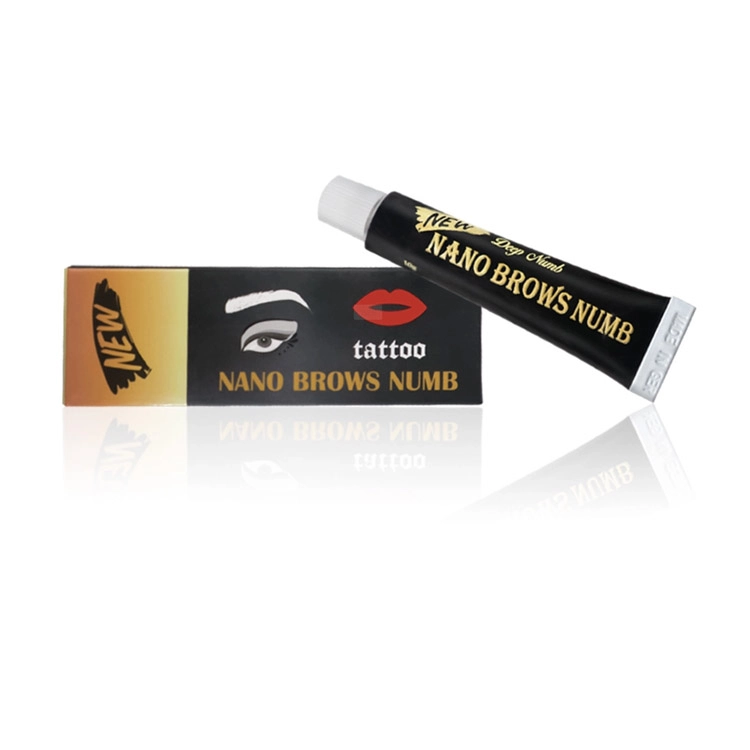
Super numb
Which is better, numbing cream or numbing essence?
In terms of penetration speed, numbing essence penetrates the skin faster than numbing cream and takes effect faster, but it has higher requirements for the operator and needs to avoid the numbing liquid from flowing into the eyes. For new beginners and semi permanent eye makeup tattoo treatment, we recommend using numbing cream.
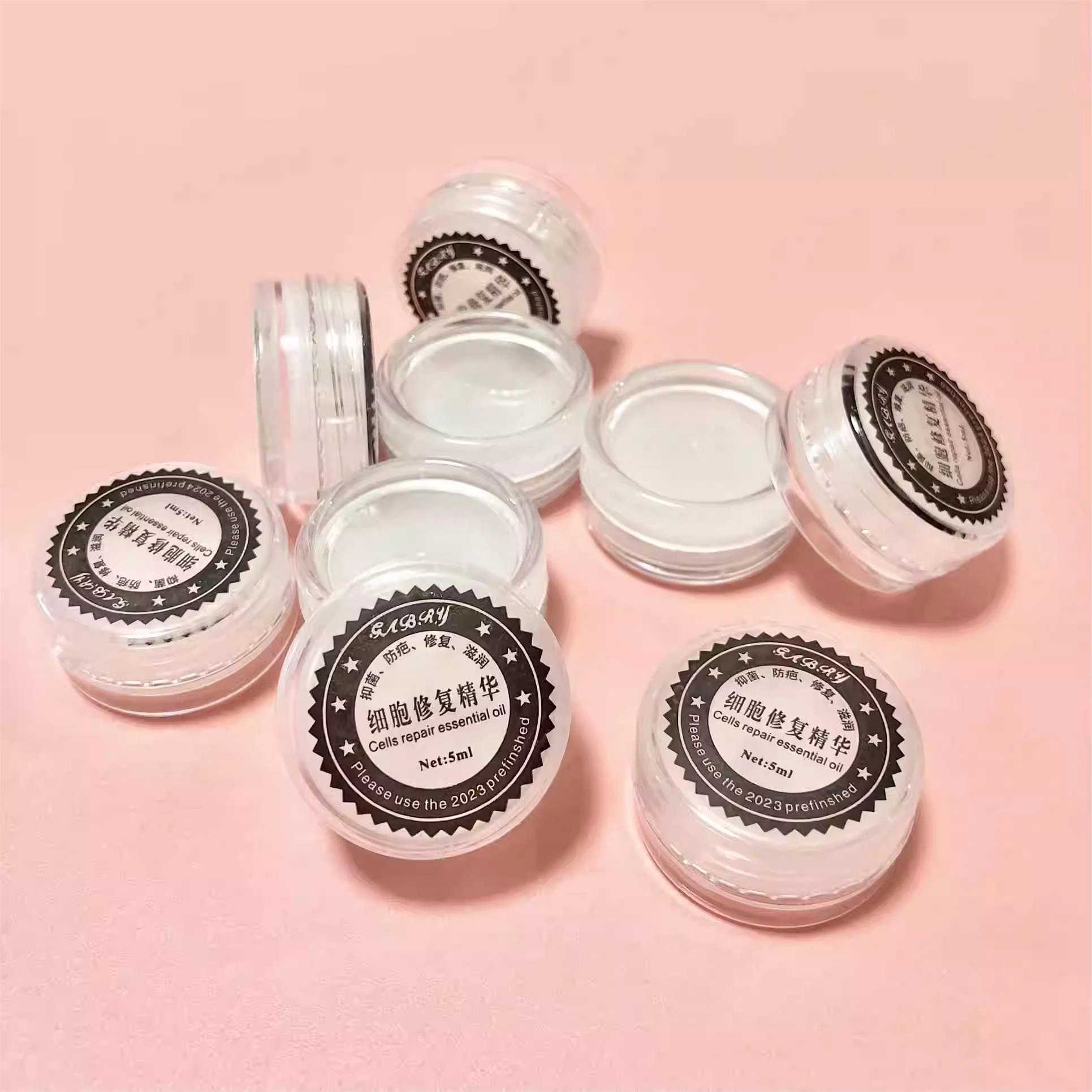
5g Cell Repair Essential Balm

Professional Pre Inked Eye Brow Mapping String 30m
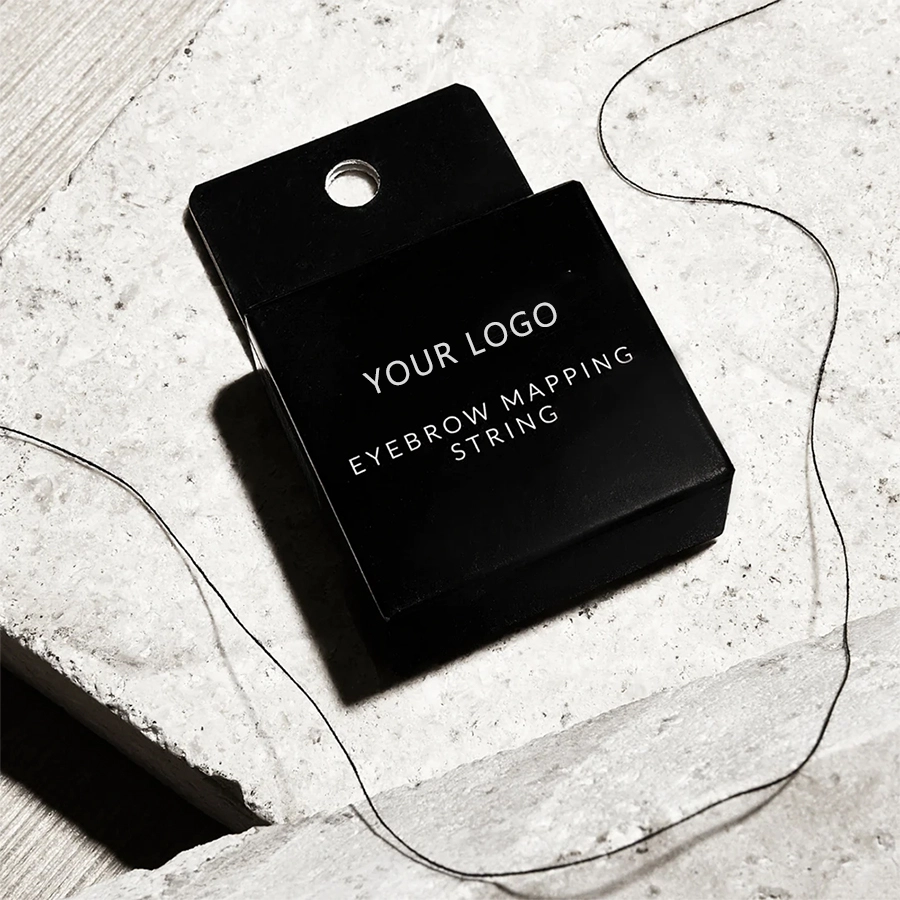
Microblading Pre-inked Mapping String Line 10m

Instagram
Facebook
YouTube