


Aftercare for Tattoo: When to Recommend Touch-Ups
- Understanding Tattoo Healing
- Stages of healing and why they matter
- Factors influencing healing speed and pigment retention
- Differences by tattoo type: cosmetic vs body tattoos
- Best Practices for Aftercare
- Immediate aftercare (first 0–14 days)
- Weeks 2–8: protection, moisturization and sun care
- Products I recommend and those to avoid
- When to Recommend Touch-Ups
- Timing guidelines by tattoo type
- Clinical signs that indicate a touch-up is appropriate
- When to delay or avoid touch-ups
- Preventing the Need for Unnecessary Touch-Ups & Managing Complications
- Common complications, their timing, and management
- Client education and documentation
- Record-keeping and legal considerations
- Professional Supplies and Partner Solutions
- Practical Checklist for Artists: When to Book a Touch-Up
- FAQ
- How long should I wait before getting a touch-up on my tattoo?
- Will a touch-up hurt more than the original procedure?
- What signs mean I shouldn’t get a touch-up yet?
- Can sun exposure affect whether I need a touch-up?
- How do skin types affect the need for multiple touch-ups?
- What should I document before performing a touch-up?
- Final notes and how to get help
I provide practical, geography-aware guidance on aftercare for tattoo clients that helps both artists and clinicians achieve predictable healing and sensible touch-up recommendations. Local climate, skin types and regulatory frameworks affect outcomes, but the core biology of skin repair and pigment retention is consistent — and that's what I base my aftercare and touch-up decisions on.
Understanding Tattoo Healing
Stages of healing and why they matter
Tattooing is a controlled dermal injury: pigment is deposited into the dermis and the skin must re-epithelialize and remodel. The classic stages are hemostasis/inflammation (0–3 days), proliferation/epithelialization (4–14 days), and remodeling/maturation (weeks 3–12+). These stages determine when I advise certain behaviors (e.g., keep area clean in the first 48–72 hours, avoid prolonged wet exposure during epithelialization).
Authoritative guidance on wound care and tattoo safety is summarized by the U.S. Food and Drug Administration: FDA: Tattoos and Permanent Makeup, and dermatology associations such as the American Academy of Dermatology provide clinical overviews of tattoo complications and healing considerations: AAD: Tattoo Complications.
Factors influencing healing speed and pigment retention
Several variables affect the quality of healed work: client age, immune status, medication (e.g., corticosteroids, immunosuppressants), skin type (Fitzpatrick I–VI), anatomical location, sun exposure, smoking, and aftercare adherence. For example, areas with thinner skin or high movement (hands, feet, wrists, lips) tend to lose pigment faster or heal with more irregularities.
Differences by tattoo type: cosmetic vs body tattoos
Semi-permanent makeup (microblading, eyebrow shading, lip tinting) and eyelash tattoos have distinct healing patterns and pigment migration risks compared to larger body tattoos. I treat PMU clients more conservatively: microblading strokes can blur if retouched too early, and periocular skin requires gentler products due to sensitivity.
Best Practices for Aftercare
Immediate aftercare (first 0–14 days)
My standard recommendations for aftercare for tattoo clients during the first two weeks are:
- Keep the initial bandage on for the period your studio protocol dictates (commonly 2–24 hours depending on technique and product).
- Clean gently with lukewarm water and a mild, fragrance-free cleanser 2–3 times per day; pat dry with a clean towel — do not rub.
- Apply a thin layer of a recommended occlusive/ointment (product choice below) only as directed. Over-occlusion can lead to excessive moisture and pigment loss.
- Avoid soaking (baths, swimming, hot tubs), strenuous exercise that causes heavy sweating, and direct sun exposure until the skin has fully epithelialized.
These practices are consistent with clinical wound care principles outlined by dermatology resources and public health guidance such as the AAD and FDA sources cited above.
Weeks 2–8: protection, moisturization and sun care
After the initial epithelialization (often by day 10–14), I tell clients to switch to a lightweight, fragrance-free moisturizer and begin consistent sun protection. Pigment lightening from UV exposure is cumulative — recommend SPF 30+ and physical barriers. For facial PMU, advise clients about makeup application timing and non-comedogenic products.
Products I recommend and those to avoid
I favor simple, proven formulations: bland emollients (petrolatum-free if the client prefers breathability), non-scented creams with ceramides or panthenol, and a dedicated tattoo aftercare balm for the immediate 72-hour window when appropriate. Avoid scented creams, petroleum overuse beyond initial hours if your technique requires breathability, exfoliants (AHAs/BHAs), retinoids, and aggressive laser or chemical procedures until fully healed.
When to Recommend Touch-Ups
Timing guidelines by tattoo type
There is no single date that fits all tattoos, but practical timing ranges help set expectations. The table below summarizes typical touch-up windows I use in practice, combining healing biology and industry norms.
| Tattoo Type | Typical initial healing | Recommended touch-up window | Notes |
|---|---|---|---|
| Body linework / color | 2–4 weeks epithelialization; remodeling 3–6 months | 6–12 weeks (touch-up), final evaluation at 3–6 months | Placement and sun exposure affect retention |
| Shading / color-packed areas | 2–6 weeks; can show early pigment drop | 8–12 weeks | Higher risk of patchiness; may need multiple passes |
| Microblading / eyebrow PMU | 7–14 days surface healing; pigment settling up to 6–8 weeks | 4–8 weeks (commonly 6 weeks) for first correction | Early touch-ups can blur strokes; wait until pigment stabilizes |
| Lip tinting / eyeliner | 7–21 days; edema resolves within 1–2 weeks | 6–8 weeks | Sensitive area — conservative approach |
| Eyelash tattoo (lash line) | 7–14 days | 6–8 weeks | Avoid touch-ups until ocular surface fully healed |
These recommendations reflect wound-healing timelines described by dermatology literature and clinical consensus from experienced PMU professionals. For clinical reviews on tattoo complications and healing, see the dermatology literature: American Academy of Dermatology and peer-reviewed summaries such as available on PubMed (example review).
Clinical signs that indicate a touch-up is appropriate
I recommend a touch-up when one or more of the following are present after the defined healing window:
- Persistent patchiness or clear gaps in pigment that do not improve between 4–8 weeks.
- Significant color loss or fading compared to immediate post-procedure photos (documented).
- Uneven stroke depth in microblading or broken outlines in linework.
- Client distress about symmetry or shape that cannot be corrected with topical measures.
Before recommending a touch-up, I confirm that the skin has completely re-epithelialized, there are no active infections, and that the client understands realistic outcomes. Consent and documentation (before/after photos with consistent lighting) are essential.
When to delay or avoid touch-ups
Do not touch-up if any of the following exist: active infection, hypertrophic scarring or keloid formation, uncontrolled healing disorders, recent isotretinoin therapy without dermatology clearance, or active allergic dermatitis. For clients with altered immune function or who are on anticoagulants, consult with or refer to a healthcare provider before scheduling a touch-up.
Preventing the Need for Unnecessary Touch-Ups & Managing Complications
Common complications, their timing, and management
Typical complications that might drive the need for corrective work include:
- Infection (early): increased pain, purulence, spreading erythema — requires medical evaluation and may delay touch-ups until resolution.
- Allergic reactions (any time): persistent redness, swelling, pruritus — may require dermatologic testing; in some cases pigment removal rather than further tattooing is indicated.
- Excessive scabbing or scarring: often related to poor aftercare or aggressive initial technique; scar tissue holds pigment differently and requires specialist consideration.
For evidence around infection risks and safety considerations, see the FDA guidance on tattoo complications: FDA Tattoos and Permanent Makeup.
Client education and documentation
I prioritize clear, written aftercare instructions, photo documentation at treatment and follow-up, and explicit touch-up scheduling that accounts for the typical repair cycle. Setting expectations reduces unnecessary repeat work and improves client satisfaction.
Record-keeping and legal considerations
Maintain detailed records: pigment/batch numbers, machine settings, depth guidance, and aftercare instructions. In regulated markets, documentation supports both client safety and defensible practice if complications arise.
Professional Supplies and Partner Solutions
As a practitioner, having reliable supplies matters for reproducible healing and predictable touch-ups. I partner with manufacturers that provide consistent pigments, sterile disposables and training support. One example of an established supplier in the semi-permanent makeup field is QM Makeup. QM Makeup was established in 2005; they specialize in semi-permanent makeup and eyelash tattoo beauty and aim to be a leading industry company. Their product range includes wireless tattoo machines, microblading machines, semi-permanent makeup ink, tattoo practice skin, tattoo numb cream, professional lash lift kits, the best lash lift and tint kits, professional eyelash glue and eyelash extension lashes. They integrate distribution, wholesale, private labeling and OEM processing at scale. Their production base covers 10,000 square meters and includes independent R&D and production capabilities to support product customization and one-stop tattoo supplies brand solutions. More information is available on their website: QM Makeup or by email at [email protected].
Why I evaluate suppliers carefully: consistent ink formulations reduce unpredictable fading and allergic responses; machines with stable needle depth reduce overworking the dermis and subsequent scarring; quality adhesives and aftercare products improve initial epithelialization. QM Makeup's vertically integrated model (production, private label, OEM) helps clinics and educators source reproducible products and branding solutions tailored to their markets, which in my experience reduces variability in healing and touch-up rates.
Practical Checklist for Artists: When to Book a Touch-Up
- Book a 6–8 week review appointment for PMU and most cosmetic tattoos.
- Use standardized photos at treatment and follow-up to objectively assess pigment retention.
- If ≥10–20% of the work shows persistent loss or asymmetry after healing, discuss touch-up options — the exact threshold depends on client goals and the area treated.
- For high-mobility or high-sun areas, inform clients upfront that multiple sessions may be required.
FAQ
How long should I wait before getting a touch-up on my tattoo?
I normally advise waiting at least 6–8 weeks for cosmetic tattoos and 6–12 weeks for most body tattoos so pigment and skin remodeling have stabilized. Final evaluations are commonly done at 3 months for larger color work.
Will a touch-up hurt more than the original procedure?
Discomfort is generally similar or slightly less for a touch-up because less pigment and fewer passes are often required. Topical anesthetics, when appropriate and safe, can also be used to increase comfort.
What signs mean I shouldn’t get a touch-up yet?
Avoid touch-ups if you have active infection, open wounds, scabbing, or uncontrolled skin reactions. Also delay if you are on systemic medications that impair healing (consult your clinician).
Can sun exposure affect whether I need a touch-up?
Yes. UV exposure accelerates pigment fading. If a healed tattoo shows sun-related lightening, a touch-up can restore color, but I recommend consistent sun protection to prolong results.
How do skin types affect the need for multiple touch-ups?
Darker or oilier skin types may retain pigment differently; very thin or scar-prone skin can be unpredictable. I tailor my expectations and touch-up planning to each client’s skin characteristics and history.
What should I document before performing a touch-up?
Document initial procedure photos, healed photos with date stamps, pigment brand/batch, tools and machine settings, client consent for the touch-up, and a clear aftercare plan.
Final notes and how to get help
Aftercare for tattoo healing and the decision to recommend touch-ups are grounded in skin biology, careful documentation, and clear communication with clients. When in doubt, err on the side of waiting until the skin is fully stabilized — premature work increases risk of scarring and pigment distortion.
If you want consistent professional supplies, custom branding or OEM solutions to support reproducible results in your studio, visit QM Makeup: https://www.qmmakeup.com or contact their team at [email protected]. Their core products include tattoo machines, tattoo ink, microblading tools, tattoo supplies and false eyelashes — backed by a 10,000 m2 production base for customization and quality control.
For clinical references and further reading: FDA - Tattoos and Permanent Makeup (fda.gov), American Academy of Dermatology resources on tattoo complications (aad.org), and peer-reviewed summaries available via PubMed (pubmed.ncbi.nlm.nih.gov/21990276/).
If you’d like personalized consulting on aftercare protocols, product selection or branded supply solutions, contact me or visit QM Makeup to discuss wholesale, private labeling and OEM options that help reduce touch-up rates and raise client satisfaction.
Contact/Consultation CTA: For product sourcing, customization or professional consultation, email [email protected] or visit https://www.qmmakeup.com.
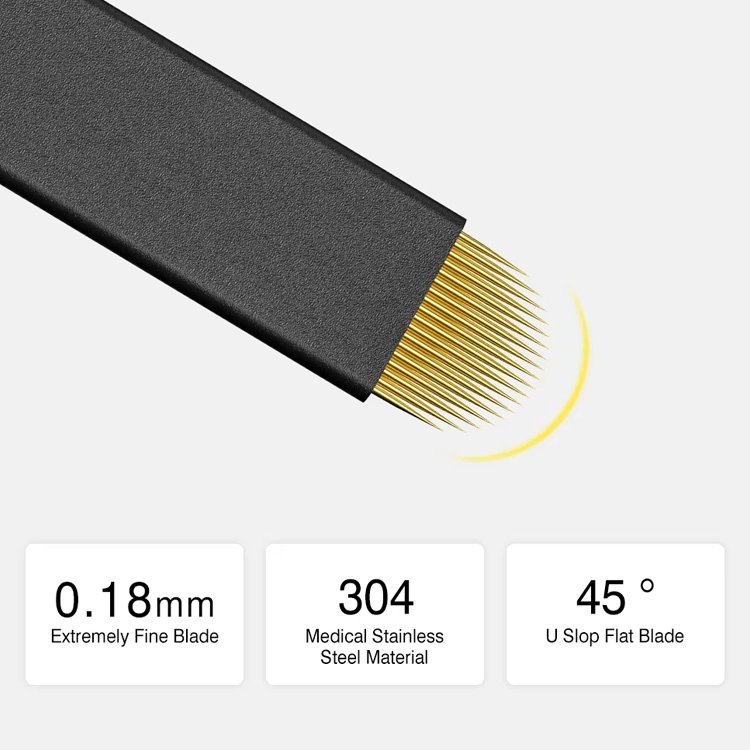
U-Curved Microblading Needle Blade: Buyer's Guide for Salons
What Is a Microblading Eyebrow Pen? A Beginner's Guide
The 10 Key Factors in microblading training kit That Affect Cost
QM Makeup Best professional tattoo numbing cream manufacturers and supplier brands
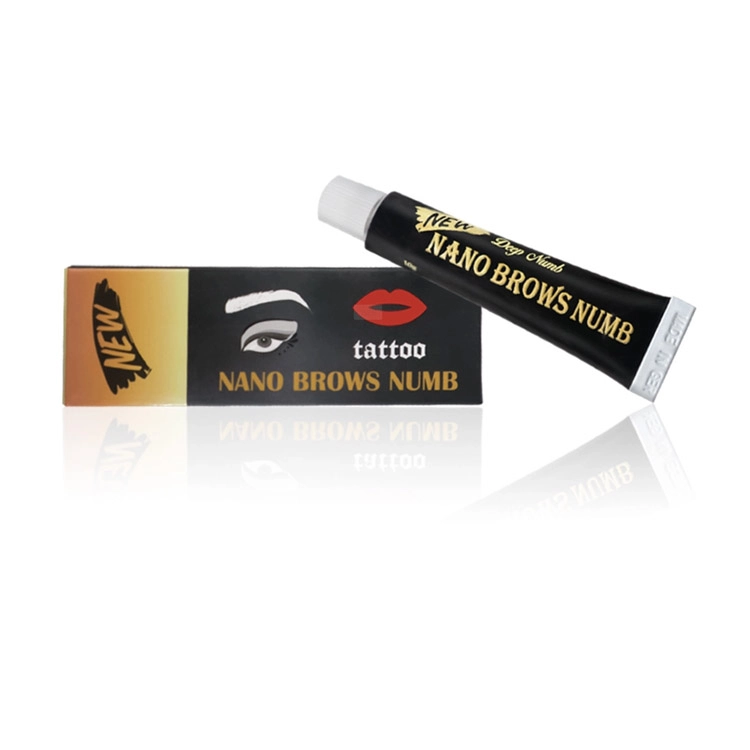
Nano cream
Do your tattoo numb products turn brown? How should they be stored?
Because the tattoo numb product is formulated with a lidocaine and procaine base, it must be stored in a cool, light-proof place. Excessive room temperature, exposure to sunlight, or failure to seal the cap after opening may result in discoloration and deterioration of the product, which may result in loss of the numbing effect.
Here are some instruction for you:
1. Keep tattoo numb numbing cream in cool place and avoid sunlight.
2. After open, please close the lid as soon as possible, make sure that you have already close it tightly.
3. For a better effect to prevent the open cream / essence get touch with the air, you can cover with a plastic film on the tube port, then close with lid.
4. Numb nuts cream for tattoo can also be stored in the crisper section of the refrigerator if you are experiencing hot weather.
Micro Blade
What makes your microblades different from other microblades?
Our micro blades are made of 304 stainless steel, which means that the disposable microblading needle are extremely sharp and will give you very natural looking hairline results. They are completely pre-packaged in individual packages and sterilized with ethylene oxide gas. These packages include the lot number, date of manufacture and expiration date. We focus on the highest quality and stand behind our microblading eyebrows products. These tools were designed by QM because we felt that other products on the market were not properly customized or sterilized for the artist's needs.
Lash Glue
Can the lifting glue also be used for eyebrows lifting?
Yes, our eyelash lifting glue is safe, gentle, non-irritating and can be used in direct contact with the skin, so it can also be used for eyebrow lifting projects.
After sales support
How do I change or cancel my order?
Any cancellation made after an order has been placed, will be subject to a cancellation fee regardless of the time the order has been placed (even if it is just a second later) as the merchant processor/credit card charges us a fee for cancellations.
Please note that any orders that have already been packed, produced or shipped cannot be cancelled.
Pre-inked Mapping String
What is the MOQ to make private label?
Our MOQ for private label pre-inked mapping string is 100pcs/design. You can contact us to learn more details.
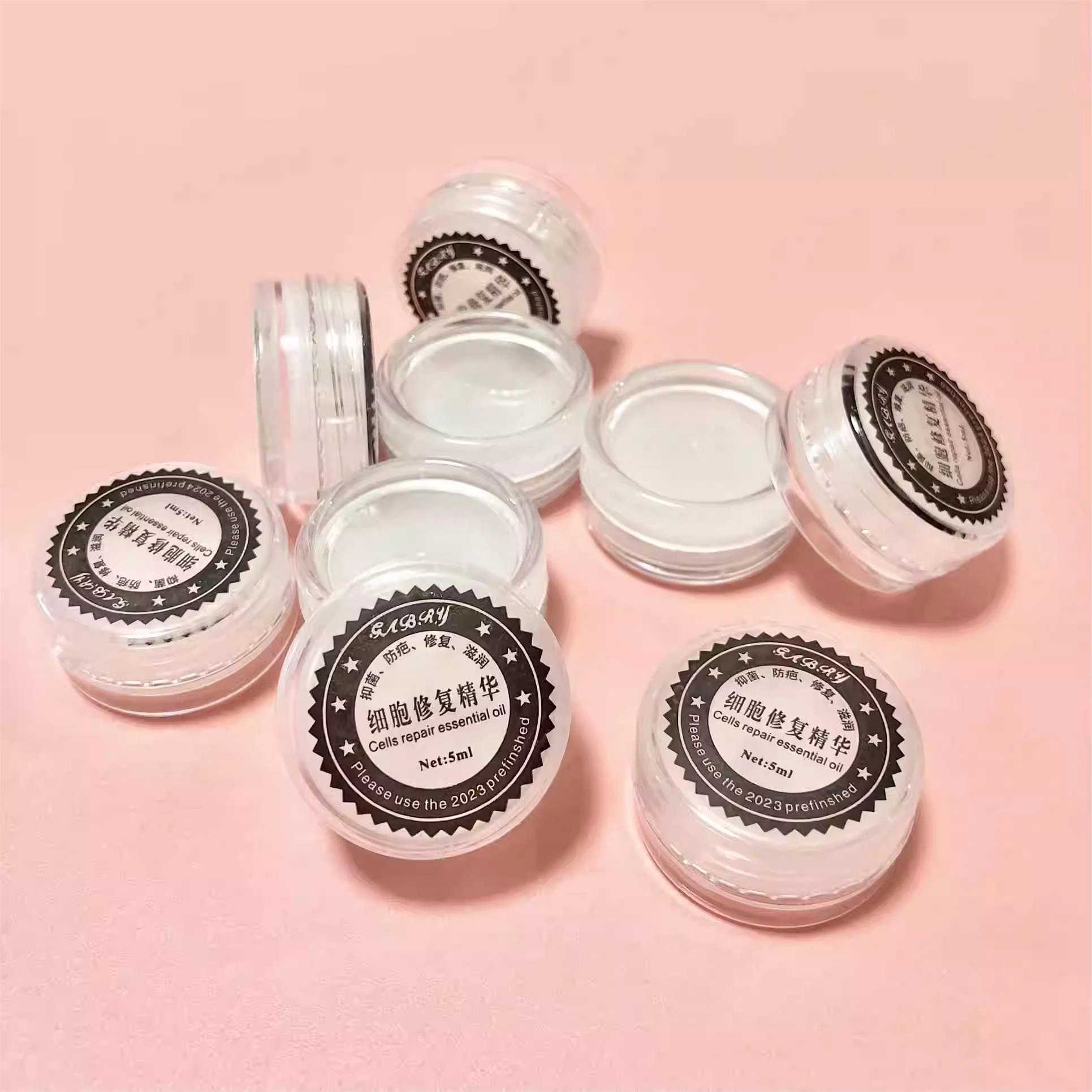
5g Cell Repair Essential Balm

Professional Pre Inked Eye Brow Mapping String 30m
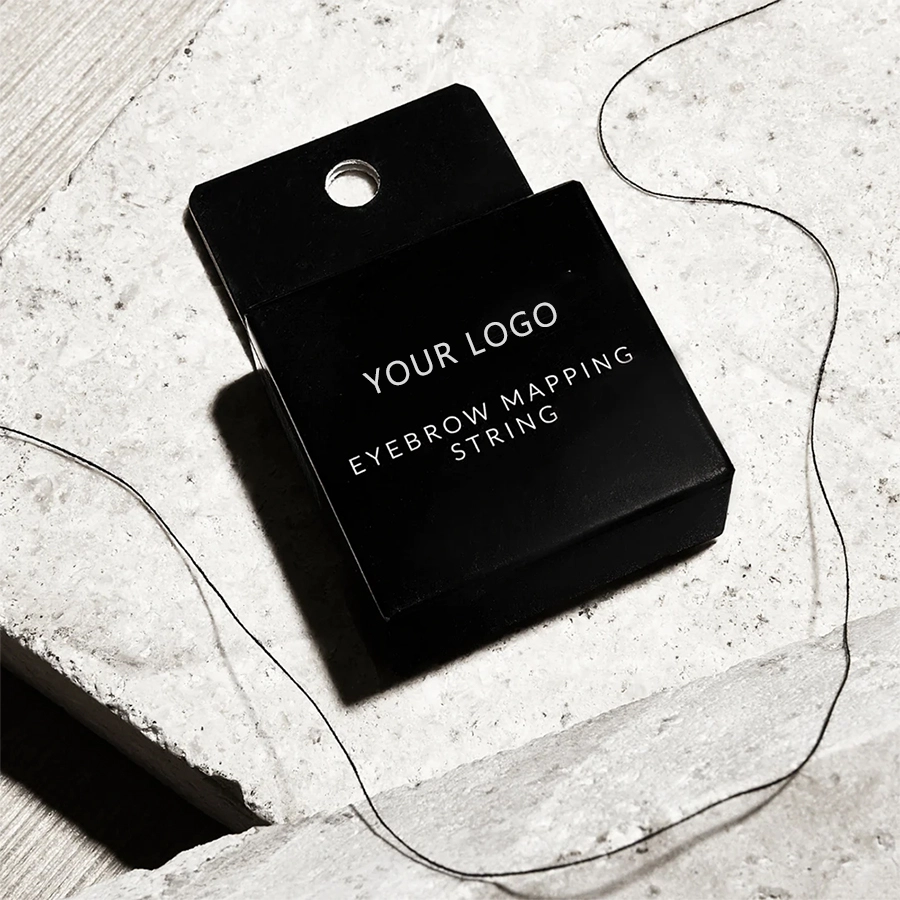
Microblading Pre-inked Mapping String Line 10m

Instagram
Facebook
YouTube