


What Is a Microblading Eyebrow Pen? A Beginner's Guide
- What Is a Microblading Eyebrow Pen?
- Simple definition
- How Microblading Pens Work
- Manual deposition of pigment
- Types of Microblading Pens and Blades
- Common blade shapes and cartridges
- Microblading Pen vs. Machine Tattoo Tools
- Key differences
- Who Is a Good Candidate for a Microblading Eyebrow Pen?
- Best-suited skin and client profiles
- Treatment Process and Timeline
- Step-by-step overview
- Healing stages to expect
- Aftercare and Longevity
- Essential aftercare steps
- How long results last
- Risks, Safety, and Regulation
- Safety considerations
- Who should avoid microblading?
- Choosing Professional Microblading Supplies
- What professionals should look for when they buy microblading pens
- Recommended accessories and products
- Why Choose QM Makeup for Microblading Supplies
- Company experience and product range
- Commercial services and customization
- Practical Tips for Beginners
- Training and practice
- How to evaluate results
- Frequently Asked Questions (FAQ)
- What is a microblading eyebrow pen and does it hurt?
- How long does a microblading session take?
- Can microblading be removed?
- Is a microblading eyebrow pen suitable for oily skin?
- Where can I buy professional microblading pens and supplies?
- How often should I get touch-ups?
What Is a Microblading Eyebrow Pen?
Simple definition
A microblading eyebrow pen is a handheld tool used by semi-permanent makeup (SPMU) professionals to implant pigment into the superficial layers of the skin to create realistic hair-like strokes. Unlike an eyebrow pencil that sits on the skin surface, a microblading pen deposits pigment into the epidermis for results that typically last 12–24 months depending on skin type and aftercare.
How Microblading Pens Work
Manual deposition of pigment
The core of what is a microblading eyebrow pen is its manual action: a cluster of fine needles or a disposable blade at the tip scratches tiny lines into the skin and deposits pigment. These tools are designed for precision to mimic natural eyebrow hairs. The pigment sits relatively shallow (in the epidermis), which is why microblading fades gradually and is considered semi-permanent.
Types of Microblading Pens and Blades
Common blade shapes and cartridges
There are different microblading pen styles: traditional disposable blades (U-shaped, sloped, or curved), cartridge-style nano-needles, and hybrid tools that combine manual stroke capability with light vibration. Needles/blades come in configurations from around 3 to 14 needles per cluster; fewer needles create finer hair strokes, while more needles are used for shading or thicker strokes.
Microblading Pen vs. Machine Tattoo Tools
Key differences
Microblading pens are manual and work on a superficial skin layer, while rotary or digital PMU machines use a motor-driven needle to implant pigment deeper and faster. Microblading typically gives crisp hair strokes ideal for normal-to-dry skin. Machines are preferred for oily skin, dense shading, or longer-lasting pigment retention.
Who Is a Good Candidate for a Microblading Eyebrow Pen?
Best-suited skin and client profiles
Ideal candidates are people with normal to dry skin who want natural-looking hair strokes. Microblading can correct sparse brows, asymmetry, or hair loss (e.g., over-plucked brows). It is less effective on very oily skin, heavily scarred areas, or skin types that heal irregularly; in those cases, nano or machine shading may be recommended.
Treatment Process and Timeline
Step-by-step overview
A typical microblading session includes consultation and brow mapping, topical numbing, manual pigment implantation with the microblading pen, and immediate aftercare instructions. Sessions usually take 60–120 minutes. A required touch-up is commonly scheduled 4–8 weeks after the initial procedure to perfect color and shape.
Healing stages to expect
Healing is predictable: 1–3 days of redness and slight swelling, days 4–7 where scabbing and flaking occur, and 3–6 weeks until the true pigment color settles. Final results are usually visible after the touch-up when healed pigment stabilizes.
Aftercare and Longevity
Essential aftercare steps
For best results, keep the area dry for the first 7–10 days, avoid heavy sweating, swimming, saunas, and direct sun. Do not pick scabs. Use only recommended aftercare ointments and apply sunscreen after full healing. These steps help extend pigment life and reduce the risk of infection or uneven fading.
How long results last
Microblading results typically last 12–24 months. Factors that affect longevity include skin type (oily skin fades faster), lifestyle (sun exposure, exfoliation), pigment quality, technique, and proper aftercare. Annual touch-ups are common for clients who want to maintain a fresh look.
Risks, Safety, and Regulation
Safety considerations
Major risks include infection, allergic reaction, poor color retention, or undesired shape. To minimize risks, use single-use disposable blades or sterile cartridges, follow strict sanitation standards, and use pigments from reputable manufacturers. Many regions require licensing and adherence to health department rules for skin-penetrating procedures.
Who should avoid microblading?
Contraindications commonly include pregnancy and breastfeeding, active skin infections in the brow area, uncontrolled diabetes, immune disorders, blood-thinning medication (consult physician), severe keloid scarring history, or use of isotretinoin within the past 6–12 months. Always conduct a proper consultation and medical history check.
Choosing Professional Microblading Supplies
What professionals should look for when they buy microblading pens
If you're searching for where to buy microblading pens or professional supplies, prioritize CE/ISO-certified products, single-use sterile blades/cartridges, and pigments with transparent ingredient lists. Training and reliable customer support are also crucial. Buying from an established supplier reduces risk and helps meet local regulatory requirements.
Recommended accessories and products
Professional kits should include quality pigments, disposable blades/cartridges, numbing creams, aftercare products, measuring tools for brow mapping, and practice skins for training. For businesses, look for suppliers offering wholesale, private labeling, and OEM options to scale QM Makeup offerings.
Why Choose QM Makeup for Microblading Supplies
Company experience and product range
QM Makeup was established in 2005 and specializes in semi-permanent makeup and eyelash tattoo beauty. We provide professional wireless tattoo machines, microblading machines, semi-permanent makeup ink, tattoo practice skin, tattoo numbing cream, and professional lash lift and tint kits. Our production base covers 10,000 square meters and includes independent R&D and manufacturing capabilities.
Commercial services and customization
QM Makeup integrates distribution, wholesale, private labeling and OEM processing at scale. We help partners maximize business value by offering product customization and one-stop tattoo supplies brand solutions. For professionals who want to buy microblading pens in bulk or create a private-label line, QM Makeup provides compliant, quality-controlled options and technical support.
Practical Tips for Beginners
Training and practice
Before working on clients, train with certified courses and practice on synthetic skin. Learn brow mapping, pigment color theory, and how different blade configurations affect strokes. A supervised apprenticeship or mentorship speeds up safe skill acquisition and helps build a strong portfolio.
How to evaluate results
Good microblading results look like natural hair, proper symmetry, and a color that complements the client's hair and skin tone. Expect a slight darkening immediately after treatment; the pigment softens during healing. If results look uneven or fade quickly, reassess technique, pigment selection, and aftercare guidance.
Frequently Asked Questions (FAQ)
What is a microblading eyebrow pen and does it hurt?
A microblading eyebrow pen is a manual tool that implants pigment into the upper skin layers to mimic natural hairs. Most clients feel minimal discomfort; topical anesthetic is used to reduce pain.
How long does a microblading session take?
Initial sessions generally take 60–120 minutes including consultation, mapping, numbing, and the procedure. A 4–8 week touch-up (30–60 minutes) is recommended.
Can microblading be removed?
Microblading fades over time and can be lightened with specialized removal techniques (saline or laser). Removal can be more difficult than fading; prevention and correct pigment choice are preferable.
Is a microblading eyebrow pen suitable for oily skin?
Oily skin tends to hold pigment less crisply; a machine-based nano or rotary approach may provide better long-term results. A professional consultation will determine the best technique.
Where can I buy professional microblading pens and supplies?
Buy from reputable suppliers with quality certifications. QM Makeup offers wholesale, OEM, and private-label options along with a full range of professional products for microblading and PMU studios.
How often should I get touch-ups?
Typically, clients return for a touch-up at 4–8 weeks after the initial session, then maintenance every 12–24 months depending on lifestyle and skin type.
For professional-grade supplies, training resources, or private-label options, contact QM Makeup to explore product lines and customization that meet your studio’s needs.
Allergic Reactions & Liability: Numb Cream Precautions
Natural vs Strong Numb Creams: Buyer Recommendations
The 10 Key Factors in microblading aftercare balm That Affect Cost

Bulk Sourcing Tattoo Aftercare Cream: 5g Cell Repair Benefits
Pre-inked Mapping String
What is the MOQ to make private label?
Our MOQ for private label pre-inked mapping string is 100pcs/design. You can contact us to learn more details.
250g tattoo cream
How long does tattoo numb cream work to take effect?
Different numbing products have different onset times. For example, numbing essence takes effect faster than numb it tattoo cream. For the specific onset time, please check the product description or contact us for more details.
Tattoo aftercare
Is the repair product suitable for all skin types?
Yes, our repair products are good tattoo aftercare products, it is suitable for all skin types aftercare for tattoo. They are gentle and safe and can be used on sensitive skin.
Tattoo balm
Is the repair product suitable for all skin types?
Yes, our repair products are good tattoo aftercare products, it is suitable for all skin types aftercare for tattoo. They are gentle and safe and can be used on sensitive skin.
Sample
Can I have samples before my order?
Yes, we can provide samples before you place your order. Please note that there might be a nominal charge for the samples, and you'll be responsible for the shipping costs.
For customized products,we may charge fee of sample, sample charge will be refundable upon confirmation of the order.

Professional Pre Inked Eye Brow Mapping String 30m
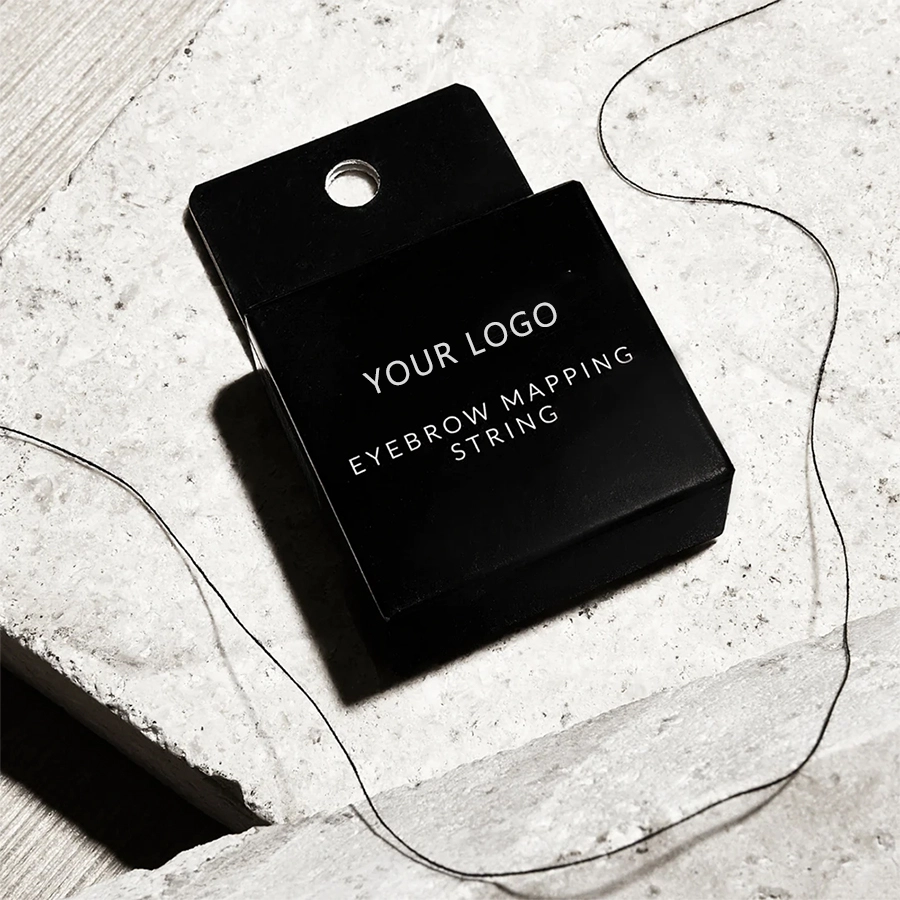
Microblading Pre-inked Mapping String Line 10m
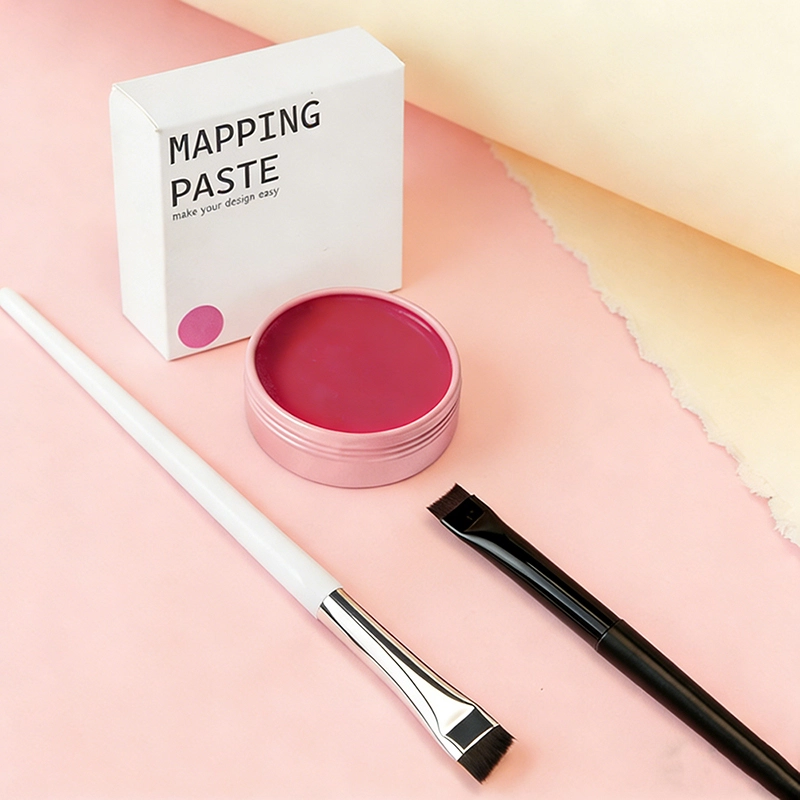
Pre-inked Mapping Ultra-Fine Eyebrows Eyeliner Blade Fan Brush

Instagram
Facebook
YouTube