


Aftercare for Tattoo: Essential Steps for Semi-Permanent Makeup
- Understanding the Healing Process of Semi-Permanent Makeup
- The phases of skin healing I watch for
- How pigment interacts with skin
- Common complications and preventive mindset
- Essential Aftercare Steps for Tattoo and Semi-Permanent Makeup
- First 0–24 hours: the critical window
- Days 2–7: managing scabs and moisture balance
- Weeks 2–6+: long-term preservation and touch-up timing
- Products, Tools and Techniques I Recommend
- Cleaning agents and why I choose them
- Moisturizers, balms and ointments — pros and cons
- Tools I keep in the studio and what I tell clients to avoid
- When to Seek Professional Help and Managing Complications
- Recognizing infection and allergic reactions
- Pigment loss, touch-up considerations, and timing
- Scarring, keloids and high-risk clients
- Products and Supply Solutions I Trust (QM Makeup Partnership)
- Why product quality matters in aftercare
- About QM Makeup and how they support professionals
- My recommended product set for clients
- Frequently Asked Questions (FAQ)
- 1. How long does the aftercare process for semi-permanent makeup last?
- 2. Can I shower or wash my face after getting PMU?
- 3. Is scabbing normal and how should I manage it?
- 4. When should I worry about infection?
- 5. Will sunscreen affect my tattoo pigment?
- 6. Can I use my usual skincare products (retinols, exfoliants)?
- 7. How soon can I get a laser procedure near the treated area?
As a practitioner with years of experience in semi-permanent makeup (PMU) and eyelash tattooing, I know that excellent technique in the treatment chair must be matched by disciplined aftercare at home. This article on aftercare for tattoo explains the physiological healing stages, step-by-step care for the first hours, days and weeks, product and tool recommendations, how to recognize complications, and when to contact a professional. The guidance is applicable worldwide but should be adapted to local clinic instructions and any medical advice you receive.
Understanding the Healing Process of Semi-Permanent Makeup
The phases of skin healing I watch for
When I perform microblading, eyebrow tattooing, lip blush, or other PMU procedures, the treated skin undergoes a predictable healing sequence: hemostasis and inflammation (0–72 hours), proliferation (days 3–14), and remodeling/maturation (weeks 3–12+). Knowing these stages helps set realistic expectations for scabbing, peeling, and pigment appearance. For background on skin healing and tattoos see the overview on Wikipedia.
How pigment interacts with skin
PMU pigments are deposited into the dermal layer. Immediately after treatment, color looks darker due to fresh pigment and edema. Over the first two weeks, surface cells slough off and the visible pigment lightens; final retention depends on technique, pigment chemistry, skin type, and aftercare. The U.S. Food and Drug Administration provides general information on tattoos and pigments which I reference in my clinic protocols: FDA - Tattoos & Permanent Makeup.
Common complications and preventive mindset
Early complications include infection, allergic reaction, and excessive scabbing. Later issues can be pigment migration, hypopigmentation, or poor retention requiring touch-ups. I focus on prevention through aseptic technique in the studio and clear aftercare instructions to clients. The American Academy of Dermatology offers guidance on tattoo complications: AAD - Tattoos.
Essential Aftercare Steps for Tattoo and Semi-Permanent Makeup
First 0–24 hours: the critical window
My immediate aftercare advice is simple and strict because the first day sets the tone for healing:
- Keep the area covered for the time your artist recommends (typically 2–12 hours) using the supplied sterile dressing.
- After removing the dressing, gently cleanse with sterile saline or a mild, fragrance-free cleanser recommended by your technician—do not scrub.
- Pat dry with clean tissue. Apply a very thin layer of the advised ointment (often a barrier ointment or a specific PMU balm).
- Avoid water immersion (swimming, saunas, hot tubs), heavy exercise causing excessive sweat, and direct sunlight.
These measures minimize the risk of contamination and control edema. If your artist provides written aftercare, follow it; my written instructions mirror these steps with product-specific recommendations.
Days 2–7: managing scabs and moisture balance
During days 2–7 you’ll likely see light scabbing or peeling. My approach is to keep the area lightly moisturized but not occluded:
- Cleanse twice daily with saline/mild cleanser and reapply a thin layer of recommended ointment or balm.
- Do not pick, peel, or forcibly remove scabs—this increases scarring and pigment loss.
- Avoid exfoliants, retinoids, chemical peels, and sun exposure on the treated area.
Weeks 2–6+: long-term preservation and touch-up timing
By week 2 most surface healing is complete but pigment maturation continues for 6–12 weeks. I advise clients to:
- Protect the area with daily broad-spectrum sunscreen once fully healed to minimize fading from UV exposure.
- Schedule the standard 6–8 week touch-up to correct gaps, uneven retention, or color refinement.
- Maintain gentle skincare around the area—avoid aggressive facial treatments until after touch-up.
Products, Tools and Techniques I Recommend
Cleaning agents and why I choose them
I prefer sterile saline or buffered isotonic cleansers immediately after procedures because they are gentle and non-irritating. Avoid alcohol-based or hydrogen peroxide cleansers on fresh PMU; they delay healing and damage fragile tissue. For general wound care recommendations see the World Health Organization’s wound management principles: WHO wound care guidance.
Moisturizers, balms and ointments — pros and cons
There are several commonly used products. Below I summarize typical options and my preferred choices based on clinical outcomes and published guidance:
| Product type | When to use | Pros | Cons |
|---|---|---|---|
| Sterile saline | Cleaning 0–7 days | Non-irritating, no residues | Does not provide barrier/moisture |
| Petroleum (Vaseline) | Short-term occlusion when advised | Effective barrier | Can trap bacteria if overused; may soften scabs excessively |
| Specialized PMU balms (healing balms) | Day 1–7 per artist | Formulated for pigment environments; often include panthenol | Quality varies—choose reputable suppliers |
| Antibiotic ointments (prescription) | Only if prescribed for infection | Treats bacterial infection | Not for routine use; antibiotic stewardship concerns |
Published guidance cautions against routine prophylactic antibiotics after tattooing; topical antibiotics should only be used when clinically indicated by infection signs (source: FDA and AAD resources).
Tools I keep in the studio and what I tell clients to avoid
In my practice I use sterile, single-use needles, medical-grade pigments, and medical gloves. For home care I recommend only using clean cotton pads or sterile gauze; avoid cotton wool that sheds fibers. I explicitly tell clients to avoid DIY exfoliation devices, chemical peels, and laser treatments until full healing and after professional clearance.
When to Seek Professional Help and Managing Complications
Recognizing infection and allergic reactions
Contact your artist or a medical professional if you notice any of the following:
- Increasing redness, warmth, swelling, or pain after the first 48–72 hours;
- Pus or malodorous discharge;
- Fever or systemic symptoms;
- Severe itching with blistering that suggests allergic reaction.
If you suspect infection, I advise prompt clinical evaluation. The AAD and CDC provide resources about skin infections and appropriate management—seek care rather than attempting home antibiotic remedies.
Pigment loss, touch-up considerations, and timing
Some pigment loss is normal. I schedule a 6–8 week touch-up as standard because the skin’s remodeling phase determines final retention. If a client has significant hypopigmentation or migration, we discuss correction strategies, which may include color adjustment or additional micro-pigmentation sessions. Avoid judging final results before the 6–8 week mark.
Scarring, keloids and high-risk clients
If you have a history of hypertrophic scarring or keloids, tell your technician before treatment. I screen clients for these risk factors and recommend patch tests or alternative approaches when appropriate. For suspected abnormal scar formation, an early dermatology referral is prudent.
Products and Supply Solutions I Trust (QM Makeup Partnership)
Why product quality matters in aftercare
In my experience, poor-quality pigments, machines, or aftercare balms increase complication risk and reduce retention. That’s why I work with reputable suppliers who provide traceable, high-quality PMU materials.
About QM Makeup and how they support professionals
QM Makeup was established in 2005; we specialized in the field of semi-permanent makeup and eyelash tattoo beauty, committed to becoming a leading company in the industry. We specialize in permanent makeup and eyelash beauty products, providing professional wireless tattoo machines, microblading machines, semi-permanent makeup ink, tattoo skin for practice, tattoo numb cream, a professional lash lift kit, the best lash lift and tint kit, professional eyelash glue and eyelash extension lashes products. Our company integrates distribution, wholesale, private labeling and OEM processing on a large scale.
We provide customers with a full range of customized branding solutions to help our partners maximize business value. Our production base covers an area of 10,000 square meters and has independent research and development and production capabilities, helping customers achieve product customization and providing one-stop tattoo supplies brand solutions. For product details and inquiries visit QM Makeup or email [email protected]. QM Makeup’s competitive strengths include high manufacturing capacity, strict quality control, OEM/ODM services, and a curated line of tattoo machine, tattoo ink, microblading tools, tattoo supplies and false eyelashes designed for professional studios.
My recommended product set for clients
- Sterile saline for cleaning (0–7 days)
- Specialized PMU healing balm or thin petroleum layer for barrier protection (only as directed)
- SPF 30+ mineral sunscreen after full healing
- Gentle, fragrance-free facial cleansers
Frequently Asked Questions (FAQ)
1. How long does the aftercare process for semi-permanent makeup last?
Short-term aftercare is most intense in the first 7–14 days. However, pigment maturation continues for up to 12 weeks. I usually recommend a formal touch-up appointment around 6–8 weeks.
2. Can I shower or wash my face after getting PMU?
Yes, you can shower but avoid direct high-pressure water on the treated area for the first week. Gently cleanse around the area with mild cleanser and pat dry. Avoid baths, saunas, and swimming pools during initial healing.
3. Is scabbing normal and how should I manage it?
Yes—light scabbing or flaking is normal. Do not pick or peel scabs. Keep the area clean and lightly moisturized according to your artist's instructions.
4. When should I worry about infection?
If redness, swelling, pain or discharge increases after 48–72 hours, or if you experience fever, seek medical attention promptly.
5. Will sunscreen affect my tattoo pigment?
Sunscreen applied after full healing protects pigment from UV-related fading. Use a broad-spectrum SPF once the skin is fully healed (no open scabs).
6. Can I use my usual skincare products (retinols, exfoliants)?
Avoid retinoids, chemical peels, and strong exfoliants around the treated area until after healing and the touch-up session. These agents increase cell turnover and can reduce pigment retention.
7. How soon can I get a laser procedure near the treated area?
Laser procedures should be postponed until full healing and only after consultation; lasers can interact with pigments and cause unwanted reactions.
If you have additional questions about aftercare for tattoo or need product recommendations for your specific skin type, contact me or explore professional-grade supplies and customization services at QM Makeup. For product inquiries and wholesale/OEM services visit https://www.qmmakeup.com or email [email protected].
References and further reading: FDA tattoo and permanent makeup guidance (FDA), American Academy of Dermatology tattoo resources (AAD), general tattoo overview (Wikipedia), WHO wound care principles (WHO).
Where to Buy natural tattoo aftercare products
Where to Buy top tattoo aftercare products
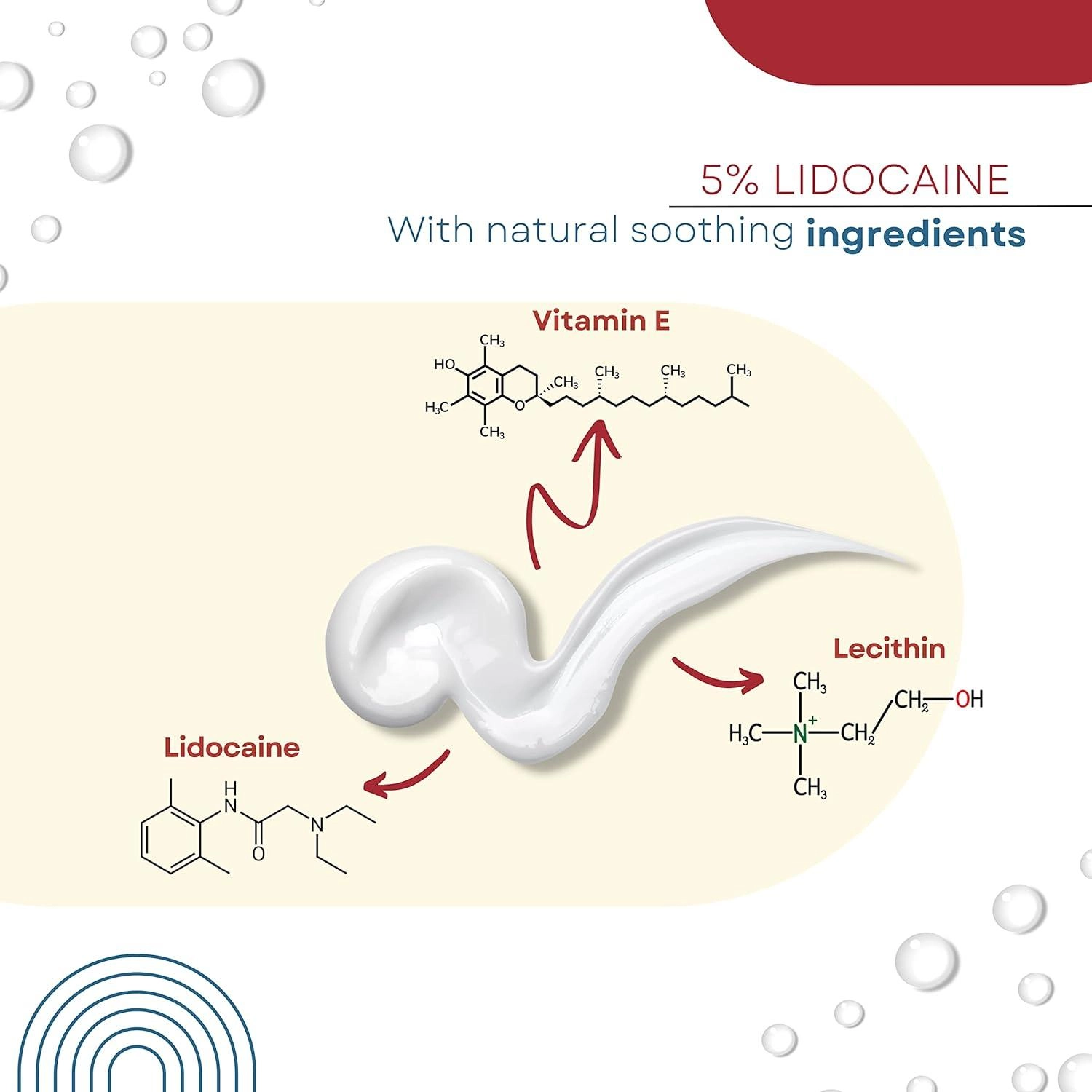
Safe Ingredients to Look for in Numbing Creams
Top 5 eyelash extension Company List and Products Compared
Powder Pigment
Is the hybrid powdered pigment organic pigment for microblading?
Hybrid tattoo powder pigment is a revolutionary solution designed to address common problems encountered during micropigmentation and permanent makeup pigment application. This water-oil balanced makeup tattoo pigment harmoniously blends organic and inorganic ingredients to provide superior results.
Pre-inked Mapping String
Do you provide any other package for pre-inked mapping string?
Yes, we provide different package for pre-inked mapping string: Metal tube / Plastic bottle with metal lid / Paper box. Besides that, we also support making customize outer box for the pre-inked mapping string.
Eyelash lifting
How long does the lash lift glue balm get dry?
On average, glue balm will dry in about 15 seconds, which is slower than liquid glue. Therefore, glue balm is more friendly to beginners, and it can provide more time for beginners to adjust the eyelashes when operation.
Is glue balm easy to clean?
Yes, it is. You can easily clean it with glue remover or water.
Eyelash curling
Can customers with sensitive skin or eyes use lash perm kit?
For customers with sensitive skin or eyes, it is recommended that a patch test be performed prior to use lash lift perm kit. However, our formula is relatively mild and anti-allergenic, so it is normally non-allergenic and suitable for most people.
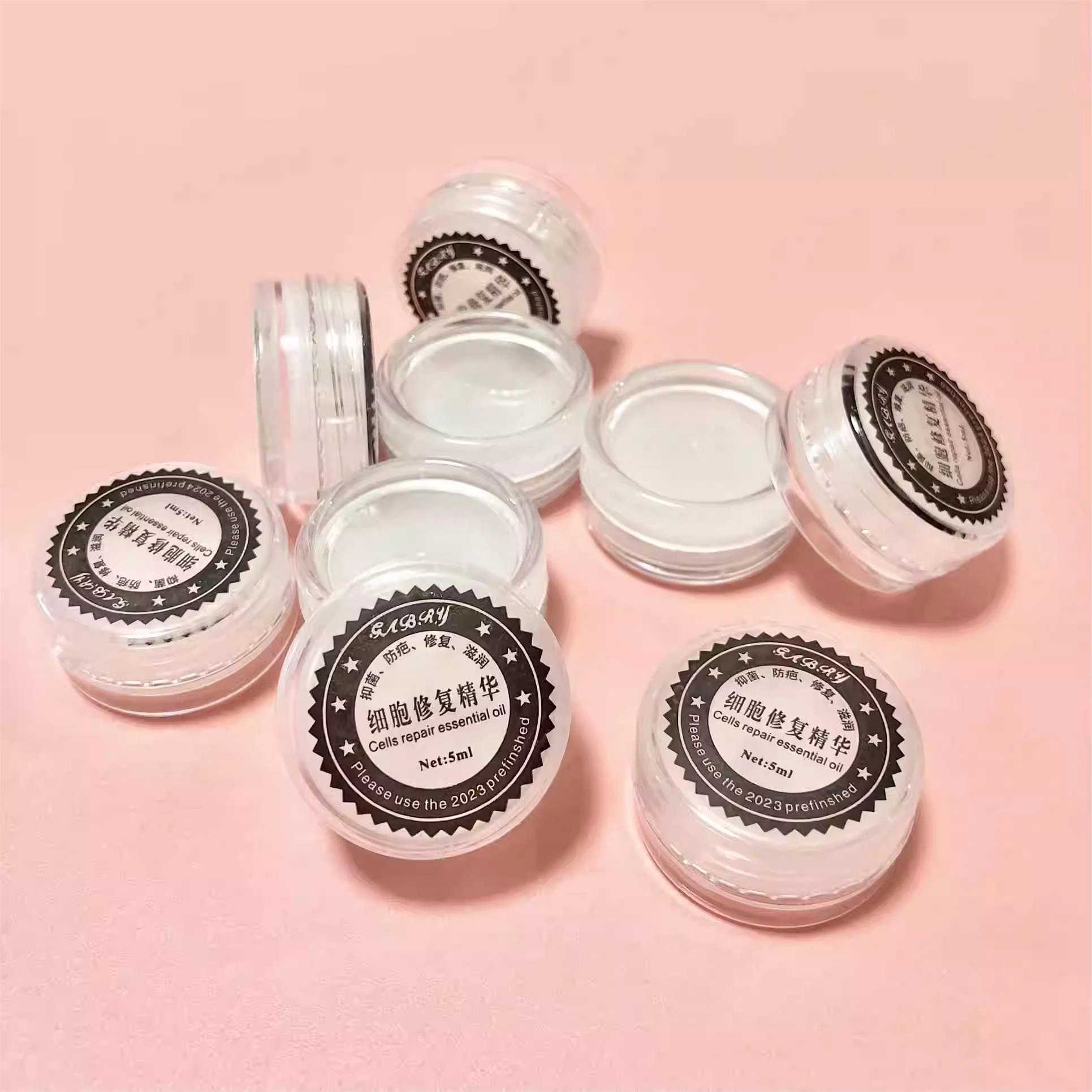
5g Cell Repair Essential Balm

Professional Pre Inked Eye Brow Mapping String 30m
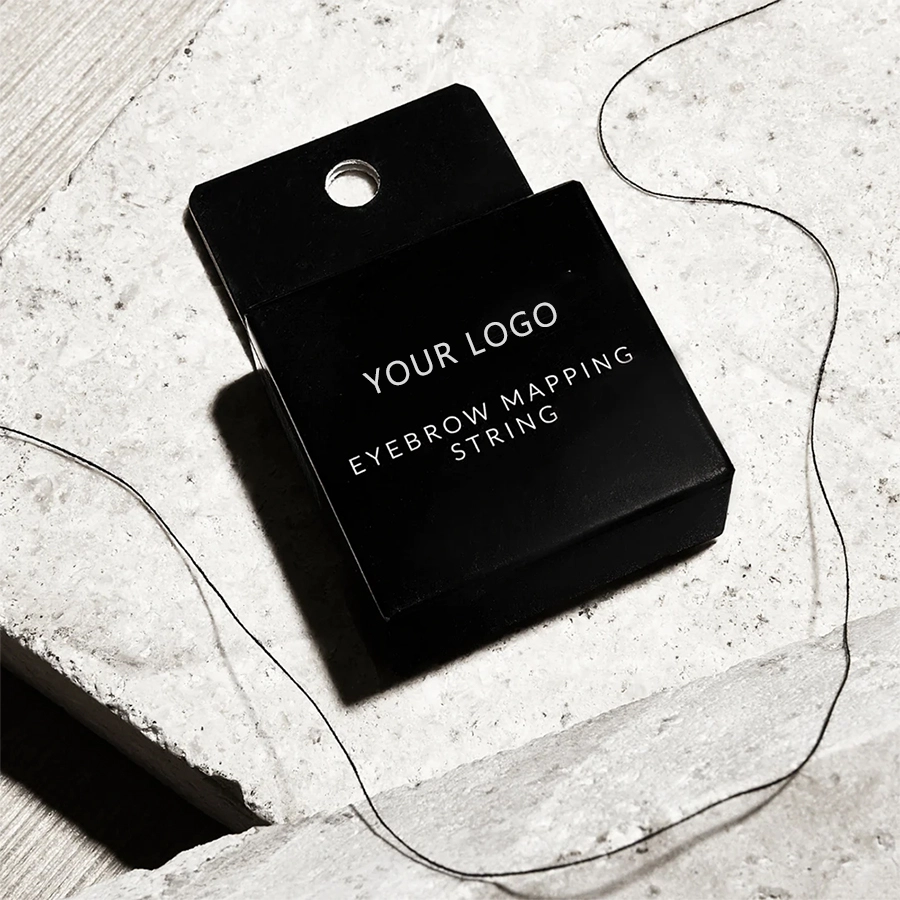
Microblading Pre-inked Mapping String Line 10m

Instagram
Facebook
YouTube