


Safe Ingredients to Look for in Numbing Creams
- How Topical Anesthetics Work and What Makes One Safe
- Mechanism of action — simple and practical
- Key safety considerations
- Safe Active Ingredients to Look For
- Lidocaine — the most commonly recommended option
- Prilocaine — often combined for longer effect (EMLA-style)
- Tetracaine and benzocaine — potency with caution
- How to Choose and Use a Numbing Cream Before Tattoo
- Concentration, formulation, and practical application
- Allergy testing and contraindications
- Professional vs consumer formulations
- Comparing Common Ingredients — Quick Reference
- Why Super Numb Tattoo Cream Is a Professional Choice
- Product profile and benefits
- Wholesale and studio-level considerations
- Practical Safety Checklist for Tattoo Artists and Clients
- Frequently Asked Questions (FAQ)
- Is it safe to use numbing cream before tattooing?
- How long before a tattoo should I apply numbing cream?
- Can numbing cream affect tattoo ink or healing?
- Are there medical conditions that make numbing creams unsafe?
- What should I do in case of an adverse reaction?
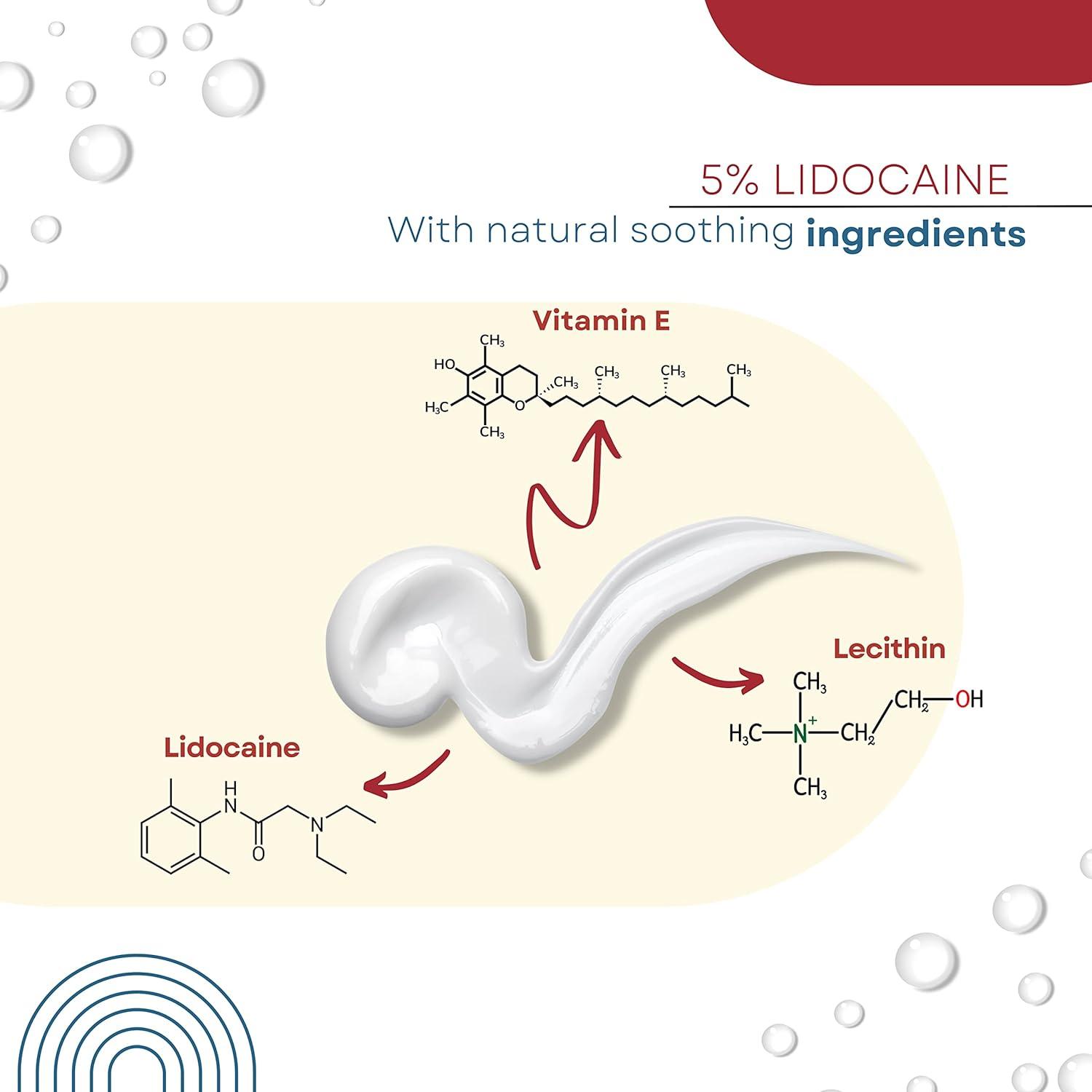
When preparing for a tattoo procedure, choosing a safe and effective numbing cream before tattoo work can improve comfort and procedure quality. This article helps tattoo artists and clients identify trustworthy active ingredients, understand how they work, spot safety concerns (allergies, methemoglobinemia, absorption limits), and pick a pro-grade product like Super Numb Tattoo Cream for fast, strong numbing while following best-practice guidelines and local regulations.
How Topical Anesthetics Work and What Makes One Safe
Mechanism of action — simple and practical
Topical anesthetics block sodium channels in sensory nerve endings within the skin, preventing pain signals from traveling to the brain. This effect depends on the active ingredient, its concentration, formulation (cream, gel, or ointment), and whether occlusion (covering the area) is used. For detailed pharmacology, see the overview on topical anesthetics on Wikipedia (Wikipedia).
Key safety considerations
Safety is not just about potency. When selecting a numbing cream before tattooing, evaluate:
- Active ingredient and concentration — higher concentration increases effect but also systemic absorption risk.
- Skin condition — broken or inflamed skin increases absorption and risk of adverse effects.
- Application time and area — extended occlusion or large-area application raises systemic exposure.
- Patient risk factors — age, pregnancy, liver disease, and certain enzyme deficiencies (e.g., G6PD) can change safety profiles.
Authoritative sources like PubMed reviews and regulatory guidance emphasize these safety pillars; see a clinical review of topical anesthetics (PubMed).
Safe Active Ingredients to Look For
Lidocaine — the most commonly recommended option
Lidocaine is an amide anesthetic with a predictable onset and duration. It is widely used in dermatology and tattooing for its efficacy and safety profile when used according to guidelines. Typical benefits:
- Rapid onset (minutes), duration 30–90+ minutes depending on concentration and occlusion.
- Lower incidence of allergic reactions compared with ester anesthetics.
- Available in many professional formulations including creams suitable for numbing cream before tattoo use.
When used appropriately, lidocaine offers a good balance of strength and safety. More on lidocaine and topical use is available from clinical literature and drug information resources (Lidocaine — Wikipedia).
Prilocaine — often combined for longer effect (EMLA-style)
Prilocaine is another amide anesthetic commonly combined with lidocaine (e.g., EMLA creams) to extend duration and enhance depth. While effective, prilocaine can, rarely, cause methemoglobinemia in susceptible patients, especially infants or those with certain enzyme deficiencies. Always follow recommended dose limits and screening practices.
Tetracaine and benzocaine — potency with caution
Tetracaine is a potent ester anesthetic with long duration; benzocaine is effective for superficial numbing but has higher risk of allergic reactions and methemoglobinemia, particularly in infants and when absorbed systemically. The U.S. FDA has issued safety communications on benzocaine-related methemoglobinemia risks — review the FDA guidance here (FDA). For tattooing, many professionals prefer amide anesthetics (lidocaine/prilocaine) over ester types for safety and lower allergy risk.
How to Choose and Use a Numbing Cream Before Tattoo
Concentration, formulation, and practical application
Choosing the right product depends on the intended procedure: a small, precise eyebrow or lip procedure vs. a large back tattoo. Consider these steps:
- Pick a product with clinically supported concentrations (e.g., lidocaine 4–5% for strong topical effect).
- Follow manufacturer instructions for application thickness, occlusion, and maximum safe area/time.
- Limit the treated surface area and cumulative dose to reduce systemic absorption.
Allergy testing and contraindications
Perform a patch test 24–48 hours before full application when possible, especially for first-time users or sensitive clients. Contraindications include known allergy to the active ingredient, certain cardiac or liver conditions (for high systemic absorption concerns), pregnancy (consult a physician), and use on severely broken skin unless a clinician advises otherwise.
Professional vs consumer formulations
Products labeled for professional use often have higher concentrations and are formulated for controlled clinic application. If you are a professional tattoo artist, use professional-grade creams designed for clinic use, like Super Numb Tattoo Cream by QM Makeup, and follow dosage and safety instructions strictly.
Comparing Common Ingredients — Quick Reference
| Ingredient | Typical concentration for topical use | Onset / Duration | Key safety notes |
|---|---|---|---|
| Lidocaine (amide) | 2%–5% (cream/gel) | Onset: minutes; Duration: 30–90+ min | Low allergy risk; monitor dose/area |
| Prilocaine (amide) | 2.5%–5% (often combined) | Similar to lidocaine; longer when combined | Rare methemoglobinemia risk; caution in infants/pregnancy |
| Tetracaine (ester) | 0.5%–4% (varies by product) | Longer duration; potent | Higher allergy potential than amides; use with care |
| Benzocaine (ester) | 5%–20% (often OTC gels/sprays) | Fast onset; short–medium duration | Associated with methemoglobinemia risk; higher allergy risk |
Source reviews on topical anesthetics and safety considerations: PubMed clinical review (PubMed), FDA safety communications (FDA), and pharmacology summaries (Wikipedia).
Why Super Numb Tattoo Cream Is a Professional Choice
Product profile and benefits
Super Numb Tattoo Cream by QM Makeup offers a strong numbing effect designed for professional tattoo use. Key advantages include:
- Fast onset and robust numbing power to improve client comfort and reduce movement during procedures.
- High-quality formulation intended for professional environments — ideal for wholesale purchases by studios.
- Clear usage and dosage instructions to mitigate systemic absorption risk when used as directed.
For tattoo artists seeking reliable performance during sessions, Super Numb Tattoo Cream can reduce client pain without compromising procedure quality. Learn more or view the product page: Super Numb Tattoo Cream.
Wholesale and studio-level considerations
When buying numbing cream before tattoo procedures in bulk, verify supplier transparency on ingredients, batch testing, and regulatory compliance. Choose vendors who provide Material Safety Data Sheets (MSDS) and clear instructions so your studio remains compliant with local health rules. QM Makeup offers wholesale options and professional support for studio purchasing.
Practical Safety Checklist for Tattoo Artists and Clients
- Always review active ingredient concentrations. Prefer amide anesthetics (e.g., lidocaine) for lower allergy risk.
- Perform a patch test 24–48 hours before if feasible.
- Limit treated area and total dose; avoid applying to large areas under prolonged occlusion without medical oversight.
- Screen clients for pregnancy, liver disease, cardiac conditions, and known allergies.
- Have emergency protocols for allergic reactions and be aware of signs of methemoglobinemia (cyanosis, breathlessness).
- Keep documentation: product batch, expiration, and MSDS for all consumables used in the studio.
Frequently Asked Questions (FAQ)
Is it safe to use numbing cream before tattooing?
Yes, when you choose a product with appropriate active ingredients (commonly lidocaine-based), follow manufacturer instructions, limit treated area and duration, and screen for contraindications. Professional-grade products and proper application minimize risk.
How long before a tattoo should I apply numbing cream?
Application time depends on the product. Many professional creams require 20–60 minutes under occlusion for peak effect. Check product directions and perform a patch test on sensitive clients. Super Numb Tattoo Cream is formulated for fast action; follow the included instructions for best results.
Can numbing cream affect tattoo ink or healing?
Properly formulated topical anesthetics applied to intact skin and removed before excessive disruption of the area generally do not affect ink quality. Avoid injecting anesthetic into the dermis unless performed by a licensed clinician; topical use should not change tattoo healing when used as directed. Keep the tattoo area clean and follow aftercare instructions.
Are there medical conditions that make numbing creams unsafe?
Yes. Pregnancy, liver disease, certain heart conditions, infants, and enzyme deficiencies (e.g., G6PD) can increase risk. Patients taking certain medications or with allergies should consult a healthcare provider. When in doubt, seek medical advice prior to use.
What should I do in case of an adverse reaction?
Stop use immediately, remove the product, and clean the area. For mild reactions consult a healthcare provider. For signs of severe reaction (difficulty breathing, swelling, fainting, or cyanosis suggesting methemoglobinemia), seek emergency care immediately.
If you have more questions or want to source professional-grade numbing cream for your studio, contact QM Makeup Support or view product details and wholesale options here: Super Numb Tattoo Cream — product page. For direct assistance, reach out to our customer service: [email protected].
References and additional reading: Clinical reviews on topical anesthetics (PubMed) (PubMed), topical anesthetic general overview (Wikipedia), and FDA safety communication on benzocaine-related risks (FDA).
Armed with the knowledge of safe and effective ingredients, you can confidently proceed with your session. To ensure you get the absolute most out of your chosen formula, revisit the proper preparation steps in How to Use Numbing Cream Before Tattoo: A Beginner's Guide.
Eco-Friendly Eyelash Kits: Sustainable Options to Buy
Cleaning and Disinfecting Your Microblading Eyebrow Pen
The B2B Buyer’s Guide to Permanent Makeup Supplies
How to manufacturing tattoo needle
About us
What are the customer service hours?
We are proud to offer 7*24h services to all our customers.
Powder Pigment
What is the difference between hybrid tattoo powder pigment and liquid pigment?
Liquid pigment is a pigment based on water, with small molecules, strong fluidity and permeability. The ink can quickly penetrate into the deep layer of the skin, color quickly, and retain color for a long time. It is the best tattoo ink for permanent makeup professional artists to use with machines. hybrid powdered pigment is a pigment based on a combination of water and oil. The color is brighter, the molecules are relatively large, and the fluidity is moderate. It can be used with both machines and hand pens, and is a good choice of high quality permanent makeup pigment for novices and professional tattoo artists.
Eyelash Perming Glue Balm
Easy to do by myself?
Yes, you could use by yourself DIY at home.
Tattoo balm
How often should I use the tattoo repair balm for best tattoo care results?
Tattoo butter balm is the best aftercare for tattoo, here are the general steps and suggestions for using tattoo repair balm.
Use phase:
Use before tattoo: Before tattooing, tattoo repair balm can be used on the tattoo area to help keep the skin moisturized, reduce friction during tattooing, and reduce skin damage.
After tattooing: After the tattoo artist completes the tattoo, it is recommended to use the repair cream for the first time to protect the new tattoo area.
During the healing period: In the next few weeks, the repair balm can be used every day to help keep the skin moisturized and prevent dryness and scabbing.
Daily care: The repair balm can be used every day on the old tattoo area to effectively prevent the old tattoo from fading. It has the effect of enhancing the color and keeping the faded old tattoo bright.
How to use:
Cleaning: Before using the repair balm, clean the tattoo area with warm water and soap-free lotion and pat dry gently.
Apply the repair balm: Take an appropriate amount of the repair balm and apply it evenly on the tattoo area, making sure to cover the entire area.
Gently massage: Gently massage the repair cream to allow it to better penetrate the skin.
Frequency: Apply 1 to 3 times a day according to the product instructions or the tattoo artist's advice to keep the skin moist.
Avoid irritation: During your recovery period, avoid using products containing alcohol or fragrances, as well as overexposure to the sun.
Cleaning Foam Tool
Is your eyelash extension care products safe?
Yes, very safe. Safety is the first element in developing our products, our Eyelash Shampoo Cleanser has a rich foam and is waterless, so it prevents water from getting into the eyes. The ingredients are safe, friendly to sensitive eyes and are anti-allergenic. It can also be used on sensitive skin.

Professional Pre Inked Eye Brow Mapping String 30m
Microblading Pre-inked Mapping String Line 10m
Pre-inked Mapping Ultra-Fine Eyebrows Eyeliner Blade Fan Brush

Instagram
Facebook
YouTube