


Aftercare for Tattoo FAQs Buyers Ask Before Ordering
- Understanding Tattoo Healing
- Phases of healing: what to expect
- Variables that change the timeline
- Essential Aftercare Questions Buyers Ask Before Ordering
- Which aftercare product types should I stock?
- How long should clients follow aftercare instructions?
- Practical Aftercare Protocols I Recommend
- Immediate care: first 24–72 hours
- Days 3–14: scabbing, moisturizing, and activity
- Long-term care: months 1–6 and sun protection
- Managing Complications and When to Seek Help
- How to recognize infection vs normal healing
- Allergic and pigment-related reactions
- Choosing Products: Comparative Data and My Recommendations
- QM Makeup: How Our Products and Services Support Safe Aftercare
- FAQs — Aftercare for Tattoo (Buyers Ask Before Ordering)
- 1. How soon after the tattoo can clients shower?
- 2. Should I sell petroleum jelly or a specialized balm?
- 3. What are the signs of an allergic reaction to ink?
- 4. How long before my client needs a touch-up?
- 5. Can I recommend sunscreen immediately after tattooing?
- 6. What should I include on printed aftercare instructions?
- Final Notes and How to Contact Me / QM Makeup
As a consultant with deep experience in semi-permanent makeup (PMU) and tattoo supplies, I often hear the same buyer questions about aftercare for tattoo before they place an order. This article consolidates practical, evidence-based guidance you can use or give to clients: healing stages, product recommendations, protocols for the first 72 hours through months, signs that require medical attention, and how to choose supplies (ointments, balms, lotions, sunscreens) that maximize pigment retention and minimize complications.
Understanding Tattoo Healing
Phases of healing: what to expect
Tattoo healing follows predictable biological stages: hemostasis, inflammation, tissue formation (epithelialization), and remodeling. During the first 24–72 hours you will see redness, slight swelling, and clear lymph exudate. Over days 3–10 a scab or dry film forms; this is normal if it's thin and evenly distributed. By weeks 2–4 the surface mostly repairs and deeper remodeling continues for months. For an overview of tattoo biology and common complications see the general tattoo article on Wikipedia.
Variables that change the timeline
Healing speed and outcomes depend on skin type, tattoo location (hands and joints heal slower), ink depth and technique, the artist's hygiene, and the client's health (smoking, diabetes, immunosuppression delay healing). I always advise buyers to consider client demographics when selecting aftercare products—sensitive-skin formulas and fragrance-free options reduce irritation risk.
Essential Aftercare Questions Buyers Ask Before Ordering
Which aftercare product types should I stock?
Buyers commonly ask whether to stock petroleum-based ointments, water-based lotions, or dedicated tattoo balms. Each has a role: short-term occlusive protection (first 24–72 hours) is often best with a light, sterile ointment; after the initial phase, a non-comedogenic lotion or a specialized tattoo balm supports rehydration and reduces scabbing. I include a comparative table below to help you decide.
How long should clients follow aftercare instructions?
Basic timelines I recommend: 24–72 hours of initial protection (depending on artist protocol), then 2–4 weeks of gentle cleansing 1–2 times daily and regular moisturization until the skin is no longer flaky and feels normal. Full pigment settling and remodeling can take 3–6 months. Clear written instructions that match the product you sell are essential for compliance and better outcomes.
Practical Aftercare Protocols I Recommend
Immediate care: first 24–72 hours
My standard immediate protocol that I recommend to clients and partner artists: the artist should remove the initial bandage within 1–4 hours if a breathable dressing was used, or follow their clinic's standard. Gently wash with lukewarm water and a mild, fragrance-free antibacterial soap for 30–60 seconds, pat dry with a clean towel or sterile gauze, then apply a thin layer of a sterile, non-petroleum-based ointment if recommended. Avoid re-bandaging unless advised. The goal is to keep the area clean but not overly occluded to prevent maceration.
Days 3–14: scabbing, moisturizing, and activity
Expect light scabbing or dry film—do not pick or peel. Continue gentle cleansing once or twice daily and switch to a light, fragrance-free moisturizer or tattoo-specific balm about 48–72 hours after application of heavy ointment. Hydration helps reduce itch and premature scab picking. Limit submersion (pools, baths, hot tubs) for at least two weeks and avoid intense exercise that causes heavy sweating over the area for the first 7–10 days.
Long-term care: months 1–6 and sun protection
After the surface heals, pigment retention and appearance benefit from daily sunscreen when exposed to UV. I recommend a broad-spectrum SPF 30+ mineral or chemical sunscreen once healed. Touch-ups are typically considered at 6–12 weeks if pigment loss or blotchiness is present. Long-term moisturizing keeps the skin pliable and colors vivid.
Managing Complications and When to Seek Help
How to recognize infection vs normal healing
Normal healing includes mild redness, tenderness early on, and clear or slightly yellow serous fluid. Seek medical attention if you observe spreading redness beyond the tattoo margin, increasing pain, warmth, raised red streaks, pus, fever, or swollen lymph nodes. These signs suggest bacterial infection. The U.S. FDA provides guidance on tattoo-related risks and when to consult a healthcare professional.
Allergic and pigment-related reactions
Red, purple, and yellow pigments more commonly cause delayed allergic reactions. Symptoms can include persistent itching, granulomas, or keloid formation in predisposed individuals. For reports and regulatory context about pigments and risks see the FDA page above and consult dermatology resources such as the American Academy of Dermatology (AAD) for clinical signs and recommended actions.
Choosing Products: Comparative Data and My Recommendations
Below is a practical comparison to help buyers choose what to stock for clients. These recommendations are based on clinical guidance from dermatology associations and industry best practices.
| Product Type | Typical Use Period | Pros | Cons | Best For |
|---|---|---|---|---|
| Sterile Ointment (short-term) | First 24–72 hours | Protects wound, reduces friction, easy to apply | Can trap moisture if overused, may clog pores | Fresh tattoos, short occlusion |
| Water-based Lotion | Days 3–ongoing | Lightweight, non-comedogenic, hydrates well | Less barrier protection initially | Sensitive skin, daily maintenance |
| Tattoo Balm (beeswax/plant-based) | After 48–72 hours to weeks | Protective, soothing, often contains vitamins | Some contain fragrances/essential oils that irritate | Dry skin types, pigment-rich areas |
| Broad-spectrum Sunscreen | After healed (weeks–months) | Prevents UV-induced fading, protects skin health | Must be reapplied; not for open wounds | Outdoor exposure |
For medical guidance on topical care and infection prevention, consult the Centers for Disease Control and Prevention (CDC) and the AAD. These organizations summarize evidence-based infection control and skin care practices that align with what I recommend to clients and retailers.
QM Makeup: How Our Products and Services Support Safe Aftercare
QM Makeup was established in 2005; we specialized in the field of semi-permanent makeup and eyelash tattoo beauty, and we are committed to becoming a leading company in the industry. From my direct work with brands and clinics, I know that high-quality supplies and clear aftercare directions make measurable differences in client outcomes.
We specialize in permanent makeup and eyelash beauty products, providing professional wireless tattoo machines, microblading machines, semi-permanent makeup ink, tattoo skin for practice, tattoo numb cream, a professional lash lift kit, the best lash lift and tint kit, professional eyelash glue and eyelash extension lashes products. Our product range supports the entire client journey—from procedure to healing. Visit our site: https://www.qmmakeup.com or email us at [email protected].
Our company integrates distribution, wholesale, private labeling and OEM processing on a large scale. We provide customers with a full range of customized branding solutions to help our partners maximize business value. Our production base covers an area of 10,000 square meters and has independent research and development and production capabilities, helping customers achieve product customization and providing one-stop tattoo supplies brand solutions.
Why I recommend QM Makeup for clinics and retailers: we combine product breadth (tattoo machine, tattoo ink, microblading tools, tattoo supplies, false eyelashes) with production control, allowing strict quality checks, formulation customization (sensitive-skin, fragrance-free), and private labeling. This vertical integration ensures consistent batch quality and the ability to adapt formulations to regulatory guidance like the FDA recommendations on pigments and labeling.
FAQs — Aftercare for Tattoo (Buyers Ask Before Ordering)
1. How soon after the tattoo can clients shower?
Clients can shower after leaving the initial bandage on for the time recommended by the artist (commonly 1–4 hours). Use lukewarm water and avoid direct high-pressure spray on the tattoo for the first 48 hours. Do not submerge in baths, pools, or hot tubs for at least two weeks.
2. Should I sell petroleum jelly or a specialized balm?
I recommend both for different phases: a sterile ointment or petroleum-free sterile option for immediate protection, and a fragrance-free lotion or dedicated tattoo balm for days 3–14 and maintenance. Ensure packaging and instructions are clear to prevent misuse (overuse of occlusive ointments can delay healing).
3. What are the signs of an allergic reaction to ink?
Persistent redness, raised bumps (granulomas), intense itching beyond normal healing, or spreading dermatitis—especially with colored pigments—may indicate allergy. Advise clients to see a dermatologist. For pigment safety context see the FDA resource on tattoo inks.
4. How long before my client needs a touch-up?
Touch-ups are commonly considered at 6–12 weeks when the skin has finished initial remodeling. Factors influencing need include placed ink depth, aftercare adherence, and client skin type. I recommend a standard follow-up policy when you sell procedures or supplies to encourage return visits.
5. Can I recommend sunscreen immediately after tattooing?
No. Sunscreen should only be applied once the tattoo surface has fully healed (no open skin, scabs, or flaking), usually after 2–4 weeks. Once healed, broad-spectrum SPF 30+ helps prevent fading.
6. What should I include on printed aftercare instructions?
Include: 1) cleaning steps and frequency; 2) product name/type and how much to apply; 3) activities to avoid (submersion, sauna, excessive sweating); 4) what signs indicate normal healing vs infection; 5) when to seek medical care; 6) recommended sunscreen and long-term moisturizing advice.
Final Notes and How to Contact Me / QM Makeup
I developed these recommendations from years of advising clinics and evaluating product performance in real-world settings. If you're a buyer, clinic owner, or artist preparing to order aftercare products, consider your client mix, liability considerations, and the evidence-based timelines above when choosing formulations and writing aftercare guidance.
For product sourcing, private labeling, or OEM inquiries, QM Makeup can support you with high-quality tattoo machines, tattoo ink, microblading tools, tattoo practice skin, tattoo numb cream, lash lift kits, and eyelash extension supplies. Visit QM Makeup or contact us at [email protected] for catalogs, samples, or custom formulation options.
The B2B Buyer’s Guide to OEM Microblading Tools
Top Aftercare Products Every PMU Studio Should Stock
Wholesale tattoo pigment powder manufacturer and supplier in 2026
Natural vs Strong Numb Creams: Buyer Recommendations
Tattoo aftercare
Is the repair product suitable for all skin types?
Yes, our repair products are good tattoo aftercare products, it is suitable for all skin types aftercare for tattoo. They are gentle and safe and can be used on sensitive skin.
How long does it take to see the effect of the aftercare for a tattoo?
Due to physical differences, the healing speed of each person's wound may be different. We recommend continuous use within one week after semi permanent makeup, and usually within 1-2 weeks, you can see a significant improvement in the appearance of the semi-permanent tattoo.
Payment
Do you support pay on delivery?
In order to ensure the security of transactions, improve order service efficiency and speed up the turnover of the company's funds, we have adopted a more secure prepayment method. Therefore, we currently do not support pay on delivery.
Eyelash curling
If a customer is not satisfied with the results of lash lamination, can it be reversed?
Yes. If you are not satisfied with the curling effect of lash lift, you can use perm agent to soften the eyelashes again, and then use neutralizer to set them again. However, it is recommended to wait at least 2 weeks between two treatment.
Lip patch
Can I use numbing products on sensitive skin? Is it safe? Are there any potential side effects?
The ingredients we use are very safe, with anti-allergic effects, and under normal circumstances there are no side effects. However, based on individual differences, it cannot be ruled out that some people may experience temporary redness or irritation in some areas. We recommend patch testing before handling and following product instructions to minimize the risk of adverse reactions.
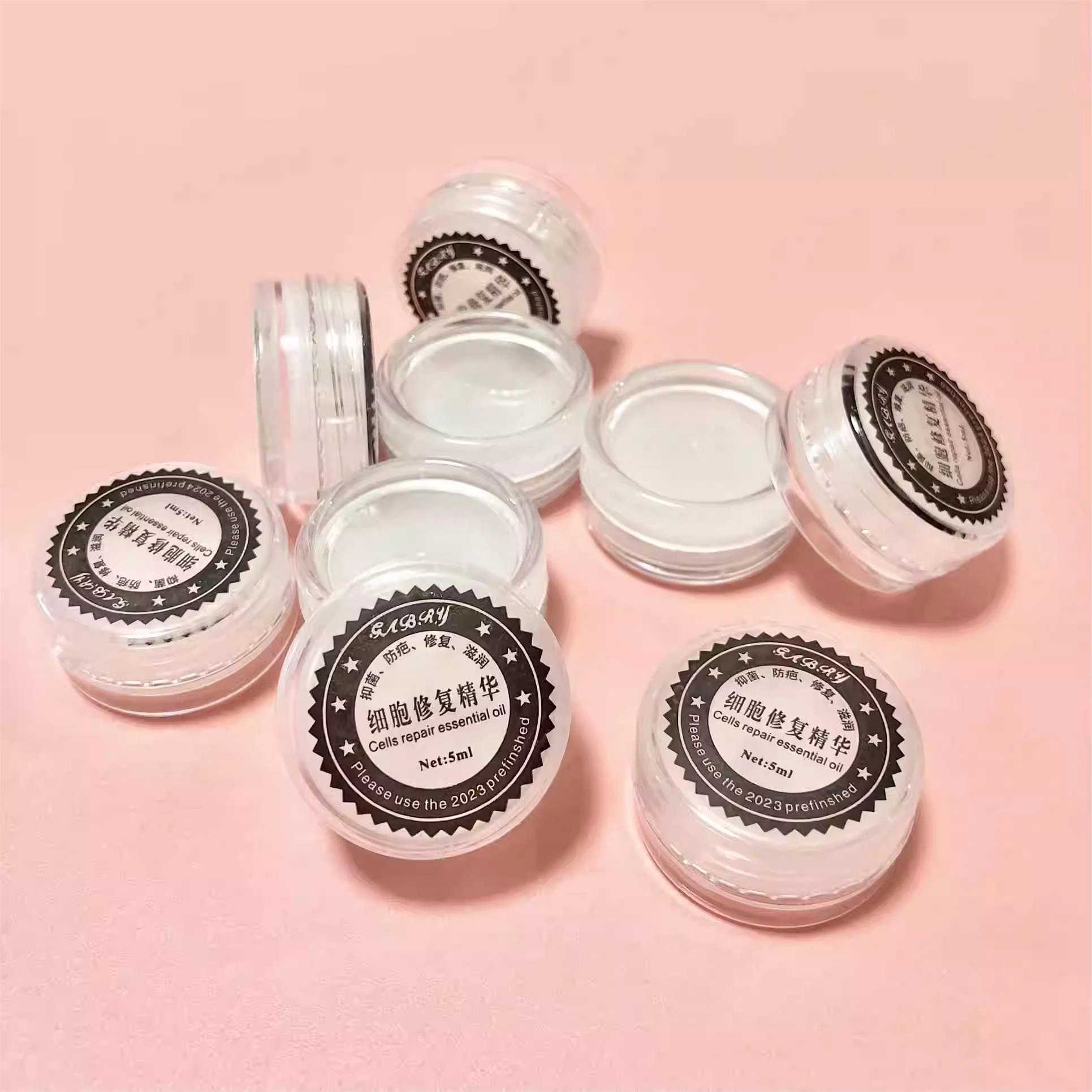
5g Cell Repair Essential Balm

Professional Pre Inked Eye Brow Mapping String 30m
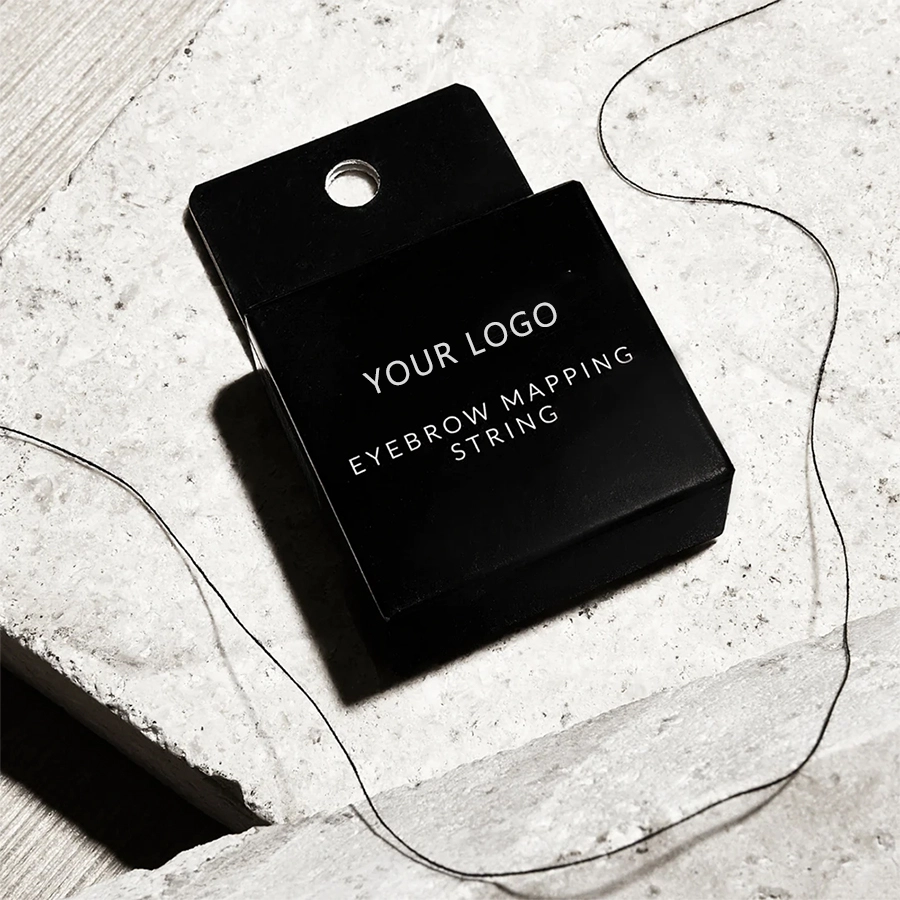
Microblading Pre-inked Mapping String Line 10m

Instagram
Facebook
YouTube