


Best Machines for Lip Blush: Speed, Stroke, and Pigment Flow
- Understanding the Lip Blush Challenge
- The anatomy and healing context
- Why speed, stroke, and pigment flow matter
- Regulatory and safety context
- Machine Types Compared: Which Works Best for Lip Blush?
- Overview of machine categories
- At-a-glance comparison table
- My practical recommendation
- Settings, Needles, and Pigment Considerations
- Needle configuration and grouping
- Depth, speed, and stroke—practical ranges
- Pigment viscosity and formulation
- Practical Machine Selection: Features to Prioritize
- Ergonomics and tactile feedback
- Hygiene and consumables: cartridges and disposables
- Power consistency and warranty/support
- Comparison of select professional features (table)
- Models, Sourcing, and Professional Supply Strategy
- Choosing a model: what I look for
- Where to buy and OEM/private label considerations
- QM Makeup: supplier capabilities and product scope
- Evidence & Standards: Backing Up Best Practices
- Industry guidance and evidence
- What the literature and standards imply for device choice
- Data sources and authority
- Practical Protocol for Lip Blush Sessions (My Workflow)
- Pre-procedure assessment
- Machine setup and first passes
- Aftercare and touch-ups
- FAQs
- 1. What's the best tattoo machine for beginners doing lip blush?
- 2. Are wireless machines less powerful or reliable?
- 3. How do I prevent pigment migration and blowout on lips?
- 4. Which pigments work best for lip blush?
- 5. How often do professionals perform touch-ups for lip blush?
- 6. Can I microblade lips the same way as eyebrows?
- Closing and Contact / Product CTA
As a PMU practitioner with years of experience in lip blush and eyelash tattoo beauty, I know that choosing the right tattoo machine is not just about brand reputation—it's about matching speed, stroke length, and pigment flow to the lip anatomy, skin type, and the artistic technique you use. This article distills hands-on knowledge and industry guidance into actionable criteria so you can answer the fundamental client question: what's the best tattoo machine for lip blush? I also summarize trusted standards and point to professional supplies and sourcing options for clinics and educators.
Understanding the Lip Blush Challenge
The anatomy and healing context
Lips are highly vascular and mobile with thinner epidermis and a higher concentration of mucosal tissue than facial skin. That influences pigment retention, color migration, and sensitivity during procedures. For background on lip anatomy and tissue differences, see the Wikipedia overview on lips (https://en.wikipedia.org/wiki/Lip).
Why speed, stroke, and pigment flow matter
In lip blush, speed (how fast the needle cycles), stroke length (needle travel per cycle), and pigment flow (how the ink is delivered into tissue) determine pigment saturation, feathering risk, and client comfort. The right combination reduces trauma, improves retention, and yields more predictable color blending. Professional organizations like the American Academy of Micropigmentation and the Society of Permanent Cosmetic Professionals emphasize technique and device control as key to safety and outcomes.
Regulatory and safety context
Tattoo inks and devices are subject to safety guidance in many markets. The U.S. Food and Drug Administration notes considerations for tattoo inks and pigments (https://www.fda.gov/cosmetics/cosmetic-products/regulated-products/tattoos), and practitioners should use products with documented safety profiles and follow infection-control best practices.
Machine Types Compared: Which Works Best for Lip Blush?
Overview of machine categories
There are four primary categories that PMU artists use for lip blush: coil machines, rotary (coreless) machines, cartridge/pen systems, and wireless/battery pens. Each has pros and cons for speed, stroke, and pigment flow.
At-a-glance comparison table
Below I summarize typical characteristics for each machine category. Values are industry-typical ranges and represent what I've seen in licensed PMU studios and professional literature.
| Machine Type | Typical Stroke Length | Typical Speed | Pigment Flow Control | Best For |
|---|---|---|---|---|
| Coil | Short to medium (2.5–4.0 mm) | Moderate (60–80 Hz typical) | Less linear; strong impact, harder to micro-shade | Classic lining; not ideal for soft lip blush unless modified |
| Rotary (coreless) | Short to medium (2.0–4.0 mm) | High and smooth (6,000–12,000 RPM range) | Smoother, consistent pigment delivery | Shading and soft blending; good for lip blush |
| Cartridge / Pen | Short (1.5–3.5 mm; many adjustable) | Variable; precise control (Hz or RPM adjustable) | Excellent; cartridges maintain hygiene and consistent flow | Most PMU artists' first choice for lip blush |
| Wireless Battery Pen | Short (1.5–3.5 mm) | Variable; battery-stabilized | Good; freedom of movement with professional cartridges | Clinic flexibility, mobile artists, consistent lip shading |
My practical recommendation
For lip blush specifically, I prefer pen-style cartridge systems or high-quality rotary pens. They offer smoother pigment flow, minimal tissue trauma when used correctly, and precise depth control—critical for the delicate lip mucosa. If you're asking what's the best tattoo machine for lip blush, my experience supports a cartridge/pen rotary platform as the most consistent option for shading and soft gradients.
Settings, Needles, and Pigment Considerations
Needle configuration and grouping
Needle choices affect pigment deposition and healing. For lip blush we commonly use round magnum-type or flat shaders in very small groupings (e.g., RM or M1 cartridges with 3–7 stacked needles) to create soft saturation without dense trauma. Use fewer needles with gentler passes on thin or highly reactive lips.
Depth, speed, and stroke—practical ranges
Depth: For lips I work conservatively—typically shallow depths to the upper dermis. Industry practice varies, but a practical in-chair range for lip blush is approximately 0.5–1.0 mm depending on client tissue, previous procedures, and pigment characteristics. Err on the shallow side for first pass and build with touch-ups. (See professional organizations for technique guidance: AAM.)
Speed & Stroke: For rotary/pen machines, a smooth mid-to-high speed with a short stroke reduces trauma and gives even pigment distribution. Typical stroke lengths of 2.0–3.5 mm combined with variable RPM (or Hz) tuned to artist feel provide predictable blending. Again, start conservative and adapt to tissue feedback.
Pigment viscosity and formulation
Pigment chemistry affects flow. Thicker pigments require slightly slower speeds or larger needle groupings; thinner pigments flow more readily and can be placed with shorter strokes. Use PMU-grade pigments formulated for lips with documented safety and lightfastness. The FDA cautions that pigments vary in composition; choose inks from reputable suppliers and request safety data sheets (FDA - Tattoos).
Practical Machine Selection: Features to Prioritize
Ergonomics and tactile feedback
Lip blush requires fine motor control. A lightweight pen that balances in your hand and provides tactile feedback helps you make feather-light passes. Adjustable stroke length and speed controls are a major plus because they let you tune to individual clients.
Hygiene and consumables: cartridges and disposables
Cartridge systems are superior for infection control because they are sealed, single-use, and reduce cross-contamination risk. They also allow rapid needle changes for varying densities during a session.
Power consistency and warranty/support
Stable power output (build quality and battery management) maintains consistent stroke and pigment flow. Choose manufacturers with clear warranties and accessible parts/service. Reliable after-sales support reduces downtime and supports clinic reputation.
Comparison of select professional features (table)
| Feature | Why It Matters for Lip Blush | Recommended |
|---|---|---|
| Adjustable Stroke | Fine-tunes tissue engagement and pigment deposition | Yes—0.5–3.5 mm range ideal |
| Variable Speed Control | Match speed to pigment viscosity and client comfort | Yes—smooth, stepless control preferred |
| Cartridge Compatibility | Hygiene and needle selection flexibility | Yes—standard cartridge types |
| Battery / Wireless Option | Mobility and consistent power for mobile artists | Optional—choose high-capacity batteries with stable output |
Models, Sourcing, and Professional Supply Strategy
Choosing a model: what I look for
Rather than a single best brand, I evaluate machines by: 1) consistency of stroke and motor, 2) cartridge ecosystem and needle availability, 3) ergonomic design, 4) manufacturer transparency (spec sheets, safety testing), and 5) after-sales support. When clients ask what's the best tattoo machine? I respond that the best is the machine that consistently delivers controlled, shallow pigment placement with minimal tissue trauma and robust hygiene protocols.
Where to buy and OEM/private label considerations
For clinics and distributors, working with suppliers that support OEM/private labeling and meet quality standards simplifies brand-building. If you need bulk supply or custom branding, choose a manufacturer with R&D and production capabilities, transparent quality control, and experience in PMU markets.
QM Makeup: supplier capabilities and product scope
QM Makeup was established in 2005 and specializes in semi-permanent makeup and eyelash tattoo beauty. They offer a broad professional range including wireless tattoo machines, microblading machines, semi-permanent makeup ink, tattoo skin for practice, tattoo numb cream, lash lift kits, lash lift and tint kits, professional eyelash glue and extension lashes. QM Makeup integrates distribution, wholesale, private labeling and OEM processing at scale, providing customized branding and one-stop tattoo supplies brand solutions. Their production base covers 10,000 square meters with independent R&D and manufacturing to support product customization and reliable supply chains. Visit QM Makeup or contact [email protected] for product and partnership inquiries.
Evidence & Standards: Backing Up Best Practices
Industry guidance and evidence
While PMU-specific randomized controlled trials are limited, consensus guidelines from professional societies and regulatory safety advisories inform best practice. Refer to the American Academy of Micropigmentation (AAM) and the Society of Permanent Cosmetic Professionals (SPCP) for training standards, infection control, and technique recommendations. For safety of pigments and inks, refer to the U.S. Food & Drug Administration guidance on tattoos and pigments (FDA - Tattoos).
What the literature and standards imply for device choice
Regulatory and professional guidance emphasize: using certified, single-use consumables where possible; maintaining accurate device maintenance and calibration; and choosing devices that allow precise control of depth and pigment delivery. That supports the preference for pen-style cartridge systems with adjustable parameters when working on delicate areas like lips.
Data sources and authority
Key references used to inform this article include Wikipedia summaries for contextual anatomy and device history (Semi-permanent makeup, Tattoo machine), FDA guidance on inks (FDA), and professional society resources from AAM and SPCP. These sources help validate the safety- and technique-focused recommendations I provide.
Practical Protocol for Lip Blush Sessions (My Workflow)
Pre-procedure assessment
Assess lip anatomy, prior PMU or tattoo history, scarring, medication, and allergy history. Discuss realistic color goals and healing expectations. If a client has history of keloid scarring, active herpes simplex, or recent isotretinoin use, follow contraindication protocols and consider medical clearance.
Machine setup and first passes
I set a pen-style rotary with a short stroke (approximately 2.0–3.0 mm), moderate speed, and small magnum cartridge. My first pass is shallow and conservative—building color in multiple passes rather than one aggressive deposit. Monitor tissue response: if excessive bleeding occurs, back off depth and slow the technique.
Aftercare and touch-ups
Provide clear aftercare instructions focusing on hydration, avoidance of exfoliants, and sun protection. Schedule a 6–12 week touch-up for color refinement and retention optimization. Document machine settings and pigment lot numbers for quality control and any future color management.
FAQs
1. What's the best tattoo machine for beginners doing lip blush?
For beginners, a reliable cartridge/pen rotary system with simple speed control and ergonomic balance is best. The cartridge system simplifies hygiene and needle changes. Get training from a reputable academy and practice on synthetic skins or under supervision before working on clients. See AAM for training resources: https://aamicro.org.
2. Are wireless machines less powerful or reliable?
High-quality wireless machines can be as reliable as corded units if they use stable batteries and quality electronics. Choose units with consistent output specifications and long battery life. For busy clinics, keep a backup battery or corded option available.
3. How do I prevent pigment migration and blowout on lips?
Use conservative depth and short strokes, appropriate needle grouping, and quality pigments with correct viscosity. Build color in multiple passes, avoid overworking tissue, and respect lip tension lines. If uncertain, perform a lighter initial pass and schedule a touch-up.
4. Which pigments work best for lip blush?
PMU-grade pigments formulated specifically for lips with proven lightfastness and documented ingredient lists are best. Choose reputable suppliers, check safety data sheets, and patch-test when in doubt. For regulatory context, consult FDA guidance: FDA - Tattoos.
5. How often do professionals perform touch-ups for lip blush?
A standard touch-up window is 6–12 weeks after the initial procedure to refine color and coverage. Long-term color retention varies by pigment, sun exposure, and client tissue; many clients return for color refreshes every 1–3 years.
6. Can I microblade lips the same way as eyebrows?
No. Microblading (manual, blade-based strokes) is designed for hair-simulation in brows. Lips require soft shading and gradient techniques that are better accomplished with rotary/cartridge pen devices designed for pigment diffusion rather than hair-stroke mimicry.
Closing and Contact / Product CTA
If you're building a professional PMU service or upgrading equipment, I recommend evaluating pen-style cartridge rotary platforms for lip blush and sourcing pigments and consumables from trusted manufacturers. QM Makeup (est. 2005) provides a comprehensive range—tattoo machines, tattoo ink, microblading supplies, practice skins, topical anesthetics, lash lift kits, and eyelash extension products—with OEM/private label options and large-scale distribution. Their R&D-backed production base and one-stop supply model make them a practical partner for clinics and distributors. Visit https://www.qmmakeup.com or email [email protected] to request catalogs, OEM quotes, or sample packs.
Choose devices that give you controllable, consistent strokes and pigment flow—it's the combination of technique, device, and pigment that yields predictable lip blush results. If you want a consultation on machine selection for your studio setup or a product sourcing plan, contact QM Makeup at [email protected].
Custom tattoo ink Manufacturers and Suppliers
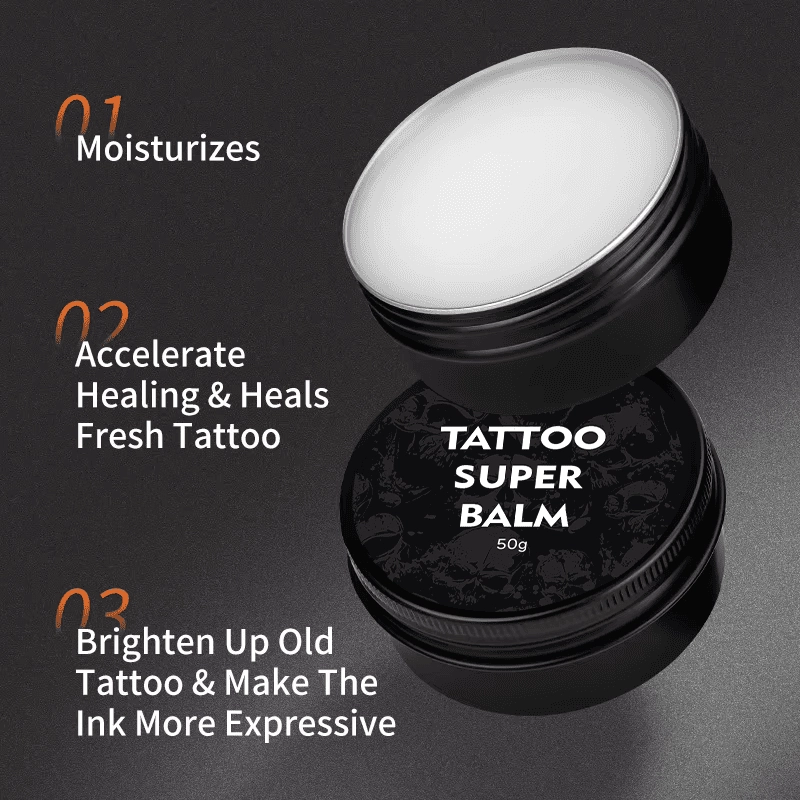
Preventing Fading: Best Practices and Aftercare Creams
Where to Buy numbing gel for microblading
How to Choose Right tattoo machine manufacturer and supplier ?
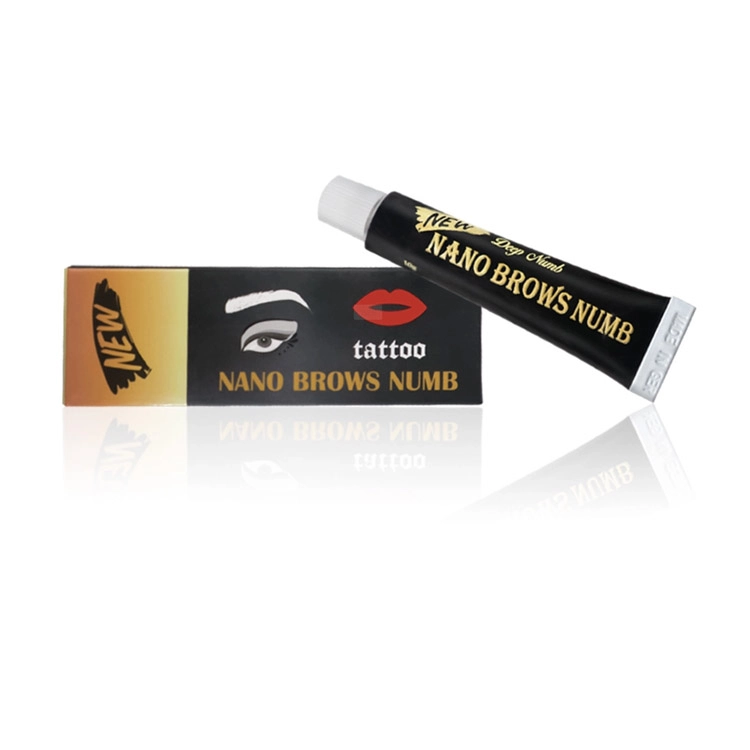
Nano cream
Do your tattoo numb products turn brown? How should they be stored?
Because the tattoo numb product is formulated with a lidocaine and procaine base, it must be stored in a cool, light-proof place. Excessive room temperature, exposure to sunlight, or failure to seal the cap after opening may result in discoloration and deterioration of the product, which may result in loss of the numbing effect.
Here are some instruction for you:
1. Keep tattoo numb numbing cream in cool place and avoid sunlight.
2. After open, please close the lid as soon as possible, make sure that you have already close it tightly.
3. For a better effect to prevent the open cream / essence get touch with the air, you can cover with a plastic film on the tube port, then close with lid.
4. Numb nuts cream for tattoo can also be stored in the crisper section of the refrigerator if you are experiencing hot weather.
Logistics
When will my order ship?
We ship from our warehouse in Guangzhou, China. The standard order preparing time is typically 5-7 days.
Customization or Production: If the product needs to be customized or produced, the shipping time will depend on the production cycle, which may take 7 days to several weeks.
Payment
What methods of payment are accepted?
We accept various payment methods including T/T (Telegraphic Transfer), Western Union, Credit cards, Alipay, WeChat, and more.
Cleaning Foam Tool
What size and style of the bottles you have?
We are specialize in eyelash extension supply, for now we provide over 100 styles of bottles for you to choose from. As for bottle sizes, there are 60ml, 100ml, 120ml, 150ml, 200ml and so on.
Lash lift kit
Does the neutralizer contain the ingredient “Sodium Bromate” ?
Yes. The active ingredient of the neutralizer is an oxidant agent, which reconnects the disulfide bonds in the eyelashes that were broken by the perming lotion. Commonly used oxidants are sodium bromate and hydrogen peroxide. Sodium bromate works best at a neutral pH value, and can achieve a firm, elastic styling effect.

Professional Pre Inked Eye Brow Mapping String 30m
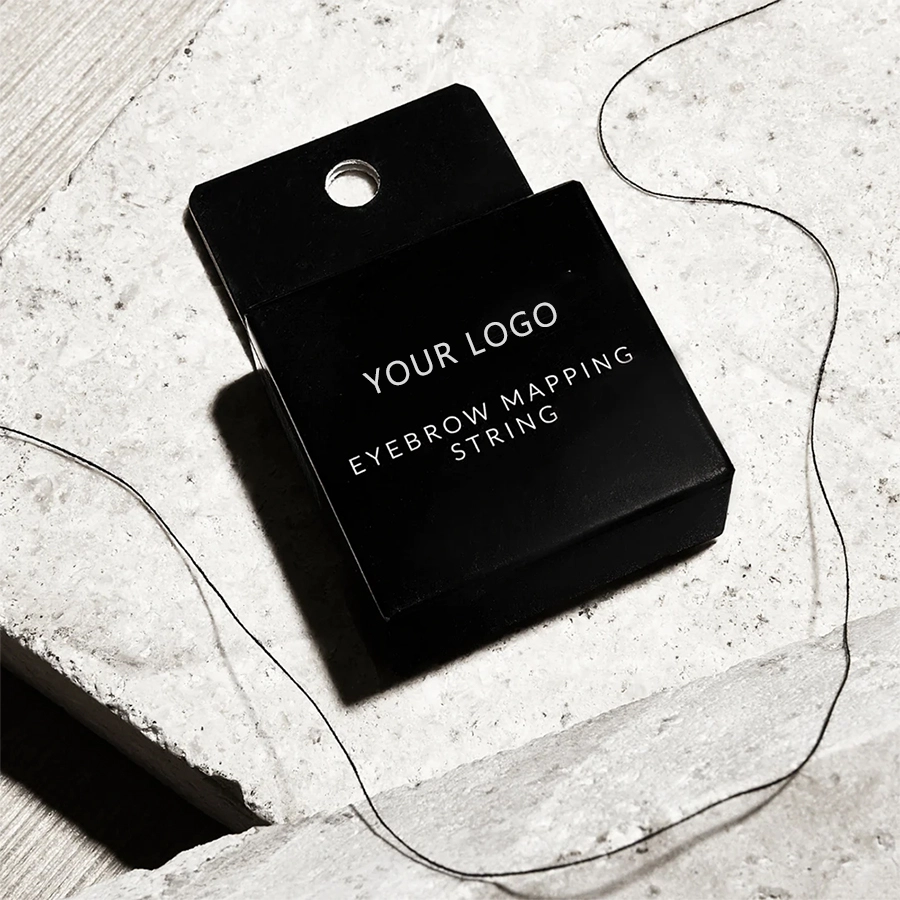
Microblading Pre-inked Mapping String Line 10m
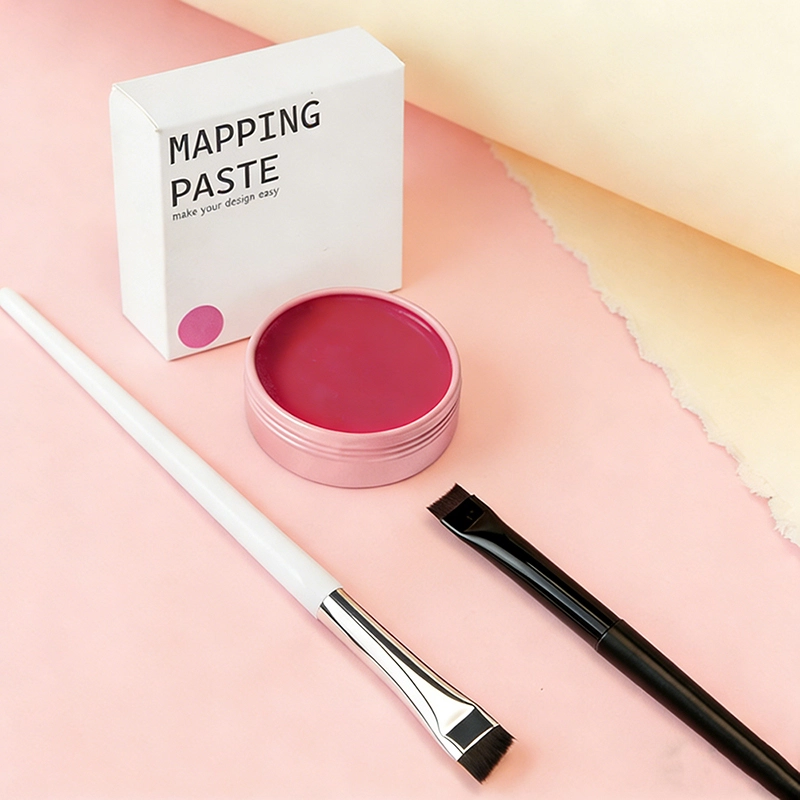
Pre-inked Mapping Ultra-Fine Eyebrows Eyeliner Blade Fan Brush

Instagram
Facebook
YouTube