


Preventing Fading: Best Practices and Aftercare Creams
- Understanding Why Tattoos Fade and How to Prevent It
- How fading happens: ink placement, immune response, and sun exposure
- Artist technique and pigment quality
- Skin health, aging, and environmental factors
- Best Practices to Prevent Fading: Immediate and Long-Term Care
- Immediate aftercare (first 2 weeks): what to do and what to avoid
- Long-term daily care: moisturize, protect from sun, and gentle exfoliation
- Lifestyle choices that preserve ink
- Choosing and Using the Right Aftercare Creams and Balms
- Ingredients to look for — and what to avoid
- Balm vs. cream vs. ointment — which is best?
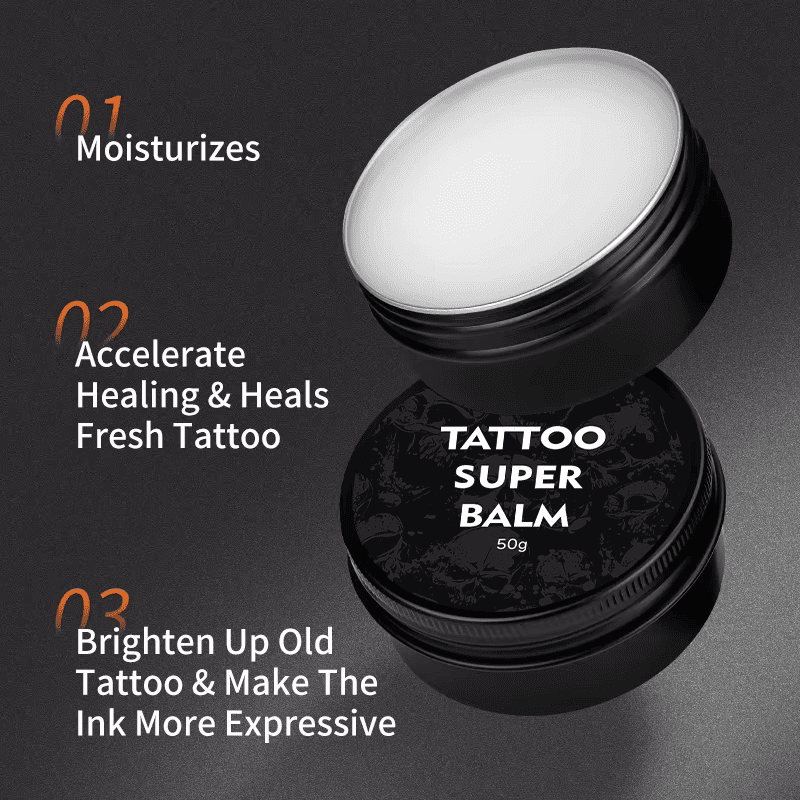
- Why QM Makeup’s 50g Body Tattoo Butter Balm is a strong choice
- Application Protocols and Troubleshooting: How to Use Cream for Tattoos Aftercare Safely
- Step-by-step application guide
- Recognizing infection, allergic reactions, and excessive scabbing
- When to contact your artist or a healthcare provider
- Practical Tips, Myths, and Maintenance Schedule
- Daily and seasonal maintenance to extend vibrancy
- Common myths debunked
- When to consider touch-ups
- References and Further Reading
- FAQ — Frequently Asked Questions
- Q: How soon can I start using a cream for tattoos aftercare like Body Tattoo Butter Balm?
- Q: Will a balm make my tattoo fade faster?
- Q: Can I use regular body lotion on my tattoo?
- Q: How long should I avoid sunscreen on a fresh tattoo?
- Q: Is QM Makeup’s Body Tattoo Butter Balm suitable for all skin types?
Preventing fading and maintaining vibrant, long-lasting tattoos requires a combination of proper healing protocols, daily skin care, and the right products. This guide covers professional aftercare steps, ingredient guidance for a cream for tattoos aftercare, comparative recommendations, and why QM Makeup’s Body Tattoo Butter Balm (50g) is formulated to soothe, nourish, and protect fresh and mature tattoos. Sources from regulatory and professional bodies and clinical literature inform the best practices below, ensuring safe and effective results.
Understanding Why Tattoos Fade and How to Prevent It
How fading happens: ink placement, immune response, and sun exposure
Tattoo pigments are embedded in the dermis, but gradual fading happens for a few reasons: the immune system breaks down and removes some pigment particles over time; UV radiation degrades color molecules; and friction/exfoliation removes particles near the skin surface. The anatomy and immune response are explained in overview resources such as the Tattoo entry on Wikipedia (https://en.wikipedia.org/wiki/Tattoo), which helps contextualize biological causes of fading.
Artist technique and pigment quality
Depth of ink placement and the quality of pigments influence longevity. Professional artists control needle depth to place pigment in the dermis; ink composition and pigments with better lightfastness resist UV breakdown. Choosing a reputable artist and using high-quality inks reduces early fading and unevenness.
Skin health, aging, and environmental factors
Skin type, hydration, collagen loss (aging), and environmental exposures (sun, chlorine, salt water) all affect how well pigments remain visible. Daily care such as sun protection and moisturizing supports the integrity of the skin barrier and helps prevent premature fading.
Best Practices to Prevent Fading: Immediate and Long-Term Care
Immediate aftercare (first 2 weeks): what to do and what to avoid
Proper immediate aftercare sets the stage for long-term color retention. Key steps include: gentle cleaning with a mild, fragrance-free cleanser; light application of a recommended cream for tattoos aftercare to keep the area moisturized but not overly occluded; avoiding soaking (baths, pools, hot tubs); and keeping the tattoo out of direct sunlight while it heals.
Professional guidance from tattoo associations (e.g., Alliance of Professional Tattooists) emphasizes hygiene and avoiding heavy ointments that can suffocate the wound—follow your artist's instructions and monitor healing closely. See guidance from the Alliance: https://tattooalliance.org/.
Long-term daily care: moisturize, protect from sun, and gentle exfoliation
After the tattoo has fully healed (generally 2–4 weeks depending on size and placement), maintain color by using a non-irritating moisturizer daily and applying broad-spectrum sunscreen (SPF 30 or higher) whenever the tattoo may be exposed. Sunscreen prevents UV-driven photodegradation of pigments. Regular gentle exfoliation of surrounding dead skin (not the tattoo itself when healing) can help maintain vibrancy by preventing buildup that dulls the appearance.
Lifestyle choices that preserve ink
Avoid excessive chlorine exposure (pools, hot tubs) during healing and minimize repeated friction (tight clothing over the tattoo). Smoking and poor nutrition can impair skin health; maintaining healthy skin through hydration, balanced nutrition, and avoiding smoking supports tattoo longevity.
Choosing and Using the Right Aftercare Creams and Balms
Ingredients to look for — and what to avoid
When selecting a cream for tattoos aftercare, prioritize formulations that: contain hydrating emollients (e.g., shea butter, coconut oil derivatives), barrier-repair ingredients (e.g., ceramides, panthenol), mild humectants (e.g., glycerin), and calming botanicals (e.g., calendula, allantoin). Avoid fragrances, essential oils in high concentrations, and harsh preservatives that can irritate healing tissue. Ointments like petroleum jelly are sometimes used early but can trap bacteria if overused; modern balms balance occlusion and breathability for optimal healing.
Balm vs. cream vs. ointment — which is best?
The best product depends on the stage of healing and personal skin type. Initially, a light protective ointment might be used for 24–48 hours in some protocols, then switched to a breathable tattoo balm or cream for ongoing hydration and protection. For many people, a specialized tattoo butter balm provides an ideal balance of moisture and breathability without heavy residue.
| Product Type | Texture/Feel | Breathability | Best for | Typical Use Duration |
|---|---|---|---|---|
| Ointment (e.g., petroleum-based) | Thick, greasy | Low | Very early sealing (short term) | First 24–48 hours (short-term) |
| Cream (emulsion) | Light to medium | Moderate | Daily moisturizing after healing | Weeks to lifelong maintenance |
| Butter/Balm (e.g., Body Tattoo Butter Balm) | Rich but absorbent | Balanced | Healing and daily maintenance for most skin types | Weeks to lifelong maintenance |
Why QM Makeup’s 50g Body Tattoo Butter Balm is a strong choice
QM Makeup’s Body Tattoo Butter Balm (50g) is formulated as a high-quality balm for tattoo aftercare. It soothes and supports the skin with nourishing but breathable ingredients designed to reduce dryness, flaking, and irritation—common contributors to dulling and loss of color. For artists and shops looking for tattoo butter balm wholesale options, QM Makeup’s product balances professional-grade performance with everyday user-friendliness, making it suitable for both immediate aftercare and ongoing daily care to protect vibrancy.
Application Protocols and Troubleshooting: How to Use Cream for Tattoos Aftercare Safely
Step-by-step application guide
Follow these simple steps to apply a cream for tattoos aftercare like a butter balm safely and effectively:
- Wash hands thoroughly before touching the tattoo.
- Gently clean the tattoo with a mild, fragrance-free cleanser and lukewarm water; pat dry with a clean towel—do not rub.
- Apply a thin layer of balm—enough to lightly cover the skin without heavy smothering. For QM Makeup’s 50g Body Tattoo Butter Balm, a pea-sized amount for small tattoos is typically sufficient; larger pieces need proportionally more.
- Repeat 2–3 times per day during healing, or as directed by your artist. Reduce frequency as the skin fully heals, shifting to once-daily maintenance with sunscreen as needed for sun exposure.
Recognizing infection, allergic reactions, and excessive scabbing
Signs of infection include increasing redness spreading away from the tattoo, severe pain, pus discharge, fever, or swollen lymph nodes. Allergic contact dermatitis may present as persistent redness, hives, or blistering localized to the tattoo. If you suspect infection or a severe allergy, seek medical advice promptly. The FDA provides consumer guidance on tattoos and permanent makeup risks: https://www.fda.gov/cosmetics/cosmetic-products/tattoos-and-permanent-makeup.
When to contact your artist or a healthcare provider
If healing stalls beyond 4 weeks, if you notice irregular loss of pigment that doesn’t improve, or if signs of infection or allergy appear, contact your tattoo artist and a healthcare professional. Artists can advise on touch-up timing and proper wound care; clinicians can diagnose infections or allergies and provide treatment. For clinical studies and discussions on aftercare outcomes, see peer-reviewed literature such as this PubMed article on tattoo care practices: https://pubmed.ncbi.nlm.nih.gov/21989503/.
Practical Tips, Myths, and Maintenance Schedule
Daily and seasonal maintenance to extend vibrancy
After healing, incorporate a simple daily routine: moisturize with your chosen cream for tattoos aftercare, apply sunscreen before sun exposure, and avoid abrasive scrubs directly on tattooed skin. In summer months or if you spend extended time outdoors, reapply sunscreen frequently. Long-term upkeep helps reduce the need for frequent touch-ups.
Common myths debunked
Myth: Thick layers of petroleum jelly heal tattoos faster. Reality: Excessive occlusion can trap bacteria and delay healing. Myth: Tattoos never heal fully and always fade quickly. Reality: With proper care—especially sun protection and moisturizing—tattoos can remain vibrant for decades, though some gradual change is natural.
When to consider touch-ups
Touch-ups are a normal part of long-term tattoo maintenance. If color loss becomes noticeable (particularly in high-friction areas or sun-exposed regions), consult your artist—most recommend waiting at least 2–6 months after initial healing before evaluating for a touch-up.
References and Further Reading
For authoritative background on tattoo safety and care, consult these sources:
- U.S. Food & Drug Administration — Tattoos and Permanent Makeup
- Wikipedia — Tattoo (overview of history, techniques, and biology)
- PubMed — Study on tattoo aftercare and outcomes
- Alliance of Professional Tattooists — Professional standards and resources
FAQ — Frequently Asked Questions
Q: How soon can I start using a cream for tattoos aftercare like Body Tattoo Butter Balm?
A: Most artists recommend following their immediate protocol (which may include a short initial ointment or a protective film). Generally, after the first 24–48 hours and initial cleaning, you can begin using a breathable balm such as QM Makeup’s 50g Body Tattoo Butter Balm—but always follow your artist’s specific instructions.
Q: Will a balm make my tattoo fade faster?
A: No. When used correctly (a thin layer, limited frequency), a quality balm helps healing by preventing excessive dryness and reducing scabbing, which can otherwise cause patchy pigment loss. Overusing heavy occlusives for extended periods may increase infection risk, so use products as directed.
Q: Can I use regular body lotion on my tattoo?
A: After full healing, a gentle, fragrance-free body lotion is acceptable for maintenance. During healing, choose a product specifically designed for tattoos (like a tattoo butter balm) or follow your artist’s recommendation to avoid irritants and optimize healing.
Q: How long should I avoid sunscreen on a fresh tattoo?
A: Avoid applying sunscreen while the tattoo is actively healing and the skin barrier is compromised (first 2–4 weeks). Once healed, apply broad-spectrum SPF 30+ whenever the tattoo is exposed to sunlight.
Q: Is QM Makeup’s Body Tattoo Butter Balm suitable for all skin types?
A: QM Makeup’s 50g Body Tattoo Butter Balm is formulated for broad compatibility but if you have a history of sensitive skin or known allergies, test a small area or consult your artist/dermatologist. For wholesale inquiries, QM Makeup offers tattoo butter balm wholesale options for studios and retailers.
For product details, wholesale options, or personalized aftercare advice, view QM Makeup’s Body Tattoo Butter Balm here: QM Makeup — 50g Body Tattoo Butter Balm. To contact customer service, email [email protected] or visit our contact page for live chat and phone support: Contact QM Makeup.
Proper technique, ingredient-conscious products, and consistent sun protection are the pillars of preventing fading. Incorporate an evidence-based cream for tattoos aftercare into both your short- and long-term routine to keep your tattoos looking vibrant for years.
Where to Buy professional tattoo supplies
Where to Buy black ink tattoo
Choosing the Best Healing Ointment for Tattoo Aftercare
Common Mistakes with Microblading Eyebrow Pens and Fixes
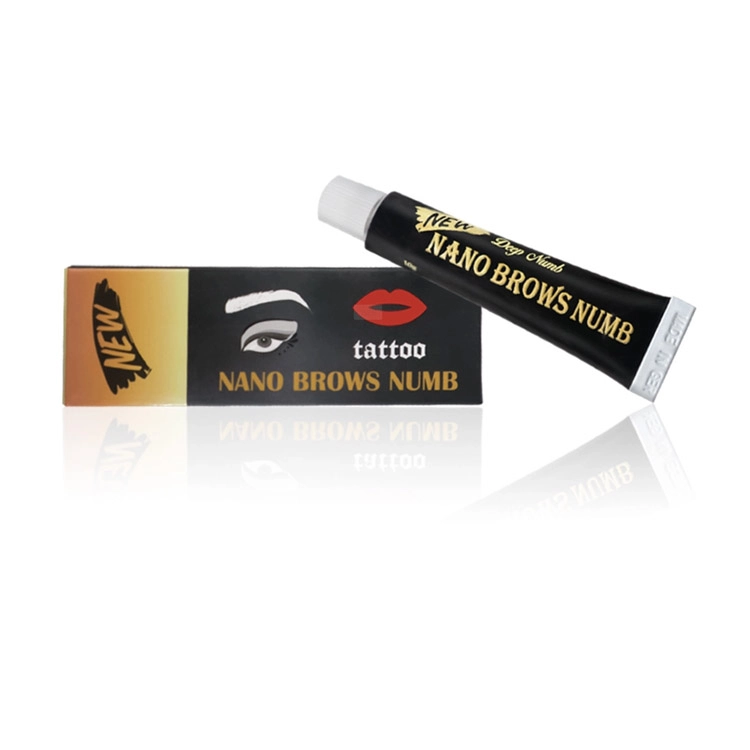
Secondary Numbing essence
Can super numb tattoo cream be used for secondary numbness during treatment?
For secondary numbness after skin breakage, we recommend using secondary numbing essence. This is because pre numb tattoo cream takes at least 25 minutes to take effect, and the waiting time will be longer, while the secondary numbing essence only takes 3-5 minutes to take effect, which will not delay the treatment time. At the same time, since the patient's tattoo is in a state of broken skin, too long waiting time will increase the risk of infection.
Pre-inked Mapping String
What is the MOQ to make private label?
Our MOQ for private label pre-inked mapping string is 100pcs/design. You can contact us to learn more details.
Do you provide any other package for pre-inked mapping string?
Yes, we provide different package for pre-inked mapping string: Metal tube / Plastic bottle with metal lid / Paper box. Besides that, we also support making customize outer box for the pre-inked mapping string.
Products
How many applications does the glue balm for lash lift and brow lamination?
About 15-20 applications.
Customized service
What customization services do you offer?
We can accommodate various customization such as personalized products, custom formulas, custom designs, custom packaging, private labeling etc.

Professional Pre Inked Eye Brow Mapping String 30m
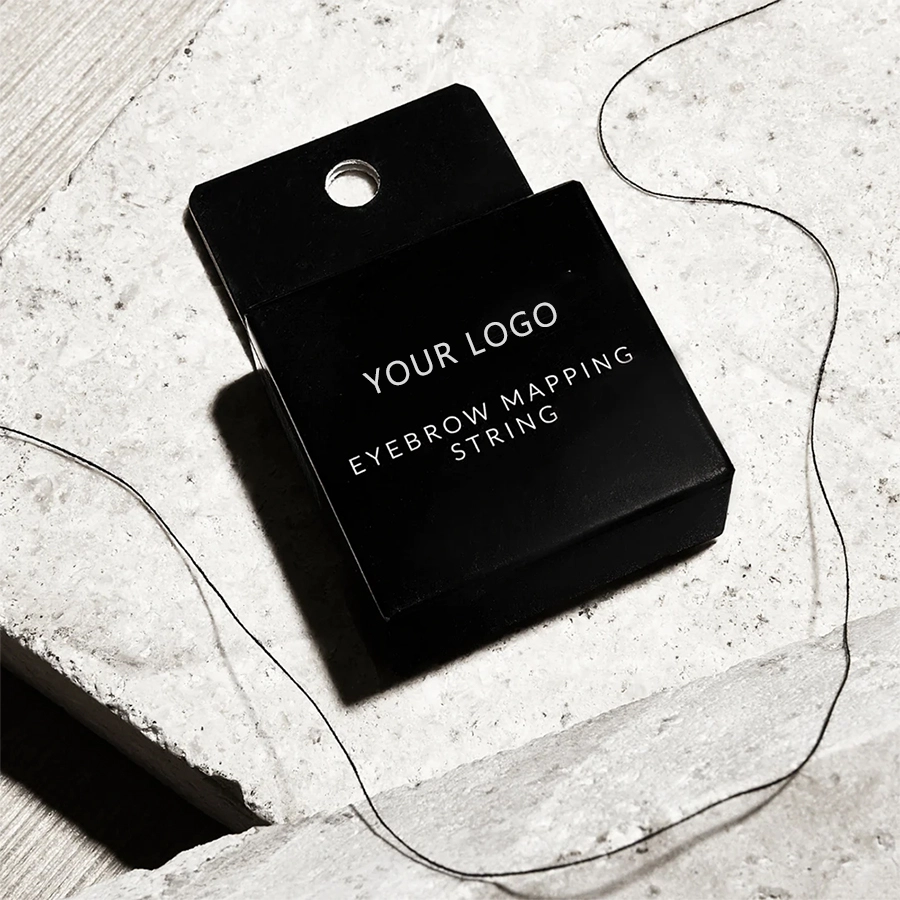
Microblading Pre-inked Mapping String Line 10m
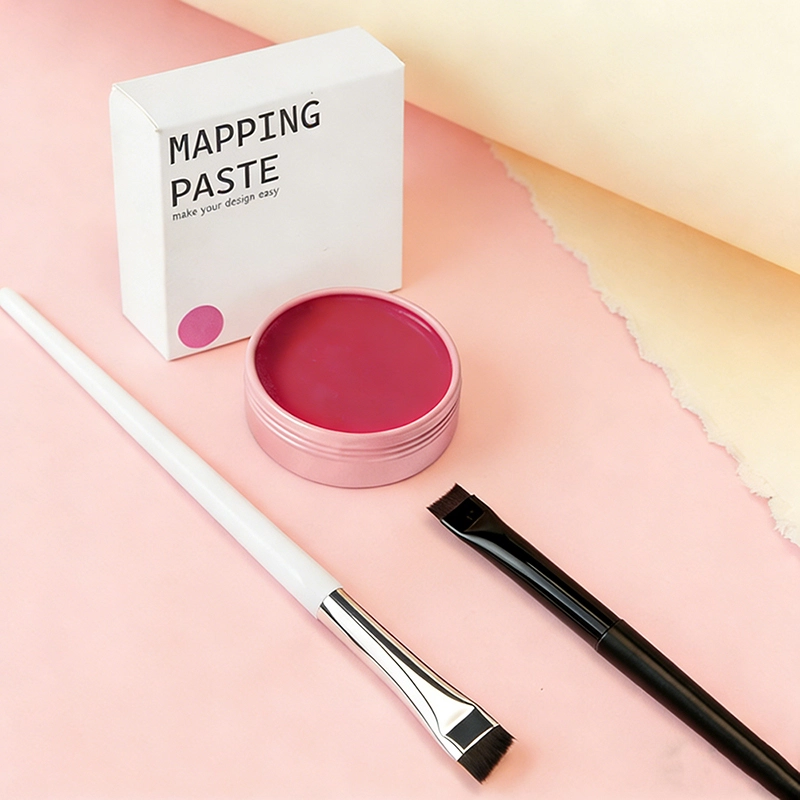
Pre-inked Mapping Ultra-Fine Eyebrows Eyeliner Blade Fan Brush

Instagram
Facebook
YouTube