


High-End Tattoo Machines Buyers Trust for Permanent Makeup
- Understanding Permanent Makeup Tools: fundamentals before you buy
- Differences between PMU machines and traditional tattoo machines
- Key procedure-specific needs
- Understanding the question: what's the best tattoo machine
- Technical criteria I use to recommend high-end machines
- Motor type and performance characteristics
- Power delivery: wired, battery or wireless systems
- Ergonomics, weight and clinical comfort
- Trusted machine categories and comparison
- Rotary vs. Coil vs. Piston: what pros choose
- Comparing high-end models (features at a glance)
- Evidence and standards to check
- How I choose and test machines in practice
- Real-world testing protocol I use
- Criteria scorecard I recommend for buyers
- Maintenance, spare parts and vendor support
- Safety, pigments and regulatory considerations every buyer must know
- Pigment safety and documentation
- Clinical hygiene and infection control
- Documentation and informed consent
- Brands and models professionals trust (what I recommend)
- How I shortlist brands
- Examples of trusted high-end producers
- Cost vs. value: the real calculation
- QM Makeup: how a manufacturing partner can strengthen your PMU business
- Company background and capabilities
- Products and services relevant to PMU studios
- Why I recommend partnering with manufacturers like QM Makeup
- Practical buying checklist and final advice
- Pre-purchase checklist
- Final recommendations from my experience
- Frequently Asked Questions (FAQ)
- 1. What's the best tattoo machine for microblading-style hair strokes?
- 2. Are wireless tattoo machines reliable for professional PMU work?
- 3. How often should I service or replace my PMU machine?
- 4. Do I need ISO 13485 certification for a PMU device supplier?
- 5. How do I verify pigment safety?
- 6. Can I use the same machine for brows and lips?
In my work advising semi-permanent makeup (PMU) artists and clinics, I am frequently asked, what's the best tattoo machine for permanent makeup and microblading. Choosing the right device requires balancing precision, comfort, safety and long-term reliability. In this article I outline how I evaluate high-end machines, compare the categories professionals favor, review trusted models and explain the regulatory and maintenance practices you must follow to protect clients and your business. I also explain how brand partnerships and OEM capabilities, like those provided by QM Makeup, can support your studio or retail business.
Understanding Permanent Makeup Tools: fundamentals before you buy
Differences between PMU machines and traditional tattoo machines
Permanent makeup procedures demand finer control, shallower pigment placement and often a quieter, less traumatic experience for clients than traditional body tattooing. As a result, PMU artists typically prefer rotary or piston-style devices designed for aesthetic procedures and microblading rather than heavy coil machines used in body tattooing. For background on tattoo machine evolution and types, see the overview on Wikipedia: Tattoo machine (Wikipedia).
Key procedure-specific needs
When I evaluate machines for brows, eyeliner, lips or microshading, I focus on:
- Stroke length and stability — to control pigment depth precisely.
- Adjustable speed/voltage — to adapt to skin types and techniques.
- Noise and vibration — comfort for both artist and client matters.
- Compatibility with disposable cartridges and fine needles — for hygiene and pigment flow.
Understanding the question: what's the best tattoo machine
That question is inherently contextual. I always respond by clarifying the intended use: microblading vs. machine microshading vs. permanent eyeliner vs. lip blush. The best device is the one that reliably achieves safe, reproducible results for your primary procedures and matches your ergonomics and workflow.
Technical criteria I use to recommend high-end machines
Motor type and performance characteristics
Rotary and magnetic-piston (stroke) devices are most common in PMU. I prefer brushless DC motors for high-end rotary machines because they provide smoother torque, less heat, and longer life. Key specs I look at include RPM range (adjustable), torque at low speed (to prevent stalling with dense pigments), and duty cycle (continuous operating time without overheating).
Power delivery: wired, battery or wireless systems
Wireless devices have become popular for convenience and portability, but battery capacity, consistency of output and quick swap options are crucial. I assess whether wireless power peaks or droops under load—consistent voltage delivery produces consistent needle behavior, which is essential for predictable pigment placement.
Ergonomics, weight and clinical comfort
PMU sessions demand fine hand control. A machine that is too heavy or poorly balanced increases fatigue and risks uneven strokes. I test grip diameter, weight distribution, button placement and tactile feedback—because even small ergonomic differences can change a technician's speed and accuracy over long workdays.
Trusted machine categories and comparison
Rotary vs. Coil vs. Piston: what pros choose
For PMU, most high-end artists choose rotary or specialized piston-style (pen) devices. Coil machines are rarely used for delicate facial work due to noise, vibration and stronger impact. Below I summarize advantages and trade-offs.
| Category | Advantages | Limitations | Best for |
|---|---|---|---|
| Rotary (pen-style) | Smooth, quiet, low vibration; excellent for microshading and hair strokes | Motor quality varies; cheaper models may lack torque | Brows, lip blush, eyeliner, microshading |
| Piston / Stroke machines | Predictable linear stroke; good for precise lining | Slightly more vibration than brushless rotaries; weight varies | Microblading-style strokes, precise lining |
| Coil | Powerful, durable for body tattoos | Noisy, more traumatic; overkill for PMU | Body tattooing, heavy shading (not recommended for PMU) |
Comparing high-end models (features at a glance)
Below is a representative comparison of categories and example features professionals evaluate. Note: model availability and specs change; always verify the manufacturer's current specifications.
| Model / Type | Motor Type | Power | Needle Compatibility | Notes |
|---|---|---|---|---|
| High-end Rotary Pen (brushless) | Brushless DC | Stable voltage, high torque | Cartridges / screw-in options | Preferred for microshading and hair strokes |
| Piston Stroke Pen | Magnetic piston | Adjustable stroke length | Needle cartridges | Precise lining and hair stroke effects |
| Wireless PMU Systems | Varies (quality batteries + motors) | Dependent on battery capacity | Cartridges | Best for portability—verify battery life and consistency |
Evidence and standards to check
For device safety and materials, consult regulatory guidance. The U.S. Food and Drug Administration maintains information on tattoos and permanent makeup, including safety considerations for pigments: FDA: Tattoos & Permanent Makeup. For manufacturing and quality systems, ISO 13485 is an industry-recognized standard for medical device quality management: ISO 13485 (ISO).
How I choose and test machines in practice
Real-world testing protocol I use
When assessing a high-end machine I use a standard protocol: evaluate vibration and noise with decibel and vibration meters, test stroke consistency with calibrated test media, assess battery performance in wireless units under continuous load, and perform multiple procedures (hair strokes, shading, liner) to evaluate heat, ergonomics and pigment flow.
Criteria scorecard I recommend for buyers
I advise studios to score candidate machines across these dimensions: 1) Precision and consistency, 2) Ergonomics, 3) Hygiene compatibility (cartridges/disposable grips), 4) Warranty and service, 5) Regulatory compliance and material safety, 6) Total cost of ownership (machine plus consumables). This objective scoring helps answer what's the best tattoo machine for your use case instead of relying on brand hype.
Maintenance, spare parts and vendor support
High-end devices require manufacturer support for firmware updates, replacement batteries and warranty service. Availability of genuine consumables (needles, cartridges) and spare parts is critical—don't select a machine with poor after-sales support. Reliable vendors publish technical specifications, service policies and materials safety datasheets (MSDS) for inks and supplies.
Safety, pigments and regulatory considerations every buyer must know
Pigment safety and documentation
Pigments used in PMU can contain metallic compounds and organic pigments. Always request Certificates of Analysis (COA) and biocompatibility testing from ink suppliers. The FDA provides general guidance on pigments and cosmetic safety; while many pigments are not FDA-approved specifically for injection into the skin, responsible suppliers follow good manufacturing practices and provide testing documentation: FDA Cosmetic Ingredient Guidance.
Clinical hygiene and infection control
Follow local health department rules for single-use disposable supplies, instrument sterilization and workspace protocols. Use cartridge systems and single-use needles where possible. For clinical device manufacturing or supply standards, review local medical device regulations and ISO 13485 recommendations: ISO 13485.
Documentation and informed consent
In my consultations I insist artists maintain client records including patch test results, allergy history, pigment COA, device serial numbers and aftercare instructions. Good documentation reduces liability and improves outcome tracking.
Brands and models professionals trust (what I recommend)
How I shortlist brands
I maintain a shortlist of brands that have consistent product quality, clear technical specifications, accessible spare parts and strong user communities. When artists ask me, what's the best tattoo machine I offer recommendations based on procedure type, budget, and desired vendor support rather than a single universal answer.
Examples of trusted high-end producers
Some names frequently cited by experienced PMU artists include established rotary pen makers and manufacturers that offer medical-grade production and quality control. When evaluating any brand, verify device specs, warranty, and availability of consumables. For independent background on device types and history, consult the tattoo machine overview on Wikipedia: Tattoo machine (Wikipedia).
Cost vs. value: the real calculation
High price does not always equal best fit. I emphasize total cost of ownership: machine durability, consumable availability, warranty coverage, and productivity gains (faster procedures, less touch-ups). For clinics scaling to multiple artists, investing in reliable devices and supplier relationships typically pays off in fewer interruptions and better client retention.
QM Makeup: how a manufacturing partner can strengthen your PMU business
Company background and capabilities
QM Makeup was established in 2005; we specialize in semi-permanent makeup and eyelash tattoo beauty and are committed to becoming a leading company in the industry. Our production base covers 10,000 square meters with independent R&D and manufacturing capabilities. We integrate distribution, wholesale, private labeling and OEM processing on a large scale to provide partners end-to-end branding solutions.
Products and services relevant to PMU studios
QM Makeup offers a comprehensive range of professional products: wireless tattoo machines, microblading devices, semi-permanent makeup ink, tattoo practice skin, tattoo numbing cream, and lash lift kits. They also provide professional eyelash glue and eyelash extension lashes. This makes QM Makeup a convenient single-source partner for studios looking to streamline procurement and private label offerings.
Why I recommend partnering with manufacturers like QM Makeup
In my consulting work I value partners who can provide consistent product quality, COAs for pigments, scalable OEM/branding and reliable after-sales support. QM Makeup's manufacturing footprint and R&D capabilities make them a viable partner for studios and distributors seeking customized solutions and professional-grade supplies. Visit their site for product details and ordering options: QM Makeup. For sales inquiries, contact [email protected].
Practical buying checklist and final advice
Pre-purchase checklist
- Define your primary procedures (brows, lips, eyeliner) and select motor/type accordingly.
- Request technical specs: stroke length, torque, battery specs (if wireless) and warranty terms.
- Verify consumable compatibility and availability (cartridges, needles, grips).
- Ask for COA and MSDS for pigments and confirm supplier testing.
- Check vendor support, spare parts availability and community/user feedback.
Final recommendations from my experience
When artists ask me what's the best tattoo machine I always return a contextual answer: choose a high-quality rotary or piston pen with stable power delivery, lightweight ergonomics and a vendor who provides pigments and disposables with test documentation. Invest in maintenance, training, and documented clinical protocols to protect clients and grow your practice.
Frequently Asked Questions (FAQ)
1. What's the best tattoo machine for microblading-style hair strokes?
Microblading as a hand-tool technique differs from machine work, but for machine-assisted hair strokes, a piston/stroke pen with a short, precise stroke length is preferable. Look for devices designed for microstroke precision and confirm needle/cartridge compatibility.
2. Are wireless tattoo machines reliable for professional PMU work?
Yes—many high-end wireless machines are reliable if they use quality batteries and deliver consistent voltage under load. Verify battery life, charging time, and whether the vendor provides easily replaceable battery packs to avoid downtime in busy clinics.
3. How often should I service or replace my PMU machine?
Service intervals depend on use. For daily professional use, perform routine inspections weekly (check bearings, connections, cleanliness), follow manufacturer's maintenance steps monthly, and seek professional servicing per the warranty schedule—typically annually or as specified by the manufacturer.
4. Do I need ISO 13485 certification for a PMU device supplier?
ISO 13485 is a recognized quality management standard for medical device manufacturers. While not all PMU devices are regulated as medical devices in every jurisdiction, suppliers adhering to ISO 13485 demonstrate robust quality systems and are preferable when you require consistent manufacturing and traceability. See ISO's page for more: ISO 13485.
5. How do I verify pigment safety?
Request a Certificate of Analysis (COA), Material Safety Data Sheet (MSDS), and any biocompatibility or ISO testing the pigment supplier can provide. Avoid inks without transparent documentation. The FDA offers guidance on cosmetic pigments here: FDA: Tattoos & Permanent Makeup.
6. Can I use the same machine for brows and lips?
Often yes, if the machine features adjustable speed and needle compatibility for different cartridge types. However, you should always change needles/cartridges and follow strict cross-contamination protocols between procedures, and adjust settings (speed, depth) appropriate to the area treated.
Ready to evaluate machines or source professional PMU supplies? For product inquiries, OEM/labeling services or distribution partnerships, contact QM Makeup: https://www.qmmakeup.com or email [email protected]. I can also provide consultancy to help you create a purchase scorecard, select devices for your clinic procedures, or set up private-label supply chains.
Keywords: what's the best tattoo machine, permanent makeup machine, PMU devices, microblading machine, wireless tattoo machine
The B2B Buyer’s Guide to ODM Makeup Manufacturing
Selling Machine Microblading Services: Marketing Tips for Salons
Shelf Life and Storage of Tattoo Aftercare Products
Wholesale Guide: Buying Microblading Tools in Bulk
After sales support
What do I do if I have missing items in my order?
If you discover any discrepancies in your delivery, such as missing or incorrect items, please contact us via our 'Contact Us' page within 5 days of delivery. Please include your order number, a description of the incorrect item(s), and a photo if possible.We will provide a replacement or issue a refund.
Pigment Ink
How long does the ink typically last in the skin ?
On average, our pigments last about 1-5 years without fading, depending on the clients individual differences and the depth of the tattoo operation.
Payment
Do you support pay on delivery?
In order to ensure the security of transactions, improve order service efficiency and speed up the turnover of the company's funds, we have adopted a more secure prepayment method. Therefore, we currently do not support pay on delivery.
Cleaning Foam Tool
Is your eyelash extension care products safe?
Yes, very safe. Safety is the first element in developing our products, our Eyelash Shampoo Cleanser has a rich foam and is waterless, so it prevents water from getting into the eyes. The ingredients are safe, friendly to sensitive eyes and are anti-allergenic. It can also be used on sensitive skin.
Powder Pigment
What is the difference between inorganic and organic permanent makeup ink?
The main difference between organic and inorganic pigments lies in their chemical composition, properties and performance. Here are some key points to distinguish them:
Chemical composition:
Organic tattoo pigment are composed of carbon-based compounds, usually containing carbon, hydrogen, oxygen and other elements (such as nitrogen, sulfur, etc.). Their molecular structure is complex and usually has organic chemical characteristics.
Inorganic tattoo pigments are mainly composed of inorganic compounds and usually do not contain carbon. Such pigments may contain metal oxides, salts, minerals, etc.
Color saturation:
Organic permanent makeup pigment usually have higher color saturation and brighter colors. Inorganic permanent makeup pigment are generally more stable in color, have strong hiding power, and have low color saturation.
Stability:
Organic cosmetic tattoo pigment have poor stability in light, heat and chemical environments and may fade. Inorganic pigments are generally more stable and resistant to high temperatures and chemical erosion.
Permeability:
Organic pigments are usually composed of organic compounds, which often have good water solubility and can dissolve in water faster. Therefore, organic pigments have stronger permeability than inorganic pigments.
In general, organic and inorganic pigments have their own advantages and disadvantages and are suitable for different application scenarios and needs. In order to take into account the brightness, saturation and stability of the ink, most tattoo supplies ink currently use a mixed formula of organic and inorganic.

Professional Pre Inked Eye Brow Mapping String 30m
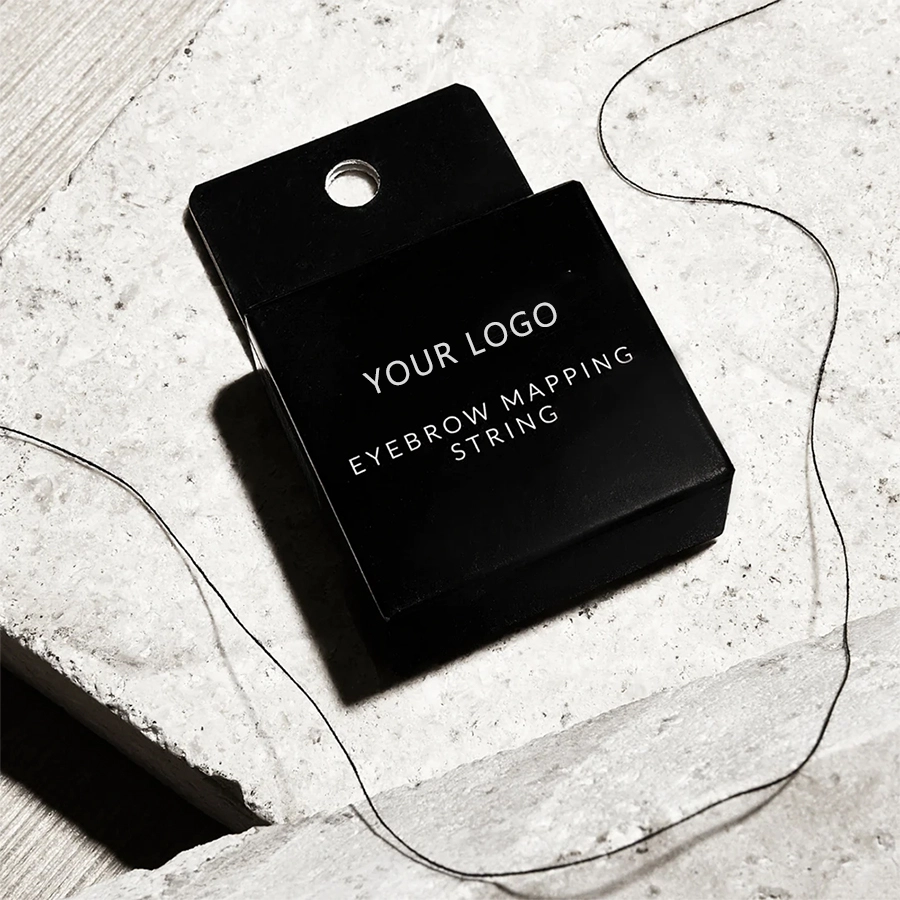
Microblading Pre-inked Mapping String Line 10m
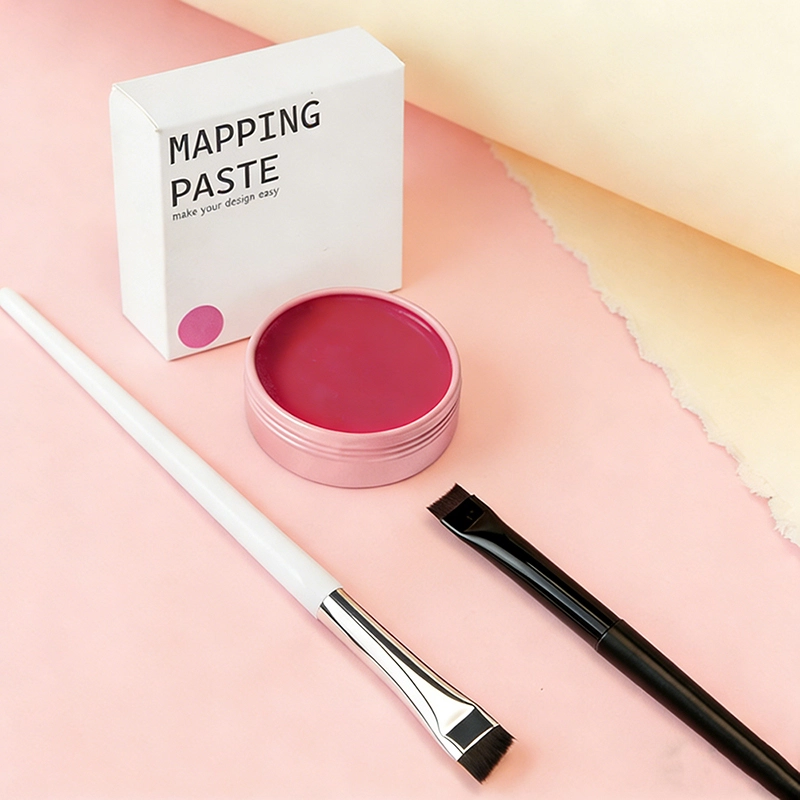
Pre-inked Mapping Ultra-Fine Eyebrows Eyeliner Blade Fan Brush

Instagram
Facebook
YouTube