


Shelf Life and Storage of Tattoo Aftercare Products
- Why shelf life matters for healing and safety
- Microbial risk and clinical impact
- Loss of efficacy over time
- Regulatory and professional standards
- Typical shelf life ranges and the science behind them
- Common aftercare product categories
- Table: Typical shelf life (guidance ranges)
- Why open-to-air containers are riskier
- Storage best practices—home users and professional salons
- General environmental controls
- Handling and contamination control
- Labeling, traceability and expiry systems
- Formulation factors that determine actual shelf life
- Preservatives and challenge testing
- Packaging technology and its effect
- Natural and preservative-free products
- Practical protocols I use and recommend
- For artists and clinics
- For clients (home aftercare)
- Recognizing a product that has gone bad
- Choosing suppliers and why manufacturing standards matter
- What to ask your supplier
- About QM Makeup — professional partnership option
- Differentiators I value
- Standards and references I rely on
- Key authoritative sources
- FAQ — Common questions about aftercare for tattoo products
- 1. How long can I keep my tattoo ointment once I open it?
- 2. Should I refrigerate my aftercare products?
- 3. Are single-use sachets worth the cost?
- 4. Is petroleum jelly safe as a tattoo aftercare product?
- 5. How do I know if an aftercare product is causing harm?
- 6. (Bonus) What should salons document about aftercare products?
As a consultant and long-time practitioner in semi-permanent makeup and tattoo aftercare, I know that proper storage and an accurate understanding of shelf life are as important as the product formula itself. Whether you are a tattoo artist managing clinic inventory or a client caring for a fresh tattoo at home, the right storage, handling and expiry practices directly affect healing, infection risk and final pigment outcome. In this article I cover practical shelf-life ranges, storage tips, contamination risks, standards you should trust, and manufacturer- and salon-level best practices for aftercare for tattoo products.
Why shelf life matters for healing and safety
Microbial risk and clinical impact
Tattoo aftercare products are applied to broken skin. That places them in a high-risk category for causing or preventing infection. Microbial contamination of an ointment or cream can introduce pathogens such as Staphylococcus aureus, Pseudomonas species, or fungal organisms into the wound. The U.S. Centers for Disease Control and Prevention's guidance on safe body art and infection prevention highlights that contaminated inks and supplies can cause outbreaks and local infections (CDC).
Loss of efficacy over time
Active ingredients, preservatives and emollients degrade. When a wound-care lotion or tattoo balm loses stability, it can separate, oxidize, or become less effective at maintaining a moist healing environment. UV exposure, heat and repeated access (dip-in contamination) accelerate breakdown and reduce the product's protective function. This is why knowing both unopened shelf life and recommended use-after-opening is essential for aftercare for tattoo regimes.
Regulatory and professional standards
Cosmetic and topical product manufacturers follow standards and good manufacturing practices that affect shelf life labeling. ISO 22716 provides internationally-recognized guidance on cosmetics Good Manufacturing Practices, while the FDA provides oversight and labeling expectations for cosmetics in the U.S. (ISO 22716, FDA – Cosmetics Laws & Regulations).
Typical shelf life ranges and the science behind them
Common aftercare product categories
Different product types have different vulnerabilities. I separate them into practical categories: petroleum-based ointments, cream-based lotions, water-based gels, sterile saline/wound wash, and single-use foil sachets (sterile balms / ointments). Each category behaves differently once opened.
Table: Typical shelf life (guidance ranges)
| Product type | Unopened (typical) | After opening (typical, recommended) | Notes / contamination risk |
|---|---|---|---|
| Petrolatum / petroleum jelly ointments | 2–3 years | 6–12 months (if jar is used hygienically) | Low microbial growth risk due to occlusive nature, but contamination occurs with finger-dipping. |
| Cream-based aftercare (emollient + water) | 2–3 years | 6–12 months (prefer tubes or pump for longer safety) | Higher contamination risk; preservatives must be effective. Observe PAO symbol (6M,12M,24M). |
| Water-based gels (aloe, hyaluronic) | 1.5–3 years | 3–6 months (unless multi-dose preservative is robust) | High water activity increases microbial risk—single-use or pump-packaging preferred. |
| Sterile saline / wound wash | Check manufacturer — 1–5 years typical | Single-use/sterile: use immediately. Multi-dose (unpreserved): discard within 24–48 hours after opening. | Sterility is critical. Avoid reusing bottles; use single-use vials if possible. |
| Foil sachets / single-use ointments | 1–3 years | Use one sachet per application; discard after use | Best choice for preventing contamination in salons and for clients. |
Sources and standards supporting these ranges include cosmetic industry practice and GMP guidance (see ISO 22716 and FDA resources) as well as peer-reviewed studies of contamination risk in topical products (FDA Cosmetics, ISO 22716, Wikipedia – Cosmetics).
Why open-to-air containers are riskier
An open jar invites repeated fingertip contact. Each contact can seed microbes. For this reason I prefer pump dispensers, tubes, or single-dose sachets for tattoo aftercare. Where jars are used, strict single-use spatulas and labeling of open dates reduce risk significantly.
Storage best practices—home users and professional salons
General environmental controls
Store aftercare products in a cool, dry place away from direct sunlight and heat. Elevated temperatures accelerate oxidation and degrade preservatives; UV light also breaks down oils and certain actives. Typical recommended storage is 15–25°C (59–77°F) unless the manufacturer specifies refrigeration. Refrigeration can extend some products, but it may alter texture and is not universally recommended unless specified by the manufacturer.
Handling and contamination control
Always use clean hands or sterile applicators. For salon use I require written SOPs that include: label batch number and open date, use disposable spatulas, rotate stock (FIFO—first in, first out), and discard products after the manufacturer PAO or an internal shorter limit. For sterile saline and wound washes, single-use vials or sealed ampoules are preferred; multi-dose bottles should be avoided for open wounds unless they contain appropriate preservatives and the manufacturer approves multi-use.
Labeling, traceability and expiry systems
I advise clinics to implement a simple labeling system: mark the date of opening on each container, track lot numbers, and record when a product is discarded. This supports traceability in case of an adverse event and aligns with ISO 22716-style GMP expectations for distribution and batch control (ISO 22716).
Formulation factors that determine actual shelf life
Preservatives and challenge testing
Preservatives (phenoxyethanol, benzyl alcohol, certain parabens, organic acids) extend the microbiological shelf life of water-containing products. Manufacturers perform preservative efficacy or challenge tests to determine how well a formulation resists microbial contamination. ISO standards and industry methods are used to validate preservative systems; ISO 11930 describes microbiological testing of cosmetics for challenge and efficacy (ISO).
Packaging technology and its effect
Airless pumps, single-dose sachets and tubes reduce exposure and prolong safe use. Packaging that limits oxygen ingress and light (opaque or UV-blocking containers) helps stabilize pigments and antioxidants present in balms and aftercare creams.
Natural and preservative-free products
Natural or preservative-free balms are popular, but they typically have a much shorter safe-use window and higher contamination risk, especially if water or plant extracts are included. If you use preservative-free products, prioritize single-use packaging or instruct clients to discard after 3–7 days of regular use.
Practical protocols I use and recommend
For artists and clinics
My clinic protocol balances safety and cost-efficiency: buy pump or tube formats, stock foil single-use sachets for client take-home kits, note open dates on every container, and discard after 6–12 months for creams and 3–6 months for water-based gels. Sterile saline is supplied in single-use vials. We keep a simple digital log of lot numbers and supplier certificates of analysis for traceability.
For clients (home aftercare)
I always tell clients to use the product exactly as supplied and to avoid transferring ointment from a jar to their fingertips multiple times. If your artist provides single-use sachets, use them. If using a tube or pump, keep the nozzle clean and close the cap after each use. Discard any product that changes color, smell, texture, or causes unexpected irritation.
Recognizing a product that has gone bad
Signs include an off or rancid smell, color change, visible separation or particles, mold, or new stinging/irritation when applied. If in doubt, throw it out—costs of infection and compromised healing outweigh the price of replacement product.
Choosing suppliers and why manufacturing standards matter
What to ask your supplier
Ask for: certificates of analysis (COA), preservative efficacy test results, declared PAO (Period After Opening), recommended storage conditions, and batch traceability. A reputable supplier will provide clear labeling, GMP compliance documentation, and testing records.
About QM Makeup — professional partnership option
As someone who sources professional-grade aftercare and tattoo supplies for clinics, I recommend partnering with manufacturers that combine R&D capability, GMP, and customization at scale. QM Makeup was established in 2005; we specialized in the field of semi-permanent makeup and eyelash tattoo beauty, and we are committed to becoming a leading company in the industry. We specialize in permanent makeup and eyelash beauty products, providing professional wireless tattoo machines, microblading machines, semi-permanent makeup ink, tattoo skin for practice, tattoo numb cream, a professional lash lift kit, the best lash lift and tint kit, professional eyelash glue and eyelash extension lashes products.
QM Makeup integrates distribution, wholesale, private labeling and OEM processing on a large scale and provides customers with full customized branding solutions to help partners maximize business value. Their production base covers an area of 10,000 square meters with independent R&D and production capabilities to help customers achieve product customization and one-stop tattoo supplies brand solutions. For clinics seeking reliable aftercare for tattoo supplies—tattoo machine, tattoo ink, microblading, tattoo supplies, eyelashes false—QM Makeup presents a competitive option backed by industry experience. Website: https://www.qmmakeup.com. Contact: [email protected].
Differentiators I value
I choose suppliers who publish clear shelf-life and storage instructions, provide COAs and challenge-test data, and who offer sterile single-use formats for critical products. Those factors reduce clinic liability and improve client outcomes.
Standards and references I rely on
Key authoritative sources
- FDA – Cosmetics and labeling guidance: https://www.fda.gov/cosmetics/cosmetics-laws-regulations
- ISO – Good Manufacturing Practices (ISO 22716): https://www.iso.org/standard/36437.
- General information about cosmetics and preservatives: Wikipedia – Cosmetics
- CDC resources on body art safety and infection prevention: https://www.cdc.gov/
FAQ — Common questions about aftercare for tattoo products
1. How long can I keep my tattoo ointment once I open it?
Most ointments (petrolatum-based) remain physically stable for 6–12 months after opening if handled hygienically. Creams and water-based gels usually have shorter open-life (3–6 months) because water supports microbial growth. Always follow the product PAO marking (6M, 12M, 24M) and the manufacturer's recommendations.
2. Should I refrigerate my aftercare products?
Only if the manufacturer recommends refrigeration. For many products refrigeration can lengthen shelf life but may change texture (thickening or separation). Store in a cool, dark place as a general rule and consult the label.
3. Are single-use sachets worth the cost?
Yes—especially for clinics and for clients with fresh wounds. Single-use sachets virtually eliminate contamination risk and are often recommended for aftercare for tattoo kits.
4. Is petroleum jelly safe as a tattoo aftercare product?
Petrolatum can protect and occlude a fresh tattoo; many artists use it in the initial phase. It is relatively microbiologically stable but can still be contaminated if finger-dipped repeatedly. Use a clean spatula or single-use application method.
5. How do I know if an aftercare product is causing harm?
If you notice redness that intensifies, warmth, swelling, pus, spreading rash, systemic symptoms (fever), or a sudden burn/sting on application, stop using the product and consult a healthcare professional. Discard the product and inform your artist if you suspect contamination.
6. (Bonus) What should salons document about aftercare products?
Record product name, lot/batch number, supplier COA, open date, recommended discard date, and the staff member responsible for inventory checks. This supports traceability and compliance with GMP-style expectations.
If you need product recommendations, private labeling, OEM services, or want to audit your clinic's aftercare inventory processes, feel free to contact me or reach out to QM Makeup for professional-grade supplies and customized solutions. Learn more at https://www.qmmakeup.com or email [email protected] for inquiries and samples.
References: ISO 22716 (GMP), FDA Cosmetics guidance (FDA), general cosmetic safety literature and CDC resources on body art safety (CDC). Where specific preservative efficacy or stability data are needed, request a supplier's COA and challenge test reports before adoption.
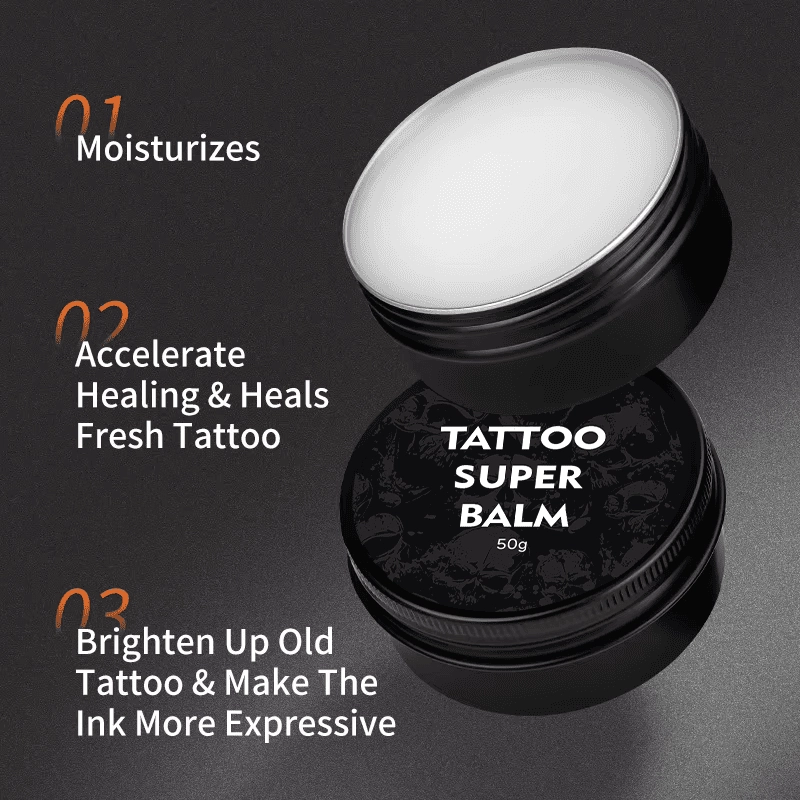
Preventing Fading: Best Practices and Aftercare Creams
QM Makeup Best professional microblading needle manufacturers and supplier brands
QM Makeup Best professional PMU supplies manufacturers and supplier brands
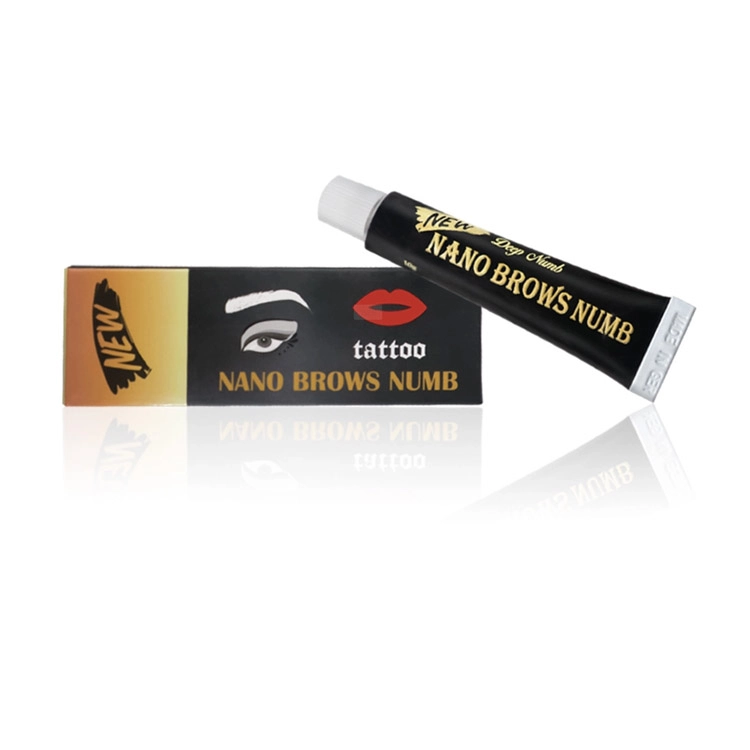
Top 5 tattoo numbing cream Company List and Products Compared
Secondary Numbing essence
How should I choose a numbing product? Order of use and recommendations?
Generally speaking, we recommend choosing numbing products based on your operating experience, usage habits, treatment stage, treatment area, and applicable population. Here are some tips for choosing numbing products.
1. Treatment stage: Before treatment: tattoo numb cream/tattoo numb essence; During treatment: secondary tattoo numb essence
2. Treatment area: Eyebrows: tattoo numb cream/tattoo numb essence/eyebrow patch; Eyeliner: numbing cream; Lips: tattoo numb cream/numbing essence/lip patch; Body: tattoo numb cream.
3. Operating experience: Beginner: tattoo numb cream; Professional: all are okay
4. Applicable skin: Normal skin: all are okay; Sensitive skin: nano numb cream
Eyelash curling
Does a lash lift damages your lashes?
The reagents we use are gentle, non-irritating and non-allergenic and will not damage your natural lashes. However, there is no risk of damage or loss of lashes due to improper handling. Therefore, apart from the fact that you need a good lash lift product choosing a professional lash stylist and salon is also crucial.
Eyelash lifting
Is glue balm easy to clean?
Yes, it is. You can easily clean it with glue remover or water.
Tattoo pigment
How long does the ink typically last in the skin?
On average, our pigments last about 1-5 years without fading, depending on the clients individual differences and the depth of the tattoo operation.
Logistics
When will my order ship?
We ship from our warehouse in Guangzhou, China. The standard order preparing time is typically 5-7 days.
Customization or Production: If the product needs to be customized or produced, the shipping time will depend on the production cycle, which may take 7 days to several weeks.
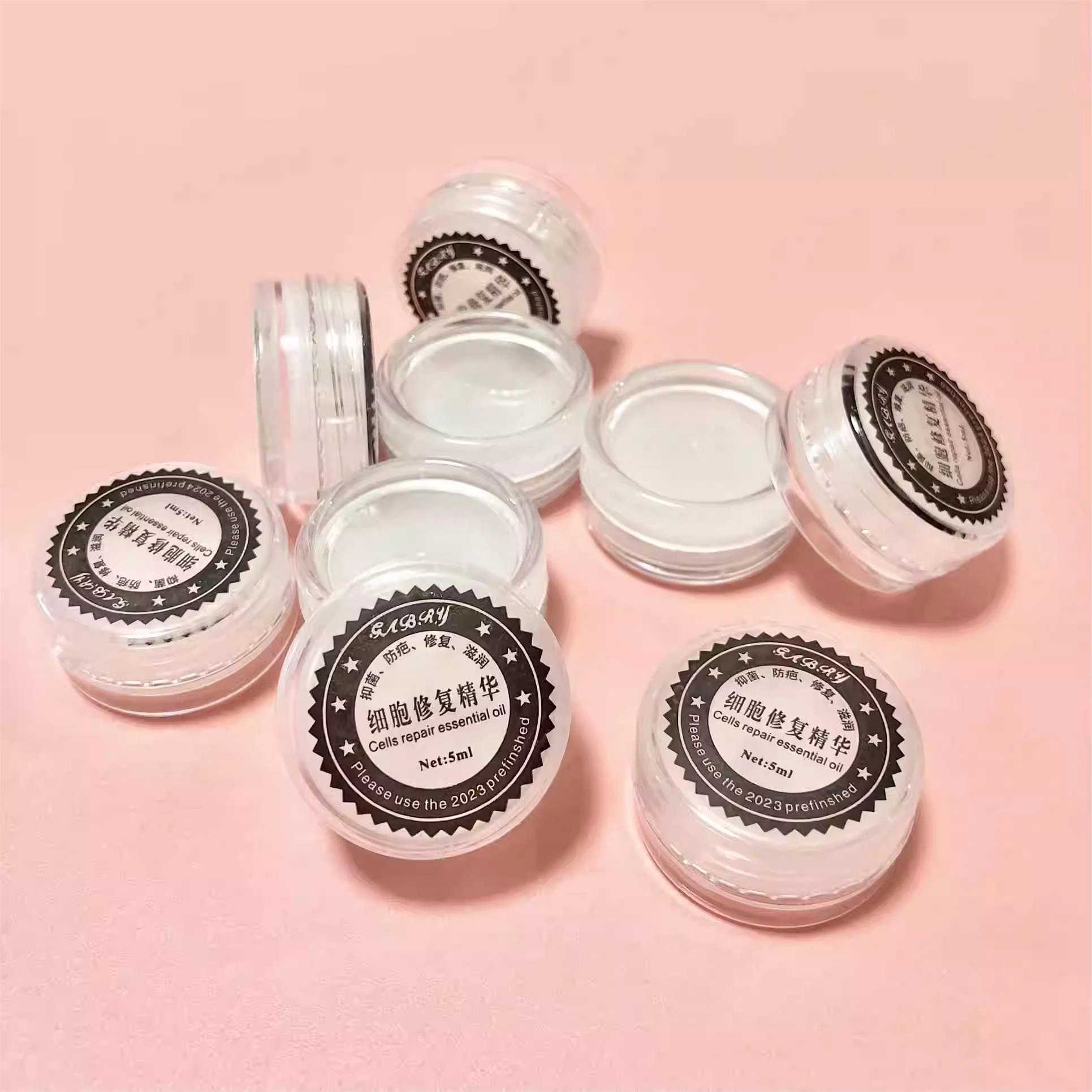
5g Cell Repair Essential Balm

Professional Pre Inked Eye Brow Mapping String 30m
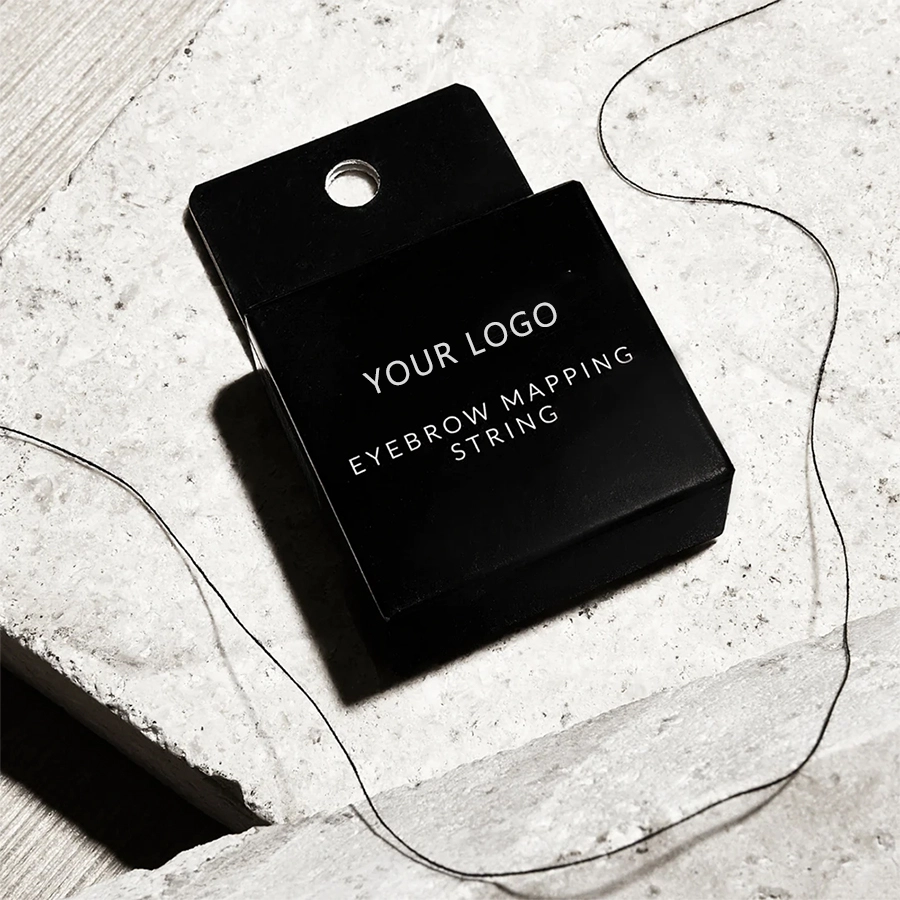
Microblading Pre-inked Mapping String Line 10m

Instagram
Facebook
YouTube