


Best Tattoo Machines for Precision Eyeliner and Lash Line Work
- Understanding Precision Requirements for Eyeliner & Lash Line Work
- Anatomy, skin tolerance and procedural goals
- Client expectations and realistic outcomes
- Machine Types and Why Choice Matters
- Rotary, coil, and pen-style: functional differences
- Needle cartridges and configurations for eyeliner precision
- Choosing what's the best tattoo machine for precision eyeliner and lash line
- Key specifications I test and prioritize
- Recommended machines and model comparison
- Setup, Technique, Safety and Aftercare for Best Results
- Ergonomics, needle depth, and ink selection
- Sterilization, regulation, and risk management
- QM Makeup — Our Products and How We Support Your Practice
- Practical Buying Guide: How I Choose and Test a Machine
- Hands-on testing protocol I use
- Cost vs. long-term value
- FAQ — Frequently Asked Questions
- 1. What's the best tattoo machine for eyeliner—rotary or coil?
- 2. Can I use standard tattoo ink for eyeliner?
- 3. Are wireless machines reliable for long PMU sessions?
- 4. How important is cartridge compatibility?
- 5. What safety standards should I check before buying?
- 6. How do I reduce tissue trauma when doing eyeliner?
- 7. Where can I source practice supplies and OEM products?
As a professional consultant in semi-permanent makeup and eyelash tattooing, I've performed and advised on hundreds of eyeliner and lash line procedures. Precision in those areas demands not only skill and anatomy knowledge, but the right equipment. In this article I address what's the best tattoo machine for delicate eyelid work, compare machine types, list the technical specifications that matter, recommend popular models used by experienced artists, and cover the safety and regulatory points you must consider before buying or switching equipment.
Understanding Precision Requirements for Eyeliner & Lash Line Work
Anatomy, skin tolerance and procedural goals
Eyelid skin is among the thinnest and most sensitive on the body. Working along the lash line or creating fine eyeliner means you are depositing pigment at shallow, consistent depth—frequently in the superficial dermis—so the instrument must provide predictable needle motion, low vibration and precise depth control. Clients expect crisp lines, minimal trauma (reduced swelling, minimal scabbing), and long-lasting pigment retention with natural healing.
Client expectations and realistic outcomes
When clients ask what's the best tattoo machine for eyeliner, they often mean: which tool consistently produces fine, even strokes with low tissue trauma and reduced healing time. I always counsel balancing the desire for crisp lines with the realities of pigment migration, skin type variability, and aftercare. A machine that allows micro-adjustments, steady speed, and compatible needle cartridges will make it much easier to meet those expectations.
Machine Types and Why Choice Matters
Rotary, coil, and pen-style: functional differences
Tattoo machines fall into three practical categories for permanent makeup and eyelid work: traditional coil machines, rotary machines, and pen-style rotary devices. Each has pros and cons for precision eyeliner and lash line work:
- Coil machines: deliver a punchier feel and require more tuning—less common for delicate PMU eyeliner.
- Rotary machines: smooth continuous motion, low vibration, and broad compatibility with permanent makeup needle cartridges—favored by many PMU artists.
- Pen-style rotary machines: shaped like a pen for improved ergonomics and rotation balance, which often improves control for detailed eyelid work.
For a technical overview of tattoo machine types, see the general taxonomy at Wikipedia - Tattoo machine.
Needle cartridges and configurations for eyeliner precision
Needle configuration (diameter, grouping, round liner vs. magnum) is as important as the machine itself. For lash line and eyeliner work, artists commonly use fine liners and micro-needle cartridges (e.g., 1RL, 3RL or small magnum configurations tailored for shading). Cartridge-based systems reduce cross-contamination risks and simplify depth consistency, which is why they pair well with modern rotary/pen-style machines.
Choosing what's the best tattoo machine for precision eyeliner and lash line
Key specifications I test and prioritize
When evaluating machines in my practice, I prioritize these measurable specs and practical features:
- Stroke length and adjustability — shorter stroke (2.5–3.5 mm) for smoother PMU lines depending on technique.
- RPM range and control — a stable low-to-mid RPM range (e.g., 2,000–9,000 RPM with fine adjustment) allows delicate strokes and smooth shading.
- Vibration and noise — less vibration improves my hand stability and reduces client discomfort.
- Ergonomics and weight — pen-style grips under 100–150 g reduce fatigue during detailed eyelid work.
- Cartridge compatibility — ability to use standard disposable PMU cartridges increases safety and flexibility.
- Power source — wired vs. wireless (battery) options; wireless increases mobility but check battery stability and runtime.
Recommended machines and model comparison
In my experience, professional PMU artists who focus on eyeliner and lash line gravitate toward pen-style rotary machines from established manufacturers because they combine ergonomics and precision. Below is a concise comparison of widely used options (models below represent popular choices in PMU communities; check manufacturers for the latest model names and specs):
| Machine / Type | Best for | Stroke / Control | Cartridge Compatibility | Price Range (USD) |
|---|---|---|---|---|
| Cheyenne Hawk (pen-style rotary) | High-precision liner work, steady RPM | Short stroke, stable control | Standard PMU cartridges | Mid–High |
| FK Irons Spektra Xion (pen-style) | Ergonomic precision, low vibration | Adjustable stroke options | Standard cartridges | High |
| Rotary pen-style (many PMU brands) | Lightweight, best for long sessions | Low vibration, consistent | Standard disposable cartridges | Low–Mid |
| Coil machines (traditional) | Bold lines, not ideal for delicate eyelid work | Higher impact, less smooth | Limited cartridge options | Low–Mid |
Note: Prices and availability change—always verify with authorized distributors. The general differences in machine types are summarized in sources such as Wikipedia, while safety considerations for pigment and devices are addressed by regulatory bodies like the U.S. FDA.
Setup, Technique, Safety and Aftercare for Best Results
Ergonomics, needle depth, and ink selection
Even with the best machine, technique governs outcomes. I recommend:
- Consistent hand position and finger rest—pen-style machines allow closer grip to the needle, improving control.
- Shallow depth settings for eyelids—start conservatively and test on synthetic practice skin or removable eyelid pads before working on a client.
- Use PMU-specific pigments formulated for eyelid use. Pigment particle size, stability, and color retention vary—look for industry-tested inks with safety documentation.
Testing on practice skin or with a tattoo skin for training is essential. QM Makeup provides high-quality practice skins that mimic human epidermis and help refine depth control before client work.
Sterilization, regulation, and risk management
Safety is non-negotiable. Disposable needle cartridges and strict single-client protocols reduce infection and cross-contamination risk. Regulatory guidance and resources that inform best practices include the U.S. FDA tattoo and permanent makeup pages (FDA - Tattoos & Permanent Makeup) and broader infection-prevention recommendations from the WHO.
I routinely follow the following steps in my practice:
- Use only single-use, sealed needle cartridges and sterile inks.
- Disinfect workspace and instruments per local regulations and manufacturer instructions.
- Document client skin history, allergies, and informed consent.
- Educate clients on aftercare to minimize complications and optimize pigment retention.
QM Makeup — Our Products and How We Support Your Practice
Drawing from my consulting experience, I often recommend suppliers that offer comprehensive solutions. QM Makeup was established in 2005; we specialized in the field of semi-permanent makeup and eyelash tattoo beauty, and we are committed to becoming a leading company in the industry. QM Makeup provides a wide range of products tailored to PMU and eyelash professionals, including:
- Professional wireless tattoo machines and pen-style devices designed for PMU precision.
- Microblading machines and kits for hair-stroke brows.
- Semi-permanent makeup inks formulated for safety and color stability.
- Tattoo practice skin, tattoo anaesthetic (numbing cream), and full lash lift kits.
- Professional eyelash glue and a variety of eyelash extension lashes.
QM Makeup integrates distribution, wholesale, private labeling and OEM processing at scale. The company operates a 10,000 m2 production base with independent R&D and manufacturing, enabling product customization and one-stop tattoo supplies brand solutions. If you are building a practice or private-label brand, QM Makeup's capabilities can shorten your time to market and ensure consistent product quality. Visit QM Makeup or contact [email protected] for partnership inquiries.
Practical Buying Guide: How I Choose and Test a Machine
Hands-on testing protocol I use
When evaluating a new machine I follow a stepwise protocol:
- Check physical ergonomics — weight, balance, grip comfort.
- Run multiple cartridge types at various RPM and stroke settings to evaluate stability and vibration.
- Perform controlled strokes on practice skin and animal-skin analogs (where permitted) to test pigment flow and needle depth behavior.
- Assess battery/runtime for wireless units and heat buildup for extended procedures.
- Verify manufacturer support, warranty, and access to spare parts.
Cost vs. long-term value
Price should be balanced with longevity, warranty, and service. A reliable mid-to-high range pen-style rotary machine with cartridge compatibility and stable power delivery often represents the best long-term investment for precision eyelid work—especially when it reduces repeat sessions due to poor pigment retention or trauma.
FAQ — Frequently Asked Questions
1. What's the best tattoo machine for eyeliner—rotary or coil?
For eyeliner and lash line work I generally recommend a rotary or pen-style rotary machine. They deliver smoother needle motion, lower vibration, and better cartridge compatibility than most coil machines, which helps with delicate eyelid procedures.
2. Can I use standard tattoo ink for eyeliner?
No — use inks specifically formulated for permanent makeup and designed for use near the eye. PMU inks have different particle sizes and formulation constraints; regulatory guidance from the FDA underscores the importance of product safety assessments.
3. Are wireless machines reliable for long PMU sessions?
Many modern wireless machines are reliable, but check battery life, stability of power output, and heat during extended use. I test wireless units across the runtime you expect during sessions to ensure consistent performance.
4. How important is cartridge compatibility?
Very important. Cartridge systems reduce contamination risk and allow you to select needle configurations optimized for eyeliner—so choose machines compatible with high-quality disposable cartridges.
5. What safety standards should I check before buying?
Verify that the manufacturer provides clear cleaning/sterilization instructions, materials safety data for inks (MSDS), and compliance with local regulations. Refer to authoritative guidance such as the FDA for U.S. requirements and WHO guidance for broader infection control practices (WHO).
6. How do I reduce tissue trauma when doing eyeliner?
Use a pen-style rotary with a short stroke and low vibration, shallow needle depth, and make fewer, more confident passes rather than many heavy strokes. Proper pigment dilution and technique are equally important.
7. Where can I source practice supplies and OEM products?
Suppliers like QM Makeup offer practice skins, inks, machines and OEM/private label services. Visit QM Makeup or email [email protected] for details on samples, catalogues, and customization options.
Choosing what's the best tattoo machine for precision eyeliner and lash line work ly combines objective machine specs, cartridge compatibility, and your personal technique. I encourage you to test pen-style rotary machines, prioritize cartridge systems, and partner with reputable suppliers. If you'd like specific model recommendations tailored to your budget and technique, or branded OEM solutions for your studio, contact me or reach out directly to QM Makeup at [email protected] or visit https://www.qmmakeup.com for product details and partnership options.
For evidence-based information on tattoo devices and safety, see sources such as Wikipedia - Tattoo machine and the U.S. FDA - Tattoos & Permanent Makeup. For infection control and waste management related to clinical procedures, consult the WHO guidance.
Contact/Consultation CTA: If you want a personalized consultation about which machine fits your technique and business model, or if you need OEM/private label PMU supplies, email [email protected] or visit https://www.qmmakeup.com. QM Makeup: tattoo machine, tattoo ink, microblading, tattoo supplies, eyelashes false — full-service partner for your PMU practice.
Costs, Pricing Models, and Profitability of Machine Microblading
Tattoo Numbing Cream for Lip Blush: Safe Application Guide
What is microblading tools
Custom professional microblading pen Manufacturers and Suppliers
Lip patch
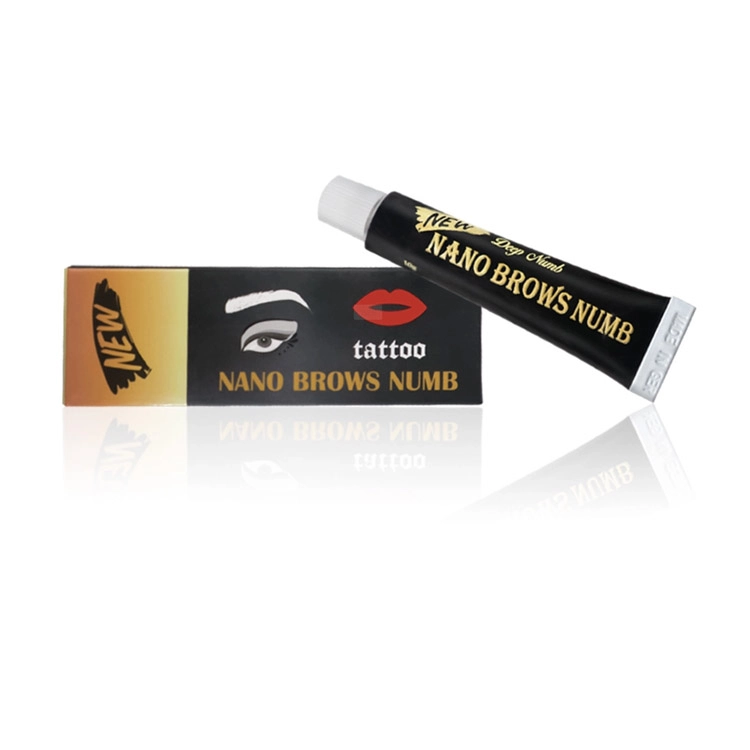
How should I choose a numbing product? Order of use and recommendations?
Generally speaking, we recommend choosing numbing products based on your operating experience, usage habits, treatment stage, treatment area, and applicable population. Here are some tips for choosing numbing products.
1. Treatment stage: Before treatment: tattoo numb cream/tattoo numb essence; During treatment: secondary tattoo numb essence
2. Treatment area: Eyebrows: tattoo numb cream/tattoo numb essence/eyebrow patch; Eyeliner: numbing cream; Lips: tattoo numb cream/numbing essence/lip patch; Body: tattoo numb cream.
3. Operating experience: Beginner: tattoo numb cream; Professional: all are okay
4. Applicable skin: Normal skin: all are okay; Sensitive skin: nano numb cream
Pigment Ink
How long is your production time ?
For general orders, we usually complete production in 7-10 days after you confirm the order details and process the deposit. For bulk orders, the production time may be extended to 20-30 days.
Lash Glue
With this very sticky glue, will the lashes fall off when I use the perm lotion?
Our glue is very sticky and after drying it holds the lashes very firmly to the lash silicone perm rod. Although our glue is water-soluble and can be easily cleaned with water, since there is not much water in the perm lotion, there is not enough water in it to dissolve the glue, so there is no chance that the lashes will not stick to the silicone perm rod and fall off after using the perm lotion. The same goes for Neutralizers too.
Lash lift kit
What is the MOQ for customization?
For logo customization, the MOQ is 2000 kits; for other in-depth customization, the MOQ will be based on your specific requirements.
Micro Blade
How to use microblading needle? Is finest blade the best needles for microblading?
Choosing the thickness of a microblade depends largely on several factors, including the type of eyebrow tattoo, the level of detail required and the individual's tattooing skills. Here are some basic guidelines:
Type of eyebrow tattoo: Detail and line tattoos: finer lines and details can often be achieved with finer needles (e.g. 0.16mm or 0.18mm).
Filling and shading: slightly thicker needles (e.g. 0.20mm or 0.25mm) may be required for better color coverage and shading effects on the skin.
Individual tattooing techniques: Novice tattoo artists may tend to use thicker needles to minimize manipulation time on the skin, while experienced tattoo artists have the flexibility to choose needles of different thicknesses to achieve more varied results.
Skin type: The texture and thickness of different skins can also affect needle selection. Thicker skin may require a slightly thicker needle to ensure that the color and lines penetrate effectively.
Hair condition: The thickness of the client's native hair is also an important factor in choosing the thickness of the needles. Thicker hairs will require slightly thicker needles to ensure that the lines are consistent with the native hairs.

Professional Pre Inked Eye Brow Mapping String 30m
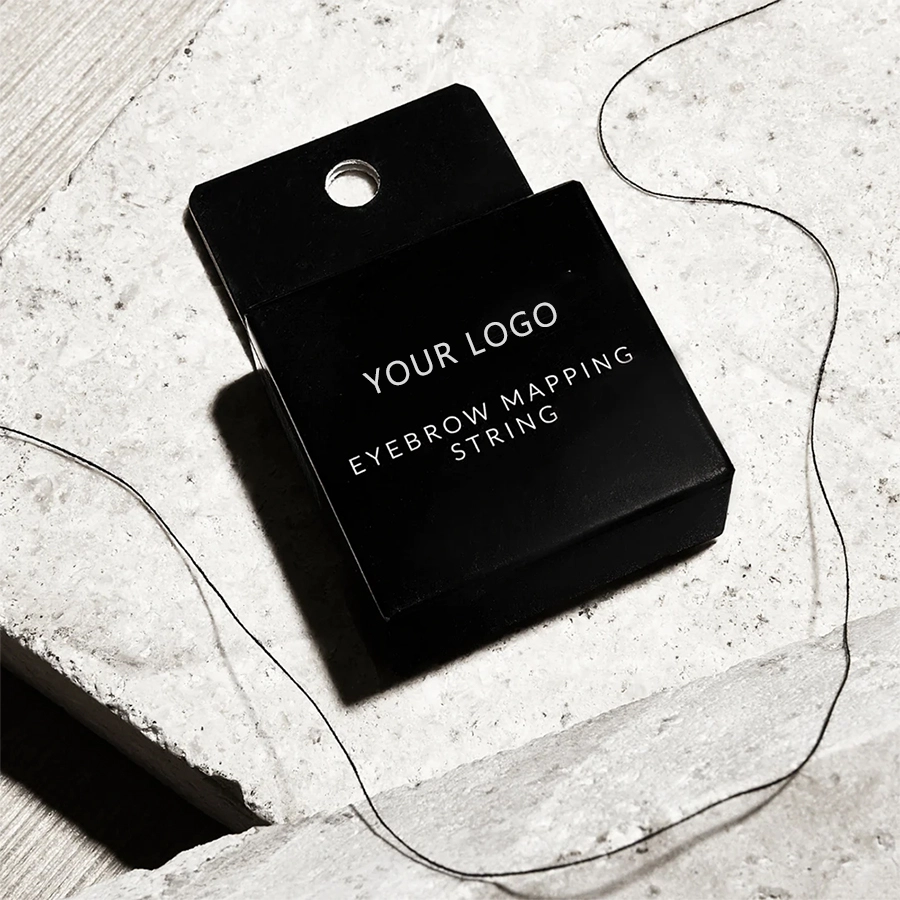
Microblading Pre-inked Mapping String Line 10m
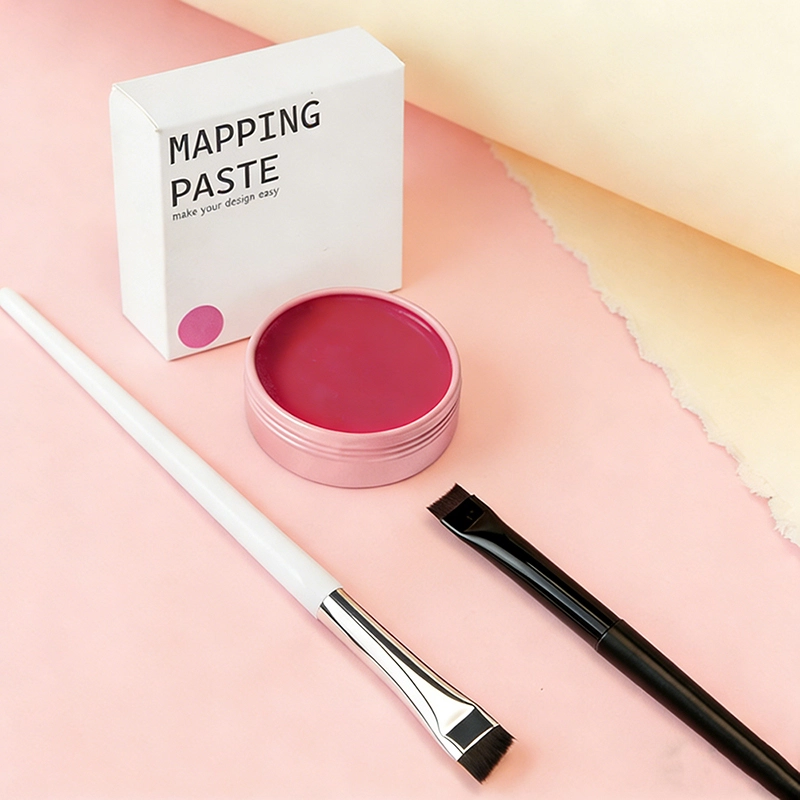
Pre-inked Mapping Ultra-Fine Eyebrows Eyeliner Blade Fan Brush

Instagram
Facebook
YouTube