


Cost Analysis: Profit Margins for Lash Lift Kits
- Market context and why detailed cost analysis matters
- Demand drivers and retail channels
- Regulations and compliance cost impact
- Detailed cost components of an eye lash lift kit
- Typical components and their unit costs
- Logistics, duties, and per-unit indirect costs
- Pricing scenarios and profit margin table
- Assumptions I use in modeling
- Scenario table: cost vs price vs margin
- How to improve margins: practical levers I use with partners
- Design and material optimization
- Scale, private labeling and OEM strategies
- Channel mix and marketing efficiency
- Regulatory, safety and quality controls that affect profit
- Testing, documentation and labeling obligations
- Quality management and certification benefits
- Case study: what I recommend for a new eye lash lift kit launch
- Step-by-step launch cost plan
- Example P&L for first 12 months
- Why partner with an established manufacturer—QM Makeup as a strategic option
- Who QM Makeup is and what they offer
- Manufacturing strengths and competitive differentiators
- How I’ve used QM Makeup capabilities in practice
- Final recommendations and risk management
- Key KPIs to monitor
- Risk checklist
- Frequently Asked Questions (FAQ)
- 1. What is a realistic retail price for a professional eye lash lift kit?
- 2. How much should I budget for testing and regulatory compliance?
- 3. Is private labeling more profitable than building my own brand?
- 4. How do import duties and shipping affect price?
- 5. Can I sell lash lift kits in the US without FDA approval?
- 6. How can QM Makeup help with OEM or private label?
As someone who has worked with salons, distributors and manufacturers across Asia, Europe and North America, I know regional supply chains and regulatory differences matter for an eye lash lift kit business. In this article I summarize how to calculate true cost of goods sold (COGS) for lash lift kits, forecast wholesale and retail profit margins, and mitigate the common cost risks that affect local and global profitability. I also explain compliance essentials (ISO/FDA/EU) and show practical pricing scenarios you can verify against your own numbers.
Market context and why detailed cost analysis matters
Demand drivers and retail channels
I track three major demand drivers for lash lift and tint kits: professional salon services (B2B), home-use consumers (DTC), and eyelash training academies. Each channel has different acceptable price points and margin expectations. Salons expect professional lash lift kits bundled with training and aftercare; consumers prioritize ease-of-use and branding; academies buy in bulk and need low per-kit cost.
Regulations and compliance cost impact
Regulatory compliance materially affects cost. Cosmetics and salon-use products must meet manufacturing standards and labeling rules—ISO 22716 provides Good Manufacturing Practices for cosmetics manufacturing (ISO 22716), while the U.S. Food & Drug Administration oversees cosmetics safety and labeling (FDA Cosmetics). The EU enforces Regulation (EC) No 1223/2009 for cosmetics (EU Cosmetics Regulation). Budget for testing, documentation, and possible registration—these add to unit cost, especially in small production runs.
Detailed cost components of an eye lash lift kit
Typical components and their unit costs
Before setting price or margin targets, break down the kit into components: lifting lotion(s), neutralizer, adhesive, silicon rods/pads, wands, microbrushes, glove inserts, instructions/leaflet, and box packaging. Manufacturing cost per component varies by material and fill weight. For a professional lash lift kit (6–10 pieces), typical manufacturing cost in medium-volume production looks like the table below (assumptions based on industry sourcing experience):
| Component | Unit cost (USD) | Notes |
|---|---|---|
| Lifting solution (30 ml) | $1.20 | Bulk formula + fill |
| Neutralizer (30 ml) | $0.90 | Stabilizers & packaging |
| Adhesive (10 g) | $0.30 | Small tube |
| Silicon rods/pads + wands | $0.80 | Tooling and materials |
| Instructions/leaflet | $0.10 | Design amortized |
| Primary packaging (box & insert) | $0.70 | Printed box, inner tray |
| Assembly, QC | $0.50 | Labor & testing allocation |
| Misc (labels, accessories) | $0.20 | Extra items |
| Total direct manufacturing | $4.70 |
Logistics, duties, and per-unit indirect costs
Beyond direct manufacturing, add shipping (sea freight), import duties, insurance, warehousing, and per-unit marketing amortization. In a typical 10,000-unit sea shipment, per-unit sea freight + customs might be $0.60–$1.20 depending on origin and Incoterms. Add warehousing & fulfilment $0.30–$0.80 per kit, returns & warranty buffer $0.20, and allocated marketing cost-per-unit (catalog, photography, ads) $0.80–$1.50 depending on channel. These indirects push a realistic COGS range higher.
Pricing scenarios and profit margin table
Assumptions I use in modeling
To make margins actionable, I model three SKU archetypes: Economy, Standard, and Professional lash lift kits. The assumptions reflect varied formulation, packaging and brand positioning. My modeling also reflects typical retail markups (keystone/2× rule) and wholesale margins. See a primer on markup calculations (Markup (Wikipedia)).
Scenario table: cost vs price vs margin
The table below presents conservative, realistic numbers you can adapt to your own BOM and logistics.
| Scenario | Estimated COGS per kit (USD) | Wholesale price (USD) | Retail price (USD) | Wholesale margin | Retail gross margin |
|---|---|---|---|---|---|
| Economy | $3.90 | $8.00 | $16.00 | (8-3.9)/8 = 51.3% | (16-3.9)/16 = 75.6% |
| Standard | $8.50 | $18.00 | $35.00 | (18-8.5)/18 = 52.8% | (35-8.5)/35 = 75.7% |
| Professional / High Quality | $15.00 | $35.00 | $70.00 | (35-15)/35 = 42.9% | (70-15)/70 = 78.6% |
Notes: Wholesale margin = (Wholesale price - COGS) / Wholesale price. Retail gross margin = (Retail price - COGS) / Retail price. These numbers exclude retailer operating costs (store labour, rent) and taxes; they are gross margins useful for product-level decisions.
How to improve margins: practical levers I use with partners
Design and material optimization
Optimizing formulation concentrate, sourcing multi-use packaging, and reducing fill sizes where feasible can reduce COGS materially. For example, switching to a lightweight molded tray reduces packaging cost and often shipping weight. I also prioritize formula stability to reduce returns and regulatory headaches.
Scale, private labeling and OEM strategies
Volume is the single most effective margin lever. When you increase order size from 1,000 to 10,000 units, the per-unit tooling, testing and overhead allocation drops substantially. Private labeling and OEM arrangements permit higher margins for brand owners because manufacturing and compliance costs are shared. If you sell B2B as a distributor, aim for a wholesale price that allows salons a 30–50% margin while maintaining brand margin.
Channel mix and marketing efficiency
Direct-to-consumer reduces retailer cuts but requires higher marketing spend. Influence-based channels (trainers, academies) have lower customer acquisition costs when you provide training kits. Allocate marketing spend per acquisition and factor CAC into net margin calculations.
Regulatory, safety and quality controls that affect profit
Testing, documentation and labeling obligations
Cosmetic product safety testing (stability, microbial, preservative efficacy) is not optional for serious markets. The EU and some buyers expect documentation and safety assessments. Budget for lab testing and maintain a product information file. These costs are often amortized across initial production runs but will recur for reformulation and market expansions.
Quality management and certification benefits
Adopting ISO 22716 and documented GMP reduces returns and protects brands. Investing in quality reduces long-term costs and enhances B2B sales where buyers ask for compliance evidence. You can find ISO 22716 details here: ISO 22716.
Case study: what I recommend for a new eye lash lift kit launch
Step-by-step launch cost plan
When advising new brands, I recommend: 1) finalize formula and minimal viable kit components; 2) small pilot run (1,000–2,000 units) to validate packaging and training materials; 3) perform stability and safety testing; 4) negotiate 6–12 month lead times and transit; 5) prepare marketing assets to reduce CAC. Build a 20–25% contingency in early runs for returns and QC adjustments.
Example P&L for first 12 months
Assume you buy 2,000 standard kits at COGS $8.50 and price retail $35 via DTC and wholesale. After 30% of volume sold wholesale and 70% DTC with CAC allocated at $6 per unit, expect overall blended gross margin around 60% before SG&A. Factor in marketing ramp and expected slower sell-through in months 1–3.
Why partner with an established manufacturer—QM Makeup as a strategic option
Who QM Makeup is and what they offer
QM Makeup was established in 2005; we specialize in semi-permanent makeup and eyelash tattoo beauty, and are committed to becoming a leading company in the industry. We specialize in permanent makeup and eyelash beauty products, providing professional wireless tattoo machines, microblading machines, semi-permanent makeup ink, tattoo skin for practice, tattoo numb cream, a professional lash lift kit, the best lash lift and tint kit, professional eyelash glue and eyelash extension lashes products. Our company integrates distribution, wholesale, private labeling and OEM processing on a large scale.
Manufacturing strengths and competitive differentiators
Our production base covers an area of 10,000 square meters with independent R&D and production capabilities, helping customers achieve product customization and providing one-stop tattoo supplies brand solutions. QM Makeup supports clients with full custom branding solutions, fast prototyping, and scalable production which lowers per-unit COGS as volumes increase. For partnerships and product inquiries, visit https://www.qmmakeup.com or email [email protected].
How I’ve used QM Makeup capabilities in practice
I’ve advised brands to use QM Makeup for private label lash lift kits because of their combined OEM capacity, compliance awareness, and lab capabilities—this shortens time-to-market and reduces compliance risk. Their product range (tattoo machine, tattoo ink, microblading, tattoo supplies, eyelashes false) allows cross-category bundle strategies that increase average order value and improve marketing ROI.
Final recommendations and risk management
Key KPIs to monitor
Track COGS per kit, customer acquisition cost (CAC), lifetime value (LTV) of salon customers, sell-through rate by channel, and return rate. Aim for a gross margin threshold appropriate to your channel: >70% for DTC cosmetics brands and >45% for wholesale-driven professional kits.
Risk checklist
- Regulatory changes in major markets (US/EU/UK/AU)—keep safety files current.
- Raw material volatility—lock pricing for core ingredients where possible.
- Supply chain disruptions—increase safety stock for top sellers.
- Brand risk from poor instructions or mislabeled claims—ensure training and accurate labeling.
Frequently Asked Questions (FAQ)
1. What is a realistic retail price for a professional eye lash lift kit?
Realistic retail price ranges from $16 for economy kits to $70+ for High Quality professional kits. Most standard professional kits are priced $30–$40, balancing salon willingness to pay and end-user perceived value.
2. How much should I budget for testing and regulatory compliance?
Initial safety, stability and basic microbial testing for a new cosmetic kit can range from $1,000–$5,000 depending on the number of tests and labs used. Expect additional costs for documentation, translation and registration if selling in the EU or other regulated markets.
3. Is private labeling more profitable than building my own brand?
Private labeling reduces product development time and upfront R&D costs, yielding faster margins but lower differentiation. Building your own brand can deliver higher margins long-term but requires higher marketing investment and brand-building time.
4. How do import duties and shipping affect price?
Import duties, shipping and insurance can add $0.50–$2.00 per kit for sea shipments depending on origin and destination. Air freight will be significantly higher and should be reserved for urgent replenishment or smaller runs.
5. Can I sell lash lift kits in the US without FDA approval?
In the US, cosmetics generally do not require pre-market FDA approval, but products must be safe and properly labeled. If a product makes therapeutic claims, it may be classified as a drug and require different regulatory handling. Always consult regulatory counsel for labeling and claims. See FDA guidance: FDA Cosmetics.
6. How can QM Makeup help with OEM or private label?
QM Makeup offers OEM processing, private labeling, and large-scale manufacturing with R&D support and a 10,000 m² production base. We help partners customize formulations, packaging and brand materials and scale production to reduce COGS. Contact [email protected] for personalized quotes or visit our website.
If you want a tailored cost model for your specific eye lash lift kit (component BOM, target markets, projected volumes), I can prepare a detailed COGS and margin analysis. Reach out to QM Makeup at [email protected] or visit https://www.qmmakeup.com to view OEM/private label capabilities and product ranges.
Where to Buy numbing gel for microblading
Custom PMU Accessories Manufacturers and Suppliers Thailand
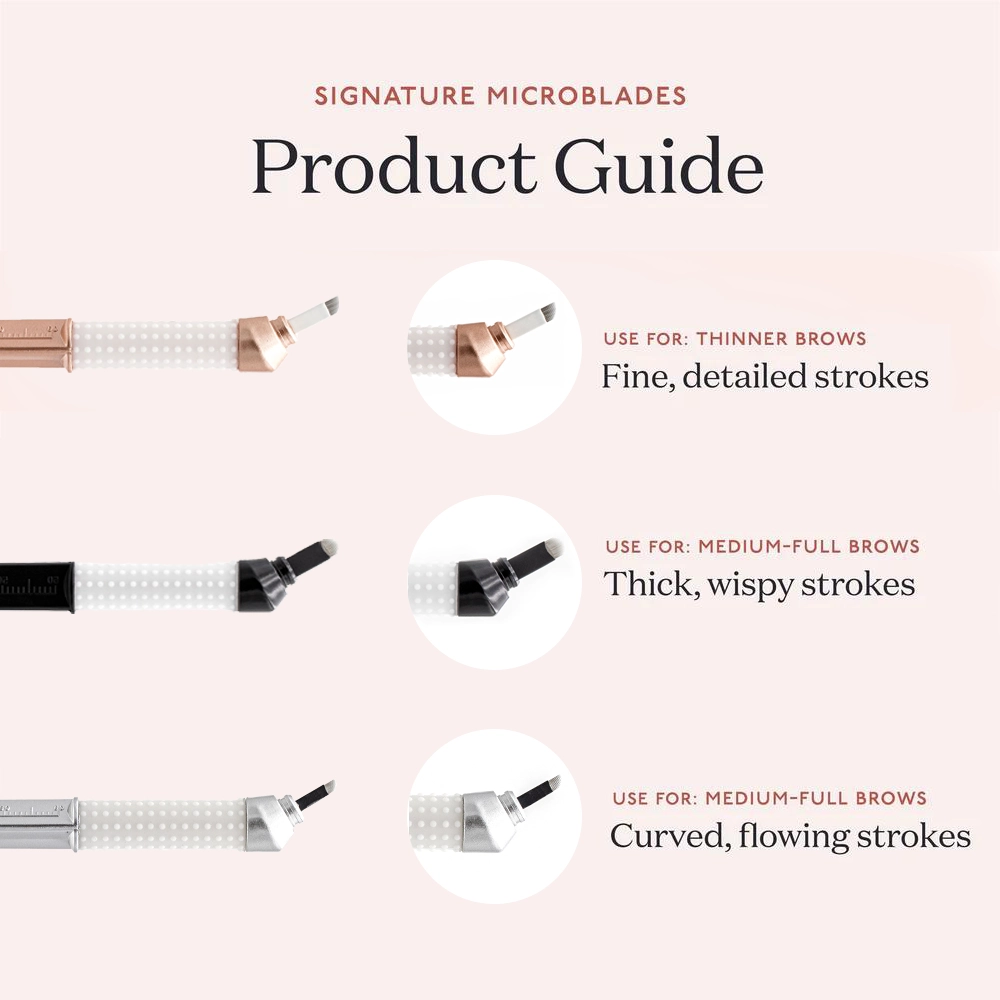
How Angled Pen Design Improves Microblading Precision
What is tattoo numb cream
Pre-inked Mapping String
What is the MOQ to make private label?
Our MOQ for private label pre-inked mapping string is 100pcs/design. You can contact us to learn more details.
Eyelash lifting
If I apply perming lotion after using glue balm, will it cause the eyelashes to fall off the silicone perm rod?
Our glue balm have two formulas, regular formula and anti-falling formula. If you are used to using plastic wrap or covering strips during lash lifting, you can choose one of them; if you don’t use them during lash lifting, we recommend that you choose the anti-falling formula to ensure that after you use the perming lotion, the liquid in the perming lotion will not dissolve the glue balm, thus achieving the anti-falling effect.
Customized service
What if I can't reach the custom minimum order quantity?
We have a minimum order quantity requirement for customized products, which depends on the printing or process or raw material production. The minimum order quantity is calculated separately for each design style. If your order quantity is less than the minimum order quantity, we suggest that you can first order the outer packaging or raw materials according to the minimum order quantity, and then order the finished products in batches, so that your packaging or raw materials can be used in multiple orders.
Powder Pigment
Why dose the ink not colored on the skin after the pigment microblading operation?
The ink is not colored on the skin after the tattoo operation, which is a common problem encountered by novice tattoo artists. There may be several reasons:
Technical problems: If the tattoo technician is not skilled, the ink may not be properly implanted into the skin during the operation, resulting in the inability to color the colorant.
Selected ink type: The type of ink used does not match the tool used, resulting in the inability to color the colorant, such as using liquid ink with a manual pen. Or the ink is practice pigment, it is not professional-grade permanent makeup pigment.
Skin condition: The condition of the skin will also affect the tattoo effect. If the skin is too dry, greasy or inflamed, the ink may not be absorbed well.
Insufficient depth: If the appropriate implantation depth is not reached during tattooing, the colorant may remain in the epidermis and cannot penetrate into the dermis.
Postoperative care: Improper postoperative care (such as excessive cleaning or improper use of skin care products) may cause the tattoo colorant to fade or fail to be properly absorbed.
If this happens after tattooing, it is recommended to consult a professional tattoo artist for evaluation and adjustment.
Logistics
How can I track my order?
You will receive a shipping confirmation and tracking number via email or other contact methods for all orders.

Professional Pre Inked Eye Brow Mapping String 30m
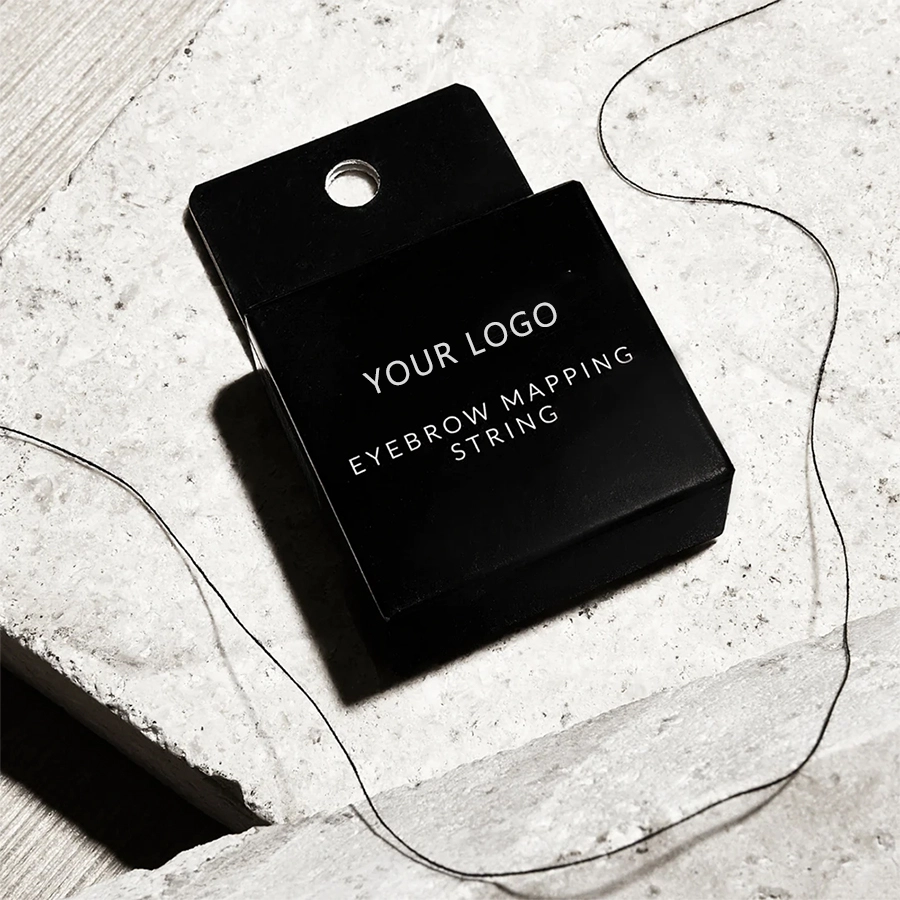
Microblading Pre-inked Mapping String Line 10m
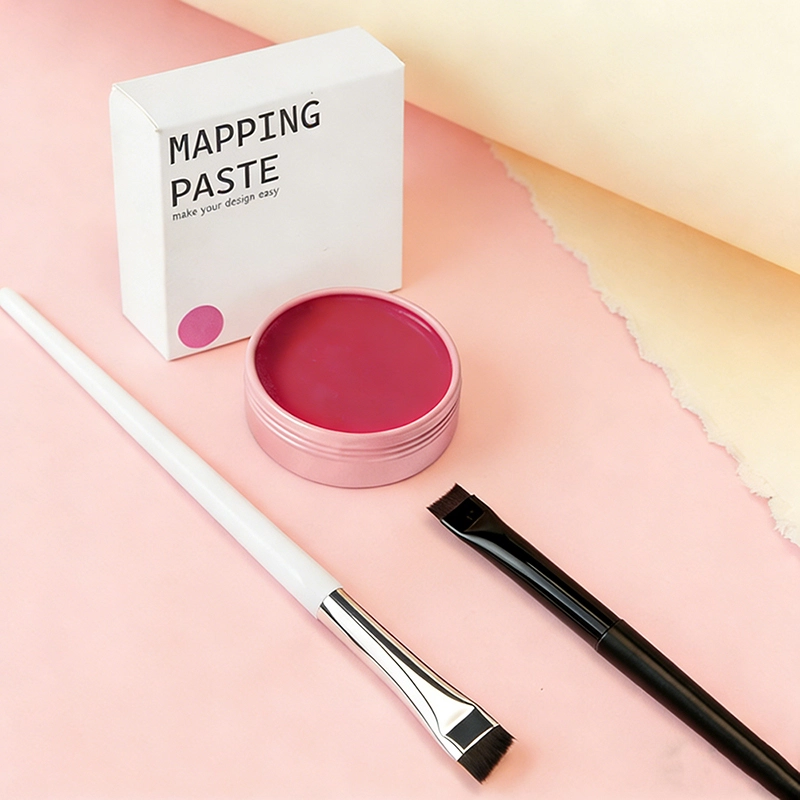
Pre-inked Mapping Ultra-Fine Eyebrows Eyeliner Blade Fan Brush

Instagram
Facebook
YouTube