


Cream for Tattoos Aftercare: Protecting Color and Detail
- Why Proper Tattoo Aftercare Matters
- Healing stages and what they mean for color retention
- How moisture management preserves detail
- Evidence and best-practice guidance
- Choosing the Right Cream for Tattoos Aftercare
- Key ingredients to look for
- What to avoid
- When to use a balm vs. a cream vs. ointment
- Practical Aftercare Routine Using 50g Body Tattoo Butter Balm
- Step-by-step application for new tattoos
- Daily care and long-term maintenance
- When to contact a professional
- Comparing Aftercare Options: Which Protects Color Best?
- Quick comparative table
- Why a tattoo-specific balm often performs better
- Addressing Common Concerns and Complications
- Scabbing and peeling: how to handle it
- Allergic reactions and sensitivities
- Infection prevention
- Special Considerations: Color Tattoos, Cosmetic Pigmentation, and Touch-ups
- Protecting bright colors and delicate line work
- Aftercare for cosmetic and semi-permanent makeup
- Preparing for touch-ups
- FAQ — Frequently Asked Questions
- Is the 50g Body Tattoo Butter Balm safe for fresh tattoos?
- How often should I apply the balm?
- Can I use the balm indefinitely on healed tattoos?
- What if I have a reaction to the balm?
- Does the balm help prevent infection?
- Trusted References
- Contact and Where to Buy

High-quality aftercare is essential to protect tattoo color and detail during the critical healing window. Using an appropriate cream for tattoos aftercare reduces excessive scabbing, locks in moisture, prevents infection, and supports long-term vibrancy. QM Makeup’s 50g Body Tattoo Butter Balm is formulated to soothe, nourish, and support daily tattoo care, making it an effective balm tattoo aftercare option for both fresh and mature tattoos.
Why Proper Tattoo Aftercare Matters
Healing stages and what they mean for color retention
Fresh tattoos go through predictable healing stages: inflammatory, proliferative (scabbing/peeling), and maturation. During these phases the skin rebuilds collagen and the ink settles into the dermis. Improper care — such as over-drying, picking scabs, or using harsh products — can pull pigment out of the wound or cause uneven healing that blurs lines and dulls color. Choosing the right aftercare cream for tattoos aftercare helps control moisture balance and minimizes pigment loss.
How moisture management preserves detail
A moisturizing tattoo aftercare balm prevents excessive scab thickness and reduces the temptation to pick. Thin, flexible scabs promote even healing and help maintain fine lines and sharp edges. Products formulated for tattoo aftercare, such as QM Makeup’s 50g Body Tattoo Butter Balm, emphasize emollients and occlusive balance to keep the wound supple without suffocating it, which supports crisp detail retention.
Evidence and best-practice guidance
Clinical and authoritative sources recommend keeping tattoos clean and appropriately moisturized while avoiding irritants. For general background on tattoos and associated skin considerations, see Wikipedia: Tattoo. The U.S. Food and Drug Administration also provides guidance on tattoo safety and pigments FDA: Tattoos and Permanent Makeup. Dermatology resources such as the American Academy of Dermatology give practical aftercare tips for minimizing complications AAD: Tattoos.
Choosing the Right Cream for Tattoos Aftercare
Key ingredients to look for
The ideal aftercare cream for tattoos aftercare contains gentle emollients (e.g., shea butter, sweet almond oil), humectants (e.g., glycerin), and mild occlusives that lock in moisture without creating a heavy barrier. Avoid fragrances, strong preservatives, and harsh surfactants which can irritate healing skin. QM Makeup’s 50g Body Tattoo Butter Balm is formulated specifically for tattoo care, balancing nourishment and protection to support vibrant, long-lasting tattoos.
What to avoid
Petroleum jelly is commonly used but can be too occlusive for prolonged use and may encourage maceration if applied too thickly. Antibiotic ointments (e.g., neomycin/bacitracin) are not recommended for routine aftercare because they can cause contact dermatitis in some users. Fragrance-heavy lotions and alcohol-containing products should be avoided as they can strip moisture and irritate healing skin.
When to use a balm vs. a cream vs. ointment
Use a light, breathable aftercare cream or balm during the main healing window (days 3–14). On day 0–2, follow your artist’s instructions for initial wound care (often a gentle clean and thin layer of recommended product). Ointments can be useful for very dry or cracked areas but should be used sparingly. QM Makeup’s tattoo balm is designed for daily tattoo care and suitable for both fresh and healed tattoos to maintain color and skin health.
Practical Aftercare Routine Using 50g Body Tattoo Butter Balm
Step-by-step application for new tattoos
1) Wash hands thoroughly. 2) Gently cleanse the tattoo with lukewarm water and a mild, fragrance-free soap. 3) Pat dry with a clean towel — do not rub. 4) Apply a thin layer (pea-sized amount per palm-sized tattoo) of QM Makeup’s 50g Body Tattoo Butter Balm. 5) Repeat 2–3 times daily until peeling subsides. Use thin layers; over-application can hinder gas exchange and delay healing.
Daily care and long-term maintenance
After the initial healing phase, continue to use a moisturizing cream for tattoos aftercare to keep the skin supple and the color vibrant. Apply QM Makeup’s Tattoo Butter Balm as part of your daily body-care routine on tattooed skin to maintain pigment clarity and skin elasticity. Use sunscreen (SPF 30+) on healed tattoos to prevent UV-driven fading.
When to contact a professional
Seek professional advice if you notice increasing redness, swelling, pus, fever, or unusual pain — signs of infection or severe inflammation. Persistent itching and rash might suggest allergic contact dermatitis; a clinician or dermatologist can help diagnose and treat these issues. For trusted dermatology guidance, consult the AAD resource here.
Comparing Aftercare Options: Which Protects Color Best?
Quick comparative table
| Product Type | Benefits | Drawbacks | Suitability for Color Retention |
|---|---|---|---|
| QM Makeup 50g Body Tattoo Butter Balm | Balanced moisture, nourishing but breathable, designed for tattoos | Requires reapplication during healing | High — formulated to preserve vibrancy and detail |
| Petroleum jelly (Vaseline) | Strong occlusive barrier, inexpensive | Too occlusive for long use; can macerate skin and trap debris | Moderate — protective but may affect healing if overused |
| Generic fragranced lotion | Readily absorbed, pleasant scent | Fragrances and alcohols can irritate; not ideal for fresh tattoos | Low — risk of irritation and pigment disturbance |
| Antibiotic ointment | Protects against some bacteria | Risk of allergic reaction; not for routine use | Low — not recommended for long-term color preservation |
Why a tattoo-specific balm often performs better
Tattoo-specific balms are formulated to maintain an optimal moisture balance without suffocating the skin. They avoid common irritants and include ingredients that support barrier repair, which in turn helps pigment settle and reduces color loss. QM Makeup’s Tattoo Butter Balm targets these needs and is available for Tattoo Butter Balm wholesale for studios or practitioners looking to recommend a reliable aftercare product.
Addressing Common Concerns and Complications
Scabbing and peeling: how to handle it
Thin, minimal scabbing is normal. Do not pick or force scabs off — this can remove pigment and cause scarring. Keep the area moisturized with a cream for tattoos aftercare like QM Makeup’s balm to soften scabs and encourage natural shedding. If scabbing is excessive, consult with your tattoo artist or a dermatologist to rule out infection or allergic reaction.
Allergic reactions and sensitivities
Some inks and topical products can cause allergic contact dermatitis. If you experience a persistent rash, blistering, or severe itching, discontinue all topical products and see a clinician. For general safety and regulation context on tattoo inks and reactions, refer to the FDA information here and DermNet NZ guidance here.
Infection prevention
Good hygiene is the first line of defense: wash gently, avoid soaking the tattoo (no baths/swimming) until healed, change bedding regularly, and avoid contacts that could introduce bacteria. If you suspect infection (increasing pain, heat, pus), seek immediate medical attention.
Special Considerations: Color Tattoos, Cosmetic Pigmentation, and Touch-ups
Protecting bright colors and delicate line work
Bright pigments (reds, yellows, oranges) are more prone to fading. Preventive aftercare that includes consistent moisturizing and sun protection will disproportionately benefit these colors. Regularly using a dedicated cream for tattoos aftercare can maintain saturation and contrast over time.
Aftercare for cosmetic and semi-permanent makeup
Semi-permanent makeup (microblading, lip tinting) shares many aftercare principles with body tattoos but may require gentler handling due to thinner skin areas. Use a product specifically recommended by your technician; QM Makeup’s Tattoo Butter Balm is formulated with gentle components suitable for sensitive areas, but always confirm with your practitioner.
Preparing for touch-ups
Proper long-term care reduces the need for frequent touch-ups. When color has faded unevenly, consult your artist about touch-up timing; skin should be fully healed (usually several months) before re-inking. Maintaining skin health with a daily moisturizing regimen supports the best touch-up results.
FAQ — Frequently Asked Questions
Is the 50g Body Tattoo Butter Balm safe for fresh tattoos?
Yes. QM Makeup’s 50g Body Tattoo Butter Balm is formulated for tattoo aftercare and can be used during the primary healing phase in thin layers as directed. Always follow your tattoo artist’s immediate post-procedure guidance.
How often should I apply the balm?
Typically 2–3 times daily while the tattoo is healing, or whenever the tattoo feels dry or tight. Use a thin layer to avoid over-occlusion.
Can I use the balm indefinitely on healed tattoos?
Yes. Regular moisturizing with a balm helps maintain skin elasticity and color vibrancy. For sun protection, use a separate SPF product on healed tattoos when exposed to sunlight.
What if I have a reaction to the balm?
Discontinue use immediately and consult a dermatologist if you experience unusual redness, blistering, or severe itching. Patch testing new products on a small skin area before full application can help detect sensitivities.
Does the balm help prevent infection?
The balm supports barrier repair and keeps the skin less prone to cracking, which indirectly reduces infection risk. It is not an antibacterial medication; seek medical treatment for suspected infections.
Trusted References
- Wikipedia — Tattoo
- FDA — Tattoos and Permanent Makeup
- American Academy of Dermatology — Tattoos
- DermNet NZ — Tattoos
Contact and Where to Buy
For high-quality balm tattoo aftercare, consider QM Makeup’s 50g Body Tattoo Butter Balm. It provides daily tattoo care and deep nourishment to support lasting color and detail. Available for Tattoo Butter Balm wholesale for professionals and single-purchase options for consumers.
Have questions or need bulk pricing? Contact our customer support or view the product page to buy now — reach out via our contact form or email [email protected] (replace with official contact) for immediate assistance.
The B2B Buyer’s Guide to best color tattoo ink
Microblading Eyebrow Pen Techniques for Natural Hair Strokes
Selling Machine Microblading Services: Marketing Tips for Salons
Costs, Pricing Models, and Profitability of Machine Microblading
Golden ratio ruler
How is the package of the golden ratio ruler? Can I customize it?
Currently, our Golden Ratio Rulers are packaged in OPP plastic bags, offering customers the flexibility to customize the packaging format. Regarding customization, we offer personalized packaging services—such as custom-branded boxes—to meet your specific needs. Please feel free to contact us at any time for further details on our customization options.
Tattoo pigment
Will the pigments turn red, orange, blue, or purple when deposited into the skin?
They won't. Because we use high-quality ingredients and focus on color balance, lightfastness, and pigment concentration, our shades only lighten slightly as they heal. They will never change color.
Super numb
Which is better, numbing cream or numbing essence?
In terms of penetration speed, numbing essence penetrates the skin faster than numbing cream and takes effect faster, but it has higher requirements for the operator and needs to avoid the numbing liquid from flowing into the eyes. For new beginners and semi permanent eye makeup tattoo treatment, we recommend using numbing cream.
Eyelash Perming Glue Balm
Easy to do by myself?
Yes, you could use by yourself DIY at home.
Secondary Numbing essence
Can I use numbing products on sensitive skin? Is it safe? Are there any potential side effects?
The ingredients we use are very safe, with anti-allergic effects, and under normal circumstances there are no side effects. However, based on individual differences, it cannot be ruled out that some people may experience temporary redness or irritation in some areas. We recommend patch testing before handling and following product instructions to minimize the risk of adverse reactions.

Professional Pre Inked Eye Brow Mapping String 30m
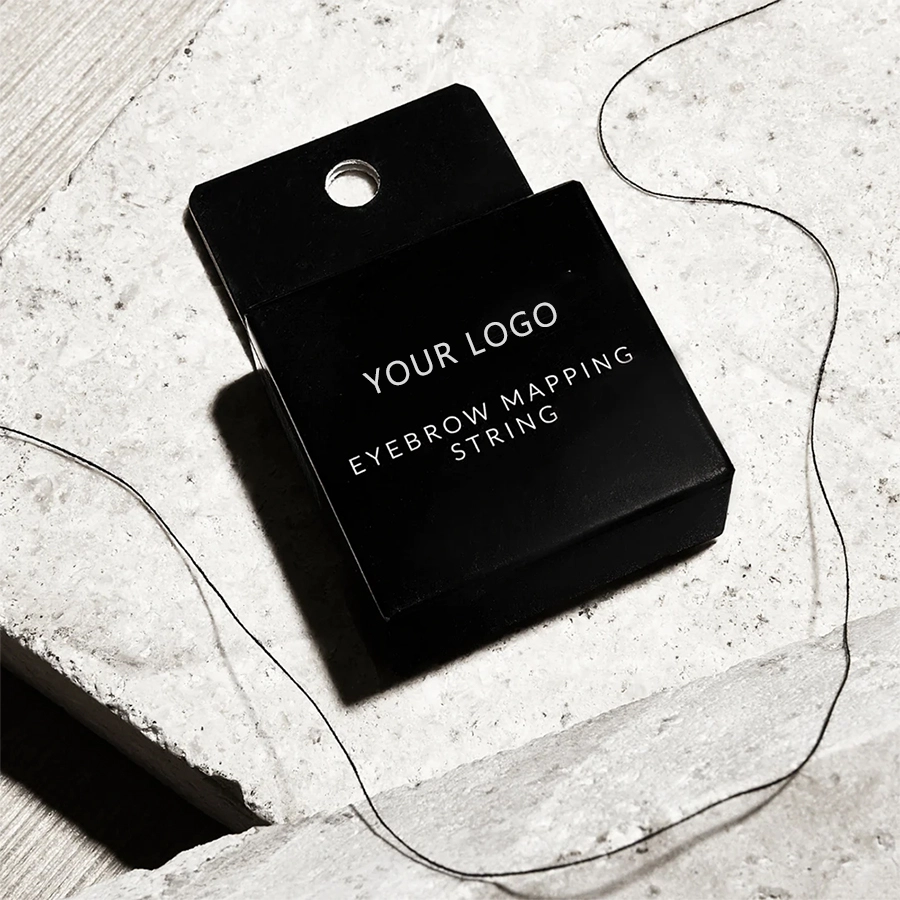
Microblading Pre-inked Mapping String Line 10m
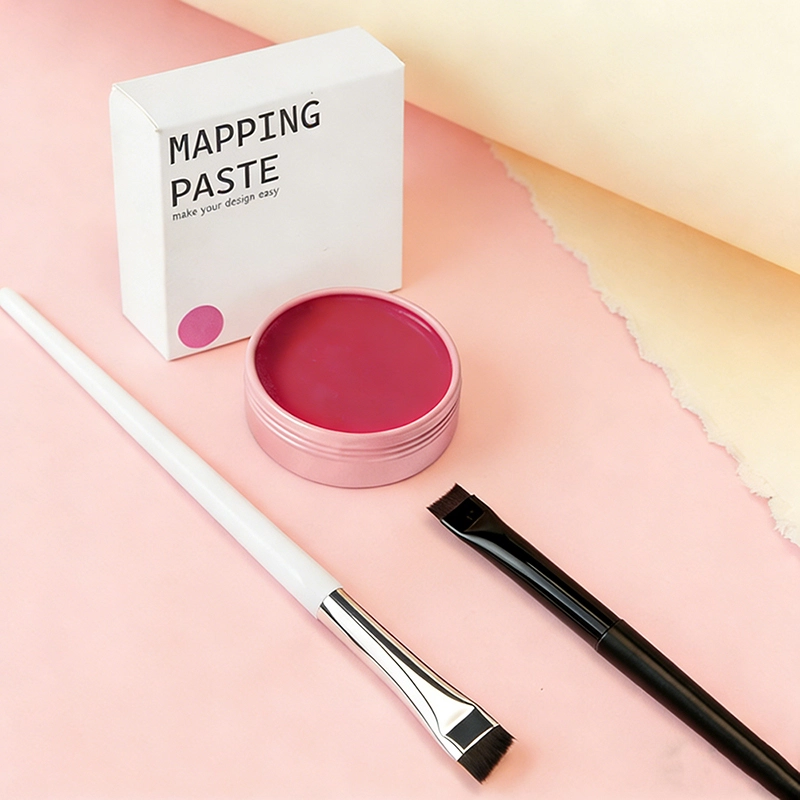
Pre-inked Mapping Ultra-Fine Eyebrows Eyeliner Blade Fan Brush

Instagram
Facebook
YouTube