


Eco-Friendly Tattoo Aftercare: Ingredients Explained
- Understanding Eco-Friendly Tattoo Aftercare and Ingredient Principles
- Why ingredient transparency matters
- Principles of eco-friendly formulations
- How eco-ingredients support both healing and vibrancy
- Key Eco-Friendly Ingredients Explained
- Butters and oils: what to choose and why
- Skin-repair actives: panthenol, allantoin, and vitamin E
- Soothing botanicals: chamomile, calendula, and beyond
- What to Avoid: Harmful or Unsuitable Ingredients
- Synthetic fragrances and essential oils
- Parabens, formaldehyde releasers, and problematic preservatives
- Petrolatum and heavy occlusives
- Practical Comparisons: Common Aftercare Ingredients
- How QM Makeup’s 50g Body Tattoo Butter Balm fits in
- How to Use an Eco-Friendly Tattoo Aftercare Balm
- Step-by-step application for new tattoos
- Long-term maintenance and vibrant color care
- When to seek professional or medical help
- Choosing and Recommending an Aftercare Balm: Checklist for Professionals
- Packaging and shelf life
- Labeling and ingredient transparency
- Wholesale and professional considerations
- FAQ (Frequently Asked Questions)
- Is a cream for tattoos aftercare necessary?
- Can I use petroleum jelly on my new tattoo?
- How often should I apply the 50g Body Tattoo Butter Balm?
- Are natural ingredients always safer?
- Where can I find guidance about tattoo safety standards?
- Contact & Where to Buy
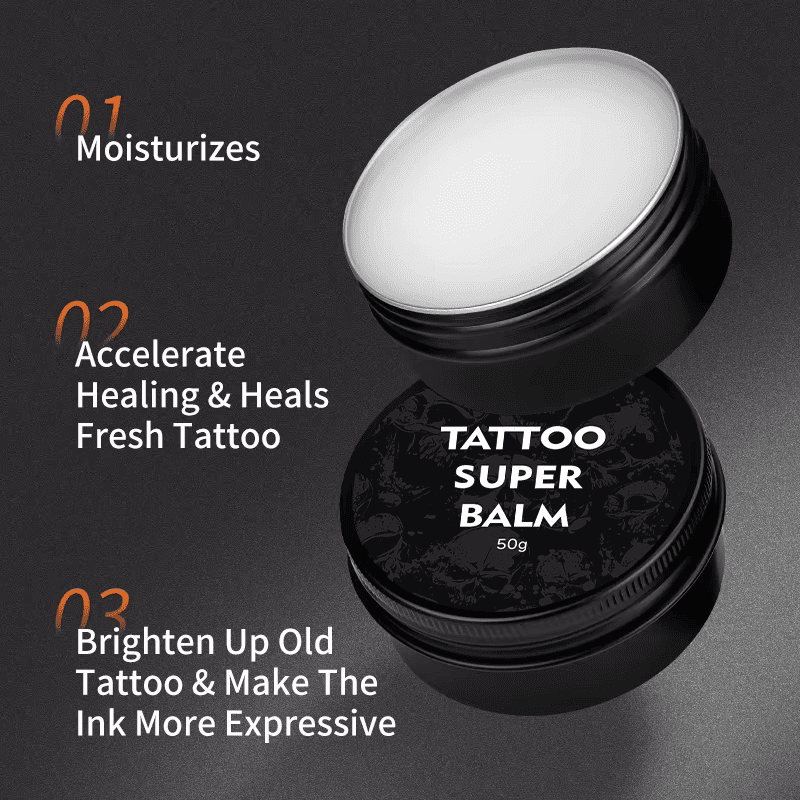
QM Makeup’s 50g Body Tattoo Butter Balm is a high-quality, eco-conscious cream for tattoos aftercare designed to soothe, protect and nourish new and healed ink. This guide explains why ingredient choice matters for tattoo healing and longevity, how natural and clinically-backed components support skin recovery, and what to avoid in tattoo aftercare balms. We also cover formulation tips, comparisons, and practical application steps so you can choose or recommend the best tattoo aftercare balm for sustainable, effective results.
Understanding Eco-Friendly Tattoo Aftercare and Ingredient Principles
Why ingredient transparency matters
Consumers increasingly look for tattoo aftercare products that are both effective and environmentally responsible. Transparency about each component—whether it’s a plant-derived emollient, a preservative, or a bioactive repair agent—helps practitioners and clients evaluate safety, allergy risk, and environmental impact. Regulatory guidance, including information from the U.S. Food and Drug Administration (FDA), highlights concerns around pigments and contaminants; similarly, professional organizations such as the Society of Permanent Cosmetic Professionals emphasize sterile technique and appropriate aftercare to reduce complications.
Principles of eco-friendly formulations
An eco-friendly cream for tattoos aftercare prioritizes: biodegradable or sustainably sourced lipids (e.g., shea, sunflower oil), minimal synthetic preservatives or allergenic fragrances, avoidance of petrolatum where ecologically questionable sourcing exists, and packaging designed for reduced waste or recyclability. Using clinically supported actives such as panthenol (provitamin B5) and tocopherol (vitamin E) ensures therapeutic benefit while maintaining a low environmental footprint. ISO standards for biocompatibility (e.g., ISO 10993) can guide material selection for products that contact skin.
How eco-ingredients support both healing and vibrancy
After a tattoo session, the skin needs moisture, barrier protection, and inflammation control without occlusion that traps bacteria. Balanced emollients and humectants in a tattoo aftercare balm keep the epidermis pliable so the pigment settles smoothly and colors remain vibrant. Ingredients like allantoin and panthenol support epithelial repair and reduce itch, which helps avoid picking or scabbing that dulls ink. QM Makeup’s 50g Body Tattoo Butter Balm combines these functions into one daily-use cream for tattoos aftercare that is also suitable for wholesale Tattoo Butter Balm needs.
Key Eco-Friendly Ingredients Explained
Butters and oils: what to choose and why
Plant-based butters and oils provide emollience and lipid replenishment. Common eco-friendly choices include shea butter, cocoa butter, jojoba oil, and sunflower seed oil. Shea is rich in fatty acids and provides long-lasting moisture; jojoba mimics sebum and absorbs well without heavy residue; sunflower oil is high in linoleic acid, which supports skin barrier repair. These are preferable to mineral oils and petroleum jelly when sustainability and biodegradability are priorities.
Skin-repair actives: panthenol, allantoin, and vitamin E
Panthenol (provitamin B5) and allantoin are established ingredients in wound-care and dermatology. They promote hydration, cellular repair, and reduced irritation. Vitamin E (tocopherol) acts as an antioxidant, protecting lipids and skin cells from oxidative stress during healing. Clinical summaries indicate dexpanthenol improves re-epithelization rates, supporting faster, less symptomatic healing (see clinical review: PubMed review on dexpanthenol).
Soothing botanicals: chamomile, calendula, and beyond
Mild botanicals such as chamomile (matricaria) and calendula have anti-inflammatory properties when properly extracted and tested. They can reduce redness and discomfort, but quality, concentration, and allergen screening matter. Fragrance-free or naturally fragranced options are recommended to minimize contact dermatitis in sensitive skin.
What to Avoid: Harmful or Unsuitable Ingredients
Synthetic fragrances and essential oils
While fragrant botanical extracts are attractive, they may cause allergic reactions or prolonged irritation on newly tattooed skin. Avoid heavy essential oils (e.g., cinnamon bark, clove) and opt for hypoallergenic, unscented formulas when treating fresh tattoos. For clients seeking a pleasant scent, low-allergen natural extracts or fragrance-free alternatives are safer choices.
Parabens, formaldehyde releasers, and problematic preservatives
Some preservatives have environmental persistence or allergenic potential. Eco-friendly aftercare formulas use safe, broad-spectrum preservatives or advanced packaging (airless tubes) to minimize preservative load. If preservatives are necessary, choose those with favorable safety profiles and transparent labeling.
Petrolatum and heavy occlusives
Petrolatum is an effective occlusive but is petroleum-derived and its sustainability can be questioned. Excessive occlusion can also trap exudate and bacteria under a fresh tattoo, delaying proper scab formation. Many modern tattoo aftercare creams (including eco formulations like QM Makeup’s Body Tattoo Butter Balm) use breathable emulsions and plant-based waxes to protect without over-occluding.
Practical Comparisons: Common Aftercare Ingredients
Below is a concise comparison of common ingredients to help you evaluate creams for tattoos aftercare.
| Ingredient | Role | Eco & Safety Notes |
|---|---|---|
| Shea butter | Deep emollient, barrier repair | Sustainably harvested varieties available; biodegradable |
| Jojoba oil | Skin-mimicking emollient, non-greasy | Stable, good for sensitive skin; eco-friendly when responsibly farmed |
| Panthenol (provitamin B5) | Moisture retention, accelerates epithelial healing | Clinically supported (see PubMed) |
| Allantoin | Soothing, promotes skin regeneration | Well-tolerated, safe for aftercare |
| Vitamin E (tocopherol) | Antioxidant, protects lipids | Natural and synthetic forms exist; generally safe |
| Petrolatum | Strong occlusive, prevents moisture loss | Effective but petroleum-derived; not ideal for eco-conscious buyers |
How QM Makeup’s 50g Body Tattoo Butter Balm fits in
QM Makeup’s Body Tattoo Butter Balm blends plant-derived butters and clinically validated actives to create a cream for tattoos aftercare that soothes, protects and preserves color without heavy occlusives or irritating fragrances. Available as Tattoo Butter Balm wholesale, the 50g size is ideal for retail or professional kit use, supporting daily tattoo care from fresh healing to long-term maintenance.
How to Use an Eco-Friendly Tattoo Aftercare Balm
Step-by-step application for new tattoos
1) Follow your artist’s instructions for first-day bandaging and timing. 2) Wash hands thoroughly with fragrance-free soap. 3) Clean the tattoo gently with lukewarm water and a mild, unscented cleanser. 4) Pat dry with a clean towel or paper towel—do not rub. 5) Apply a thin layer of QM Makeup 50g Body Tattoo Butter Balm: enough to moisturize but not smother the skin. 6) Reapply 2-3 times daily or as needed when the skin feels dry or tight.
Long-term maintenance and vibrant color care
For healed tattoos, use the balm daily or several times a week to keep the epidermis hydrated and the pigment looking fresh. Sun protection remains crucial: apply a broad-spectrum SPF when exposed to sunlight. Regular moisturizing with an eco-friendly cream for tattoos aftercare keeps skin supple, which supports color longevity.
When to seek professional or medical help
If signs of infection develop (increasing redness, warmth, pus, fever), or if you experience severe allergic reactions (hives, severe swelling), contact your tattoo artist or a healthcare professional. For guidance on risks and safety, authoritative sources such as the Wikipedia summary on tattoos and regulatory updates from the FDA can provide background on common complications and recommendations.
Choosing and Recommending an Aftercare Balm: Checklist for Professionals
Packaging and shelf life
Choose products with airless or recyclable packaging to limit preservative requirements and reduce contamination risk. Clear expiration dating and batch tracking improves safety and traceability.
Labeling and ingredient transparency
Full ingredient lists and allergy warnings are essential. Products that reference testing or compliance with standards such as ISO 10993 or provide stability and microbial test results offer higher trust for professionals and consumers alike.
Wholesale and professional considerations
For studios and retailers, offering Tattoo Butter Balm wholesale (like QM Makeup’s 50g Body Tattoo Butter Balm) enables consistent aftercare recommendations and enhances client satisfaction. Consider stocking multiple sizes for client convenience and a clear aftercare card with application instructions.
FAQ (Frequently Asked Questions)
Is a cream for tattoos aftercare necessary?
Yes. Proper topical aftercare reduces the risk of infection, supports optimal healing, prevents excessive scabbing and color loss, and keeps the skin comfortable. An appropriate eco-friendly tattoo aftercare balm offers the necessary moisture and barrier support without harmful additives.
Can I use petroleum jelly on my new tattoo?
Short-term use of petroleum jelly has been historically recommended by some artists, but it can be overly occlusive and is not the preferred option for eco-conscious users. Plant-based balms like QM Makeup’s Body Tattoo Butter Balm provide a breathable protective layer that supports healing while aligning with sustainability values.
How often should I apply the 50g Body Tattoo Butter Balm?
Apply a thin layer 2–3 times daily during the active healing phase, and reduce to a maintenance routine (few times weekly or daily) once the tattoo is fully healed. Adjust frequency based on skin dryness and environmental conditions.
Are natural ingredients always safer?
Not necessarily. Natural ingredients can still cause allergies or irritation. Look for clinically supported actives, hypoallergenic claims, and transparent testing. QM Makeup’s 50g Body Tattoo Butter Balm balances natural emollients with proven repair agents for broad tolerability.
Where can I find guidance about tattoo safety standards?
Authoritative guidance can be found through regulatory bodies like the FDA, professional groups such as the Society of Permanent Cosmetic Professionals, and peer-reviewed literature (see clinical reviews on panthenol at PubMed).
Contact & Where to Buy
If you’re ready to try an eco-friendly, effective cream for tattoos aftercare, view QM Makeup’s 50g Body Tattoo Butter Balm product page or contact our customer service for wholesale Tattoo Butter Balm options and professional studio pricing. Our team can provide formulation details, ingredient lists, and guidance tailored to semi-permanent makeup and body tattoo aftercare needs.
Contact Customer Service: For product inquiries, bulk orders, or distribution details, please contact QM Makeup support via our site or email [email protected]. View product and order: QM Makeup 50g Body Tattoo Butter Balm.
References: FDA on tattoo safety (fda.gov), Society of Permanent Cosmetic Professionals (spcp.org), clinical review on panthenol (PubMed), general tattoo information (Wikipedia), ISO biocompatibility standard (ISO 10993).
Where to Buy best aftercare products for tattoos
How Long Does Tattoo Pigment Ink Last? Longevity Explained
How to Verify Quality: Lab Tests for eye lash lift kits
QM Makeup Best professional permanent makeup machine manufacturers and supplier brands
Eyelash lifting
Is glue balm easy to clean?
Yes, it is. You can easily clean it with glue remover or water.
Golden ratio ruler
What is the MOQ to make private label for golden ratio ruler?
Our MOQ for private label golden ratio ruler is 100pcs/design. You can contact us to learn more details.
After sales support
What do I do if the shipment got damages?
A damaged item is typically defined as a broken product that is fractured, shattered, bent, crushed, or leaking. To ensure quality control, we require evidence of damage in the form of photos and videos. For any damaged items, we will provide a replacement or issue a refund.If your damaged package was shipped by a freight forwarder, we will not be held responsible for it.
Lash lift kit
How long does the lifting effect last?
On average, the lash lifting effect lasts for 2-3 months, depending on the clients eyelashes individual differences and the time you takes for lash lift procedure of soften (perm lotion) and set (neutralizer).
Lash Glue
How do I choose the right lifting glue for eyelashes?
The choice of glue for eyelash lifting depends on several factors, including skin type, application habits and personal skills. Here are some tips for you:
Skin type: For sensitive skin, we recommend choosing strong sticky glue.
Habits: If you don't want the glue to leave a waxy residue when applied, we recommend choosing strong sticky glue; if you need a very sticky glue and don't mind a slightly elastic status quo during application, we recommend choosing super sticky glue.
Personal skills: If you are a professional, we recommend using liquid lifting glue, strong sticky glue and super sticky glue are ideal for you. If you are a beginner, we recommend lifting glue balm, non-flowing glue allows you to better control the amount of glue and adjust the lashes, you can click to see the lifting glue balm page for more details.

Professional Pre Inked Eye Brow Mapping String 30m
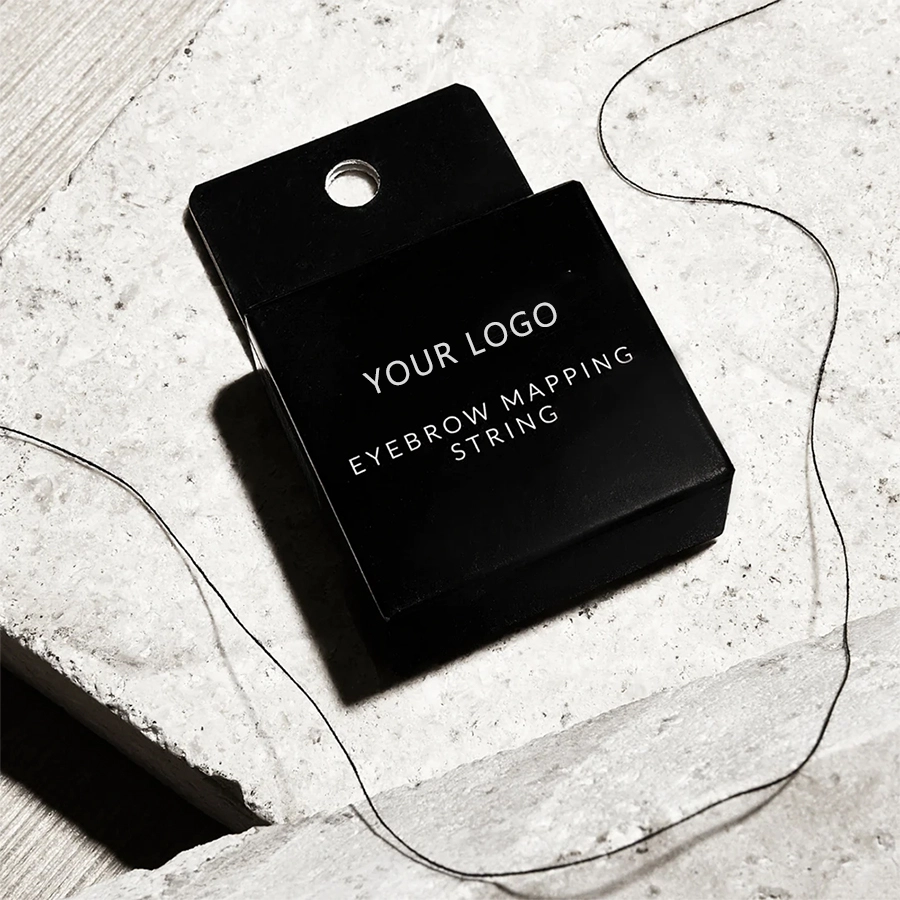
Microblading Pre-inked Mapping String Line 10m
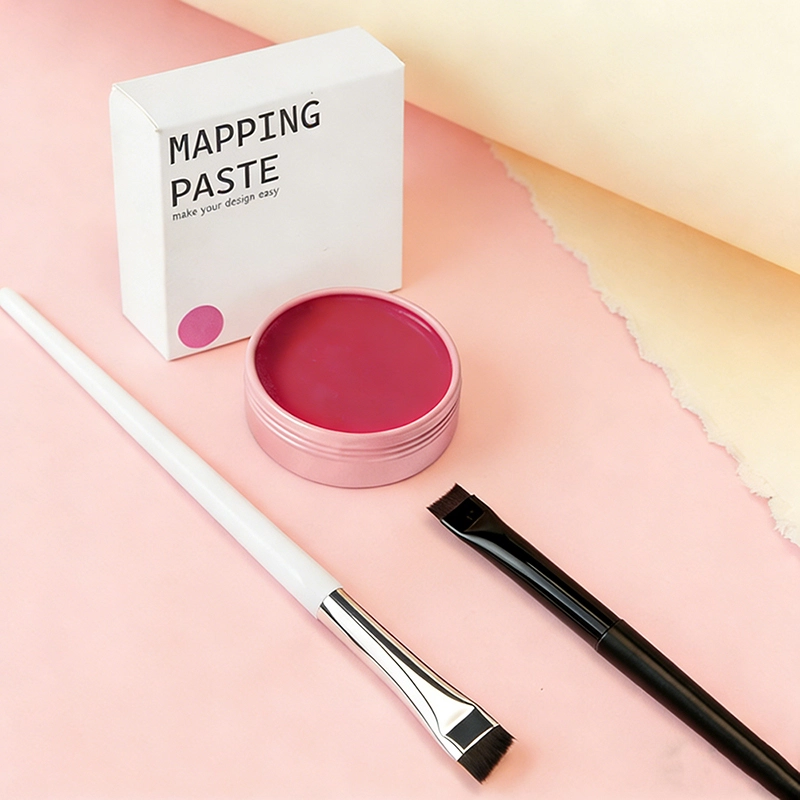
Pre-inked Mapping Ultra-Fine Eyebrows Eyeliner Blade Fan Brush

Instagram
Facebook
YouTube