


How Long Does Tattoo Pigment Ink Last? Longevity Explained
- How Long Does Tattoo Pigment Ink Last? Longevity Explained
- What is tattoo pigment ink and why longevity varies
- Types of pigment ink: tattoo vs. cosmetic microblading inks
- Typical longevity ranges: what professionals observe
- Key factors that determine how long tattoo pigment ink lasts
- 1) Pigment composition and particle size
- 2) Depth of implantation and technique
- 3) Skin type and immune response
- 4) Placement (eyebrows vs. body) and sun exposure
- 5) Pigment color and chemistry
- 6) Aftercare and lifestyle
- How to maximize pigment longevity (best practices for artists and clients)
- When should clients expect retouches?
- Comparing products: what makes Hybrid Powder Microblading Pigment Ink different?
- Practical examples: expected lifecycle for eyebrow clients
- Signs of pigment fading and how to evaluate results
- Safety considerations and regulations
- Why choose QM Makeup Hybrid Powder Microblading Pigment Ink?
- FAQ — Common questions about tattoo pigment ink longevity
- Q: How long does microblading pigment last compared to traditional tattoo ink?
- Q: Will my pigment change color over time?
- Q: Does sun exposure really make a difference?
- Q: How often should I schedule touch-ups?
- Contact us / View product
- Sources

How Long Does Tattoo Pigment Ink Last? Longevity Explained
What is tattoo pigment ink and why longevity varies
Tattoo pigment ink refers to the concentrated colored particles implanted into the skin to create permanent or semi-permanent designs. This broad term covers a wide range of products: from traditional body tattoo inks to specialized cosmetic inks used for eyebrow microblading and powder techniques. The lifespan of tattoo pigment ink is not a single number — it varies by formula, technique, placement, skin biology, and aftercare.
Types of pigment ink: tattoo vs. cosmetic microblading inks
Different product classes are formulated with different goals. Traditional tattoo inks are designed to be highly durable and stable in the dermis, while cosmetic microblading and powder pigments are engineered to fade gradually (so color and shape can evolve with the wearer and be corrected). QM Makeup Hybrid Powder Microblading Pigment Ink is positioned as a hybrid cosmetic pigment that balances vibrancy with controlled longevity — ideal for professionals seeking the best ink tattoo option in the microblading/PMU category.
Typical longevity ranges: what professionals observe
Below are typical longevity ranges commonly reported by experienced clinicians and industry sources. These are ranges, not guarantees — individual results vary.
| Procedure / Pigment Type | Typical Longevity (average) | Primary Reason for Longevity Differences |
|---|---|---|
| Traditional body tattoo (professional) | 10–30+ years (often lifelong; may fade) | Deeper dermal placement, larger pigment particles, less sun exposure variability |
| Microblading (manual blade) | 6–24 months | Shallow placement in upper dermis/epidermis; small stroke pigments; designed to fade |
| Powder microblading / Ombre Brows | 1.5–4 years | Softer deposition, more uniform shading; pigment formula influences duration |
| Hybrid Powder Microblading Pigment Ink (professional-grade) | 2–5 years (depending on skin & care) | High quality formula balances vibrancy with controlled fade; ideal for touch-up cycles |
Sources for these ranges include clinical literature reviews and permanent makeup industry standards; see sources listed at the end.
Key factors that determine how long tattoo pigment ink lasts
Longevity is multifactorial. Understanding each factor helps both artists and clients set realistic expectations and optimize outcomes.
1) Pigment composition and particle size
Inks contain pigments (organic or inorganic), carriers, and additives. Larger, inorganic pigment particles and pigments designed for deep dermal stability tend to last longer. Cosmetic pigments formulated for PMU often use smaller particles and binding agents that allow gradual breakdown. QM Makeup Hybrid Powder Microblading Pigment Ink uses a High Quality formula engineered to retain vibrancy while enabling predictable fading suitable for cosmetic applications.
2) Depth of implantation and technique
Depth matters: deeper placement (into the papillary or reticular dermis) generally produces longer-lasting results but increases risk of migration or blowout if done incorrectly. Microblading typically deposits pigment more superficially than machine techniques. Powder microblading and hybrid techniques (machine-assisted shading using micro-pigment) can achieve controlled depth for longer-lasting shading. Skill and consistency of the technician are critical.
3) Skin type and immune response
Every client has a unique immune response; macrophages gradually remove pigment particles over time. Oily skin, very exfoliating skin types, or accelerated cell turnover can cause quicker fading. Conversely, thicker or less reactive skin may retain pigment longer. Age and metabolism also play roles.
4) Placement (eyebrows vs. body) and sun exposure
Areas exposed to sunlight or abrasive contact fade faster. Eyebrows typically last several years but will fade faster with frequent sun exposure, chemical exfoliants, or heavy skincare. Body tattoos on areas with more sun exposure or friction (hands, fingers) also tend to fade sooner.
5) Pigment color and chemistry
Dark pigments (black, deep brown) generally last longer than lighter or red-based pigments which can break down and shift in tone (e.g., red becoming pinkish or orange becoming muddy). Pigment chemistry also affects how a color changes over time due to oxidation and UV exposure. QM Makeup’s formula focuses on color stability to minimize undesirable shifts while maintaining a natural fade.
6) Aftercare and lifestyle
Immediate aftercare (keeping the area clean, avoiding sun, not picking scabs) significantly influences retention. Long-term factors like frequent sun exposure, use of retinoids, chemical peels, or aggressive exfoliation accelerate fading. Proper SPF and gentle skincare extend pigment life.
How to maximize pigment longevity (best practices for artists and clients)
To get the most from tattoo pigment ink, follow steps used by experienced professionals:
- Choose a high-quality pigment designed for the procedure (e.g., Hybrid Powder Microblading Pigment Ink).
- Use correct depth and consistent technique — training and practice matter.
- Provide clear aftercare instructions: avoid sun, swimming, heavy sweating, and exfoliating products during healing.
- Recommend SPF for brows and tinted areas to slow UV breakdown.
- Schedule a 6–12 week touch-up to perfect color and retention; then maintenance every 1–3 years depending on fading.
When should clients expect retouches?
For microblading and powder procedures, the standard workflow is an initial session, a 6–12 week perfecting touch-up, and then maintenance retouches usually every 1–3 years. The exact timing depends on the factors above and the client’s preference. Hybrid powder formulas often extend time between retouches compared to simple microblading strokes.
Comparing products: what makes Hybrid Powder Microblading Pigment Ink different?
Not all cosmetic pigments are created equal. QM Makeup Hybrid Powder Microblading Pigment Ink offers features that matter for professionals looking for the best ink tattoo option in cosmetic PMU:
- Vibrant, long-lasting colors that retain natural tones.
- Formulated for controlled fading — enabling predictable maintenance cycles.
- Consistency suited for machine shading and hybrid techniques.
- Available in wholesale quantities for salons and professionals.
Practical examples: expected lifecycle for eyebrow clients
Example scenarios (realistic, averaged):
- Client A (age 28, oily skin, outdoorsy): Powder brows done with standard pigment — likely noticeable softening after 12–18 months; retouch recommended at 12 months.
- Client B (age 45, normal/dry skin, good sun protection): Hybrid powder brows with QM Makeup pigment — strong color retention expected for 2–4 years; first maintenance around year 2.
- Client C (uses daily retinoids/laser treatments): Accelerated fading expected; retouches may be needed annually depending on procedures.
Signs of pigment fading and how to evaluate results
Common signs clients notice: color lightening, loss of definition, color shift (e.g., warm tones becoming ashy). To evaluate, compare healed photos at 6–12 weeks and then annually. If fading is uneven, a targeted retouch can restore evenness and color balance.
Safety considerations and regulations
Regulatory oversight varies by country; in the U.S., the FDA monitors tattoo pigments but does not approve most tattoo inks before sale. Consumers and professionals should prefer reputable brands with transparent ingredient practices and batch safety testing. QM Makeup provides professional-grade pigments suitable for licensed technicians — using trusted products reduces the risk of adverse reactions.
Why choose QM Makeup Hybrid Powder Microblading Pigment Ink?
For professionals seeking a reliable wholesale microblading pigment ink, QM Makeup combines High Quality formula performance with color stability and shading versatility. Benefits include:
- Consistent viscosity and flow for machine shading and hybrid techniques.
- Color systems designed for natural, long-lasting brows without unnatural undertones.
- Trusted by trained artists focused on delivering long-term client satisfaction.
FAQ — Common questions about tattoo pigment ink longevity
Q: How long does microblading pigment last compared to traditional tattoo ink?
A: Microblading is more superficial and generally lasts 6–24 months, while traditional tattoos (deeper dermal placement) can last decades. Hybrid powder techniques using high-quality cosmetic pigments commonly fall in the 1.5–5 year range.
Q: Will my pigment change color over time?
A: Some pigments, especially warm or red-based shades, can shift subtly due to oxidation or UV exposure. High-quality formulas like QM Makeup’s are formulated to minimize unwanted color shifts.
Q: Does sun exposure really make a difference?
A: Yes. UV radiation breaks down pigments faster. Daily SPF and sun-protective habits significantly extend pigment life.
Q: How often should I schedule touch-ups?
A: After the initial session and 6–12 week touch-up, most clients return every 1–3 years for maintenance. Individual schedules depend on skin type, lifestyle, and desired look.
Contact us / View product
Ready to offer clients long-lasting, natural results? Discover QM Makeup Hybrid Powder Microblading Pigment Ink — trusted as the best ink tattoo option by many professionals. For wholesale pricing, technical data sheets, and supply questions, contact our customer service or view the product page.
Contact: [email protected] | View product: QM Makeup Hybrid Powder Microblading Pigment Ink
With longevity considerations in mind, the next step is choosing the right pigment colors for different complexions. Learn how to match tones effectively in Tattoo Pigment Ink Color Selection for Skin Tones.
Sources
- U.S. Food & Drug Administration (FDA) — Tattoos & Permanent Makeup: https://www.fda.gov/cosmetics/cosmetic-products/tattoos-pigments
- National Health Service (NHS, UK) — Tattoo removal and safety: https://www.nhs.uk/common-health-questions/skin-sun-and-uv/what-is-the-best-way-to-remove-a-tattoo/
- American Academy of Dermatology (AAD) — Tattoos: https://www.aad.org/public/diseases/a-z/tattoos
- StatPearls / NCBI Bookshelf — Tattoo: https://www.ncbi.nlm.nih.gov/books/NBK559106/
- Society of Permanent Cosmetic Professionals (industry guidance & best practices): https://www.spcp.org/
Top Aftercare Products Every PMU Studio Should Stock
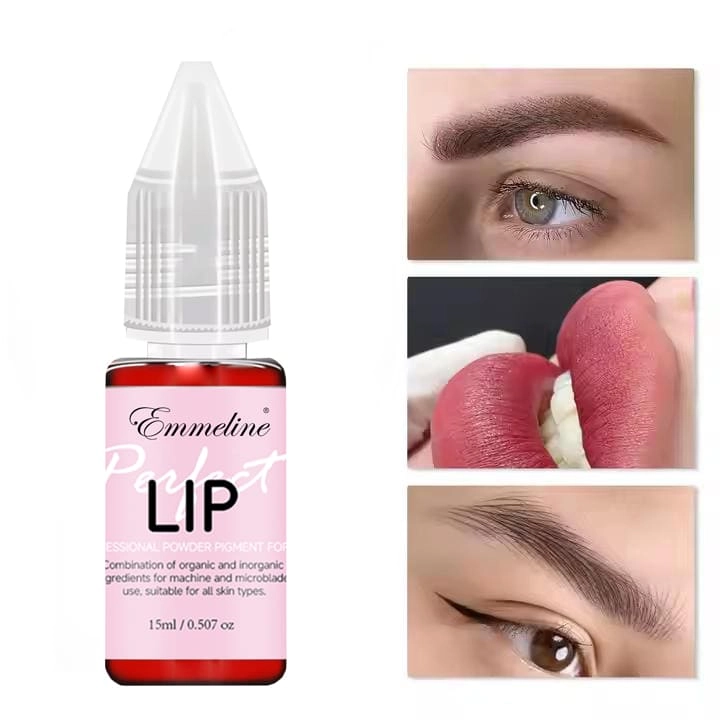
Beginner Checklist: Tools for Hybrid Powder Microblading Pigment Ink
How to Choose Right unique tattoo pigment manufacturer and supplier ?
Custom eyelash glue Manufacturers and Suppliers
About us
Does your factory accommodate visits from customers?
Yes, we are located in Baiyun District, Guangzhou. We welcome your visit, please do make an appointment with our customer service in advance.
Pigment Ink
How long is your production time ?
For general orders, we usually complete production in 7-10 days after you confirm the order details and process the deposit. For bulk orders, the production time may be extended to 20-30 days.
Logistics
How long can I get my goods?
Different shipping methods have different delivery times. The typical delivery time for express shipping is 7-10 business days, while sea and train shipping usually takes 30-60 business days.
Lash lift kit
Does the perming lotion contain the ingredient “Cysteamine” ?
Yes, some formulas contain the ingredient “Cysteamine”, then some contain the ingredient “Thioglycolic acid”. The active ingredient of the perming lotion is a reducing agent, which acts to break the disulfide bonds in the eyelash. Commonly used reducing agents are Thioglycolic acid and Cysteamine. Compare to Cysteamine, Thioglycolic acid has a strong reducing power.
Nano cream
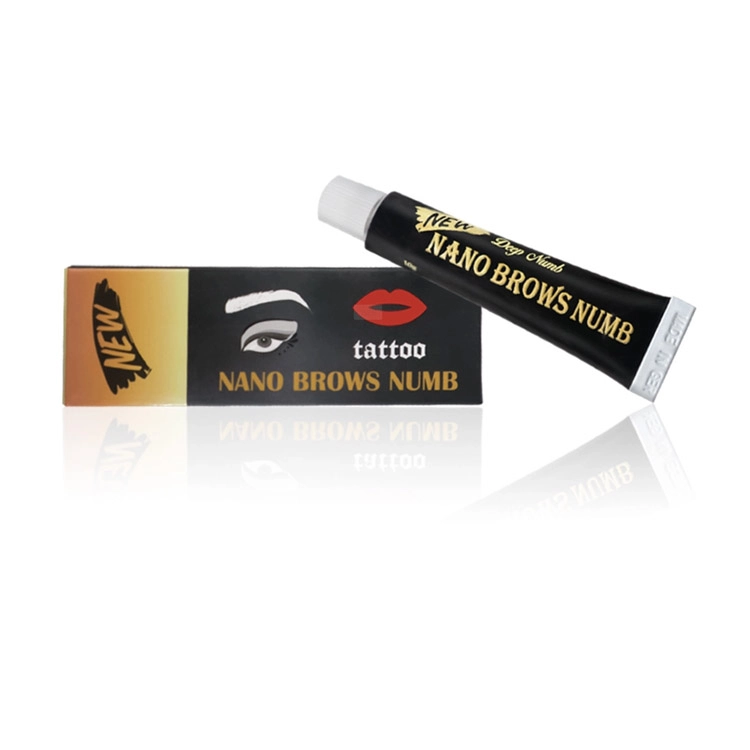
Can Nano Numb Cream For Tattoo be used on the lips?
Yes, nano numb cream can be used on the lips.

Professional Pre Inked Eye Brow Mapping String 30m
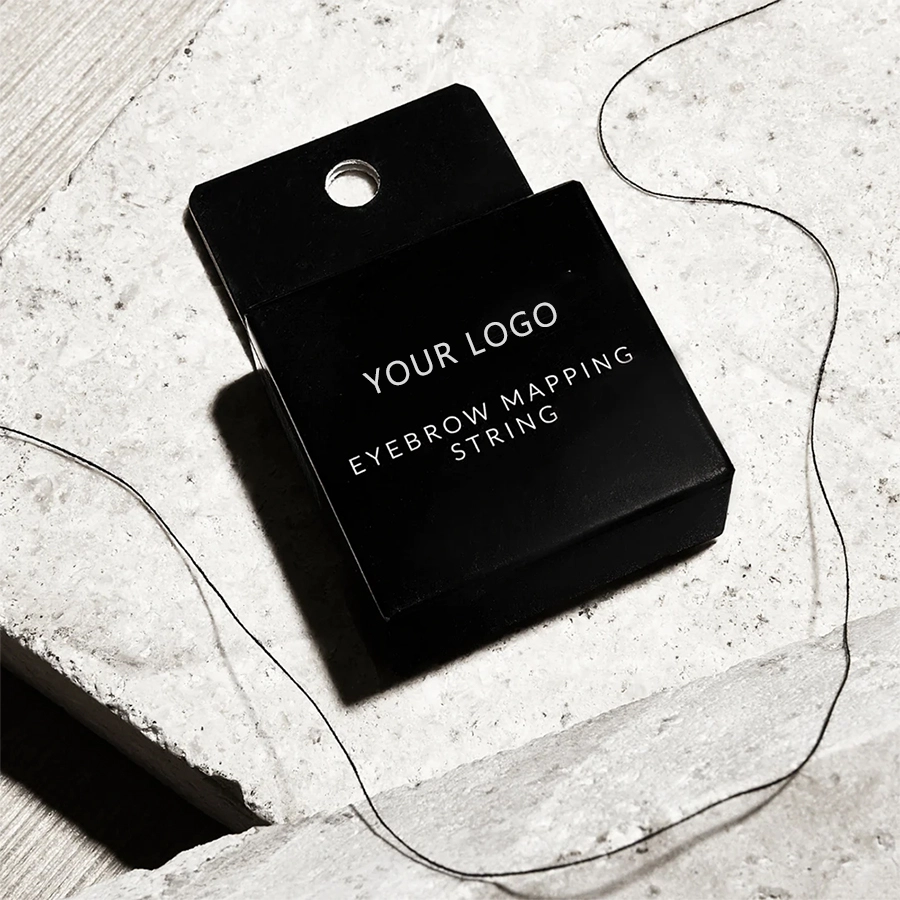
Microblading Pre-inked Mapping String Line 10m
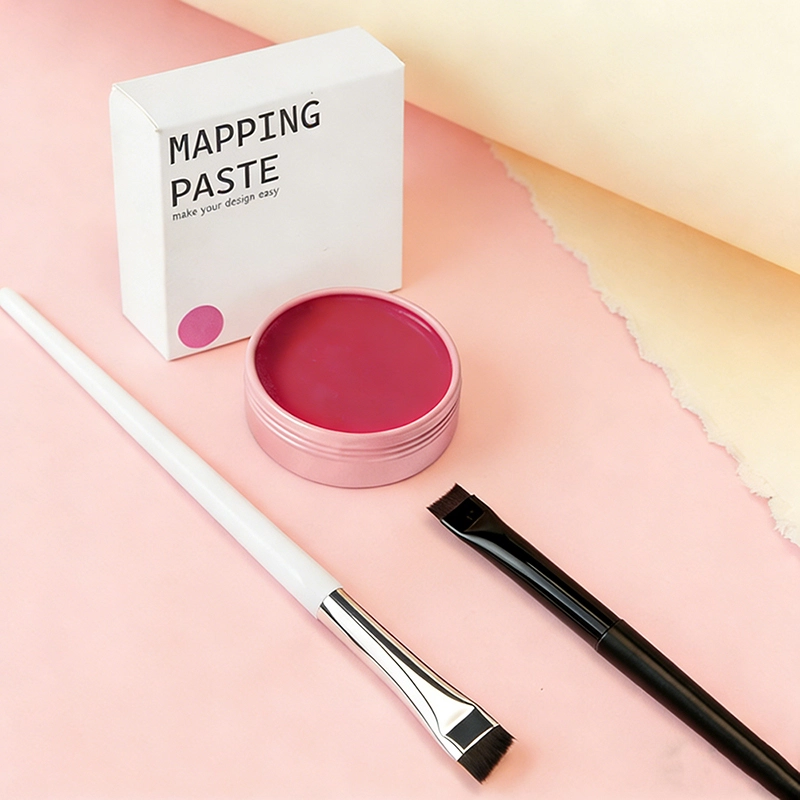
Pre-inked Mapping Ultra-Fine Eyebrows Eyeliner Blade Fan Brush

Instagram
Facebook
YouTube